Profile
Albert Litela Obidiaba: The artist who wove Ghana’s soul into the King’s Baton

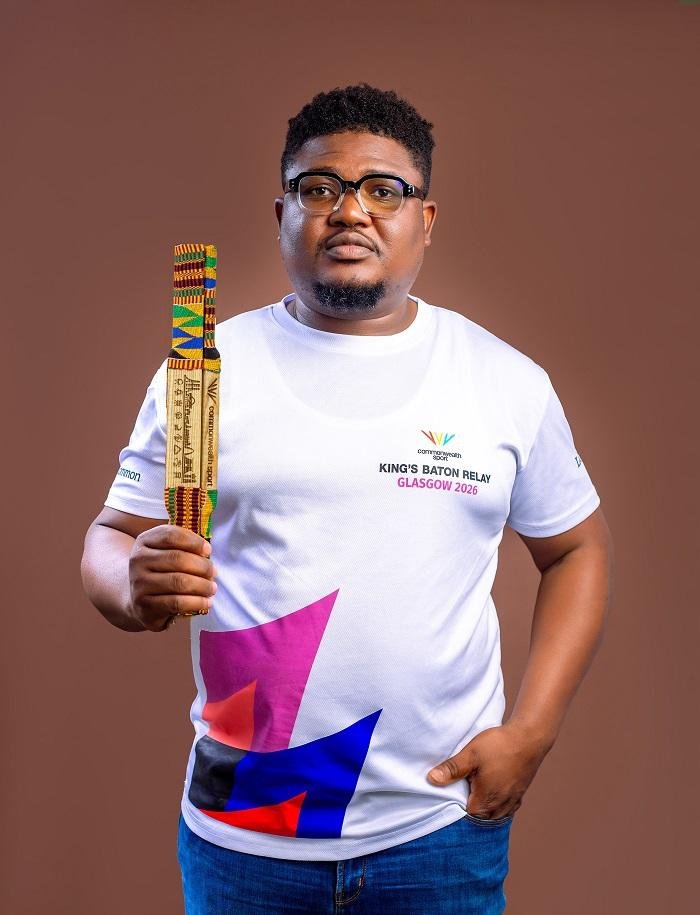
When the world’s eyes turn to the King’s Baton on its global journey, one of Ghana’s most profound artistic stories travels with it. It will be a story of creativity, culture, and national pride crafted by Albert Litela Obidiaba.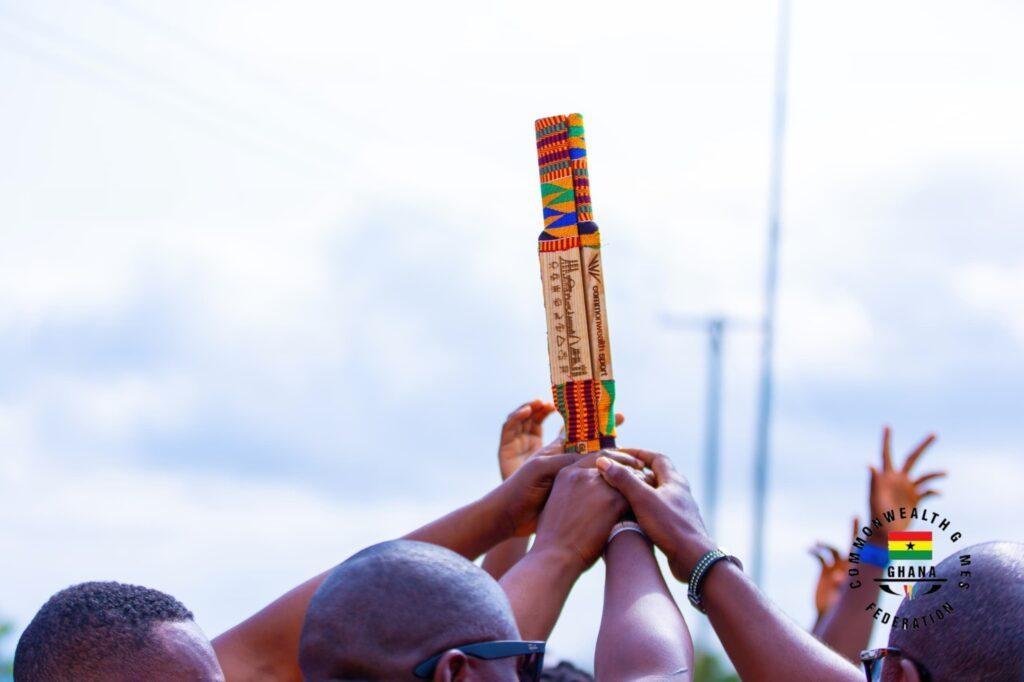
From the quiet town of Old Baika in the Oti Region, Albert’s journey as an artist has always been about telling stories. It is not just through words, but through symbols, textures, and meaning.
“From a young age, I was drawn to the power of art, knowing how colours and textures can capture not just emotion but culture and identity,” he recalls.
Today, his name has become synonymous with innovation rooted in traditional bridge between Ghana’s past and its global creative future.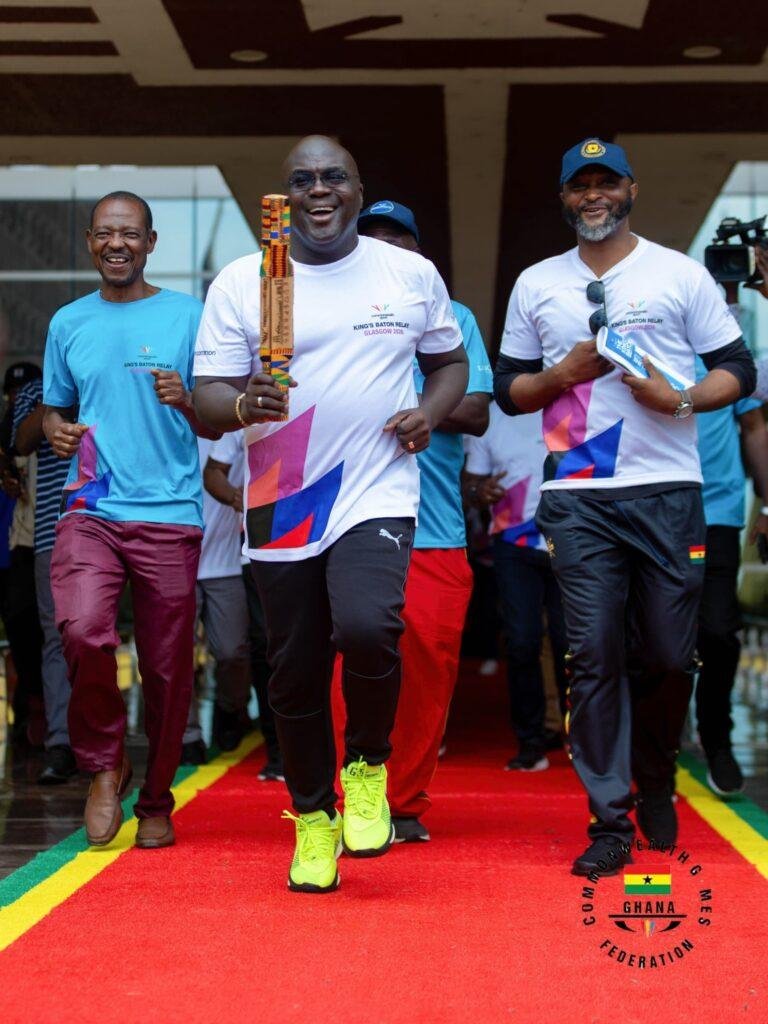
Albert’s love for art was born from curiosity. Surrounded by the vibrancy of Ghanaian culture; the patterns of kente, the stories behind Adinkra symbols, and the textures of daily life, he began sketching and crafting early on.
“Simple things told deep stories,” he says. “That fascinated me.”
As he matured, his art evolved into a personal mission to preserve and reinterpret Ghana’s heritage for a modern audience. His style reflects a seamless blend of culture and contemporary design, each piece a narrative of unity, history, and pride.
“I see art as storytelling through form and symbolism, it should feel rooted in purpose yet speak to today’s world,” he explains.
When the call came to design Ghana’s version of the King’s Baton, Albert saw it as both a national duty and a creative calling.
Recommended by mentors like Mr Charles Osei Asibey, who trusted his talent and understanding of Ghanaian symbolism, he embraced the project wholeheartedly.
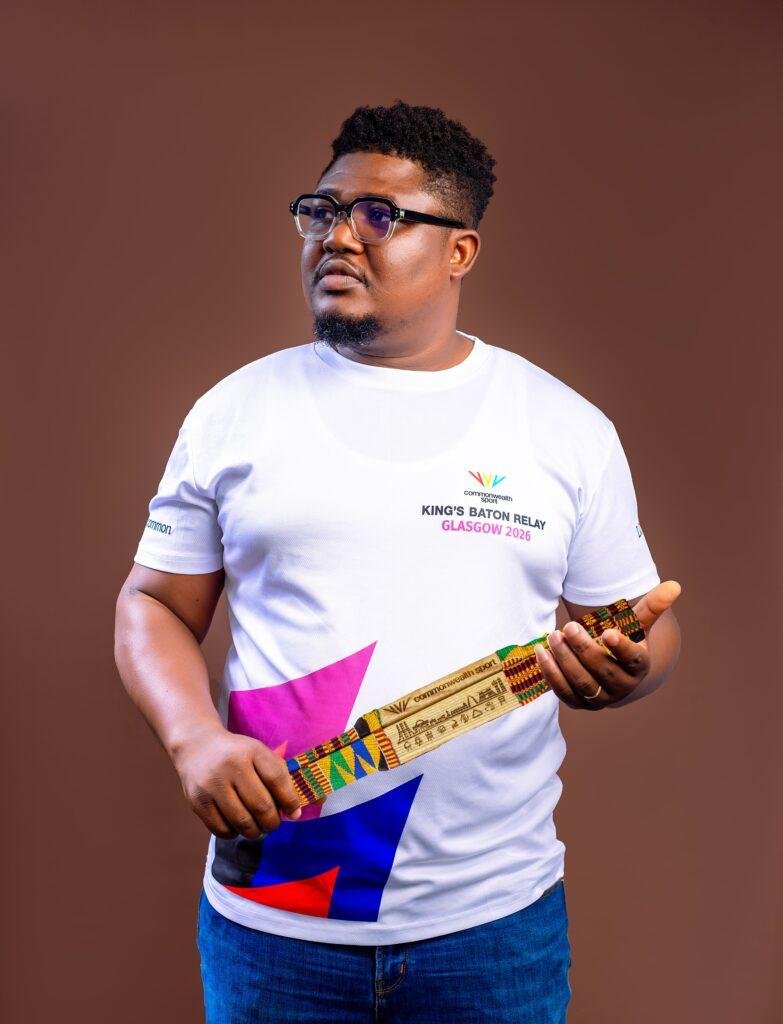
His vision was clear; to create a piece that would embody unity, pride, and the enduring spirit of Ghana.
Drawing from traditional motifs, he integrated textures inspired by kente weaving, representing hard work, continuity, and creativity. The golden tones symbolise strength and dignity, while the contours and natural motifs mirror Ghana’s landscapes and people.
“The King’s Baton had to tell our story of who we are, what we value, and how we see the world, it is more than art, it is identity in motion,” he said.
Every etch, every pattern carries meaning. From concept to completion, the entire process took three intense weeks which were filled with research, design sketches, consultation, and collaboration with skilled artisans.
“It was days and nights of work, but a lifetime of meaning,” he says with quiet pride.
Creating a design that represents all of Ghana’s diverse cultures was no small feat. Albert had to balance aesthetics, authenticity, and technology thereby using sustainable wood, carefully treated and certified, to reflect the nation’s commitment to nature and preservation.
“It wasn’t easy finding the right mix,” he admits. “But those challenges pushed me to think deeper. They made the final piece stronger — both artistically and symbolically.”
For Albert, Ghanaian culture is both muse and message. His works echo the values of unity, strength, persistence, and wisdom, drawn from Ghana’s traditions.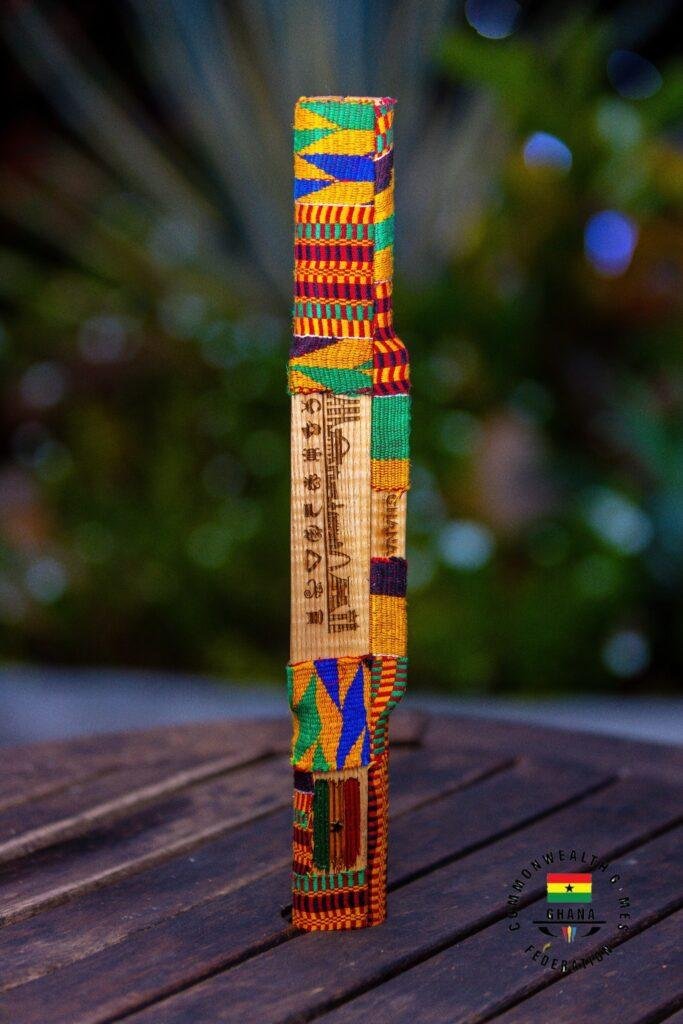
“Art preserves who we are and every line and symbol tells a story of belonging,” he said, and believes art is one of the most powerful tools for building national pride.
Designing the King’s Baton has been a defining moment in his creative journey and that it deepened his appreciation for cultural storytelling. “It taught me that creativity is also a form of service,” he said.
The experience has opened new professional doors, but more importantly, it gave him a renewed sense of purpose making him embrace a call to national duty.
“My soul will be glad even after my days on earth are over,” he said beaming with smiles.
Beyond the King’s Baton, Albert has worked on numerous projects celebrating Ghanaian identity through contemporary art and design. His ongoing works explore symbolism and heritage in new forms which includes blending materials, stories, and styles from across Ghana’s regions.
He is currently preparing projects that continue the conversation the baton began. They are about unity, creativity, and Africa’s evolving artistic voice.
To young artists aspiring to make their mark, Albert’s advice is for them to believe deeply in their craft and that the world is always looking for authenticity “which comes from knowing who you are and where you come from.”
On how he wants to be remembered, he said, “I want to be remembered as an artist who used creativity to celebrate culture and connect people. If my name is remembered as the one who designed Ghana’s version of the King’s Baton, that will be enough, because it means I carried Ghana in my hands, and shared her with the world.”
By Esinam Jemima Kuatsinu
Join our WhatsApp Channel now!
https://whatsapp.com/channel/0029VbBElzjInlqHhl1aTU27


IN a world where inequality continues to limit access to basic life needs, a new generation of leaders is stepping forward to drive change.
Among them is Nuhu Alimatu Sadia, a development practitioner and philanthropist transforming lives across underserved communities.
A 2025 Mandela Washington Fellow and alumna of Project CURE’s Professional Development Exchange programme in Washington, D.C., Sadia brings a strong academic and professional background to her work.
She holds an MPhil in Community Health and Development, a degree in Health Education from the University of Development Studies, and another in Psychology from the International Open University.
Driven by this vision, Sadia founded Hereafter Ghana, a community-focused nonprofit organisation dedicated to improving equitable access to healthcare, education, economic opportunities, and social support.

The organisation operates on a practical, community-driven model that empowers people to take ownership of their development.
Through mobile medical outreaches, Hereafter Ghana has reached over 40 rural communities, many without access to healthcare facilities.
The organisation has facilitated the registration of more than 8,200 children onto the National Health Insurance Scheme, ensuring access to essential healthcare services.
Her expertise spans community development, resource mobilization, and capacity building, all anchored in a passion for equity and sustainability.
Sadia’s journey into philanthropy is deeply rooted in her upbringing. Growing up in a home where giving was a way of life, she was greatly influenced by her father, whose philanthropic work she supported for over a decade.
Through him, she learned the values of empathy, generosity, and structured giving. A defining moment, however, came when she and her family experienced hardship and received overwhelming support from their community.
“That experience strengthened my resolve to build systems that ensure no one is left behind,” she says.
In addition, Sadia and her team have mobilised over $600,000 in cash and in-kind support to fund life-saving surgeries for more than 250 patients.
Their impact also extends to education, with the distribution of over 5,000 learning materials and dual desks to improve conditions in underserved schools.
Women’s empowerment remains a key focus of her work. By equipping women with vocational skills and micro-business capital, Hereafter Ghana is helping to build sustainable livelihoods and strengthen local economies.
The organisation also runs charity initiatives, including food distribution programmes and orphan support schemes, reaching thousands of vulnerable individuals.
One of Sadia’s most memorable experiences came during a community outreach, where her team encountered an orphaned boy believed to be deaf from birth.
After raising funds for his medical assessment, it was discovered that he had partial hearing and could benefit from assistive devices.

“His reaction when he first heard a sound was priceless,” she recalls. “Moments like that remind us why this work matters.”
Despite these achievements, challenges remain. Limited resources and logistical constraints, particularly in reaching remote communities, continue to pose difficulties.
However, Sadia has addressed these challenges by strengthening local fundraising efforts, building strategic partnerships, and promoting a culture of community-driven philanthropy.
She is also passionate about changing perceptions around giving. According to her, philanthropy is not reserved for the wealthy but is about contributing in any form—time, skills, knowledge, or resources.
She emphasises the importance of shifting from short-term charity to long-term, sustainable solutions that address root causes.
As a young leader, Sadia acknowledges both the opportunities and challenges that come with her age. While her energy and innovation have helped her connect with communities, she has also had to overcome skepticism about her leadership.
Through consistent results and professionalism, she continues to build credibility and inspire confidence.
Beyond her direct interventions, she is investing in the future by mentoring young people and training civil society organisations across Africa in sustainable fundraising and leadership.
Her goal is to create a ripple effect of empowered change-makers who can drive impact within their own communities.
Looking ahead, Sadia envisions scaling Hereafter Ghana’s model across Ghana and beyond, strengthening locally driven systems for healthcare, education, and economic empowerment.
Her long-term vision is to see communities become self-sustaining, resilient, and actively shaping their own development.
Her advice to young people is simple: “start where you are, with what you have, and remain consistent.”
True change, she believes, takes time, but with purpose and persistence, it is always achievable.
By Esinam Jemima Kuatsinu
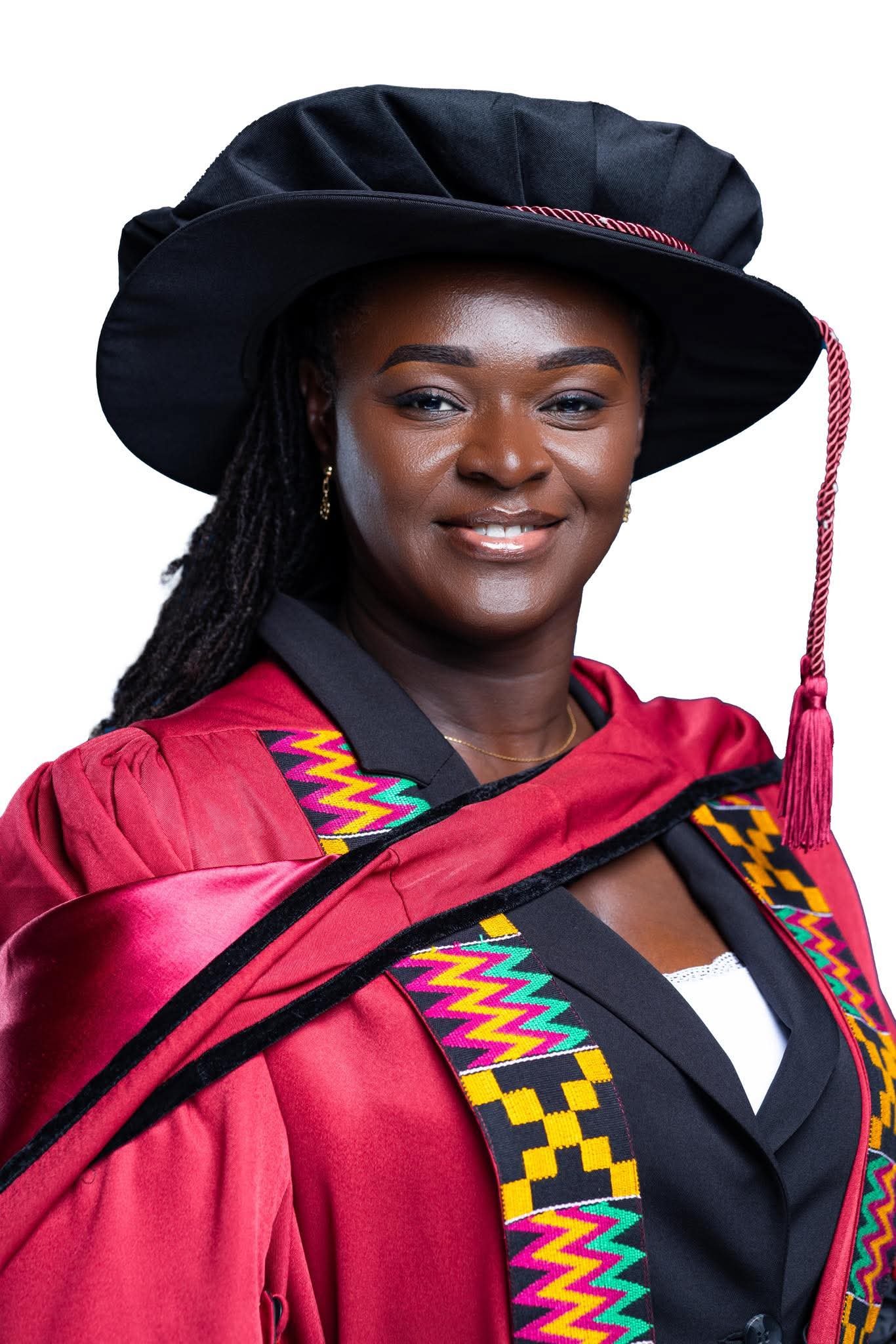
PROF. Nana Ama Browne Klutse has emerged as one of Ghana’s most influential scientists in the field of climate research and environmental policy.
A distinguished physicist and climate scientist, she currently serves as the Chief Executive Officer of the Environmental Protection Authority (EPA) of Ghana, a role she assumed in January 2025 following her appointment by the President.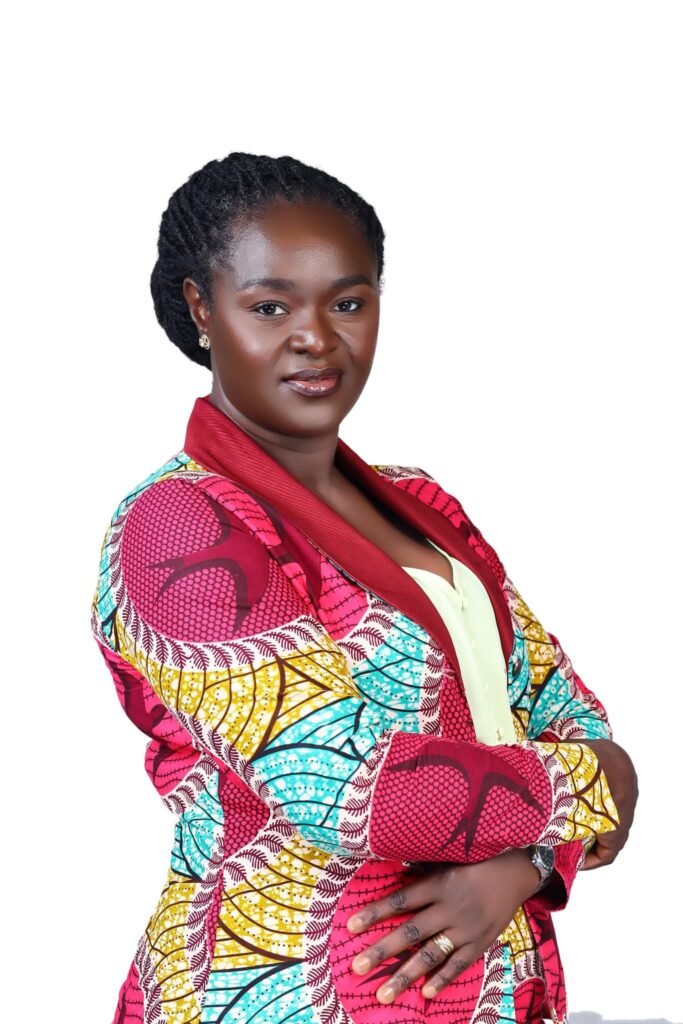
Her appointment places her at the helm of the nation’s foremost environmental regulatory body at a time when climate change and environmental sustainability have become critical issues for national development.
Before her current position, Prof. Klutse served as the Head of the Department of Physics at the University of Ghana from August 2023 to January 2025. Her leadership there was historic, as she became the first woman to occupy that position since the department was established.
In the same year, she achieved another remarkable milestone by becoming the first female full professor of Physics in Ghana and the first woman to attain that rank in the discipline at the University of Ghana in its 75-year history.
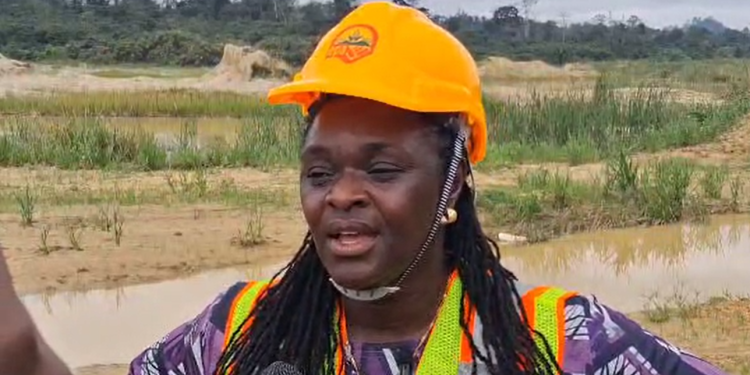
Beyond her national role, Prof. Klutse also commands global recognition in climate science. She currently serves as Vice-Chair of Working Group I of the Intergovernmental Panel on Climate Change (IPCC), the United Nations body responsible for assessing the science related to climate change. Through this role, she contributes to shaping global climate knowledge and policy, while ensuring that Africa’s perspectives and experiences are reflected in international climate assessments.
Earlier in her career, Prof. Klutse worked as a Senior Research Scientist at the Ghana Space Science and Technology Institute under the Ghana Atomic Energy Commission, where she managed the Remote Sensing and Climate Centre.
Her research expertise lies in climate modelling, climate variability and climate change impacts, particularly in Africa. Over the years, she has contributed significantly to research initiatives that seek to understand climate patterns and develop adaptation and mitigation strategies for vulnerable communities.
Born in Nyanfeku Ekroful in the Central Region, Prof. Klutse began her academic journey at Nyanfeku Ekroful Community Nursery School before continuing her education at Anomabu Methodist Primary and Junior High School.
She later attended Mfantsiman Girls’ Secondary School, where her interest in science began to flourish.
She pursued a degree in Physics at the University of Cape Coast before furthering her studies in climatology at the University of Cape Town in South Africa and the International Centre for Theoretical Physics in Italy.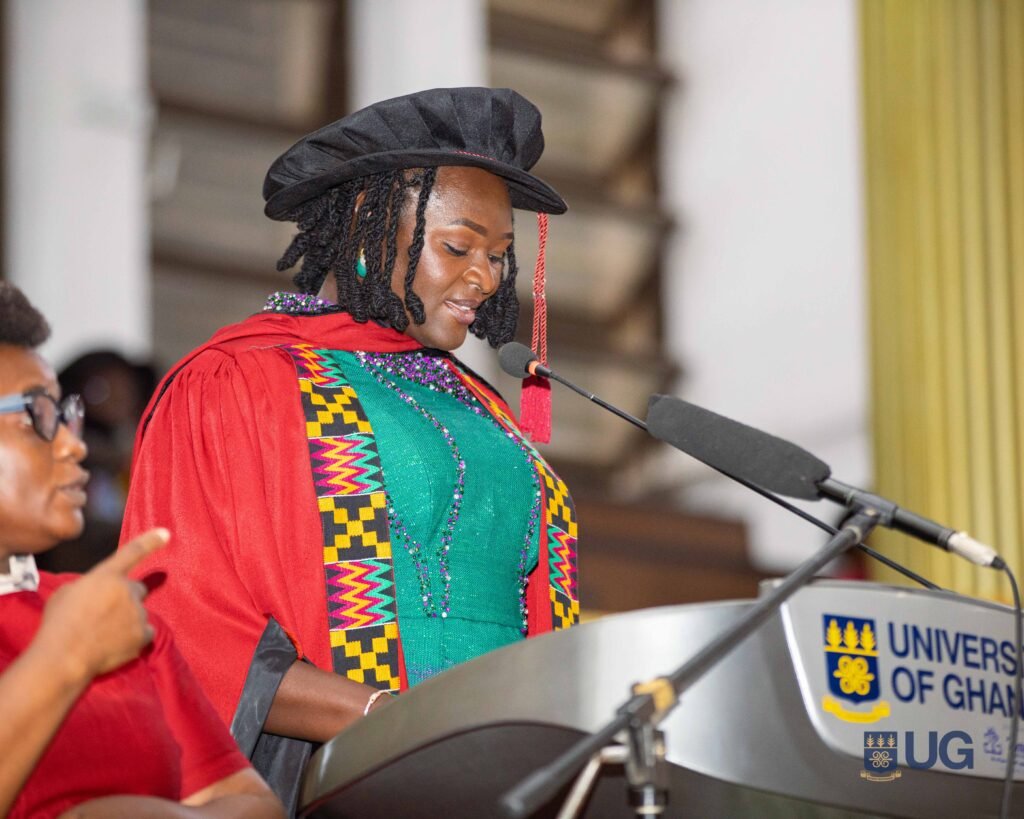
These academic experiences helped shape her career in climate science and strengthened her commitment to addressing the environmental challenges confronting Africa.
Prof. Klutse’s research focuses on atmospheric physics and the ways in which climate change affects critical sectors such as agriculture, water resources and public health. Her work also explores climate variability, climate modelling and solar radiation management. Through these studies, she transforms historical and projected climate data into actionable information that can guide policy decisions and help communities prepare for climate-related risks.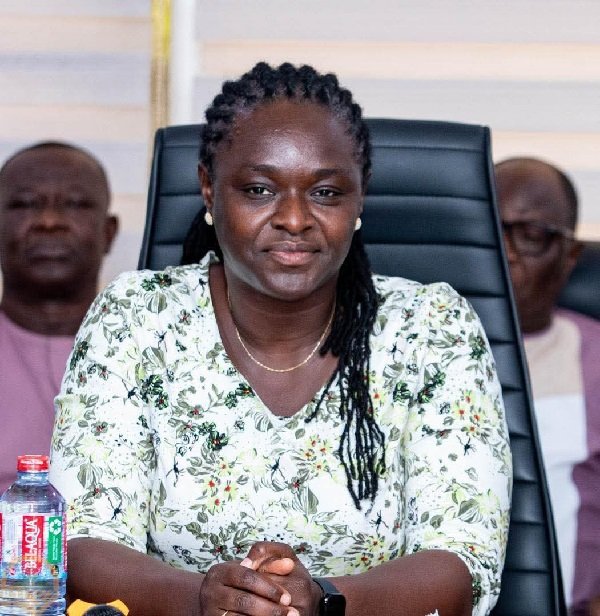
One of her recent research studies examined solar radiation management during the harmattan season and its possible impact on climate variability over southern West Africa. Her scholarly contributions have been widely recognised in the scientific community.
As of February 2025, she had published about 70 scholarly articles with more than 6,600 citations, highlighting the impact of her work on global climate research.
Nations Framework Convention on Climate Change and played a role in the development of Ghana’s National Framework for Climate Services.
In addition to her research achievements, Prof. Klutse is also a passionate educator.
At the University of Ghana, she teaches courses such as Electricity and Magnetism, Mechanics and Thermal Physics, Meteorology, Climate Change and Society, Climate Change Modelling and Research Methods. She is affiliated with both the Department of Physics and the Centre for Climate Change and Sustainability Studies.
Earlier in her academic career, she taught courses including Satellite and Radar Meteorology, Cloud Physics and Atmospheric Physics at the University of Cape Coast.
Her academic influence also extends beyond Ghana. She has served as a guest lecturer at the West African Science Service Centre on Climate Change and Adapted Land Use (WASCAL) and at the African Institute for Mathematical Sciences, where she contributed to training the next generation of climate scientists across the African continent.
Prof. Klutse has also been actively involved in shaping Ghana’s climate policies. She contributed to the country’s Second, Third and Fourth National Communications to the United
Earlier, she collaborated with the United Nations Development Programme to develop early warning systems for floods and droughts in northern Ghana, helping to improve resilience to climate-related disasters.
Beyond her scientific and policy work, Prof. Klutse is committed to community engagement and mentoring young people, particularly girls interested in science. She actively promotes women’s participation in Science, Technology, Engineering and Mathematics (STEM) and encourages young Ghanaian girls to pursue careers in scientific fields.
Her dedication and achievements have earned her several international recognitions, including the Schlumberger Faculty for the Future Award, the DAAD In-Country/In-Region Award and the UNESCO Award on Basic Physics for Young Scientists.
Prof. Klutse is married to Dr Charles Kofi Klutse of the Ghana Atomic Energy Commission, and together they have three children.
Through her work in research, education and environmental governance, Prof. Nana Ama Browne Klutse continues to make remarkable contributions to science and national development, while inspiring a new generation of African scientists committed to tackling climate change and protecting the environment. —Source UG.edu.gh
Join our WhatsApp Channel now!
https://whatsapp.com/channel/0029VbBElzjInlqHhl1aTU27