News
Ofankor Nsawam road takes shape

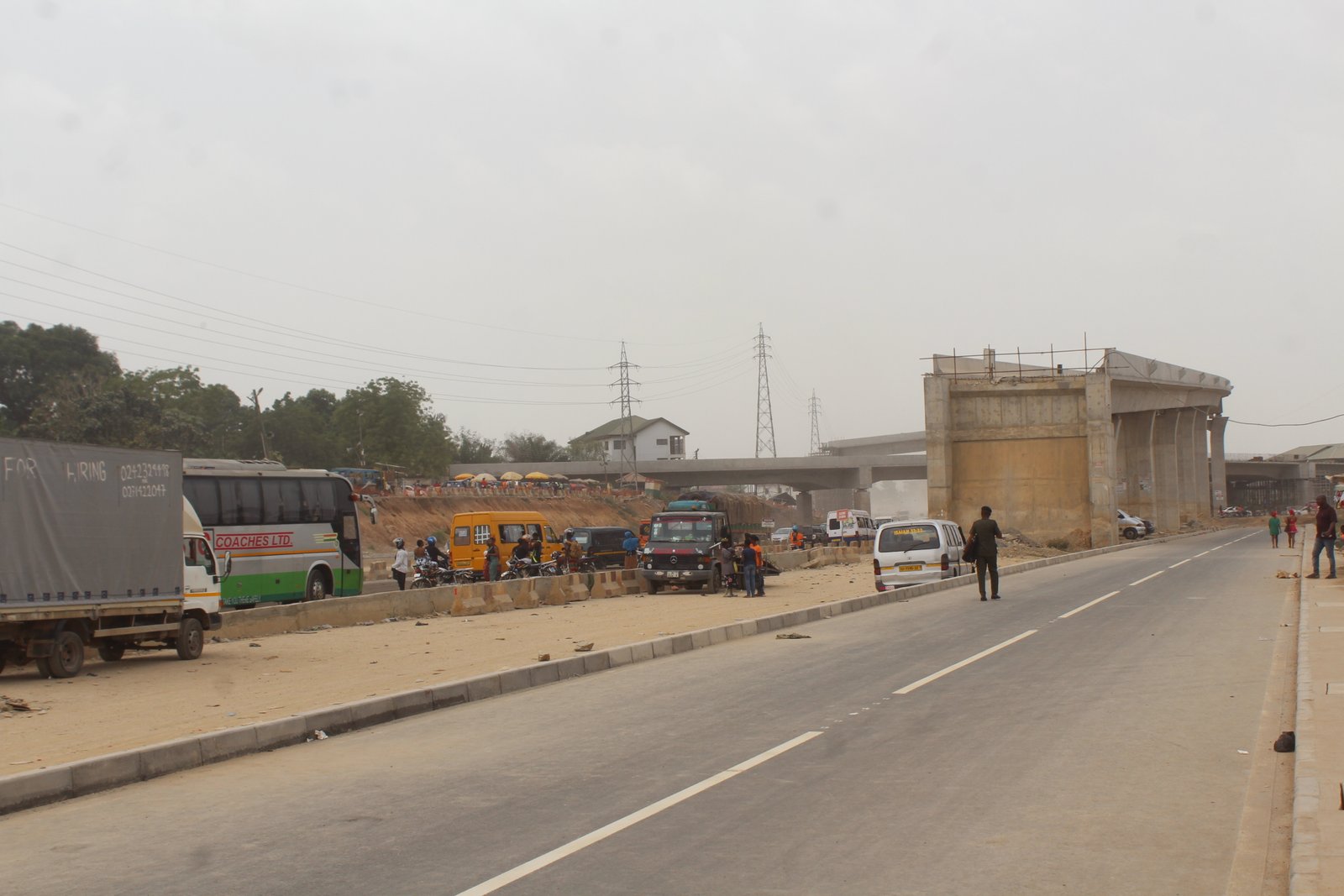
THE Ofankor–Nsawam road commuters appear to have breathe a sigh of relief over the progress of work on the road project which has reached 81 per cent completion.
A visit by The Spectator to the project site revealed that a significant portion of the road had already been asphalted, while most of the storm drains and culverts had been completed.
In addition, the various flyovers and pedestrian footbridges were at different stages of completion.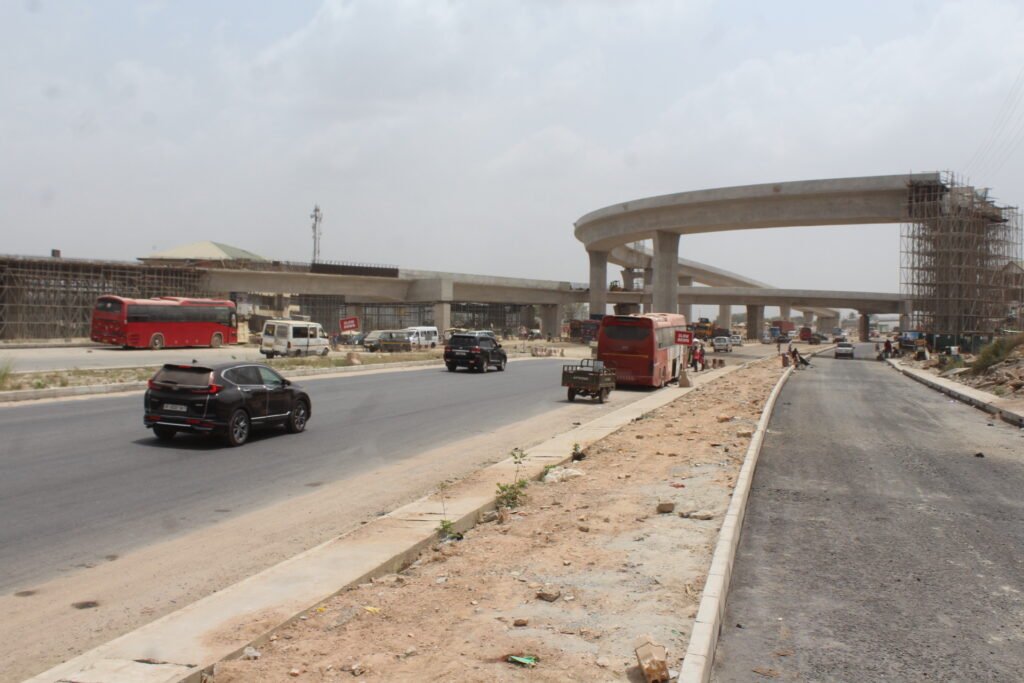
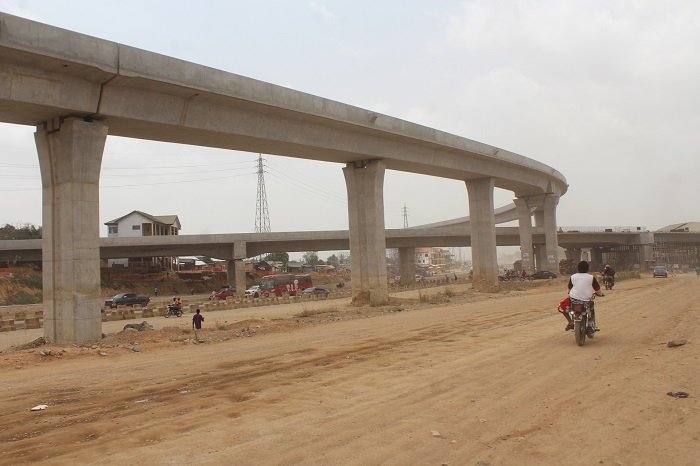
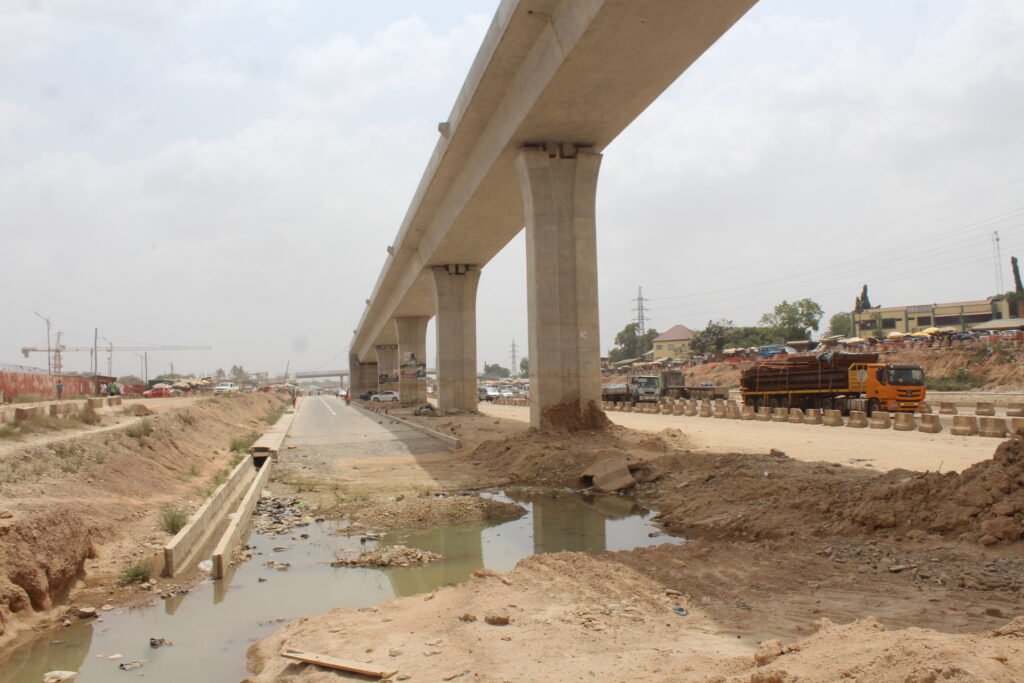
This appears to be the best news for commuters that ply the road daily as information indicated that the project would be completed on schedule.
According to the Chief Resident Engineer, Kwabena Bempong, steady progress had been made across the 33.4-kilometre stretch.
He expressed the hope that the remaining works would be delivered within the revised timeline, subject to the resolution of outstanding land issues at Nsawam Junction.
The Ofankor–Nsawam road forms part of National Route Six (N6), a major arterial highway linking Accra to the northern parts of the country and extending further to the Sahelian regions of West Africa.
The project scope includes the construction of four major interchanges at Amasaman, Pobiman, Medie and Nsawam Junction, alongside service roads and other ancillary facilities and is valued at $346.5 million.
By Kingsley Asare
Join our WhatsApp Channel now!
https://whatsapp.com/channel/0029VbBElzjInlqHhl1aTU27










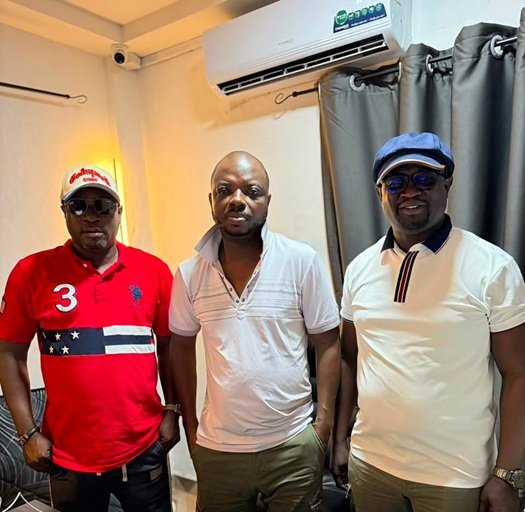
The Greater Accra Regional Organiser of the New Patriotic Party (NPP), Moses Abor, has met with the Bono Regional Chairman of the party, Kwame Baffoe, popularly known as Abronye DC, to address concerns arising from recent social media developments.
In a statement shared , Mr. Abor said he yesterday visited Chairman Baffoe over comments he made on his show, which had raised concern among some party activists.
According to him, he also engaged Charles Opoku Presidoo and ironed out grievances he had earlier held regarding the matter.
Mr. Abor said he was pleased that in the spirit of unity and the party’s shared commitment to return to power in 2028, they had a constructive conversation and addressed the concerns amicably.
“With the matter now resolved, I encourage all Party activists to let the matter rest and redirect our energy toward holding the NDC accountable for its failures and misleading claims,” he said.
He urged party members to continue making the case to Ghanaians on why Dr. Mahamudu Bawumia is the right person to lead the country in 2028.
By Edem Mensah-Tsotorme
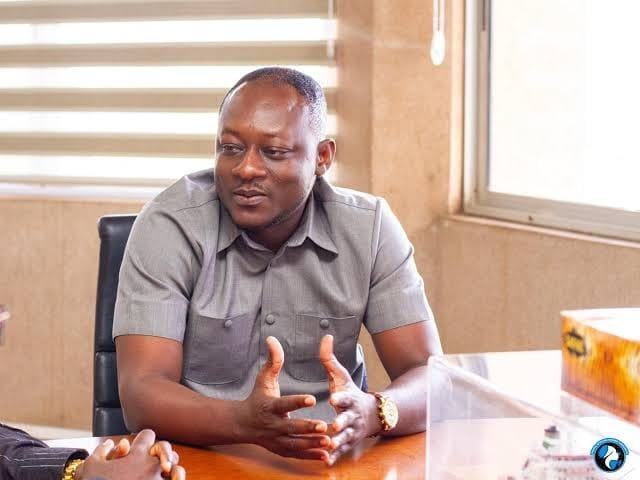
The Managing Director of Tema Oil Refinery (TOR), Edmond Kombat, has given a damning account of the state of the refinery inherited in January 2025.
Speaking at the Government Accountability Series, Mr. Kombat revealed that the country’s only refinery was on the verge of total collapse.
According to him, the company had accumulated losses of about GH¢10 billion, with its debt rising from $300 million in 2016 to about $517 million.
He disclosed that the refinery’s two major production units were completely non-functional. The Crude Distillation Unit (CDU) had been out of operation since April 2021, while the Residue Fluid Catalytic Cracking (RFCC) Unit had been shut down since 2019.
The units had not received the required maintenance, reducing TOR to largely renting out storage space to Bulk Distribution Companies instead of carrying out its core mandate of refining crude.
Mr. Kombat further stated that much of TOR’s infrastructure was run down or obsolete. Out of the refinery’s 59 storage tanks, 18 were out of service, with some having been out of service since 2004.
On corporate governance, the MD revealed that TOR had not filed audited financial statements for six consecutive years, from 2019 to 2024.
Financially, he noted that the refinery was choked with statutory debts. It owed GH¢200 million to the Ghana Revenue Authority, GH¢20 million to SSNIT, in addition to debts owed to the Electricity Company of Ghana and Ghana Water Company. It also had GH¢190 million in outstanding obligations to staff provident fund, retirees and resignees. It further owed commercial entities and two state-owned companies including GNPC and VRA.
He added that staff morale was at its lowest, with staff leaving, the workforce divided, and more than 300 petitions over delayed promotions, some dating back ten years, awaiting review.
Perhaps most shocking, Mr. Kombat revealed that between 2019 and 2024, TOR sold third-party products belonging to three Bulk Distribution Companies, valued at millions of dollars, to pay staff salaries without the knowledge of the product owners.
By the end of 2024, TOR had negative equity of GH¢7.6 billion and was on the verge of being sold or leased for a paltry $21 million.
By Edem Mensah-Tsotorme