News
4% of Ghanaian youth hypertensive – Health Expert

Parents and health professionals have been urged to make blood pressure checks for children a routine practice, as more young people in Ghana are developing hypertension, a condition once believed to affect only adults.
Dr Elliot Koranteng, a Consultant Nephrologist at the Komfo Anokye Teaching Hospital and Founder of Kidney Health International, revealed in an interview with The Spectator that about four per cent of Ghanaian youth aged 15 to 24 are hypertensive.
He warned that this trend signals a growing public health threat that requires urgent national attention.
“Hypertension is no longer a disease of adults. Many children are now developing high blood pressure, yet we rarely think of checking them,” Dr Koranteng said.
“It has never been part of routine medical checks for children, and that is dangerous because early signs often go unnoticed until serious complications occur,” he added.
He explained that most hospitals, including primary and secondary health facilities, lack blood pressure cuffs designed for children.
“We only have adult cuffs in many hospitals because no one thinks children can have high blood pressure. But some do, either from hereditary factors, kidney or heart problems, or even secondary causes like the use of bleaching creams by parents on their children,” he disclosed.
Dr Koranteng Tannor warned that untreated hypertension in childhood could lead to severe complications such as stroke, heart attack, and kidney disease at an early age.
He noted that several young patients are already on two or three different medications to manage their blood pressure.
“When you see 18-year-olds on chronic hypertension medication, it tells you how serious the problem is,” he emphasised.
Dr Tannor urged the Ministry of Health and the Ghana Health Service to integrate blood pressure screening for children into regular health checks at hospitals and schools.
“When a child complains of headaches, facial swelling, or tiredness, we should not only test for malaria. Their blood pressure should also be checked to rule out hypertension or related conditions like diabetes and kidney disease,” he advised.
He also called on parents to be proactive by requesting blood pressure checks for their children during hospital visits.
“The earlier hypertension is detected, the easier it is to manage. We cannot continue to assume that children are immune,” he cautioned.
Dr Tannor further appealed for public education on childhood hypertension, stressing that awareness and early detection were key to preventing a future crisis.
From Ama Tekyiwaa Ampadu Agyeman, Koforidua

The Ghana Health Service (GHS) will undertake a nationwide Human Papillomavirus (HPV) vaccination exercise in schools from October to December 2026 to protect eligible girls against cervical cancer and other HPV related diseases.
The exercise, organised in collaboration with the Ghana Education Service (GES) and its partners through the School Health Education Programme (SHEP), will be conducted in two rounds.
The first round is scheduled for October 19 to 23, 2026, while the second will take place from November 30 to December 4, 2026.
In a press release dated October 19, the GHS explained that health workers would visit schools across the country to vaccinate eligible girls aged 9 to 14 who have not yet received the HPV vaccine.
The exercise forms part of efforts to raise awareness about the routine HPV vaccine, increase vaccination uptake and strengthen the country’s routine immunisation programme.
The GHS has called on school authorities, parents, guardians, teachers and community leaders to cooperate with health teams to ensure the successful implementation of the exercise.
The Service reaffirmed its commitment to protecting the health and well-being of Ghanaians, particularly children, through vaccination and other public health interventions.
By: Jacob Aggrey
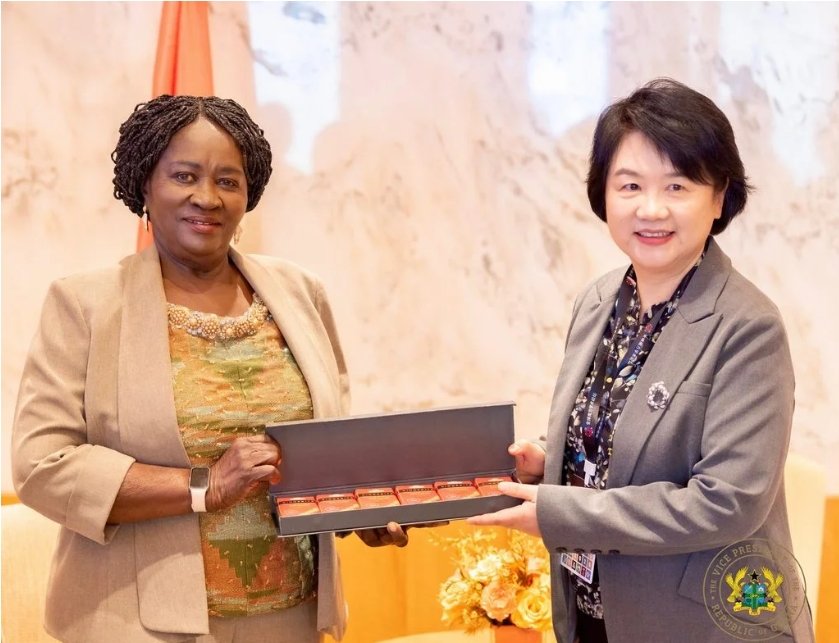
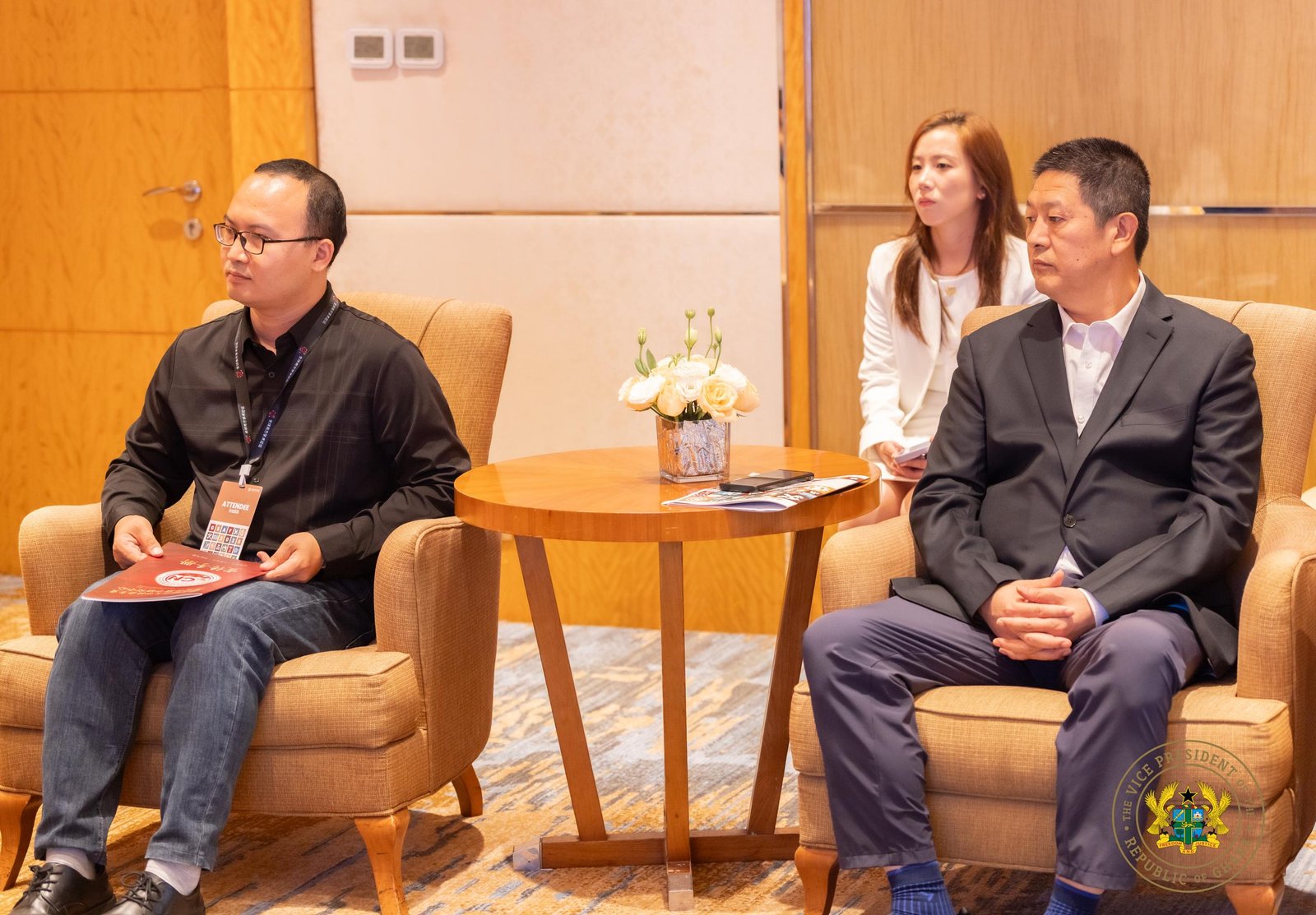
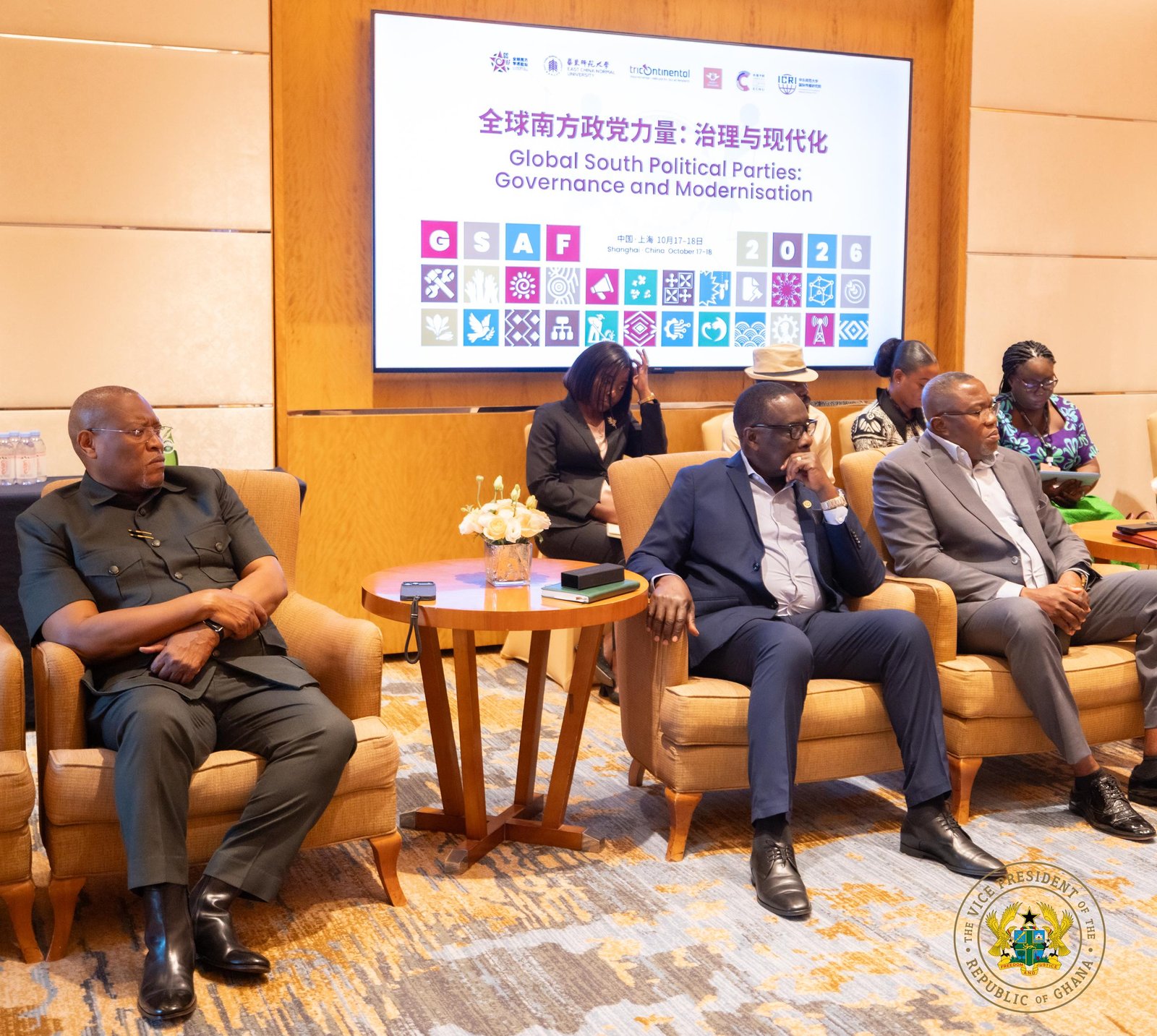
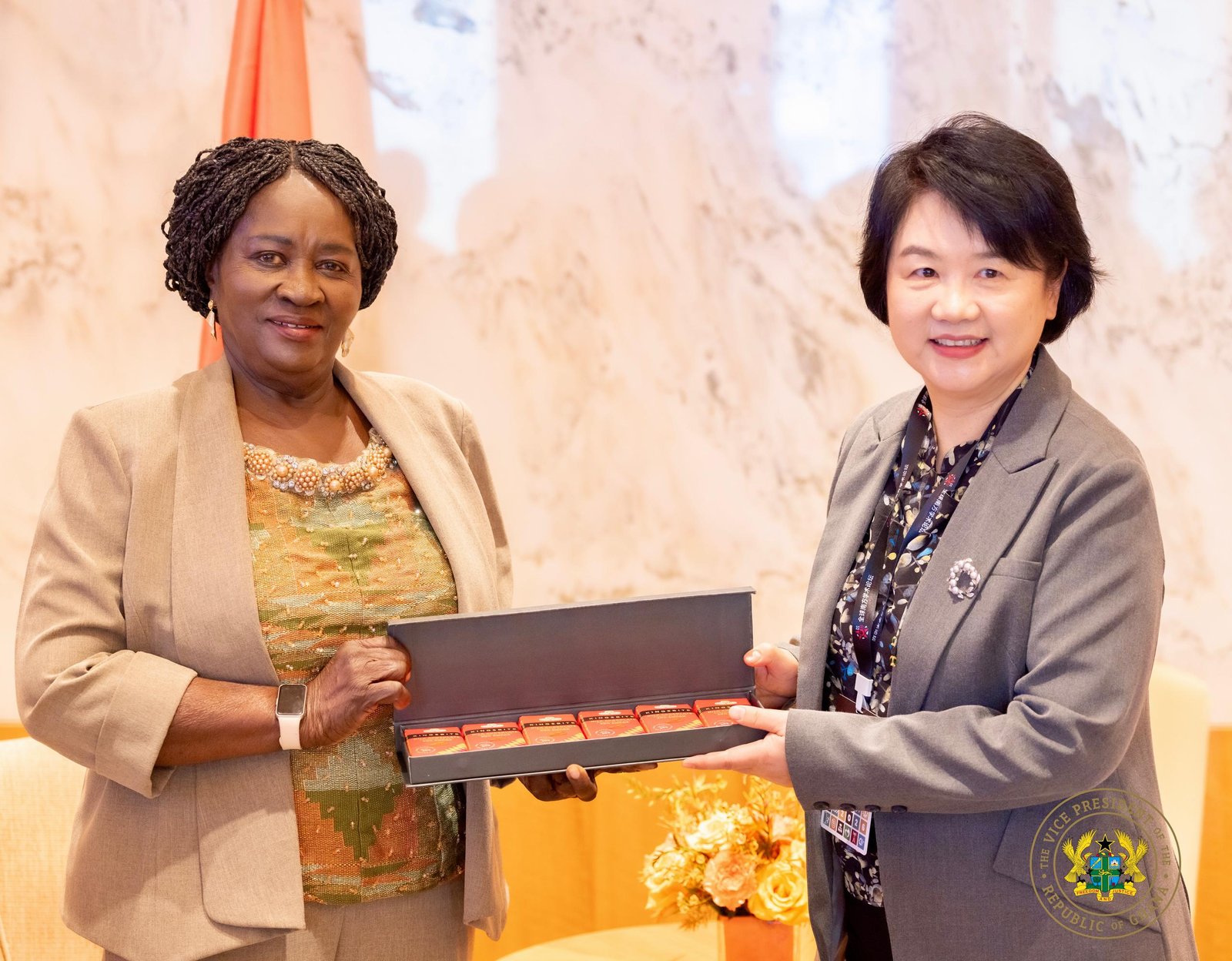
Vice President Professor Jane Naana Opoku-Agyemang has held high-level discussions with organisers of the 2026 Global South Academic Forum in Shanghai, seeking to draw lessons from China’s acclaimed rural revitalisation and poverty reduction drive.
The meeting, led by the Forum Chair, Professor Lu Xinyu, explored practical areas of cooperation and knowledge exchange between Ghana and China, with focus on community-driven development, fisheries and aquaculture, local governance, sports initiatives, and infrastructure development.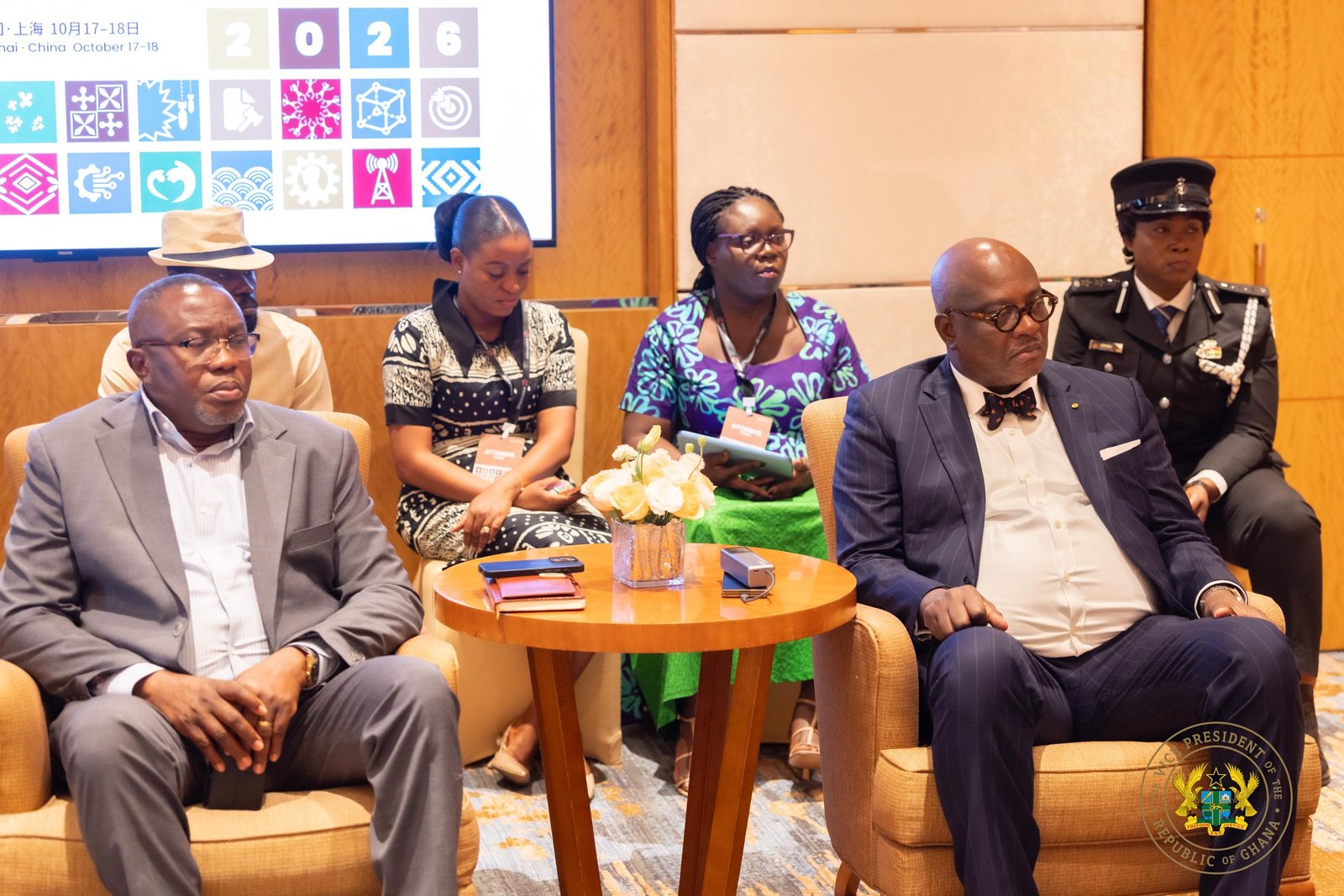
According to officials, the engagement is part of a broader effort by the Ghanaian government to study tested development models that can be adapted to the local context to promote inclusive growth, empower local communities, and improve livelihoods across the country.
China’s success in lifting over 800 million people out of poverty through targeted rural policies, investment in agriculture and local infrastructure has become a global reference point for developing nations.
The Vice President’s team says insights from the Forum will help inform policy direction, particularly in strengthening decentralised governance, boosting the fisheries and aquaculture sector, and investing in community-level infrastructure and youth sports development.
Professor Opoku-Agyemang is expected to continue engagements with academic and development institutions while in China.
By Edem Mensah-Tsotorme