News
27th TGMA Music Summit: Stakeholders talk brands, contracts and music business

- /home/u249204778/domains/spectator.com.gh/public_html/wp-content/plugins/mvp-social-buttons/mvp-social-buttons.php on line 27
https://spectator.com.gh/wp-content/uploads/2026/06/WhatsApp-Image-2026-06-26-at-16.50.29.jpeg&description=27th TGMA Music Summit: Stakeholders talk brands, contracts and music business', 'pinterestShare', 'width=750,height=350'); return false;" title="Pin This Post">
- Share
- Tweet /home/u249204778/domains/spectator.com.gh/public_html/wp-content/plugins/mvp-social-buttons/mvp-social-buttons.php on line 72
https://spectator.com.gh/wp-content/uploads/2026/06/WhatsApp-Image-2026-06-26-at-16.50.29.jpeg&description=27th TGMA Music Summit: Stakeholders talk brands, contracts and music business', 'pinterestShare', 'width=750,height=350'); return false;" title="Pin This Post">
Over 230 artistes, managers, music executives, media practitioners, legal professionals, aspiring music professionals and creative entrepreneurs converged at the British Council in Accra for the 27th Telecel Ghana Music Awards (TGMA) Music Summit, a high-impact industry engagement designed to equip Ghana’s music community with practical knowledge to build sustainable and successful careers.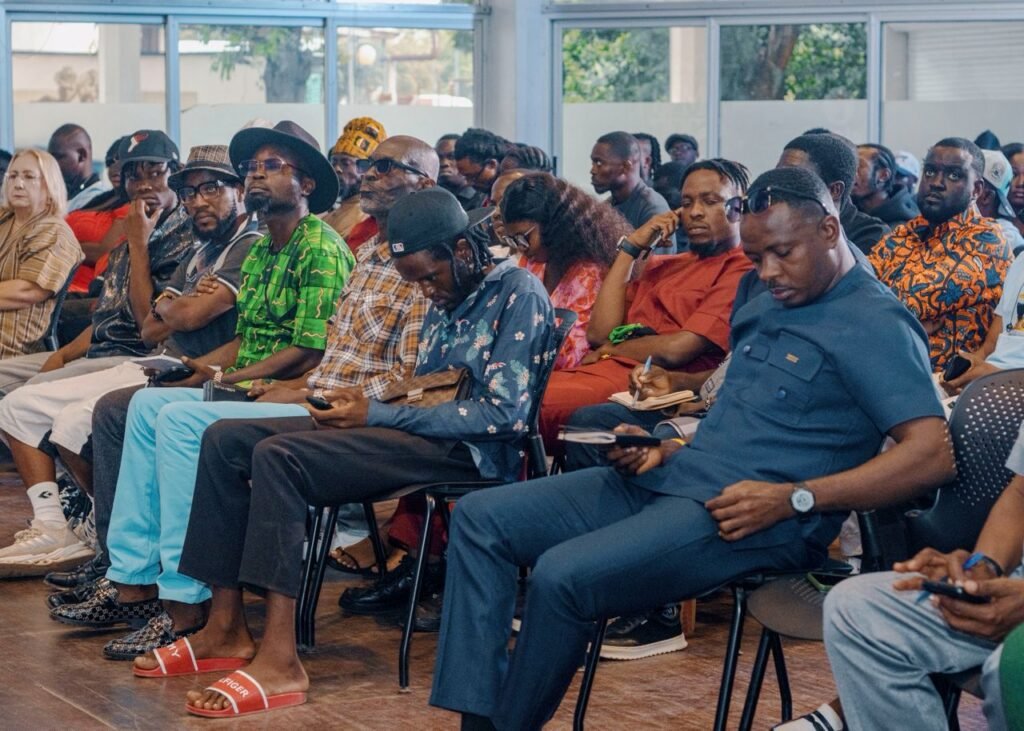
Held in commemoration of World Music Day, the 27th Telecel Ghana Music Awards Music Summit brought together some of the industry’s most respected voices to discuss two critical pillars of today’s music business: brand endorsements and music contracts.
Opening the Summit, Robert Klah, TGMA Lead and Head of Public Events and Communications at Charterhouse, welcomed participants and highlighted the purpose of the gathering.
He emphasised the importance of creating platforms that go beyond celebrating musical excellence to strengthen the business and professional capacity of industry stakeholders.
He noted that while talent remains the foundation of success, knowledge, strategic partnerships and legal awareness are increasingly becoming the differentiators in today’s music ecosystem.
The Summit also created valuable networking opportunities, enabling artistes, managers, music business professionals, media practitioners and other stakeholders to connect, exchange ideas and explore potential collaborations.
The Summit also received strong endorsement from the leadership of the music industry. Delivering a solidarity message, MUSIGA President and renowned highlife musician, Bessa Simons, commended Charterhouse for creating platforms that contribute to the professional development of musicians and music stakeholders.
He encouraged emerging artistes and young music professionals to actively participate in educational initiatives such as music business seminars and industry workshops, stressing that knowledge remains one of the most valuable assets for building a successful and sustainable career.
Bessa Simons further called for deeper collaboration between event organisers and industry associations, emphasizing the important role collective effort plays in advancing the interests of musicians and strengthening Ghana’s music ecosystem.
The first session focused on one of the most important yet often misunderstood revenue streams available to artistes and creatives: brand endorsements.
Leading the conversation was Mariam K. A-Buahin, Chief Operating Officer of Akuna Group, who brings over eighteen years of experience in marketing and brand management across multiple industries.
Her presentation, “Brand Endorsements: What Companies Look For,” provided participants with a deeper understanding of how brands evaluate potential ambassadors and partners.
She explored the importance of personal branding, audience alignment, credibility, consistency, professionalism, values and long-term influence.
The session underscored an important reality within today’s music industry: as music consumption patterns evolve, endorsement deals have become a significant source of income for artistes.
To successfully attract and retain corporate partnerships, artistes and music professionals must understand exactly what brands seek before committing their resources and reputation to a partnership.
The presentation was followed by an engaging question-and-answer session during which participants sought practical guidance on positioning themselves for brand opportunities and building mutually beneficial relationships with corporate organizations.
The second half of the Summit shifted focus to music contracts, an area that continues to have a profound impact on the careers and livelihoods of musicians and creatives.
The session began with an overview of the music business and the role of contracts by Grammy-recognized creative entrepreneur and music business executive Kofi Boachie Ansah, who provided participants with a foundational understanding of how contractual agreements govern relationships across the music value chain.
Award-winning entertainment entrepreneur and Founder and CEO of Lynx Group, Richie Mensah, followed with a presentation exploring seven key contract areas every artiste and music professional should understand.
Drawing from his personal experiences building one of Ghana’s most successful entertainment companies, he illustrated how contracts influence artist development, business growth and long-term success.
Entertainment lawyer Bobby Banson then highlighted critical issues that creatives must examine before signing any agreement. His presentation reinforced the importance of due diligence, legal representation, ownership rights, obligations, termination clauses and intellectual property protections.
Throughout the session, one message remained clear: the legal system is ultimately what protects the work of musicians and creative professionals. Without a proper understanding of contractual terms and obligations, artistes risk signing away rights, revenue opportunities and control over their creative output.
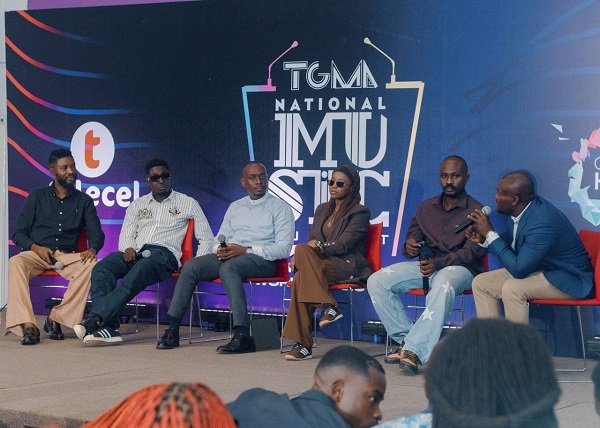
The contracts conversation culminated in an insightful panel discussion moderated by respected arts and culture journalist Kwame Dadzie of Joy FM and Hitz FM.
The panel featured an accomplished group of industry experts, including Seven Xavier (George O. Yartey), Music Executive and Industry Strategist; Patrick Tetteh Odestsi, Legal Practitioner and Contract Law Expert; Daniel Ahenkorah (Yaw Dan), A&R and Music Licensing Specialist; Khadijat El-Alawa, Music Executive and Talent Strategist; and Emmanuel Sedo (Electro Mirror), Founder and CEO of Flip The Music.
Together, they unpacked practical issues relating to contract negotiations, music licensing, rights management, publishing, talent development, artiste performance and navigating the evolving realities of the music business.
Their diverse perspectives provided attendees with a rare opportunity to engage directly with professionals whose experience spans legal practice, talent management, licensing, strategy and music entrepreneurship.
Music, Recognition and Celebration
Adding to the vibrant atmosphere was a musical interlude by emerging Alternative Hiphop and Pop artiste Elsie Raad, whose performance provided another reminder of the exciting new talent emerging within Ghana’s music landscape.
The Summit also featured the presentation of commemorative plaques to winners of the 27th Telecel Ghana Music Awards who were present, recognizing their achievements and contributions to Ghanaian music.
As the day’s discussions concluded, attendees continued networking over refreshments courtesy of Guinness Ghana, rounding off an event defined by knowledge-sharing, collaboration and professional growth.
Beyond the presentations and performances, the 27th TGMA Music Summit reinforced the growing importance of music business education in Ghana’s creative economy.
By creating a platform where emerging talents can learn directly from accomplished professionals, the Summit continues to bridge the gap between creativity and commerce, helping artistes and industry practitioners make informed decisions that protect their careers and unlock new opportunities.
Produced by Charterhouse with support from British Council, Closeup, Guinness Ghana and TV3, and powered by Telecel Ghana under its inspiring brand promise, “Connecting Energies,” the 27th TGMA Music Summit once again demonstrated that the future of Ghanaian music will be shaped not only by artistic excellence, but also by knowledge, strategic partnerships, legal awareness and strong industry collaboration.
As the conversations sparked during the Summit continue beyond the event, participants left with new insights, stronger networks and a renewed appreciation for the business structures that support successful music careers.
From understanding what brands seek in potential ambassadors to learning how contracts can protect—or potentially compromise—creative rights, attendees were reminded that success in today’s music industry requires both talent and informed decision-making.







Women have been asked not to dismiss painless lumps in the breast, as the absence of pain does not mean a lump is harmless.
A Specialist Radiation Oncologist at the Korle-Bu Teaching Hospital, Dr Mary Ann Dadzie, said women should seek medical attention promptly whenever they noticed any unusual changes in the breast.
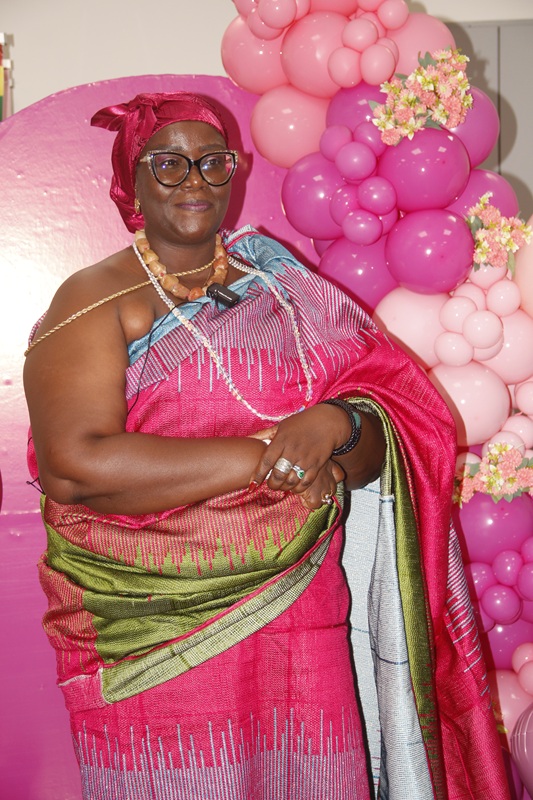
“A painless lump is not a harmless lump. You need to take action and not wait for pain,” she said.![Prof.Dr.Grace Ayensu-Danquah [middle] launching of Breast Cancer Awarencss Mouth with Dr.Caroline Reindorf Amissah[second from right] and other officials Photo Okai Elizabeth.](https://spectator.com.gh/wp-content/uploads/2026/10/Prof.Dr_.Grace-Ayensu-Danquah-middle-launching-of-Breast-Cancer-Awarencss-Mouth-with-Dr.Caroline-Reindorf-Amissahsecond-from-right-and-other-officials-Photo-Okai-Elizabeth.jpg)
Dr Dadzie made the call at the 2026 national launch of Breast Cancer Awareness Month, held on the theme, “early action, better outcomes.”
She expressed concern that about 45 per cent of breast cancer patients seen at Korle-Bu failed to return after starting treatment.
According to her, some patients began treatment but later stopped reporting to the hospital, leaving health professionals uncertain about their wellbeing.
She attributed the situation to several factors, including fear of death, financial difficulties, long distances to health facilities, lack of time and stigma.
Dr Dadzie urged women to know their breasts and seek medical attention within two weeks of noticing any abnormality.
She said warning signs could include a lump or thickening in the breast or armpit, changes in breast size, an inverted nipple, nipple discharge and changes in the skin, including redness, sores or an orange-peel appearance.
She cautioned women not to assume they were safe simply because they had no family history of breast cancer, explaining that only about five to 10 per cent of women with the disease had a familial or genetic mutation.
Dr Dadzie encouraged women to undergo regular clinical breast examinations and discuss appropriate screening options, including mammography and ultrasound, with health professionals.
She also called on families, particularly husbands and partners, to support women who needed breast examinations or treatment.
“Home is where the support begins,” she said, urging families to provide practical assistance such as transportation and childcare.
Dr Dadzie further appealed for breast cancer services to be brought closer to communities through increased access to mammography, ultrasound and biopsy services, as well as the training of more health professionals.
The Deputy Minister of Health, Prof. Dr Grace Ayensu- Danquah, said breast cancer remained a major health concern among women in Ghana, with an estimated 4,650 new cases and about 2,060 deaths recorded annually.
She said Ghana’s breast cancer response focused on prevention, early detection, equitable access to treatment and compassionate care.
Dr Ayensu-Danquah said the country was working to strengthen awareness, clinical breast examinations, referral systems, pathology and diagnostic services to improve breast cancer outcomes.
The World Health Organisation (WHO) representative, Dr Joana Ansong, said too many women continued to present with advanced breast cancer, resulting in avoidable suffering and deaths.
She called for stronger health education, timely diagnosis, rapid referral and equitable access to comprehensive treatment and support.
Dr Ansong said breast cancer awareness should move beyond campaigns to sustained action involving government, communities, health professionals, civil society organisations, the private sector and families.
By Esinam Jemima Kuatsinu
Authorities of Percheyire R/C Basic School in the Yilo Krobo District of the Eastern Region are concerned about the safety of teachers and learners of the school, as reports of the condition of the structure appear to have fallen on deaf ears.
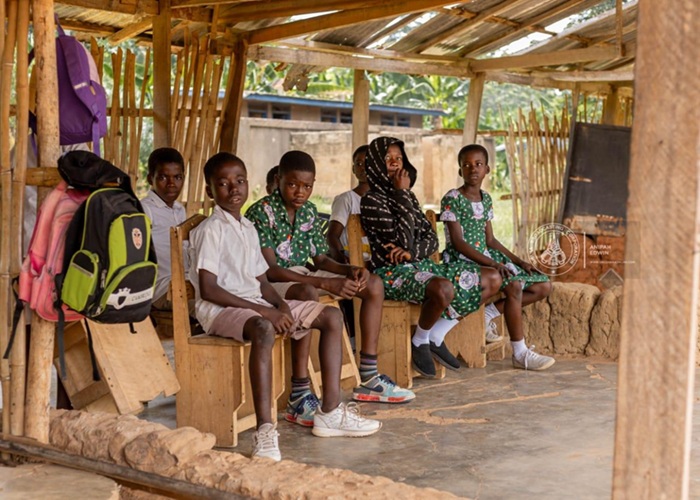
The ramshackle classroom structure looks like one that could cave in in the case of a heavy storm and, according to the teachers, teaching and learning become impossible when the rains set in.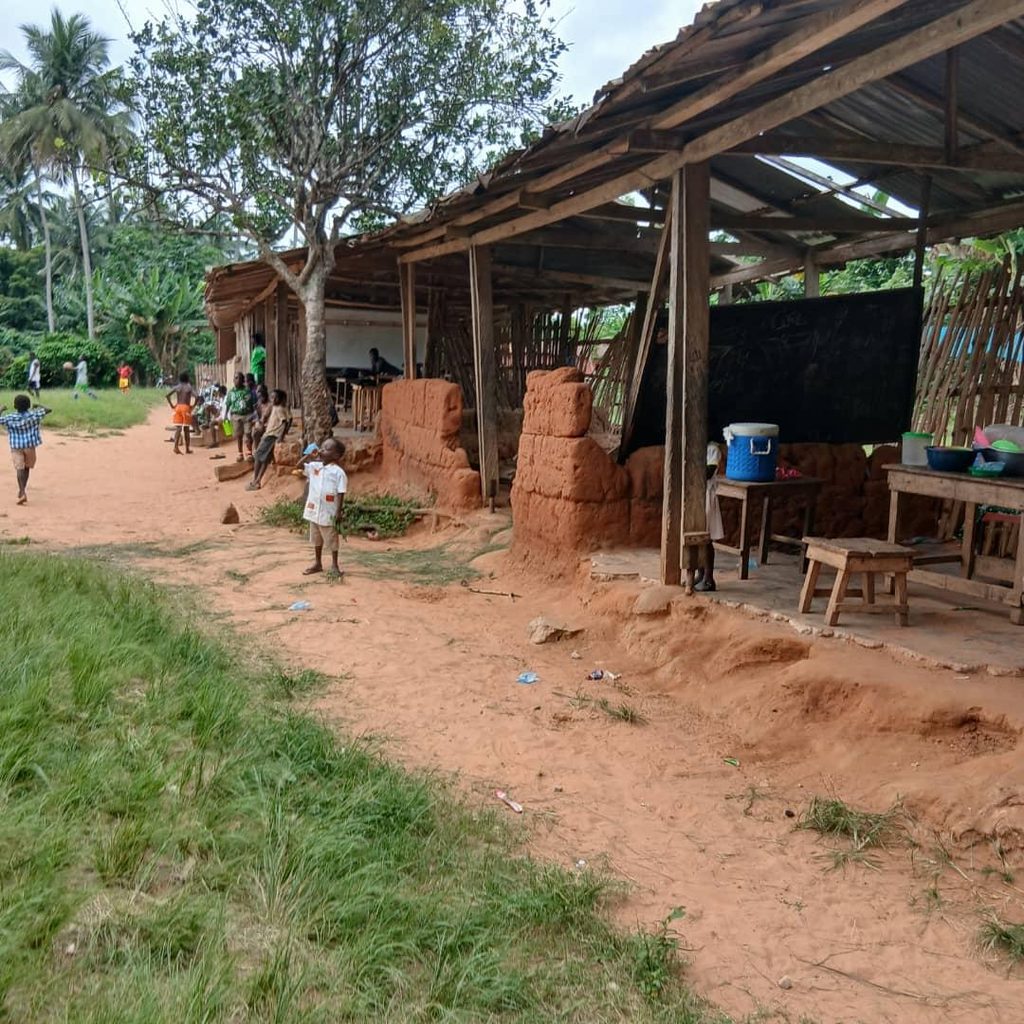
The structure, which accommodates pupils from Primary Four to Six, has worn-out roofing sheets, mud walls and sections supported by wood used as pillars.
A source at the school, who requested anonymity, told The Spectator in an interview that the situation was particularly difficult during the rainy season.
“When it rains, it means teaching and learning would come to an end,” he said.
The source explained that the challenge affected only the upper primary section, as pupils from Kindergarten to Primary Three were housed in a relatively better block.
According to the source, about 30 pupils from Primary Four to Six currently use the dilapidated structure, but expressed grave concern about its condition.
The source, however, said that the safety of the pupils, their furniture and books remained a concern, particularly during heavy rains.
The source said the situation had been reported to the relevant authorities and was hopeful that the structure would eventually be reconstructed.
Some pupils sitting in one of the classrooms
Despite the visit to the school, authorities indicated that work would be undertaken, but the school was yet to receive further information on when the project would begin.
The source also identified the poor road network to the school as another challenge affecting enrolment, saying the school serves pupils from Percheyire and three neighbouring communities.
It also emerged that an enrolment drive embarked upon in one of the communities, Togodo, showed that more than 60 school-going children lived in the community, but were unable to attend the school regularly because of the distance and poor road.
The school currently has about 110 pupils from Kindergarten through Junior High School, according to the source.
The source said improving both the classroom infrastructure and the road network would help create a more conducive learning environment and potentially improve enrolment.
A former teacher of the school, Rev. Elizabeth Korasare, said she was surprised to find the structure still in use after 38 years.
“I was surprised to see that the classroom I sat in 38 years ago is in the same state. Even though there are some new blocks, the upper primary is still housed in that same dilapidated structure,” she told The Spectator.
She therefore appealed to the relevant stakeholders to support the school by building a modern structure and improving the road network.
By Esinam Jemima Kuatsinu
SKIP THE QUEUE, TAP THE NEWS
You can now read the Ghanaian Times and The Spectator newspapers from the comfort of your device via TimesNewsPlus.
Join our WhatsApp Channel: https://whatsapp.com/channel/0029VbBElzjInlqHhl1aTU27