News
Winning trust: A reluctant father’s change of heart on vaccination for his child

- /home/u249204778/domains/spectator.com.gh/public_html/wp-content/plugins/mvp-social-buttons/mvp-social-buttons.php on line 27
https://spectator.com.gh/wp-content/uploads/2025/02/A-group-picture-of-the-team-and-the-family-after-successful-vaccination-1000x600.jpg&description=Winning trust: A reluctant father’s change of heart on vaccination for his child', 'pinterestShare', 'width=750,height=350'); return false;" title="Pin This Post">
- Share
- Tweet /home/u249204778/domains/spectator.com.gh/public_html/wp-content/plugins/mvp-social-buttons/mvp-social-buttons.php on line 72
https://spectator.com.gh/wp-content/uploads/2025/02/A-group-picture-of-the-team-and-the-family-after-successful-vaccination-1000x600.jpg&description=Winning trust: A reluctant father’s change of heart on vaccination for his child', 'pinterestShare', 'width=750,height=350'); return false;" title="Pin This Post">
In the Ketu North District of Ghana, Erica Doe Hormeku, a passionate Community Health Nurse (CHN) at the Kasu Health Centre, dedicates herself to ensuring every child receives their routine immunisation.
Brimming with enthusiasm and commitment, Erica tirelessly follows up with caregivers, even those hesitant about vaccinating their children.
Despite her best efforts, there are a few who remain adamant, which worries her deeply.
“Some caregivers refuse vaccination for their children, and we follow up to talk to them. Many of these cases have been overturned, but others remain. My fear is that such attitudes are ‘infectious’ and could potentially impact vaccine uptake,” Erica shares.
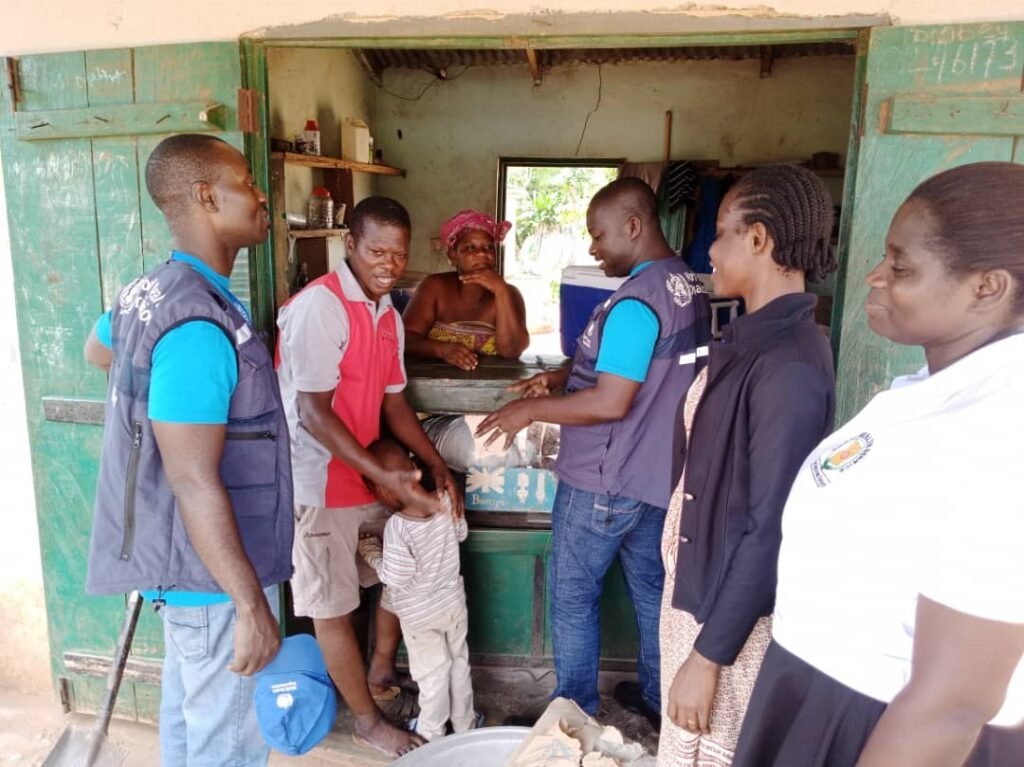
One such case involved David, a 46-year-old teacher and father of four, who refused to have his youngest child, Dennis, vaccinated, even though his other children were fully vaccinated and remained healthy.
At three years old, Dennis had only received the Bacillus Calmette-Guerin (BCG) vaccine at birth. Under Ghana’s national immunisation schedule, Dennis should have completed his routine vaccinations by 18 months. However, missed doses can still be administered until age five.
David’s reluctance stemmed from a deep mistrust of vaccines. “My parents told me I was not given any vaccines as a child, but I am healthy. These vaccines contain germs that cause illness instead of the so-called protection. I want to use my son to prove to everyone that vaccines are not relevant,” he stressed when health workers visited his home.
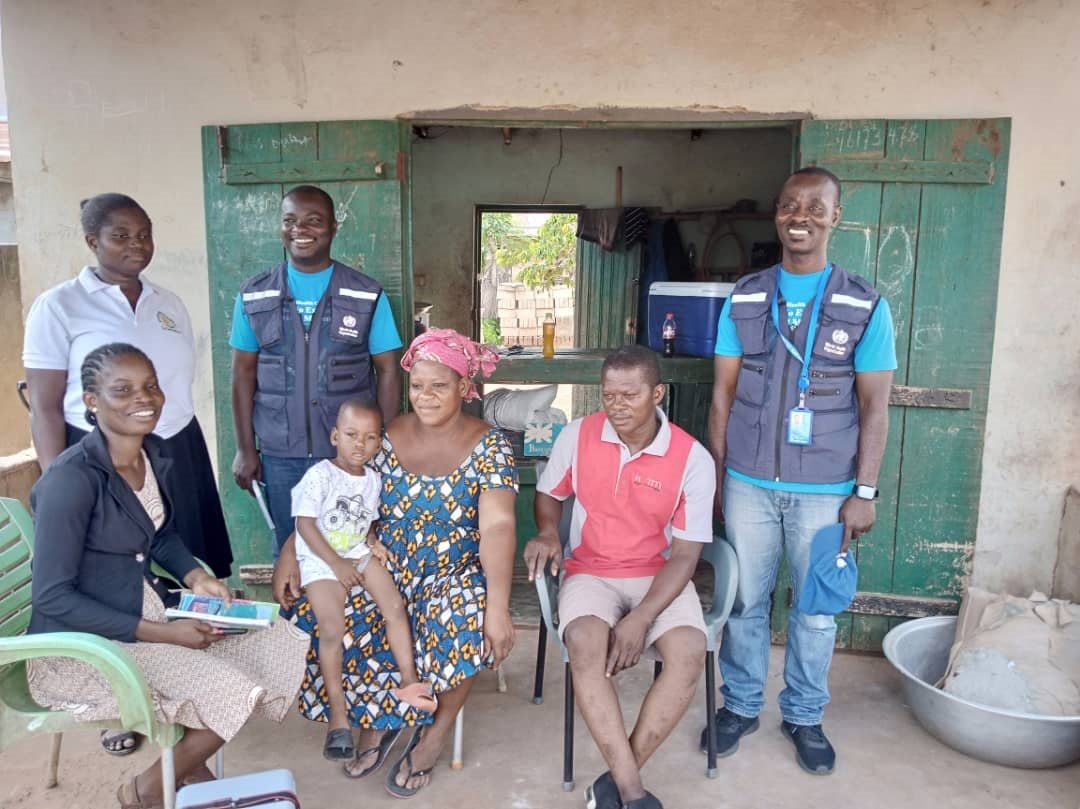
Thanks to funding from Canada Global Initiative for Vaccine Equity (CanGIVE), Erica and a team from World Health Organisation (WHO) Ghana made a follow-up visit to David’s home. They spent time explaining to him and his partner, Janet, the benefits of vaccination, the safety measures in place, and the risks of leaving a child unvaccinated.
Dr Kwadwo Asante-Afari, WHO’s Technical Officer for Risk Communication and Community Engagement, shared his expertise during the discussion, saying, “Vaccines have contributed significantly to the reduction of deaths and illness, especially among children. Some diseases, including measles and polio, that once killed and maimed children are no longer encountered as often.”
After a thorough conversation, David’s stance began to shift. “I see the importance now, and I want to make sure my son is protected,” he said, agreeing to allow Dennis to receive his missed vaccines. A vaccination plan was created with input from the family, addressing concerns about multiple injections. Dennis was immediately vaccinated with oral polio vaccine, inactivated polio vaccine, pentavalent vaccine, and pneumococcal conjugate vaccine, with a follow-up schedule to complete the remaining doses.
Dennis’ mother, Janet, expressed her relief, saying, “It has always been my prayer that my partner agrees to Dennis’ vaccination just as the other children, and I am happy you defied the terrain and came this far to speak with him. I now have the assurance of my son’s protection against vaccine-preventable diseases.”
Gariba Abubakar Sumaila, the District Director of Health Services, acknowledged the positive impact of the intervention. “We shall work with the family to complete Dennis’ vaccination as planned. WHO’s intervention has been very impactful and will go a long way to strengthen demand for immunisation beyond this case. We have learned a lot from your approach and will scale it up to ensure every child benefits from vaccination”, he explained.
This successful engagement not only ensured Dennis received his vaccination but also strengthened community trust in immunisation. It’s a reminder that changing hearts and minds requires patience, dedication, and a commitment to protecting future generations.






Women have been asked not to dismiss painless lumps in the breast, as the absence of pain does not mean a lump is harmless.
A Specialist Radiation Oncologist at the Korle-Bu Teaching Hospital, Dr Mary Ann Dadzie, said women should seek medical attention promptly whenever they noticed any unusual changes in the breast.
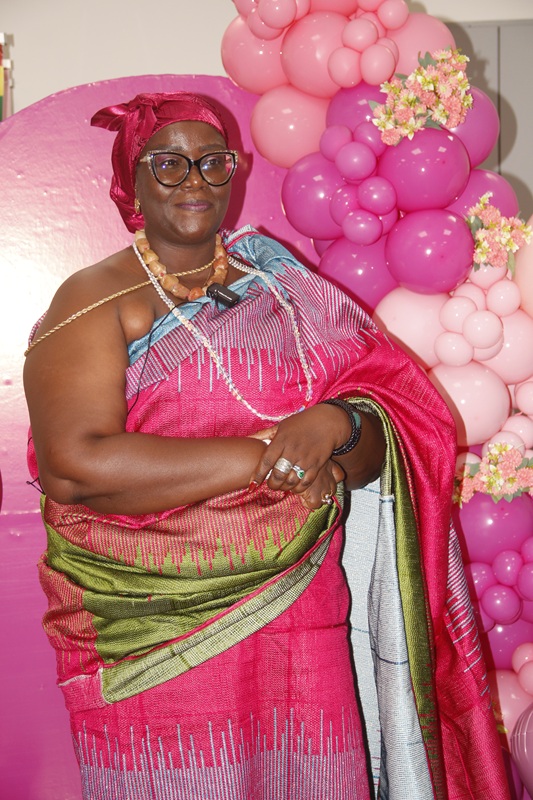
“A painless lump is not a harmless lump. You need to take action and not wait for pain,” she said.![Prof.Dr.Grace Ayensu-Danquah [middle] launching of Breast Cancer Awarencss Mouth with Dr.Caroline Reindorf Amissah[second from right] and other officials Photo Okai Elizabeth.](https://spectator.com.gh/wp-content/uploads/2026/10/Prof.Dr_.Grace-Ayensu-Danquah-middle-launching-of-Breast-Cancer-Awarencss-Mouth-with-Dr.Caroline-Reindorf-Amissahsecond-from-right-and-other-officials-Photo-Okai-Elizabeth.jpg)
Dr Dadzie made the call at the 2026 national launch of Breast Cancer Awareness Month, held on the theme, “early action, better outcomes.”
She expressed concern that about 45 per cent of breast cancer patients seen at Korle-Bu failed to return after starting treatment.
According to her, some patients began treatment but later stopped reporting to the hospital, leaving health professionals uncertain about their wellbeing.
She attributed the situation to several factors, including fear of death, financial difficulties, long distances to health facilities, lack of time and stigma.
Dr Dadzie urged women to know their breasts and seek medical attention within two weeks of noticing any abnormality.
She said warning signs could include a lump or thickening in the breast or armpit, changes in breast size, an inverted nipple, nipple discharge and changes in the skin, including redness, sores or an orange-peel appearance.
She cautioned women not to assume they were safe simply because they had no family history of breast cancer, explaining that only about five to 10 per cent of women with the disease had a familial or genetic mutation.
Dr Dadzie encouraged women to undergo regular clinical breast examinations and discuss appropriate screening options, including mammography and ultrasound, with health professionals.
She also called on families, particularly husbands and partners, to support women who needed breast examinations or treatment.
“Home is where the support begins,” she said, urging families to provide practical assistance such as transportation and childcare.
Dr Dadzie further appealed for breast cancer services to be brought closer to communities through increased access to mammography, ultrasound and biopsy services, as well as the training of more health professionals.
The Deputy Minister of Health, Prof. Dr Grace Ayensu- Danquah, said breast cancer remained a major health concern among women in Ghana, with an estimated 4,650 new cases and about 2,060 deaths recorded annually.
She said Ghana’s breast cancer response focused on prevention, early detection, equitable access to treatment and compassionate care.
Dr Ayensu-Danquah said the country was working to strengthen awareness, clinical breast examinations, referral systems, pathology and diagnostic services to improve breast cancer outcomes.
The World Health Organisation (WHO) representative, Dr Joana Ansong, said too many women continued to present with advanced breast cancer, resulting in avoidable suffering and deaths.
She called for stronger health education, timely diagnosis, rapid referral and equitable access to comprehensive treatment and support.
Dr Ansong said breast cancer awareness should move beyond campaigns to sustained action involving government, communities, health professionals, civil society organisations, the private sector and families.
By Esinam Jemima Kuatsinu
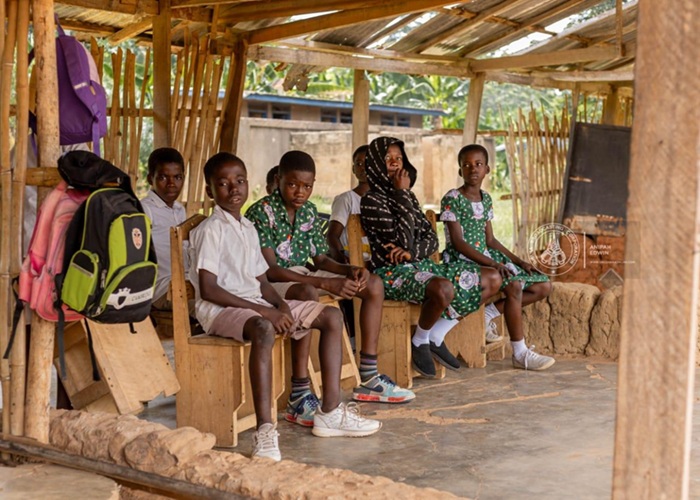
Authorities of Percheyire R/C Basic School in the Yilo Krobo District of the Eastern Region are concerned about the safety of teachers and learners of the school, as reports of the condition of the structure appear to have fallen on deaf ears.
The ramshackle classroom structure looks like one that could cave in in the case of a heavy storm and, according to the teachers, teaching and learning become impossible when the rains set in.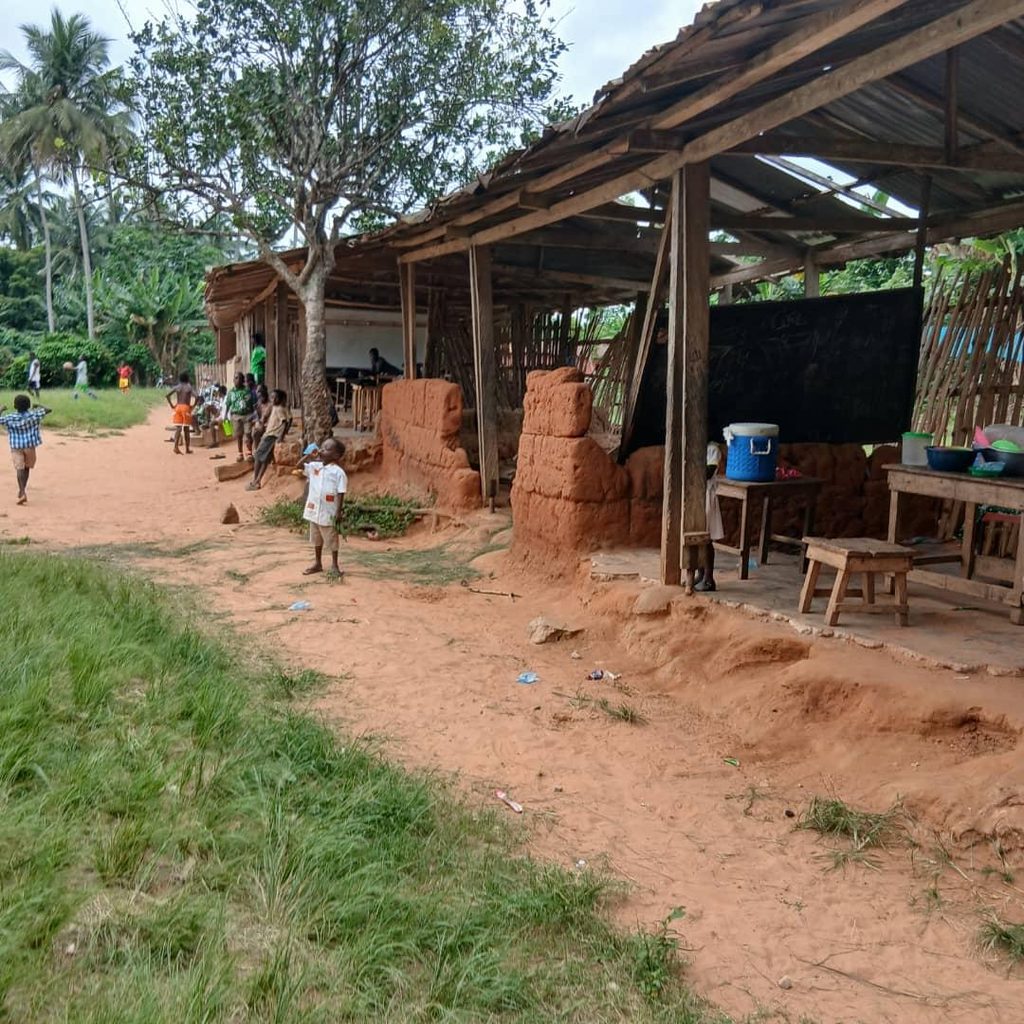
The structure, which accommodates pupils from Primary Four to Six, has worn-out roofing sheets, mud walls and sections supported by wood used as pillars.
A source at the school, who requested anonymity, told The Spectator in an interview that the situation was particularly difficult during the rainy season.
“When it rains, it means teaching and learning would come to an end,” he said.
The source explained that the challenge affected only the upper primary section, as pupils from Kindergarten to Primary Three were housed in a relatively better block.
According to the source, about 30 pupils from Primary Four to Six currently use the dilapidated structure, but expressed grave concern about its condition.
The source, however, said that the safety of the pupils, their furniture and books remained a concern, particularly during heavy rains.
The source said the situation had been reported to the relevant authorities and was hopeful that the structure would eventually be reconstructed.
Some pupils sitting in one of the classrooms
Despite the visit to the school, authorities indicated that work would be undertaken, but the school was yet to receive further information on when the project would begin.
The source also identified the poor road network to the school as another challenge affecting enrolment, saying the school serves pupils from Percheyire and three neighbouring communities.
It also emerged that an enrolment drive embarked upon in one of the communities, Togodo, showed that more than 60 school-going children lived in the community, but were unable to attend the school regularly because of the distance and poor road.
The school currently has about 110 pupils from Kindergarten through Junior High School, according to the source.
The source said improving both the classroom infrastructure and the road network would help create a more conducive learning environment and potentially improve enrolment.
A former teacher of the school, Rev. Elizabeth Korasare, said she was surprised to find the structure still in use after 38 years.
“I was surprised to see that the classroom I sat in 38 years ago is in the same state. Even though there are some new blocks, the upper primary is still housed in that same dilapidated structure,” she told The Spectator.
She therefore appealed to the relevant stakeholders to support the school by building a modern structure and improving the road network.
By Esinam Jemima Kuatsinu
SKIP THE QUEUE, TAP THE NEWS
You can now read the Ghanaian Times and The Spectator newspapers from the comfort of your device via TimesNewsPlus.
Join our WhatsApp Channel: https://whatsapp.com/channel/0029VbBElzjInlqHhl1aTU27