Health Essentials
Urinary tract infection is common, do not take it home!


Have you ever experienced a burning sensation while urinating? Did your urine have a strong smell? Were you also experiencing frequent urination at the time?
Then you may have had a Urinary Tract Infection. The above symptoms are but a few of the symptoms if it presents any.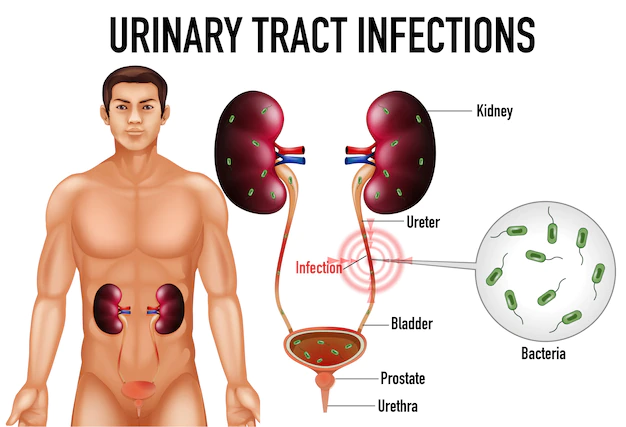
Urinary tract infections (UTIs) can occur in any part of your urinary tract – kidneys, ureters, bladder, or urethra. Infections of the lower urinary tract – the bladder and urethra – are most common.
Women are more likely to experience UTIs than men. Infections of the bladder can be uncomfortable and unpleasant, but if a UTI spreads to your kidneys, serious consequences can occur.
There are not always symptoms associated with urinary tract infections, but when they do occur they may include:
- A strong, persistent urge to urinate
- Burning sensations when urinating
- Routinely passing small amounts of urine
- Cloudy urine
- Blood in the urine may appear red, bright pink, or cola-coloured
- Strong-smelling urine
- A woman may experience pelvic pain, especially in the area of the pubis
Elderly adults are more likely to overlook UTIs or confuse them with other conditions.
Infections can occur in different parts of the urinary tract, and they are called by different names depending on where they happen.
- Cystitis of the bladder can cause you to pee excessively or to feel pain when you do. It can also cause you to have cloudy urine or blood in your urine.
- Pyelonephritis (kidneys) can result in fever, chills, nausea, vomiting, and upper back pain and discomfort.
- Urethritis may cause a discharge and pain when you urinate.
Bacteria entering the urinary tract through the urethra and multiplying in the bladder often cause urinary tract infections. Even though the urinary system is designed to protect against such bacteria, these defences sometimes fail. If that occurs, bacteria could take hold and grow into a full-blown infection in the urinary tract.
- Infection of the bladder (cystitis). In this type of UTI, Escherichia coli (E. coli), a type of bacteria commonly found in the gastrointestinal tract (GI), is responsible for the infection. However, other bacteria can also cause infection. Sexual intercourse may lead to cystitis, but you don’t have to be sexually active to develop it. A woman’s anatomy makes her vulnerable to cystitis, especially the short distance between the urethra and anus and the opening along the urethral wall that leads to the bladder.
- Infection of the urethra (urethritis). In this type of UTI, GI bacteria spread from the anus to the urethra. Additionally, because the female urethra is located close to the vagina, infections such as herpes, gonorrhoea, chlamydia, and mycoplasma may cause urethritis.
Women are prone to urinary tract infections, and many experience more than one infection in their lifetime. Specific risk factors for women include:
- Female anatomy. Women have a shorter urethra than men, which makes it easier for bacteria to reach the bladder.
- Sexual activity. Women who are sexually active tend to have more UTIs than those who aren’t. Switching partners also increases your risk.
.
- Birth control methods. Women who use diaphragms for birth control, as well as those who use spermicidal agents, may be at higher risk.
- Menopause. As estrogen levels decline during menopause, you become more susceptible to infections in the urinary tract.
- Abnormalities of the urinary tract. The risk of UTIs is higher in babies born with abnormalities of the urinary tract that prevent urine from leaving the body normally or cause urine to back up in the urethra.
- Urinary tract obstructions. UTIs can be caused by kidney stones or an enlarged prostate that trap urine in the bladder.
- A suppressed immune system. The risk of UTIs increases with diabetes and other diseases that impair the immune system.
- Catheter use. An increased risk of UTIs exists for people who can’t urinate on their own and use a tube (catheter). The category may include people who are hospitalised, people with neurological problems that make it hard for them to control their bladder function, and people who are paralysed.
- Recent urological surgery. An exam of your urinary tract with medical instruments or a surgery on your urinary tract can both place you at risk for urinary tract infections.
Infections of the lower urinary tract rarely result in complications when they are treated promptly and properly. An untreated urinary tract infection, however, can cause serious complications.
Complications of a UTI may include:
- Recurring infections, especially in women who experience more than two UTIs in a six-month period or four or more within a year.
- Acute or chronic kidney infection (pyelonephritis) caused by an untreated UTI that permanently damages the kidneys.
- Pregnant women are more likely to deliver low birth weight or premature babies.
- Men with recurrent urethritis have narrowing (stricture) of the urethra, a condition previously seen with gonococcal urethritis.
- Infections can lead to sepsis, which is a potentially life-threatening complication, especially if the infection goes into your urinary tract or kidneys.
Here are some steps you can take to reduce your risk of urinary tract infections:
- Drink plenty of liquids, especially water. Drinking water helps dilute your urine and ensures that you’ll urinate more frequently — allowing bacteria to be flushed from your urinary tract before an infection can begin.
- Drink cranberry juice. Although studies are not conclusive that cranberry juice prevents UTIs, it is likely not harmful.
- Wipe from front to back. Doing so after urinating and after a bowel movement helps prevent bacteria in the anal region from spreading to the vagina and urethra.
- Empty your bladder soon after intercourse. Also, drink a full glass of water to help flush bacteria.
- Avoid potentially irritating feminine products. Using deodorant sprays or other feminine products, such as douches and powders, in the genital area can irritate the urethra.
- Change your birth control method. Diaphragms, or unlubricated or spermicide-treated condoms, can all contribute to bacterial growth.
Source:
Maureen Masopeh and Tina Amarh
Content Creators
Health Essentials Ghana Limited
References:
- Mayoclinic.org
- Webmd.com
By Dr. Kojo Cobba Essel



IF you truly love yourself, you had better read this piece while standing!
The other “inactivity” that rivals sitting for long periods when it comes to poor health and untimely death is LONLINESS! Sitting and Loneliness are the new Smoking.
It is often common to hear a parent tell a child, “Sit quietly and watch television and I will make a quick dash to town.” Well, this harmless and well-meaning statement is now being vilified. That parent could have said “smoke a few sticks of cigarettes while I dash off to town.” Yes “sitting is the “new” smoking.”
Scientists: they keep coming up with many weird findings and unfortunately, we realise after much ado that they may be right. People with sitting jobs have twice the rate of cardiovascular (heart & blood vessel) diseases as those with standing jobs – the bankers are cringing in their seats I bet.
It appears that compared to sitting,
• Sitting continuously brings similar challenges that smoking poses a gossip team. After an hour of sitting, if you walk for a minute or two.
Standing is hard work. Imagine that you need to engage many muscles to stand upright, and this burns energy. Sitting on the other hand is extremely relaxing.
When we sit, the “physiology of inactivity” kicks in and when we think we are relaxing in a chair made from heaven, our body instead rewards us with many bad things; enzymes that break down fat may drop by about 90 per cent calorie burning drops to frightening low levels and soon good cholesterol that protects us also drops. If you sit long enough even your insulin effectiveness drops and you will be courting diabetes in the long run.
I sincerely believe in getting a workout during the day, but you should not think that it gives you a license to sit at your desk for hours on end. We should ensure that we get up from our desk to walk briefly or even stretch. I am not giving you an excuse for loitering around your office or forming ings. When you have a meeting with a handful of people you could lace your boots and start walking while you talk. Who knows being out of a box (office etc) could help you think “out of the box” or even think like “there is no box”. The best aspect of such a meeting is people are more attentive since they are unable to fidget with their smart phones and other gadgets.
All lectures and classes (children are really suffering in school these days) should have a “Heart Preserving” five-minute break after every hour. Spend that time walking and stretching.
All long movies should have commercial breaks that should be used to at least stand
Whenever in doubt, at least stand for a while.
Well some people are trying innovative ways of even having small treadmills at their desk that keeps them moving, others are adopting a new chair design that essentially makes you stand at your desk, a few others sit on exercise balls that forces them to adjust their positions all the time but for the rest of us simply taking breaks and using every opportunity to move is just what the doctor prescribed.
AS ALWAYS LAUGH OFTEN, ENSURE HYGIENE, WALK AND PRAY EVERY DAY AND REMEMBER IT’S A PRICELESS GIFT TO KNOW YOUR NUMBERS (blood sugar, blood pressure, blood cholesterol, BMI)
Dr. Kojo Cobba Essel
Health Essentials/Medics Clinic
(www.healthessentialsgh.com)
Dr. Essel is a medical doctor with a keen interest in Lifestyle Medicine, He holds an MBA and is ISSA certified in exercise therapy, fitness nutrition and corrective exercise. He is the author of the award-winning book, ‘Unravelling The Essentials of Health & Wealth.’
Thought for the week – For good heart health; exercise often, eat healthy, do not smoke, minimise alcohol and sit less
By Dr. Kojo Cobba Essel
Join our WhatsApp Channel now!
https://whatsapp.com/channel/0029VbBElzjInlqHhl1aTU27


I have on several occasions referred to laughter as the “best medicine” just as many others do and over the years, I have expanded my knowledge on the benefits of laughter. We all need to laugh daily and that’s the prescription given by the best doctors all over the world.
I came across the quote “Laughter is the best medicine. Unless you’re laughing for no reason….then you need medicine.” It sounds great and will get you laughing or at least smiling yet I beg to differ. My advice: find a reason to laugh no matter what and if you find none laugh anyway.
A few years ago, I decided to spend my first three hours of being awake laughing or smiling no matter what. It set the tone for a successful day. I did not bother about the early morning traffic, neither did I scream or honk at careless drivers but I guess as the years dragged on and the reality of fuel price hikes, electricity challenges and an ailing Ghana economy among many others hit home, the smile and laughter faded but I ALWAYS get back once I realise I am “short-changing” myself. No matter the struggles you may be facing, remember laughing or smiling will surely make your day so much better.
My prescription for you and myself is “Laugh at least five minutes in the morning and five minutes at the end of the day” no matter what. Do it even if you have no reason to.
Now what does science say about laughter?
1. It helps make the world a better place
a. Laughter is contagious so set the ball rolling by laughing and many others will join in the fun.
2. You learn better
Well, no need to get all serious and mean while you learn something new. A good dose of laughter while you learn may actually make the process more efficient. Word of caution, DO NOT distract others by laughing in an annoying way.
3. You get a health boost
a. We know this, right? I found out that laughter may actually increase good cholesterol while lowering inflammation. We do need more data on this but really, keep laughing, it can’t possibly harm you.
4. Makes you more robust
a. A nervous laughter when your back is against the wall? Laughter helps regulate your emotions in a difficult situation. Crying or frowning is unlikely to have positive returns.
5. Lowers stress and improves memory
a. Stress hormones, especially in the elderly, is reduced by laughter and one’s ability to remember gets a much-needed spike.
6. Makes you more attractive
a. People are always attracted to a “smiling face” or someone who laughs often. They make the party come alive.
7. Improves your relationship
a. Whether you are negotiating a deal at work, interacting with family or friends; laughter creates stronger bonds leading to better outcomes and building stronger relationships.
8. May help burn off some calories
Now I may be pushing this too much, but truth is laughter does raise your energy expenditure and heart rate. Though the calories you burn may be fewer per bout of laughter, every positive thing adds up for our good.
9. Boosts immune function and enhances sleep
a. Say goodbye to frequent common colds and laying in bed for long hours listening to the dogs in the neighbourhood “chitchatting”, a leaking tap dripping or worse still a snore within earshot that will compete with Louis Armstrong on the trumpet.
b. Combine laughter with your daily dose of exercise, and your winning combination is a reality.
10. May improve blood pressure and relax muscles
a. I will not advise you to drop your medication for all day laughter but I am sure laughter will play a positive role in reducing stress, giving you a feeling of wellbeing, relaxing your muscles in the process and your blood pressure may be sending you a thank you beat sooner than later.
Good health, improved learning ability and an enviable memory packaged with an attractive personality and a penchant to build strong relationships sounds like a team player who is destined for success in all fields. That you may agree will make your trips to the bank exciting and of course cause you to laugh all the way to the bank. The cycle repeats itself.Have you had your daily dose of laughter yet?
AS ALWAYS LAUGH OFTEN, ENSURE HYGIENE, WALK AND PRAY EVERYDAY AND REMEMBER IT’S A PRICELESS GIFT TO KNOW YOUR NUMBERS (blood sugar, blood pressure, blood cholesterol, BMI)
Dr. Kojo Cobba Essel
Health Essentials Ltd/Medics Clinic
(www.healthessentialsgh.com)
*Dr. Essel is a Medical Doctor with a keen interest in Lifestyle Medicine, He holds an MBA and is an ISSA Specialist in Exercise Therapy, Fitness Nutrition and Corrective Exercise. He is the author of the award-winning book, ‘Unravelling The Essentials of Health & Wealth.’
Thought for the week – “laughter is contagious – Laugh and the whole world laughs with you.”-
References:
1. Fulfillment Daily -7 science-backed reasons why laughing is good for you (2016)
2. Stanford Business
3. Someecards
By Dr. Kojo Cobba Essel
Join our WhatsApp Channel now!
https://whatsapp.com/channel/0029VbBElzjInlqHhl1aTU27