News
Tourism sector bags $3.312bn from “Year of Return initiative – Tourism Ministry

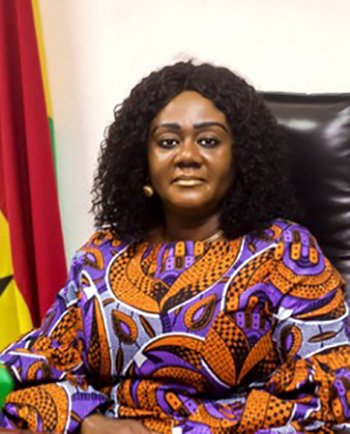
Tourism, Arts and Culture Minister, Barbara Oteng-Gyasi, has stated that the tourism sector as a result of the ‘Year of Return’ initiative has recorded US$3.312 billion in revenue.
“Mr Speaker, by the end of the year [2019], international arrivals reached 1.13 million from 956,372 in 2018; [representing] a 27 per cent growth which was above the global average of five per cent.
“The average expenditure per tourist increased from US$2,708 in 2018 to US$2,931 in 2019.
“The receipt attributed to tourism is therefore US$3.312 billion,” Mrs Oteng-Gyasi, the Member of Parliament for Prestea/Huni-Valley indicated in Parliament in Accra yesterday.
She was responding to a question asked by North Tongu Member, Samuel Okudzeto Ablakwa who sought to know the volume of visitors associated with the Year of Return initiative and its estimated economic impact on the country in the year 2019.
Mrs Oteng-Gyasi said the increased number of travellers to Ghana positively impacted private sector industries including airline companies, hotels, tour operators, restaurants, arts and craft dealers.
As result of the arrivals, she said several hotels in December announced 100 per cent occupancy in the month of December with arts centre merchants doubling their sales.
“In terms of expenditure areas, accommodation, at 41 per cent, was the highest area of expenditure, followed by food and beverages at 21 per cent, shopping at 14 per cent, local transportation at eight per cent, entertainment at five per cent and other spending at 11 per cent.”
Ghana, she reported, became the beacon of the new narrative and was hailed by many as showing leadership leading to President Nana Addo Dankwa Akufo-Addo being honoured by the African Union for the initiative.
During the period, she told the House that 126 diasporans were granted Ghanaian citizenship.
In addition to the economic impact, social such as schools, boreholes, and ICT centres in some selected communities across the countries have become legacies of the year of return, she said.
The minister estimated the media mileage to be in the millions of the U.S dollars with both local and international media organisations dedicating editorial spaces to the initiative.
“Me Speaker, the advertising value equivalence is estimated at US$3.5 million.
“The coverage on the year of return has changed the narrative about Africa and branded Ghana as the gateway to Africa and one of the top tourism and repatriation destinations in the world,” she stated.
To build on the success of the Year of Return, Mrs Oteng-Gyasi said ‘Beyond the Return’ a follow up initiative as initiated would be pursued to boost Ghana’s tourism industry.
BY JULIUS YAO PETETSI


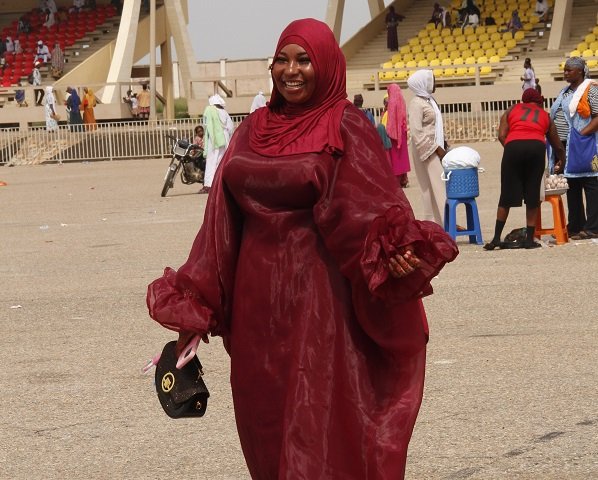
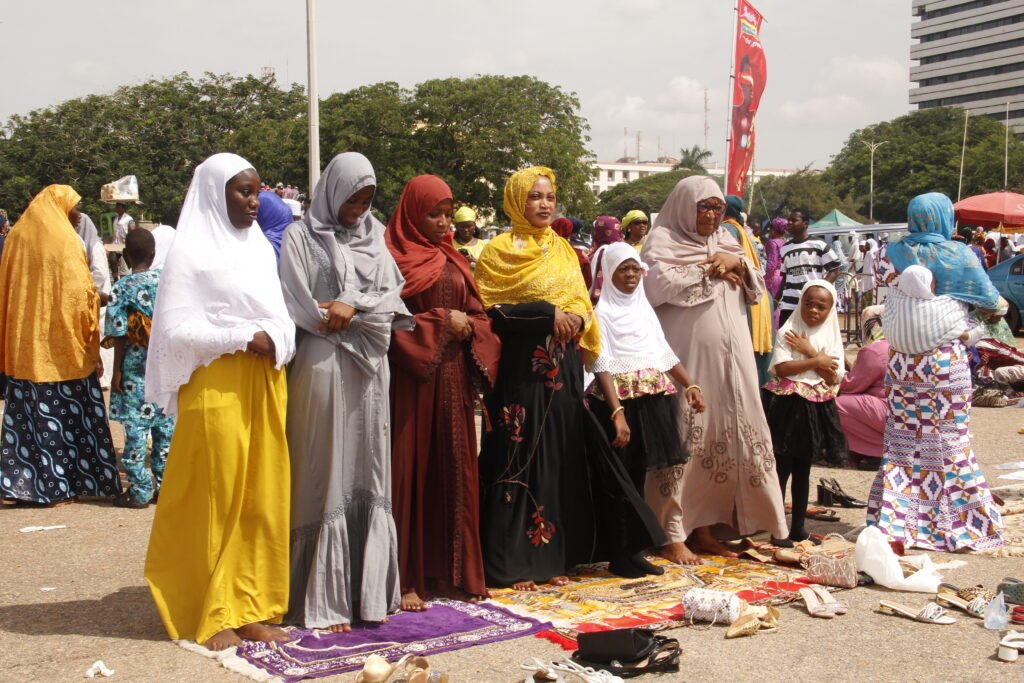
Muslims across the country celebrated this year’s Eid-ul-Adha in a colourful and spiritually uplifting atmosphere under the theme, “A Season of Sacrifice, Solidarity and Spiritual Renewal.”
The celebration brought together Muslims from diverse backgrounds in a remarkable display of faith, unity and cultural heritage.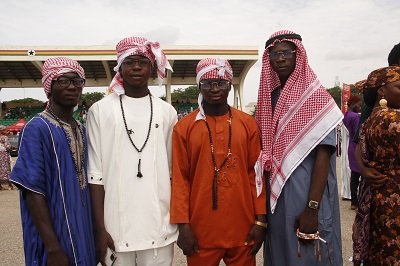
The occasion was marked by special Eid prayers at various designated grounds, the slaughtering of rams in homes for sharing among family members, friends and the less privileged, as well as musical concerts and recreational activities including horse riding.
Leading the celebration was the Chief Imam, Dr Sheikh Osman Sharubutu.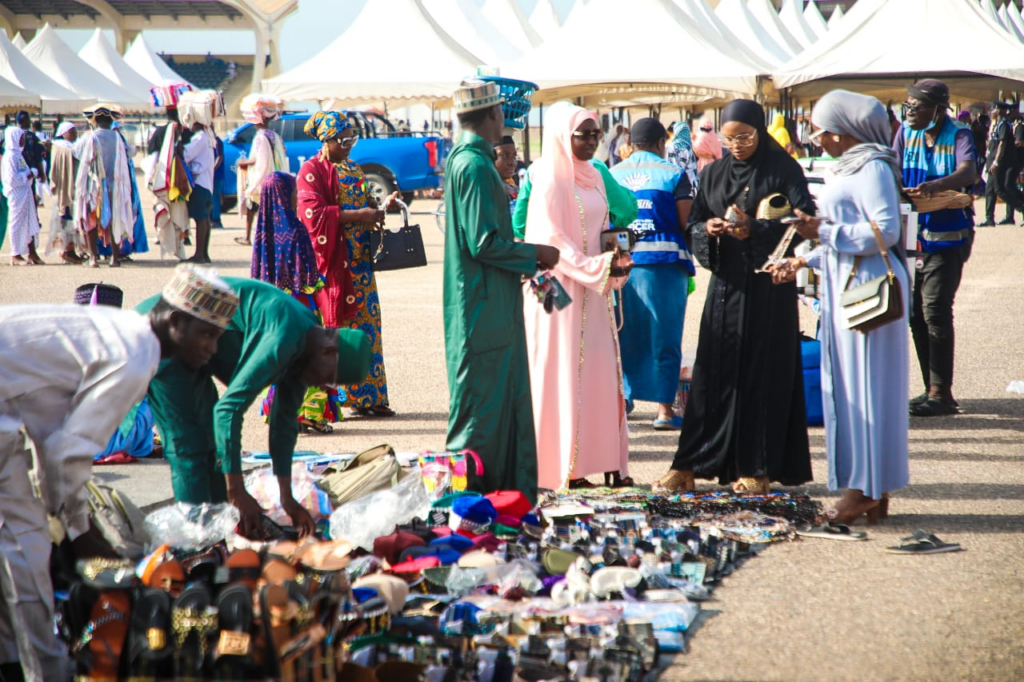
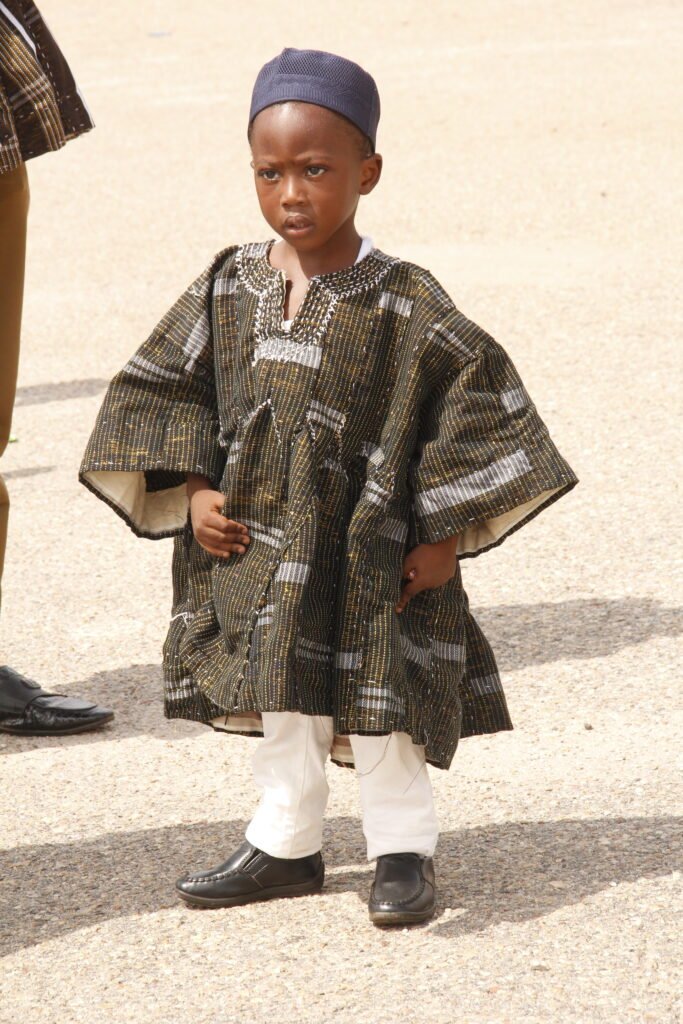
While the national celebration was held at the Black Star Square where President John Dramani Mahama was the Special Guest of Honour, similar gatherings took place at different centres across the capital and other regions of the country.
A visit by The Spectator to some celebration grounds revealed Muslims, both young and old, elegantly dressed in colourful jalabiya and other Islamic attire, reflecting the rich culture and traditions of the Muslim community.
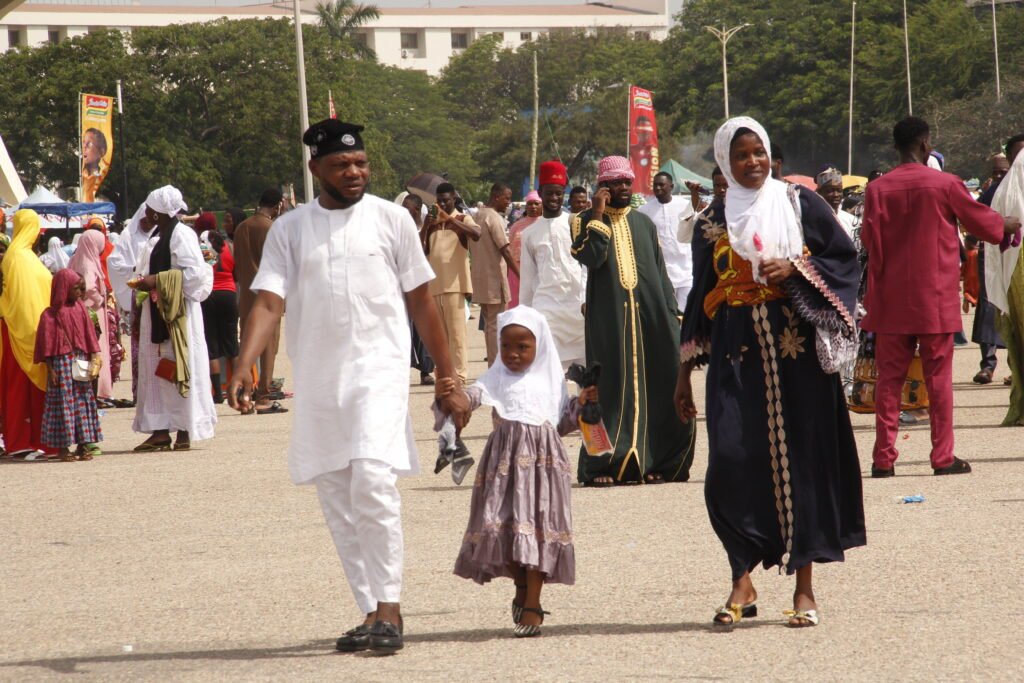
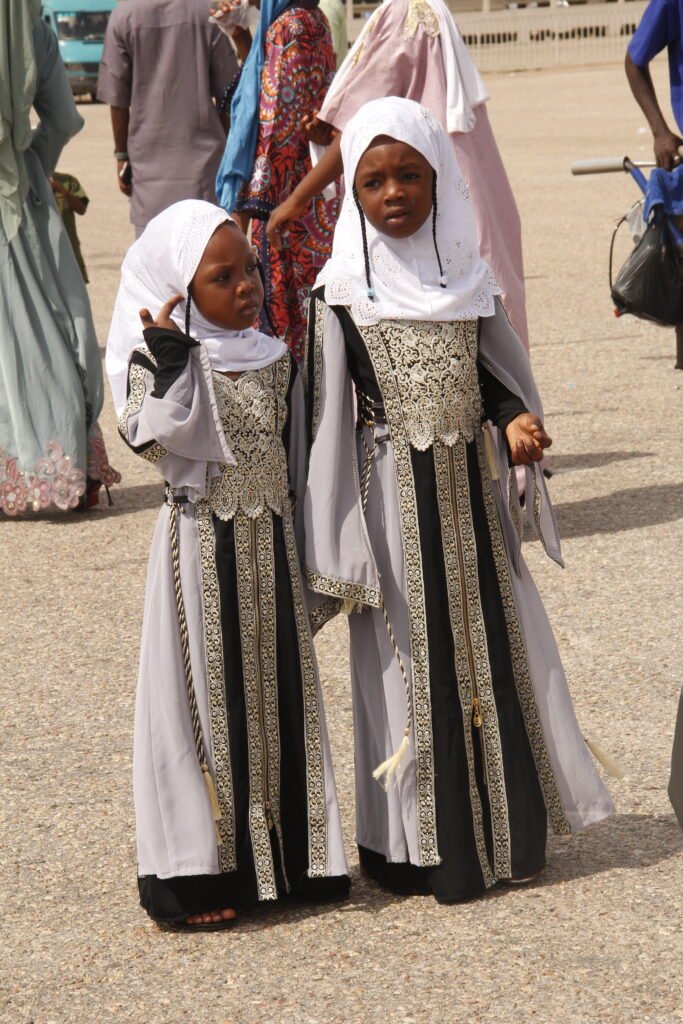
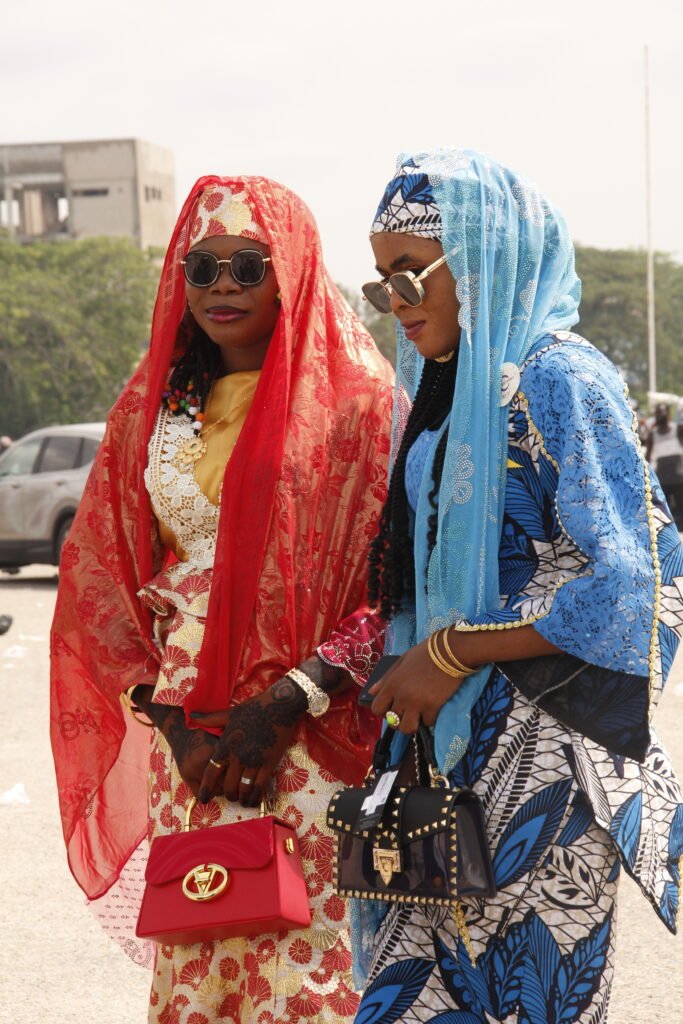
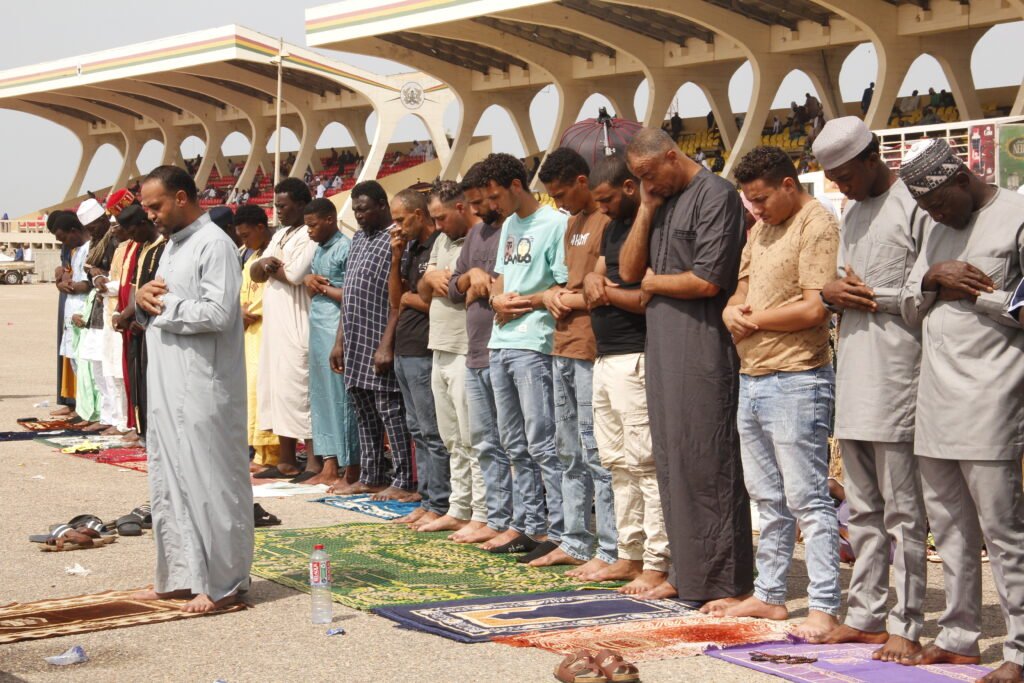
The celebration also portrayed the spirit of religious tolerance and peaceful coexistence in the country, as a number of Christians joined their Muslim counterparts to mark the occasion.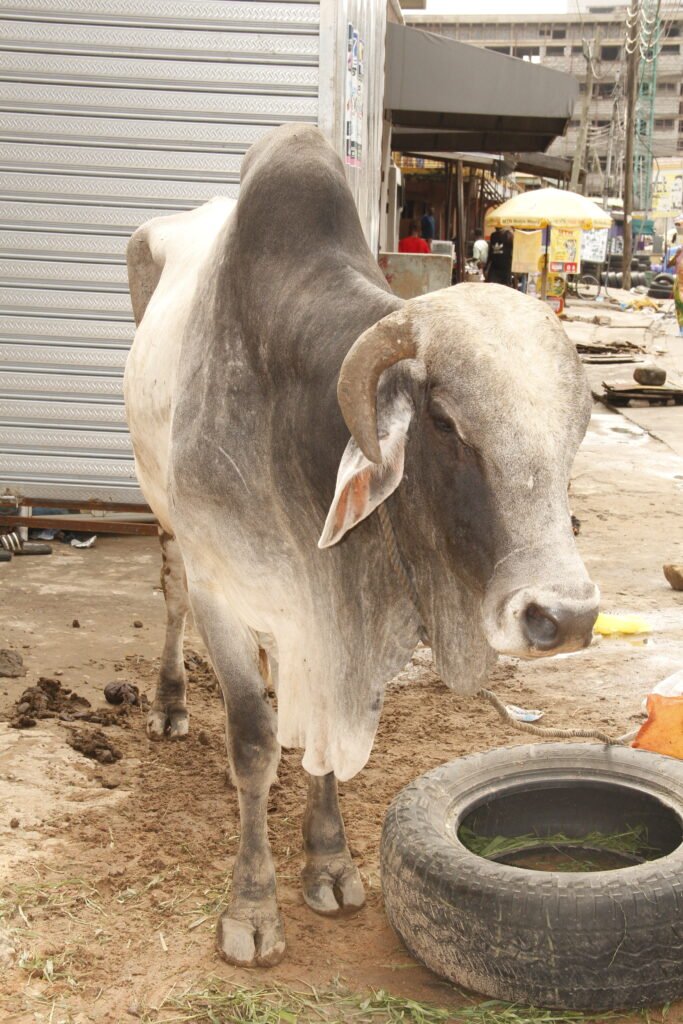
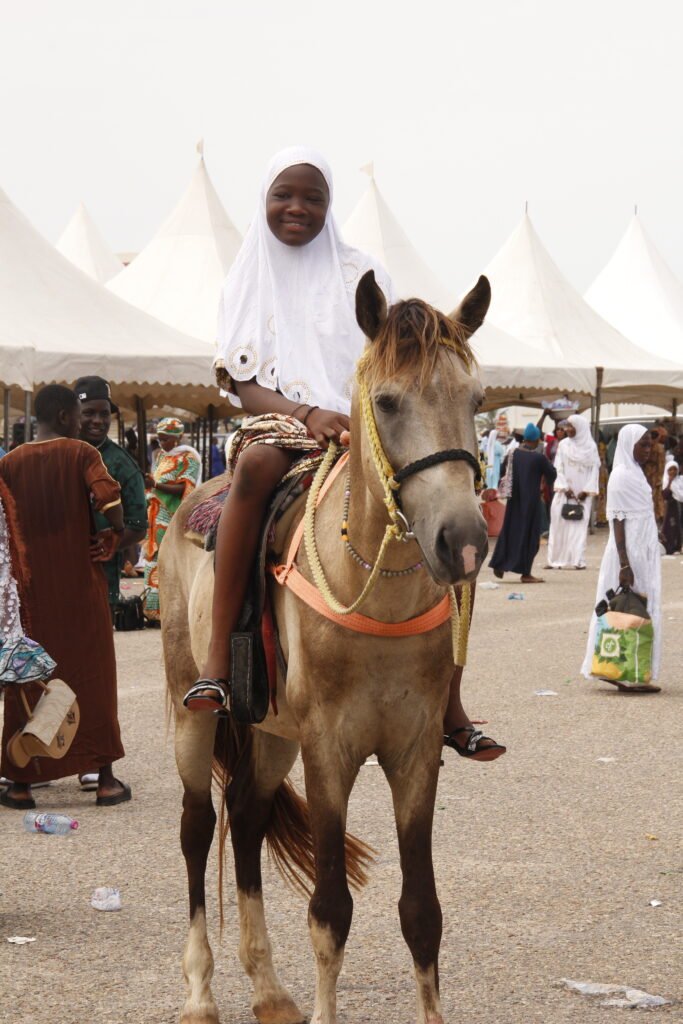
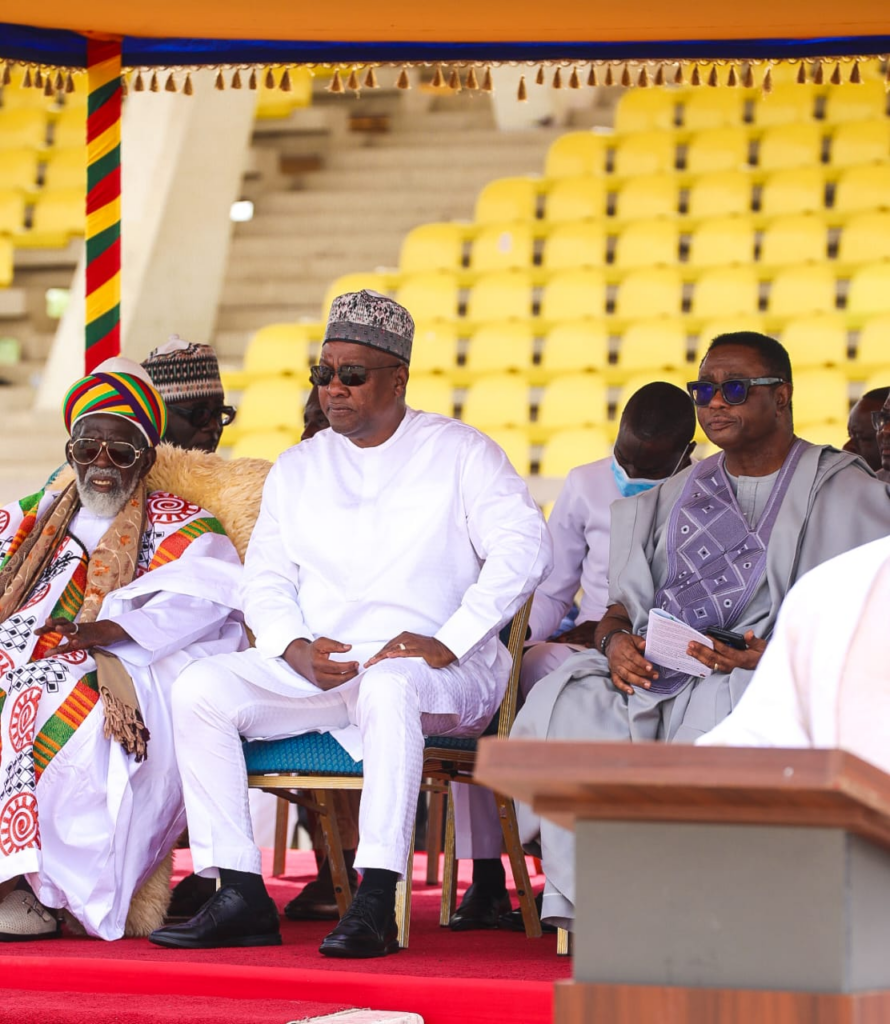
Muslim leaders and government officials used the opportunity to call on the faithful to uphold the teachings of the Holy Quran, renew their spiritual commitment and refrain from acts capable of undermining the peace, unity and security of the nation.
They further urged Ghanaians to continue to live in harmony and support one another for national development.
By Linda Abrefi Wadie
Dear Obaa Yaa,
During Eid-ul- Adha celebration, I decided to spend the weekend at my boyfriend’s place since we were planning towards our marriage.
To my surprise, what keeps me wide awake, restless and frustrated every single time is that he snores loudly like a generator running on full power, and I genuinely cannot get any rest
At a point, I thought it was just a normal thing, but I have realised it is something he does with ease and doesn’t see anything wrong with it.
When he steps out in the morning, I try to get enough sleep because I may not sleep in the evening.
The most annoying thing is that, he always wants to cuddle me. These two things are a no for me and a red flag.
We are about to get married, what should I do?
Enam, Keta.
Dear Enam,
The snoring and constant cuddling are frustrating, but you don’t have to choose between sleep and closeness.
Start with the snoring: check if it’s worse when he sleeps on his back, cut out alcohol before bed, try nasal strips or a humidifier, and see a doctor if he pauses while breathing.
For quick relief, foam earplugs or noise-cancelling headphones help a lot.
Separate blankets, a bigger bed, or sleeping apart on some nights often makes couples rest well and feel closer overall.
Bring this up before the wedding .Tell him you want to wake up next to him for years to come, but sleep deprivation makes you both miserable.
Test earplugs and side-sleeping this weekend, and if it’s still unbearable, bring in a doctor. Good sleep matters more for your marriage than staying glued together all night.