News
Nana Yaa Serwaa Sarpong advocates Bold educational reforms at the UK House of Lords during Global Education Summit.

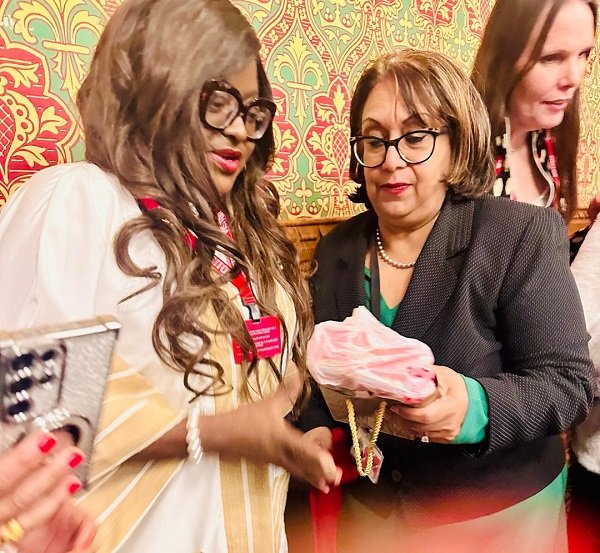
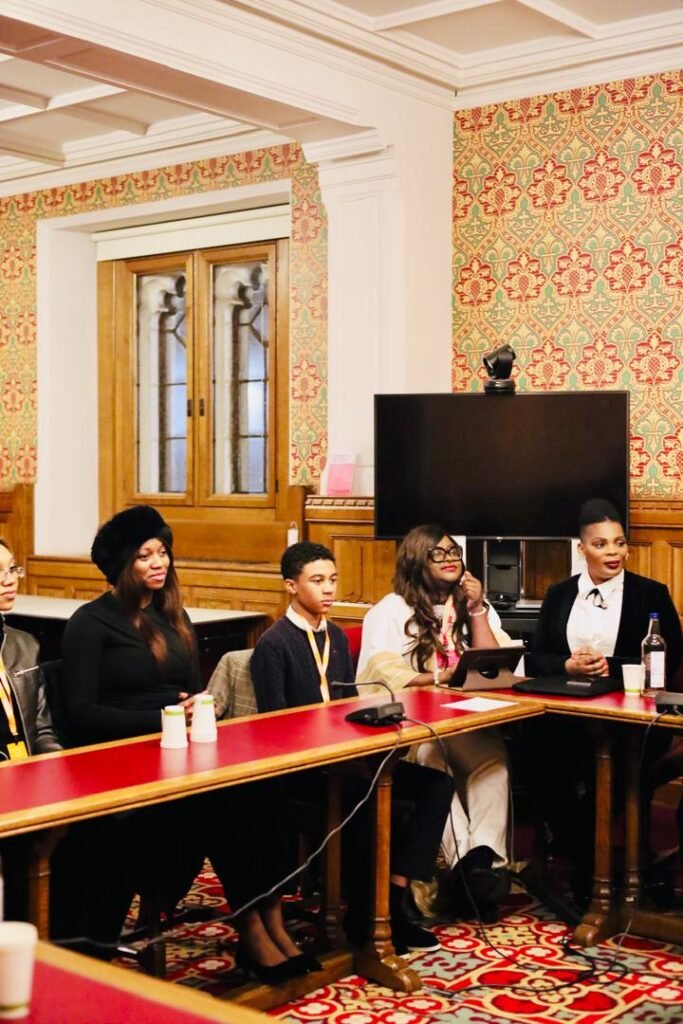
On November 27 2025, global development leaders, policymakers, education experts and civil society organisations gathered at the UK Parliament’s House of Lords for the Global Education Summit hosted by The Baroness Verma of Leicester and organised by the African British Business Forum.
The high-level event focused on the global rise in out-of-school children and the urgent reforms required to deliver equitable, quality education for all.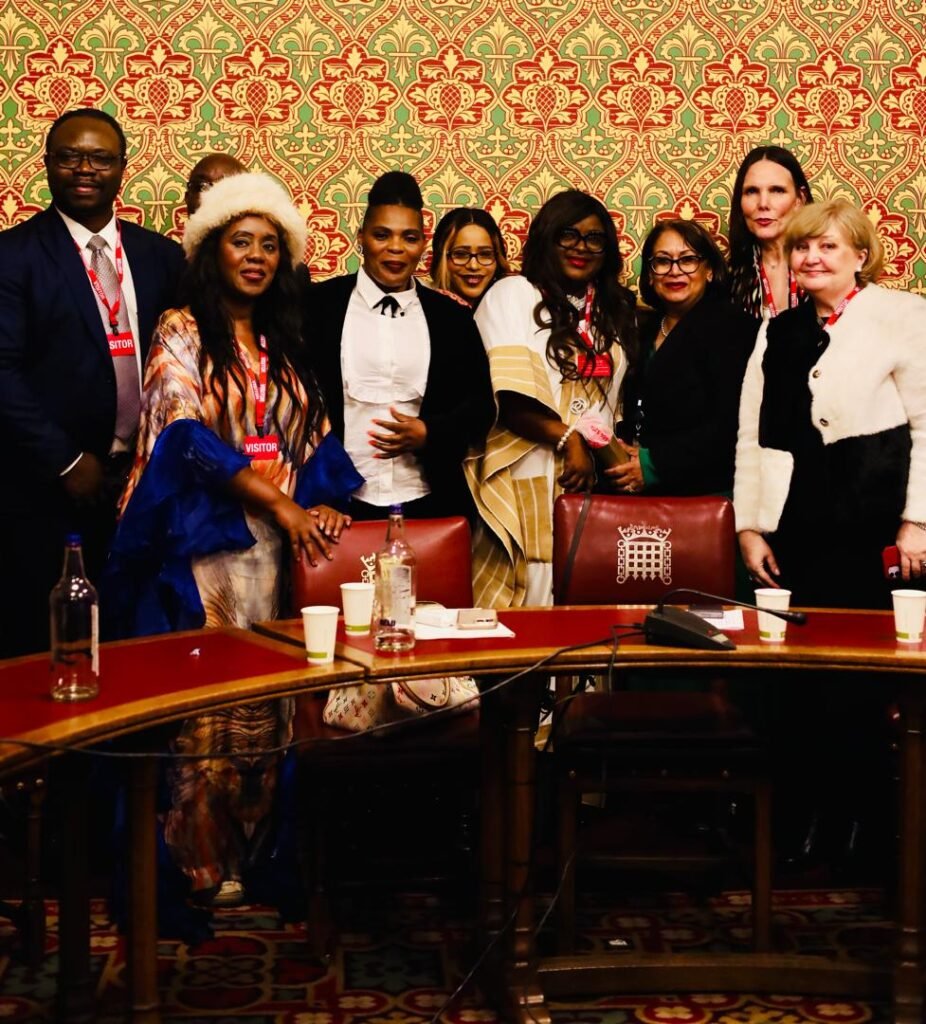
Among the distinguished Speakers was Nana Yaa Serwaa Sarpong, Founder & President of Women in Sustainability Africa (WiSA) and General Manager of the EIB Network, who delivered a compelling address on the theme “Breaking Barriers: Empowering Out-of-School Children Through Education.”
In her remarks, Nana Yaa who is currently celebrating 26years of Service in the Media, emphasized that education must be viewed as essential national infrastructure, not charity.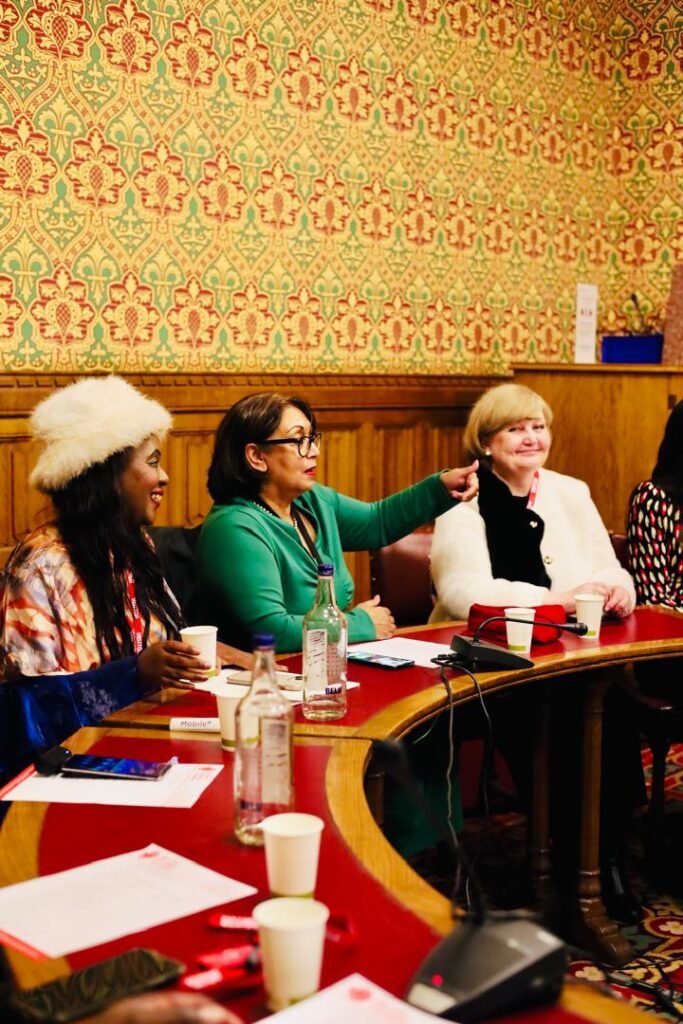
Borrowing experiences from her 18 years of empowering women and young people, she presented a strong case on how Africa’s poor educational systems tie into the poor state of its Gender Equality gap.
According to her, unlocking access to education is one of the most effective ways to strengthen economies, empower women and young girls, build resilient communities and drive sustainable development.
She highlighted that each child excluded from learning represents deferred innovation, delayed opportunity and a weakened society.
Nana Yaa noted that the barriers keeping millions of children out of school are complex and interconnected—ranging from poverty and cultural norms to geographical isolation and digital exclusion.
Addressing these challenges, she argued, requires solutions that are equally comprehensive and multi-layered.
Nana Yaa stressed that girls remain disproportionately affected, and investing in girls’ education has a transformative impact across several Sustainable Development Goals, including gender equality, poverty reduction, health outcomes and climate resilience.
Nana Yaa advocated for the expansion of flexible, inclusive and community-responsive educational models, such as mobile classrooms for remote and nomadic communities, community learning hubs, after-hours programmes for working children, radio-based instruction for low-tech areas and digital platforms designed to reach learners regardless of connectivity challenges.
She warned that without deliberate action, the digital divide would continue to widen, pushing already vulnerable children further to the margins.
During her presentation, she introduced three major reforms WiSA is seeking Partners for, aimed at reshaping educational access across Africa and beyond.
These are the Digital Bridge for Out-of-School Children (DBOC), the Community Education Stewardship Hubs (CESH) involving local women educators and youth volunteers and the Teen-focused Global Skills Accelerator for Out-of-School Teens (GSA-OT).
She also underscored the need for education systems that support instruction, inclusivity and healing, particularly for children experiencing autism, trauma, displacement or conflict.
Nana Yaa emphasised that emotional and psychological support must be integrated into educational frameworks in order to restore confidence, stability and long-term learning capacity.
The summit concluded with strong commitments from stakeholders to adopt sustainable financing models, strengthen data-driven policies and expand cross-sector partnerships.
The African British Business Forum reaffirmed its commitment to championing innovative, scalable solutions to educational inclusion across the UK, Africa and the wider global community.










A member of the National Democratic Congress (NDC), Dr. Sammy Ayeh has picked up nomination forms to contest for the position of Deputy National Communications Officer position.
Announcing his intention, Dr. Ayeh said he is offering himself to help communicate the party’s vision clearly and connect its message with the aspirations of Ghanaians.
He expressed deep gratitude to the party’s National Communications Officer, Lawyer Sammy Gyamfi, describing him as an able leader on whose shoulders he has risen.
“His exceptional leadership, mentorship and confidence in me have shaped my journey and strengthened my resolve to serve,” Dr. Ayeh stated.
He said if elected, he will seek to build on that foundation by strengthening research-driven communication, empowering grassroots communicators, and enhancing strategic media engagement.
Dr. Ayeh humbly appealed to party members and supporters for their support.
By Edem Mensah-Tsotorme
The Data Protection Commission has called on the Minority Caucus in Parliament, the Ministry of Foreign Affairs, JoyNews and other media houses to protect the personal information of 1,964 Ghanaians evacuated from South Africa.
In a press release issued on Tuesday, October 20, 2026, the Commission expressed concern over the public disclosure of the evacuees’ personal details, including their names, signatures and records of financial assistance received.
It warned that making such information public could expose the affected individuals to identity theft, fraud and other forms of harm, especially given the threats to their safety that some of them may have faced.
The Commission explained that the 1992 Constitution protects the dignity and privacy of every individual. It also cited the Data Protection Act, 2012 (Act 843), which sets out rules for the lawful collection, use and disclosure of personal information.
While acknowledging the importance of transparency, parliamentary oversight, the right to information and press freedom, the Commission stressed that these principles do not automatically justify the unrestricted publication of personal details.
It said the disclosure of the records by the Minority Caucus, the Ministry of Foreign Affairs, JoyNews and other media organisations must be assessed based on the law, the purpose of the disclosure and the privacy rights of the individuals involved.
The Commission further noted that although the Ministry of Foreign Affairs and Parliament are registered data controllers in good standing, their registration does not exempt them from their legal responsibilities under the Data Protection Act.
It has therefore urged all the parties involved to take appropriate steps to protect the affected individuals, including immediately restricting access to or removing personal details from publicly available records where their continued disclosure is not legally justified.
The Commission announced plans to conduct a regulatory review to determine whether the disclosures had a lawful basis, what safeguards were applied and whether the privacy rights of the evacuees had been adequately protected.
It said it would engage the relevant parties as part of the review and take appropriate regulatory action if any breach of the law is established.
The Commission reiterated that protecting personal information and respecting human dignity must remain central to efforts to promote public accountability.
By: Jacob Aggrey