Nutrition
The Life-Saving Power of RUTF and Why It Matters for Ghana’s Children

- /home/u249204778/domains/spectator.com.gh/public_html/wp-content/plugins/mvp-social-buttons/mvp-social-buttons.php on line 27
Warning: Trying to access array offset on false in /home/u249204778/domains/spectator.com.gh/public_html/wp-content/plugins/mvp-social-buttons/mvp-social-buttons.php on line 27
&description=The Life-Saving Power of RUTF and Why It Matters for Ghana’s Children', 'pinterestShare', 'width=750,height=350'); return false;" title="Pin This Post">
- Share
- Tweet /home/u249204778/domains/spectator.com.gh/public_html/wp-content/plugins/mvp-social-buttons/mvp-social-buttons.php on line 72
Warning: Trying to access array offset on false in /home/u249204778/domains/spectator.com.gh/public_html/wp-content/plugins/mvp-social-buttons/mvp-social-buttons.php on line 72
&description=The Life-Saving Power of RUTF and Why It Matters for Ghana’s Children', 'pinterestShare', 'width=750,height=350'); return false;" title="Pin This Post">
Introduction:
Malnutrition has quietly become one of Ghana’s most urgent public health threats. Though it may not always dominate headlines like infectious diseases, its effects on children under five are devastating, impacting physical growth, cognitive development, academic potential, and long-term productivity.
What is RUTF?
Ready-to-Use Therapeutic Food (RUTF) is a groundbreaking innovation in treating malnutrition. Each sachet contains a scientifically formulated blend of energy, healthy fats, protein, vitamins, and minerals, compacted into a highly absorbable paste.
Malnourished children often have weak digestive systems, making it difficult for their bodies to process ordinary foods or hospital diets. RUTF bypasses these challenges, delivering nutrients in a form the body can immediately use for healing and rebuilding.
Rapid Impact and Benefits:
- Energy levels rise, appetite returns, and weight gain is often noticeable within days.
- Helps prevent complications such as infections, stunting, and developmental delays.
- Can be administered safely at home, reducing the need for frequent hospital visits.
- Frees health facilities to focus on the most critical cases.
Effectiveness:
Studies across Africa show recovery rates of over 80% when RUTF is used correctly. By shortening recovery time, children return to normal growth patterns, rejoin school, and regain the vitality necessary for healthy development.
Why It Matters for Ghana:
RUTF is more than a medical intervention—it’s an investment in the nation’s future. Children who recover from severe malnutrition are more likely to thrive academically, contribute economically, and grow into healthier adults.
The long-term social and economic benefits ripple far beyond households, strengthening Ghana’s human capital and making RUTF a strategic national priority.
By: Women, Media and Change – Nourish Ghana Project
Join our WhatsApp Channel now!
https://whatsapp.com/channel/0029VbBElzjInlqHhl1aTU27


Ingredients
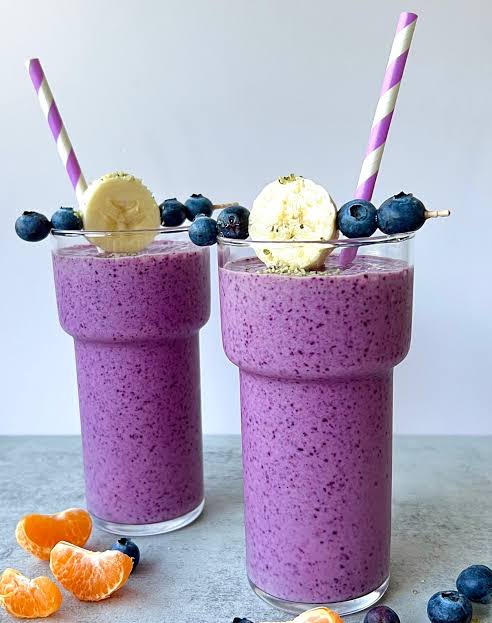
-1 cup of frozen blueberries
-1 medium of ripped banana (fresh or frozen)
-½ cup of plain or greek yogurt
-¾ cup of milk (dairy or plant-based)
-1 teaspoonful of honey or maple syrup (optional)
Preparation
-Wash all ingredients into a bowl
-Blend blueberries and banana.
-Add plain yogurt and cup of milk
-Blend on high speed until completely smooth and creamy.
-Pour into a glass and serve right away
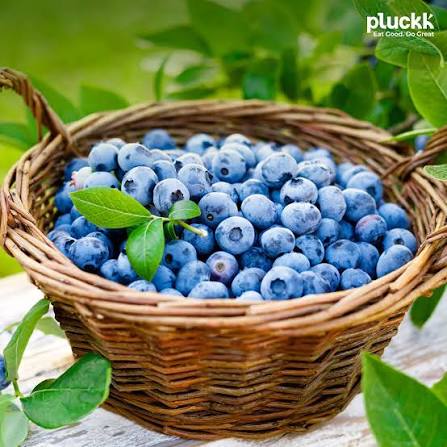
Blueberries have one of the highest antioxidant levels among commonly consumed fruit and vegetables. This is typically referred to as the ORAC score. They are extremely rich in naturally occurring plant compounds called phytochemicals, such as ellagic acid and anthocyanidins. These phytochemicals are responsible for the blue, indigo and red colouring of the berry. They have also been extensively researched for their protective properties.
-Controls blood pressure
Research has shown that anthocyanidins, which are found in berry fruits, supports the cardiovascular system. It supports the health of blood vessels and reducing the arterial stiffness associated with ageing. This is especially useful for post-menopausal women.
Reduce the risk of heart disease
The phytochemicals in blueberries have been seen to prevent oxidative damage to cholesterol. According to research rich in anthocyanins may help lower the risk of heart attacks.
-Regulates blood sugar
Blueberries are both low in sugar and a good source of fibre; as a result, they have a low glycaemic index (GI). This, together with their high flavonoid content, helpsimprove insulin sensitivity, which is important for managing blood sugar levels.
-Maintain eye health
Adding blueberries to diet regularly improve vision and guard against age-related macular degeneration. It improves blood and oxygen flow to the eyes, and the antioxidant protection help to reduce the likelihood of cataract and macular degeneration.
-Reduces gastrointestinal symptoms
Studies suggest the polyphenol and fibre content of blueberries help relieve gut symptoms and improve general well-being in those with abdominal symptoms from gut disorders.
– Ease urinary tract infection symptoms
Many people turn to berries such as cranberries to help prevent urinary tract infections (UTI). Blueberries contain similar compounds to those in cranberries. These compounds may help prevent the bacteria responsible for UTIs from adhering to the bladder wall.
-Reduce muscle damage after exercise
Strenuous physical activity or exercise may lead to soreness and inflammation. Consuming blueberries in a smoothie, for example, before and after such an event may help promote recovery and reduce inflammatory markers.
-Promote healthy ageing
A number of studies suggest that both whole blueberries, their juice and the concentrated powdered form may help reduce oxidative damage. Such damage is an inevitable part of everyday life, but is a key driver in ageing and the development of disease.Bbc.com

 Entertainment1 week ago
Fiifi Coleman Productions adapt ‘I Told You So’ stage play into feature film
- News7 days ago
48 Engineer Regiment to be major sub-contractor on Accra-Kumasi Expressway, $2bn ready- Prez Mahama
- Entertainment6 days ago
Rhythms On Da Runway returns November 28 with 16th edition themed ‘Unbound’