News
A Year On: Ghana democracy at crossroads- Afenyo Markin laments

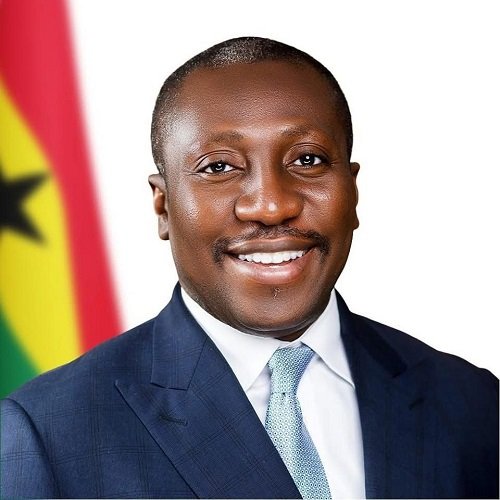
Minority Leader in parliament, Alexander Osahen Afenyo Markin has raised concerns about the direction of the country one year after the 2024 general election, warning that Ghana’s democracy may be under threat if current governance trends are not checked.
In a statement reflecting on the year since Ghanaians voted for change, he noted that while the New Patriotic Party hoped for victory, the people chose differently and the outcome was respected as the will of the electorate.
He stressed that winning power comes with responsibility and not the freedom to govern without caution.
The Minority Leader argued that the removal of key public officials reflected a worrying pattern.
These included the dismissal of workers from state institutions, the exit of the Chief Justice, and ongoing processes affecting the Electoral Commission leadership and the Office of the Special Prosecutor.
He described the development as retribution rather than renewal and questioned the government’s promises on jobs and the 24 hour economy.
Addressing President John Dramani Mahama directly, he urged him to use his rare second return to office to build a legacy of development rather than removals.
He explained that global history shows that leaders who return to power after defeat are few, stressing that such an opportunity should lead to transformation that benefits citizens.
He encouraged the President to invest in technology, artificial intelligence and modern economic growth models to position Ghana for global competition.
He warned that no country will wait for Ghana while others advance through digital innovation.
The statement further pointed to youth unemployment and frustration, noting that campaign foot soldiers who worked hard during elections have been left disappointed.
He warned that ignoring young people could lead to instability.
He urged the media to uphold its watchdog duty by speaking up against constitutional breaches rather than seeking comfort in silence.
He explained that the Minority wants the government to succeed because national progress benefits everyone, not only one political side.
The Minority Leader maintained that although democracy is not perfect, it remains the best system since it allows peaceful correction through elections.
He encouraged citizens to trust the ballot and not violence.
He encouraged President Mahama to resist party hawks and focus on national development, stating that the world is watching how Ghana uses this moment in history.
He called on leaders across the political divide to remember they are custodians of the Republic and must work to protect the nation’s democratic future.
He concluded by urging young people not to lose hope, stressing that change comes through democratic processes, and reminding all leaders that Ghana’s stability depends on responsible governance, unity and development oriented action.
By: Jacob Aggrey







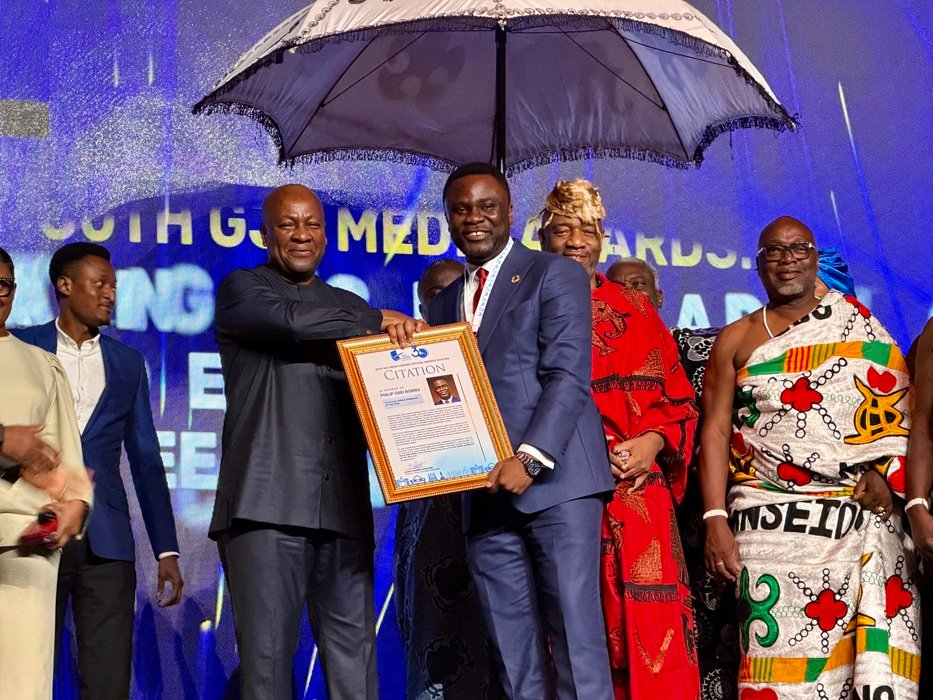
The 30th Ghana Journalists Association (GJA) Media Awards has celebrated three decades of recognising excellence and contributions to journalism and national development, while highlighting the media’s role in Ghana’s democracy.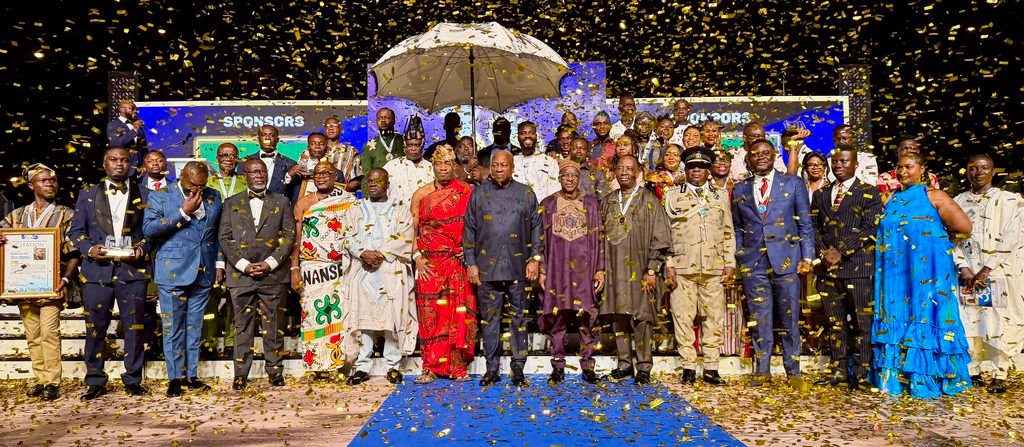
Marking the milestone, Philip Osei Bonsu of the Multimedia Group emerged as the GJA/P.A.V. Ansah Journalist of the Year.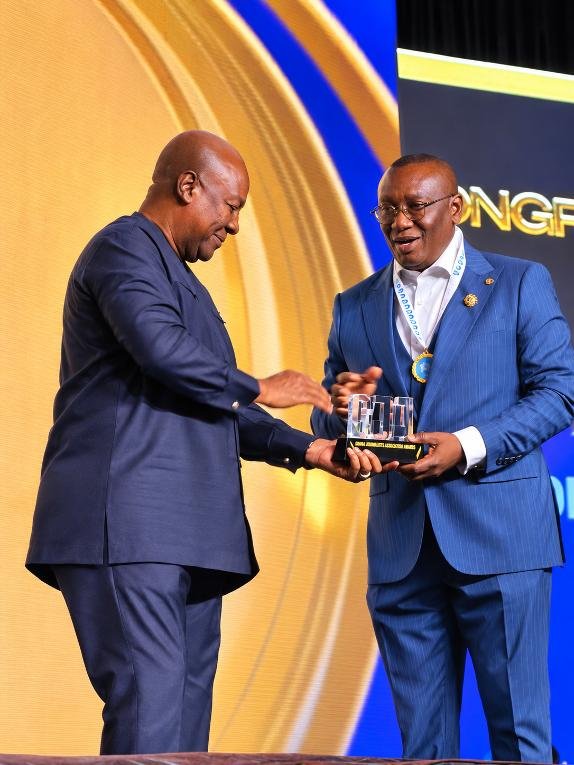
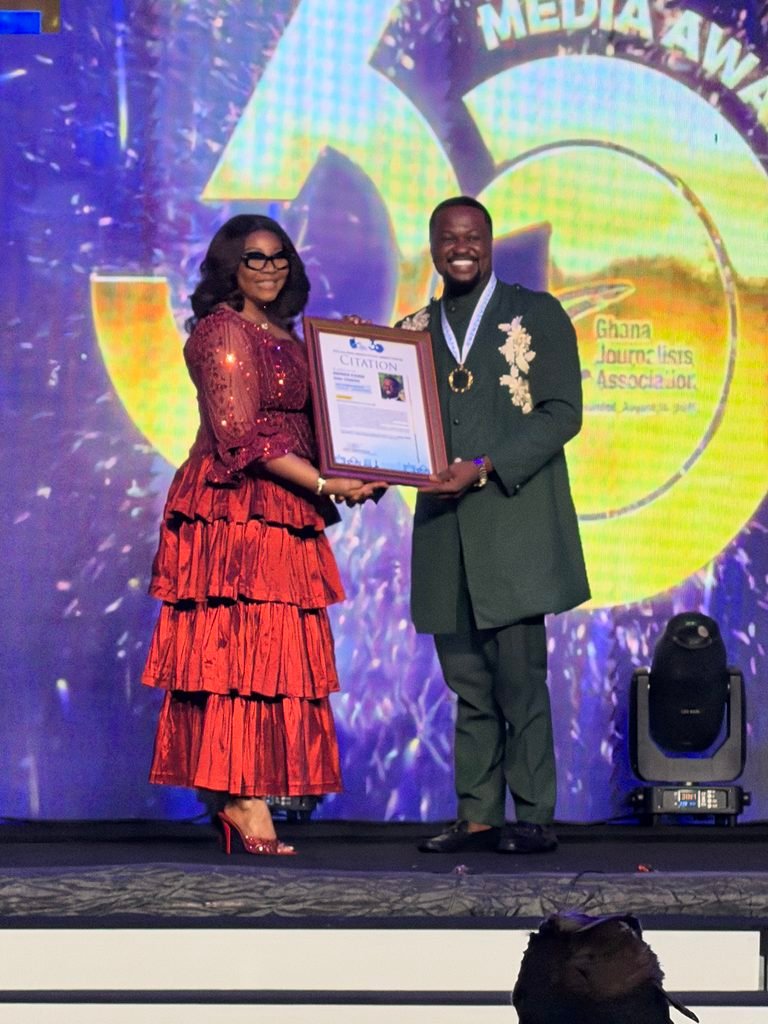
The Ghanaian Times’ Benedicta Gyimah Foley won the Best Feature Reporting, Print category, alongside other journalists recognised across various media platforms.
Other winners included Nathaniel Attoh, Best in Sports Reporting; and Godwin Asediba of Media General, Best in TV Documentary; Doreen Ampofo of GBC, Best in Radio Documentary; and freelance journalist Nii Adjei Mensahfio, Best in Online Documentary.
Daniel Kwabena Mantey was adjudged Best in TV Feature, while Clinton Yeboah of Luv FM won Best in Radio Feature, with Gilbert Azeem Tiroog of GNA taking Best in Online Features.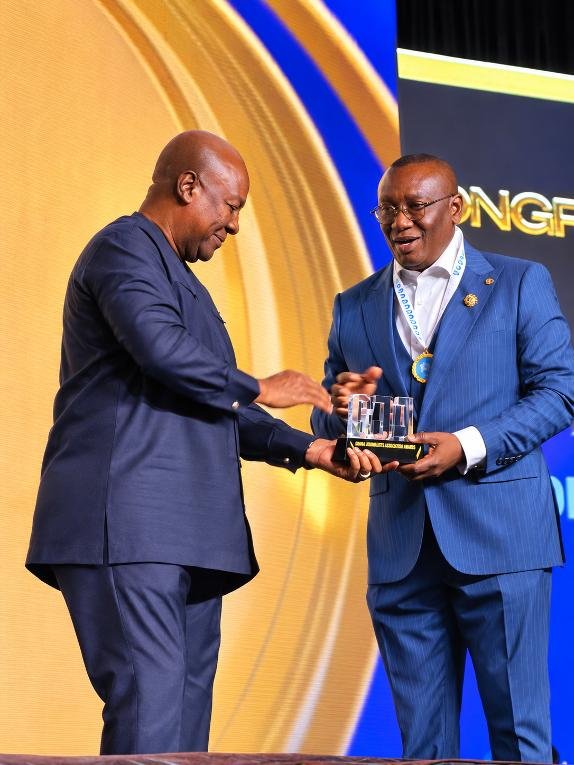
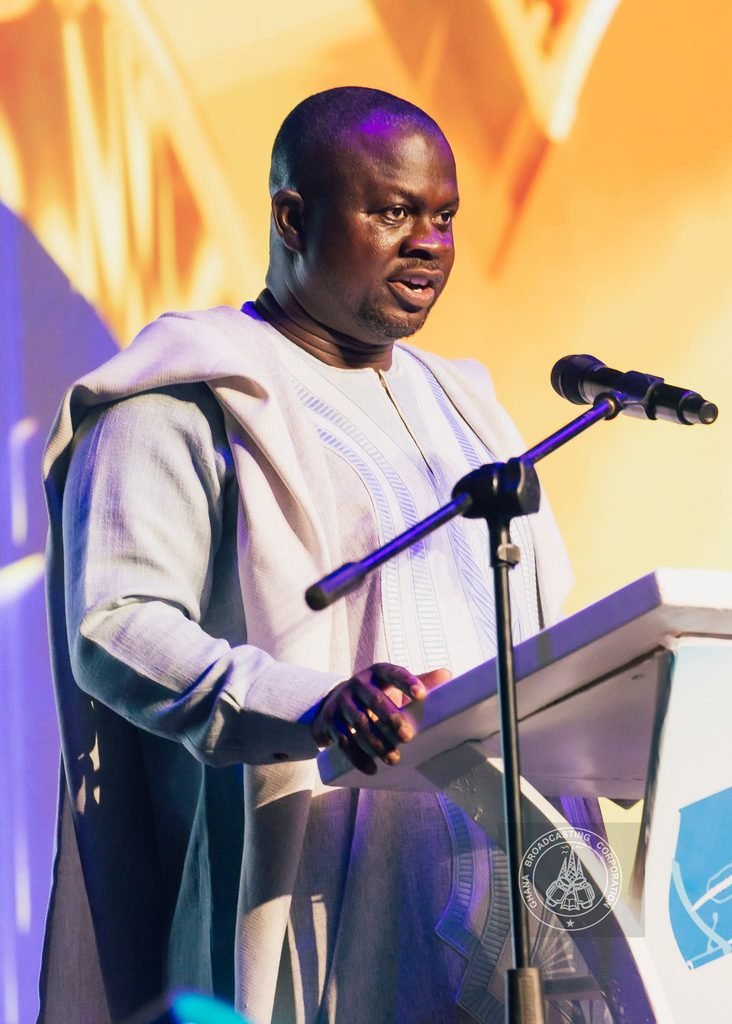
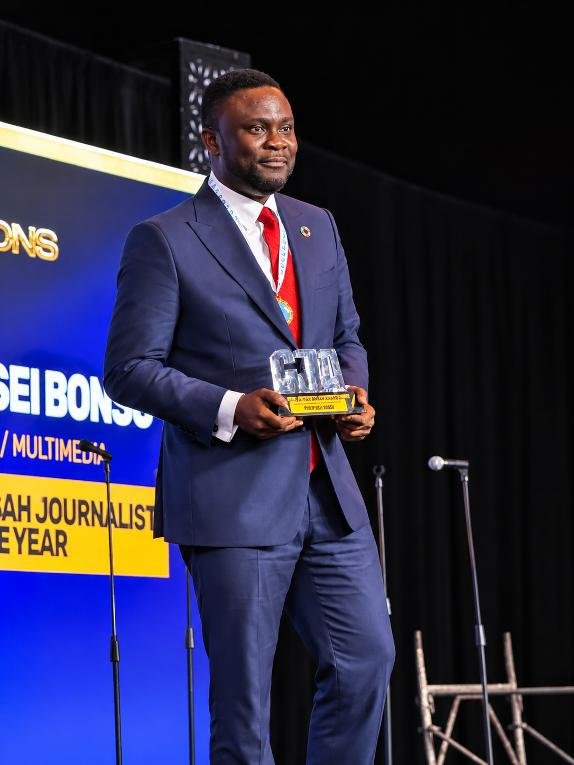
For news reporting, Mohammed Fugu of the Daily Graphic won Best in Print News Reporting, Nabil Ahmed Rufai, a freelance journalist, Best in TV News Reporting; Ridwan Karim Dini-Osman of EIB Network, Best in Radio News Reporting; and Timothy Ngnenbe of the Daily Graphic, Best in Online News.
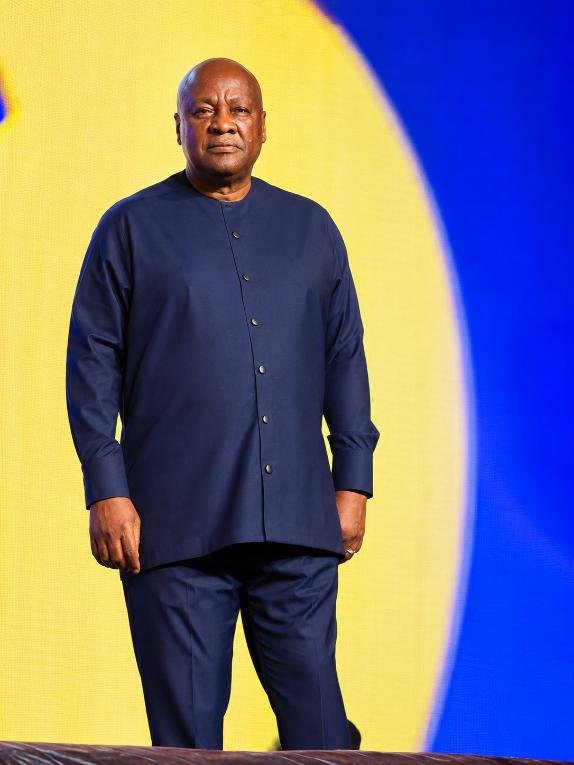
The ceremony, held in Accra last Saturday on the theme, “Celebrating Excellence, Advancing Media Freedom and Combating Hate Speech in the Digital Age”, was attended by President John Dramani Mahama as the special guest of honour.
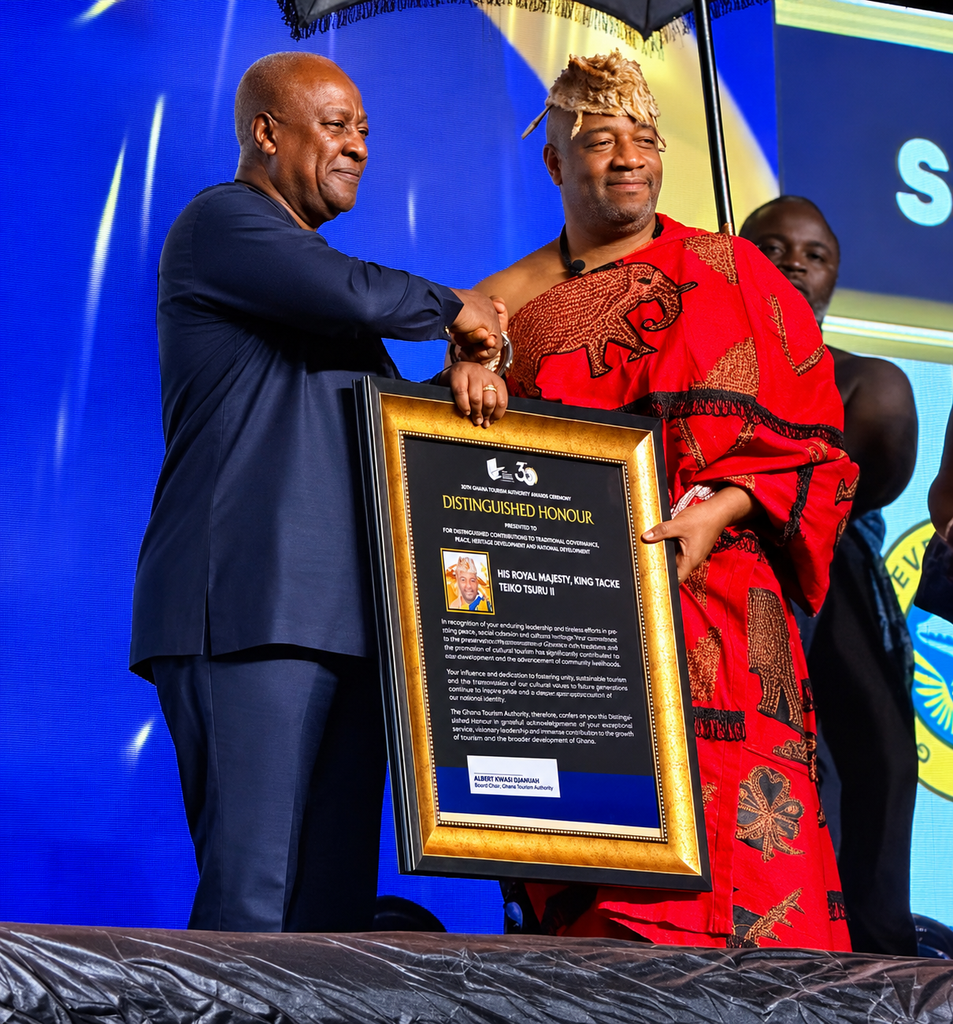
Also in attendance were the Ga Mantse, King Tackie Teiko Tsuru II, and the Inspector-General of Police, Mr Christian Tetteh Yohuno, among others.
In his address, President Mahama announced a GH₵10 million allocation in the 2027 national budget as seed capital for the reactivated Media Development Fund to support journalists’ welfare, professional development, investigative reporting and safety training, with additional corporate contributions expected.
Mr Mahama, also urged media practitioners to uphold professionalism and accuracy by avoiding sensationalism, unsubstantiated allegations and the deliberate pursuit of scandals, while promptly correcting inaccurate reports and apologising when necessary to maintain public trust and professional standards.
On journalists’ safety, he assured that the government would continue to act against attacks on them.
By Stephanie Birikorang
SKIP THE QUEUE, TAP THE NEWS
You can now read the Ghanaian Times and The Spectator newspapers from the comfort of your device via TimesNewsPlus.
Join our WhatsApp Channel: https://whatsapp.com/channel/0029VbBElzjInlqHhl1aTU27
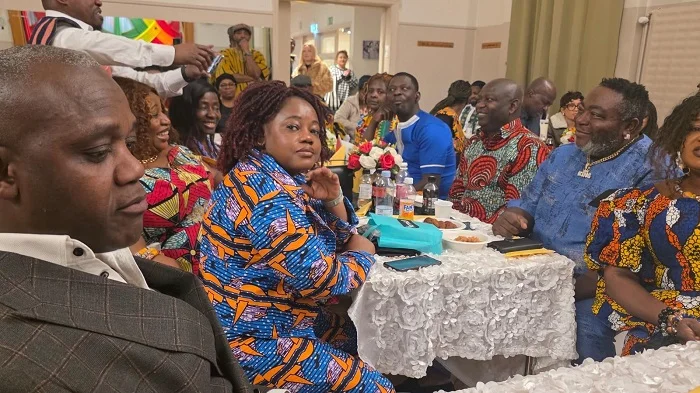
Today, I focus on the theme of Ghanaian/African migrants in Finland and economic empowerment, a move away from the topic of personalities or groups and their accomplishments within the Ghanaian community in Finland that I have been writing on.
In recent times, African migrant associations and Finnish institutions are organising meetings or forums and help people seeking employment to meet employers or build professional networks to achieve economic empowerment.
Such forums are usually open to their members and anyone of African descent.to get into the Finnish job market.
Competences
Researchers and experts say entrepreneurship or self-employment has great potential to offer a route for migrants, including highly-educated ones, to participate in and contribute to the local economy.
Competences, including knowledge and knowhow, opportunities, and social capital such as family support, language, etc., are necessary to boost the entrepreneurship endeavour.
Competence in the official Finnish or Swedish languages is undoubtedly a key quality to improve employment prospects, especially for migrants since the overall unemployment among migrants could be higher than in the mainstream Finnish population.
There could also be particular privileges which may be the provision of the right information for potential entrepreneurs or job seekers.
Barriers and stress factors
Although language has a huge potential to contribute positively to entrepreneurship possibilities, studies have shown that some of the major stress factors are language problems, finances or economic capital among African migrants.
Other barriers or challenges may be how to grow the business venture or its sustainability.
Thus, migrant communities can generally be highly vulnerable to language barrier, lack of information, the nature of the work of migrants in professions where working from home is not possible.
Migrant associations, social networks, and information
By their activities, migrant associations are doing much to educate and create awareness as well as enhance economic empowerment through migrants’ entrepreneurship or self-employment and enhance opportunities.
Such associations and institutions become networks that create an important social capital as well as outlets for sharing and gaining information or knowledge. Also, it will all be for societal good if such activities are able to help reduce stress and anxiety in the migrants’ entrepreneurship endeavours.
As I keep pointing out, Finland is committed to the integration of migrants into the Finnish society. A number of research studies from surveys and other in-depth enquiries have shown a trend of increasing efforts to integrate African and other migrants into the Finnish society.
Public agencies, migrant associations and other non-governmental organisations (NGOs) in Finland have been publishing information to help educate people, which is also good for their wellbeing.
Generally, migrant associations formally create awareness among their members and other migrants usually in collaboration with some Finnish institutions, and are thus an important tool for several migrants to be positively active and to get their interests and claims heard.
As I wrote previously, the role of migrant associations acting as bridge-builders for the integration and inclusion of migrants through participation in the decision making process and by acting as a representative voice is highly appreciated in Finland. Thank you!
SKIP THE QUEUE, TAP THE NEWS
You can now read the Ghanaian Times and The Spectator newspapers from the comfort of your device via TimesNewsPlus.
Join our WhatsApp Channel: https://whatsapp.com/channel/0029VbBElzjInlqHhl1aTU27