Nutrition
Stronger leadership, better nutrition – Why Ghana needs a National Nutrition Council

- /home/u249204778/domains/spectator.com.gh/public_html/wp-content/plugins/mvp-social-buttons/mvp-social-buttons.php on line 27
Warning: Trying to access array offset on false in /home/u249204778/domains/spectator.com.gh/public_html/wp-content/plugins/mvp-social-buttons/mvp-social-buttons.php on line 27
&description=Stronger leadership, better nutrition – Why Ghana needs a National Nutrition Council', 'pinterestShare', 'width=750,height=350'); return false;" title="Pin This Post">
- Share
- Tweet /home/u249204778/domains/spectator.com.gh/public_html/wp-content/plugins/mvp-social-buttons/mvp-social-buttons.php on line 72
Warning: Trying to access array offset on false in /home/u249204778/domains/spectator.com.gh/public_html/wp-content/plugins/mvp-social-buttons/mvp-social-buttons.php on line 72
&description=Stronger leadership, better nutrition – Why Ghana needs a National Nutrition Council', 'pinterestShare', 'width=750,height=350'); return false;" title="Pin This Post">
Ghana has no shortage of policies on nutrition. From commitments to global platforms like the Nutrition for Growth (N4G) Summit to local programmes targeting maternal and child health, the frameworks exist. And yet, the numbers tell us we are still lagging behind.
According to the Ghana Demographic and Health Survey (GDHS) 2022, one in five children is chronically malnourished and nearly half of women of reproductive age suffer from anaemia. These are not mere statistics; they are reflections of families struggling, children missing their potential, and a nation paying the price in lost productivity.
So, what is the problem? Coordination.
Nutrition is not the sole responsibility of the Ministry of Health (MoH). It is linked to agriculture through the food we grow, to education through the meals children eat in school, and to social protection through the safety nets that shield vulnerable households. But too often, these sectors work in silos, with overlapping projects and fragmented budgets. The result is duplication of efforts, inefficiency, and reduced impact.
This is why Ghana urgently needs a National Nutrition Council. Not another layer of bureaucracy, but a high-level body reporting directly to the Presidency, with the mandate to align efforts across ministries, secure dedicated financing, and drive accountability.
Other countries have shown the power of such structures. Rwanda established a national nutrition coordination mechanism under the Office of the Prime Minister, and within a decade, it achieved one of the fastest reductions in stunting in Africa. Ethiopia’s Food and Nutrition Council has also provided the political leadership needed to keep nutrition at the centre of national planning.
Ghana can and must follow suit. A National Nutrition Council will mean that nutrition is no longer buried in the fine print of health sector budgets but elevated to the level of national development strategy. It will mean that Parliament can hold a single accountable body to answer for progress, and civil society can monitor with clarity.
The time has come to stop managing nutrition as an afterthought. A council will give Ghana the leadership structure to match its ambitions. Without it, our pledges, no matter how bold, risk fading into the background noise of unfinished business.
Feature article by Women, Media and Change under its Nourish Ghana: Advocating for Increased Leadership to Combat Malnutrition Project in collaboration with Eleanor Crook Foundation
Join our WhatsApp Channel now!
https://whatsapp.com/channel/0029VbBElzjInlqHhl1aTU27

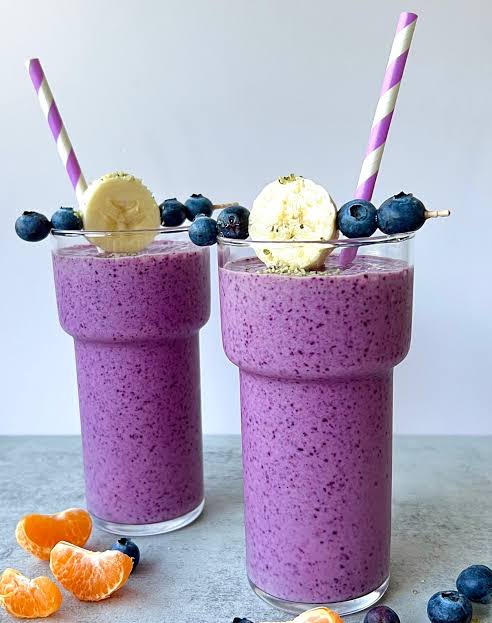
Ingredients
-1 cup of frozen blueberries
-1 medium of ripped banana (fresh or frozen)
-½ cup of plain or greek yogurt
-¾ cup of milk (dairy or plant-based)
-1 teaspoonful of honey or maple syrup (optional)
Preparation
-Wash all ingredients into a bowl
-Blend blueberries and banana.
-Add plain yogurt and cup of milk
-Blend on high speed until completely smooth and creamy.
-Pour into a glass and serve right away
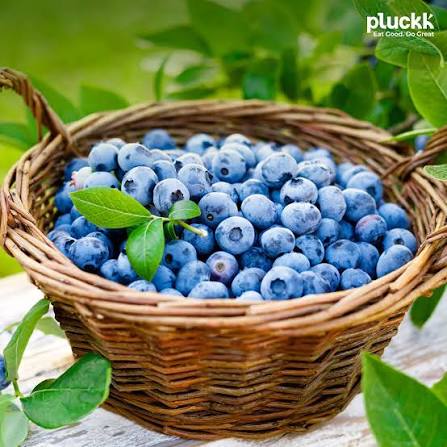
Blueberries have one of the highest antioxidant levels among commonly consumed fruit and vegetables. This is typically referred to as the ORAC score. They are extremely rich in naturally occurring plant compounds called phytochemicals, such as ellagic acid and anthocyanidins. These phytochemicals are responsible for the blue, indigo and red colouring of the berry. They have also been extensively researched for their protective properties.
-Controls blood pressure
Research has shown that anthocyanidins, which are found in berry fruits, supports the cardiovascular system. It supports the health of blood vessels and reducing the arterial stiffness associated with ageing. This is especially useful for post-menopausal women.
Reduce the risk of heart disease
The phytochemicals in blueberries have been seen to prevent oxidative damage to cholesterol. According to research rich in anthocyanins may help lower the risk of heart attacks.
-Regulates blood sugar
Blueberries are both low in sugar and a good source of fibre; as a result, they have a low glycaemic index (GI). This, together with their high flavonoid content, helpsimprove insulin sensitivity, which is important for managing blood sugar levels.
-Maintain eye health
Adding blueberries to diet regularly improve vision and guard against age-related macular degeneration. It improves blood and oxygen flow to the eyes, and the antioxidant protection help to reduce the likelihood of cataract and macular degeneration.
-Reduces gastrointestinal symptoms
Studies suggest the polyphenol and fibre content of blueberries help relieve gut symptoms and improve general well-being in those with abdominal symptoms from gut disorders.
– Ease urinary tract infection symptoms
Many people turn to berries such as cranberries to help prevent urinary tract infections (UTI). Blueberries contain similar compounds to those in cranberries. These compounds may help prevent the bacteria responsible for UTIs from adhering to the bladder wall.
-Reduce muscle damage after exercise
Strenuous physical activity or exercise may lead to soreness and inflammation. Consuming blueberries in a smoothie, for example, before and after such an event may help promote recovery and reduce inflammatory markers.
-Promote healthy ageing
A number of studies suggest that both whole blueberries, their juice and the concentrated powdered form may help reduce oxidative damage. Such damage is an inevitable part of everyday life, but is a key driver in ageing and the development of disease.Bbc.com

 Entertainment1 week ago
Rhythms On Da Runway returns November 28 with 16th edition themed ‘Unbound’
- Entertainment1 week ago
Ohemaa Mercy’s Tehillah Experience outfit was priestly regalia, not costume – Management clarifies
 News1 week ago
Janet Asana Nabla criticises Mahama over China curriculum controversy involving Haruna Iddrisu