Features
Somnambulism / Sleepwalking, Part 1

Sleepwalking, also known as somnambulism, is a parasomnia that tends to occur during arousals from slow-wave sleep. It most often emerges in the first third or first half of the sleep period when slow-wave sleep is more common.
Sleepwalking consists of a series of complex behaviours that culminate in walking around with an altered state of consciousness and impaired judgment.
Before walking the person often sits up in bed and looks about in a confused manner with eyes wide open. Sometimes the person immediately gets up and walks or even bolts from the bed running. The sleepwalker can be hard to awaken. Once he or she is awake, the person is often confused and has little recall of the event. The sleepwalking may end suddenly, sometimes in unusual or inappropriate places. In other cases the person may return to bed and continue sleeping without ever becoming alert.
Sleep talking is a common sleep disorder that is classified as an isolated symptom.
It can arise during any stage of sleep and can occur with varying levels of comprehensibility. The sleep talker tends to be unaware of the problem, but loud and frequent talking can disturb the sleep of the bed partner. At times the content of the talking can be objectionable and offensive to others.
PREVALENCE
Sleepwalking occurs in as many as 17 percent of children and four percent of adults. Sleep talking occurs in half of young children and in about five percent of adults.
RISK GROUPS
Sleepwalking tends to be a fairly normal part of a child’s development, peaking by the age of eight to 12 years. When they were younger most children who sleepwalk had another parasomnia called confusional arousals. Sleepwalking is more common when one parent has a history of the disorder, and it is much more common if both parents were sleepwalkers. Sleepwalking may occur in people who have other parasomnias such as sleep terrors or REM sleep behaviour disorder (RBD). Sleepwalking may occur as a rare side effect of medications such as sleeping pills.
Sleepwalking can involve strange, inappropriate and even violent behaviours. The person may walk out of the house or even climb out of a window. On rare occasions the sleepwalker may get in a car and drive. A sleepwalking child may walk quietly toward a light or to the parents’ bedroom. Sleepwalking can be dangerous if the child walks toward a window or goes outside.
Sleep walkers get out of bed and move around the house during deep sleep.
Sometimes they may leave the house. Sleep walking usually occurs for just a few minutes at a time and may occur up to 3 or 4 nights per week. However, some people sleep walk for longer periods of time and less often. When it is over, most people are able to remember very little of what they did, if anything at all.
Usually, sleepwalking starts in childhood, becomes less common as a teenager and stops as a young adult. However for some people, it may continue for most of their life. The longer a child keeps sleepwalking into their teenage years, the greater the chance that it will go on into early adulthood
By Robert Ekow Grimmond-Thompson


Conflict at work is more common than you might think. According to 2022 research by The Myers-Briggs Company, more than a third of the workforce reports dealing with conflict often, very often, or all the time in the workplace. The same report found that managers spend an average of four hours per week dealing with conflict, and nearly 25 per cent of people think their managers handle conflict poorly or very poorly.
Addressing a dispute might feel tense or awkward, but resolving the conflict is typically well worth it in the long run. Whether you’re trying to mediate conflict between colleagues or are directly involved, here are seven steps you can take to manage workplace conflict.
1. Don’t put it off
Facing conflict head-on is hard. However, waiting too long to address it can negatively impact your emotional well-being, focus, and the entire office environment. If you’re feeling angry, letting that emotion fester can also escalate it over time. This can make you less responsive to other points of view and make it harder to resolve the issue.
The sooner you can address the conflict, the better it will be for you, the person you disagree with, and your entire team.
2. Learn all you can about the problem
It’s important to determine the type of conflict you’re dealing with. Begin by considering the cause of the conflict. For example, ask yourself whether someone said something that upset you or if you have emotions of anger and resentment that stemmed from something that happened.
Then try to identify if it’s a task, relationship, value, or team conflict. Once you know what type of conflict it is, you can work to resolve it with specific tactics for that situation.
If you skip this step, you may waste time or escalate the situation further by trying to address issues irrelevant to the real conflict.
3. Actively listen
Listen attentively when people share their side of the story. Active listening is one of the most valuable professional skills you can possess. This type of listening involves not only hearing what the other person is saying but also listening to understand their point of view.
No matter your role in conflict, it’s easy to begin sharing your opinion with little regard for the other people involved. However, it’s important to learn about all sides of a disagreement to make well-informed decisions before drawing conclusions.
To reach a resolution, you must step back and prioritize listening over talking. Ultimately, that will encourage the other person to do the same when it’s your turn to speak. –source: betterup.com
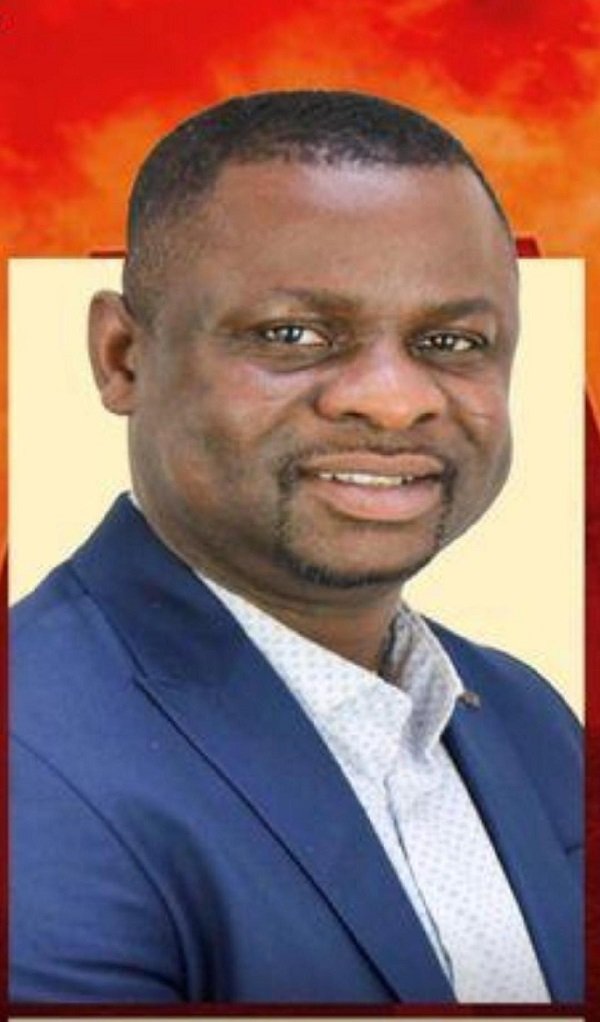
Today, I focus on the Temple Of Praise Ministries International (TOP Church) in Helsinki, as I continue my description of personalities or institutions and their accomplishments as members of the Ghanaian Diaspora in Finland.
The TOP Church in Finland has seen significant strides and accomplishments that must be made known to the public. 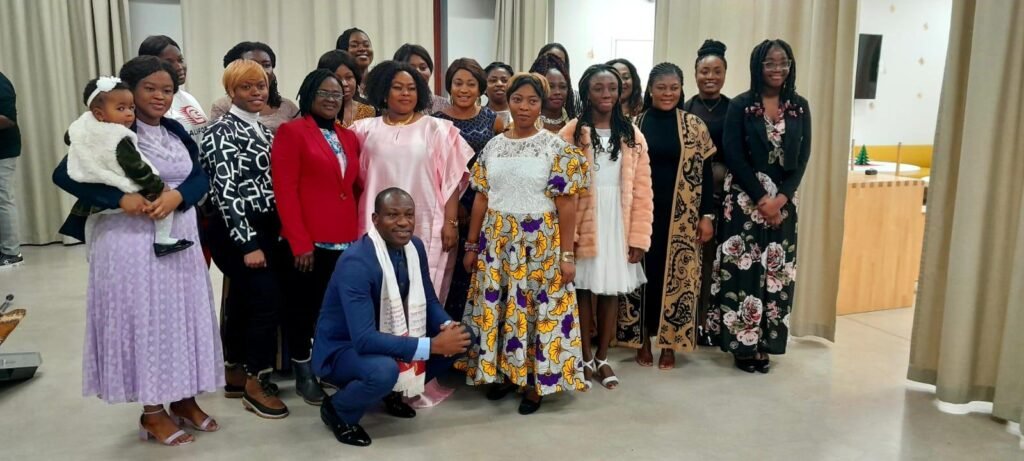
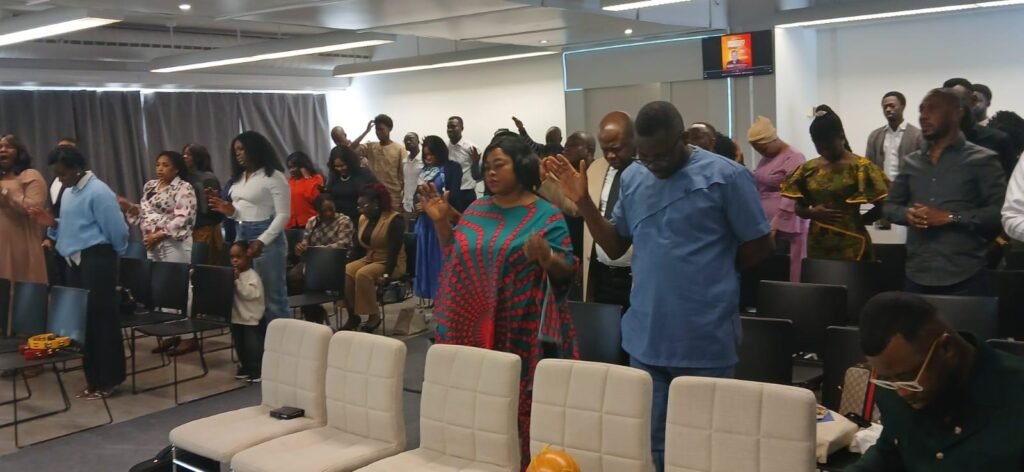
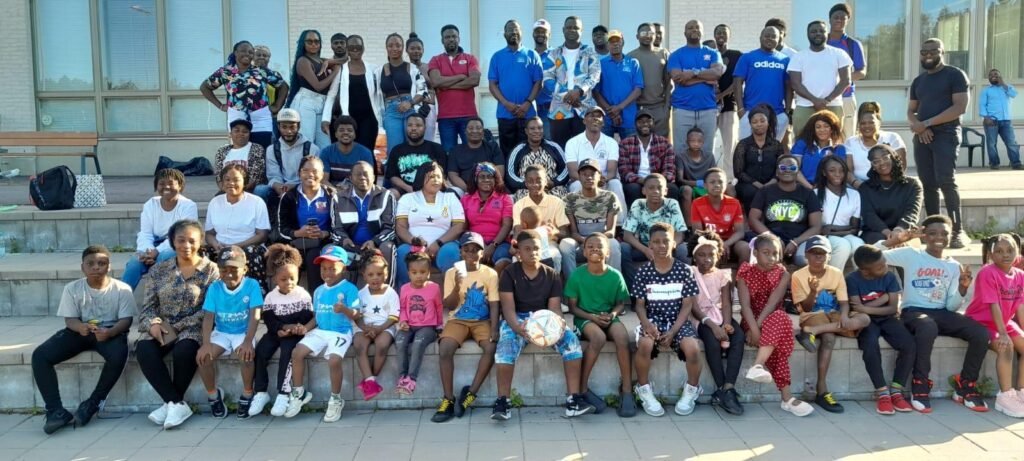
Some history
The Church was established in Finland in September 2016. Since its inception, it has steadily grown both spiritually and numerically, by the grace of God, as disclosed to me by Mr Matthew Anini Twumasi, the Presiding Elder of TOP’s branch in Finland. The TOP Church has other branches across Africa, Europe, and America.
The Church in Finland was founded with a vision to create a welcoming and dynamic community where people could experience God’s love and grace (see, www.topchurchfinland.org). According to Presiding Elder Matthew, the TOP Church operates within a unique environment where Christianity coexists with what is seen as a largely secular society.
Despite this, he submits, there are significant opportunities for outreach, unity, and demonstrating the love of Christ through service and community engagement.
Activities
Church services at the TOP Church are typically held on Sundays for the main worship. In addition, there are mid-week prayer sessions, Saturday prayer services, and a half-night service held on the last Friday of every month. “We also organise quarterly programs”, Elder Matthew added.
His impression of the Church so far has been positive. “It is a vibrant and welcoming community where members are committed to worship, fellowship, and supporting one another in faith”, he stated.
In sum, Elder Matthew said the Church continues to grow by God’s grace. “We remain hopeful and committed to spreading the Gospel, strengthening the faith of our members, and making a positive impact in society”, he continued.
Achievements
The TOP Church has a number of achievements and achievements. Some of the strengths include strong community bonds, cultural diversity, and deep commitment to spiritual growth.
I also remember that during the COVID-19 period, I heard that the TOP Church was one such bodies that hugely supported its members and others to cope with the situation.
According to Elder Matthew, the challenges facing the church include “adapting to cultural differences, engaging the younger generation, expanding outreach in a secular society, and securing a permanent place of worship”.
Role in the Ghanaian community in Finland
The TOP Church plays a prominent role as a religious group that serves Ghanaian migrants and others in the Finnish society.
Thus, the TOP Church is a religious body for Ghanaian migrants in Finland and other nationalities who want to worship with them for diversity and better intercultural and multicultural understanding.
The Church also has mechanisms in place to support its members who are bereaved as a way to commiserate with them in times of death and funerals.
The Ghanaian community has played a vital role in the growth of the Church. Their strong sense of fellowship, dedication to worship, and active participation have helped build a solid foundation and attract others to the ministry, according to Elder Matthew.
Integration
By its activities, the TOP Church is helping to ensure integration of its members well into the Finish society.
This is important since social interaction and citizens’ well-being are an important part of the integration process.
The role of migrant associations and groups such as TOP Church acting as bridge-builders for the integration and inclusion of migrants through participation in the decision making process and by acting as a representative voice is highly appreciated in Finland. Thank you!
GHANA MATTERS column appears fortnightly. Written in simple, layman’s terms, it concentrates on matters about Ghana and beyond. It focuses on everyday life issues relating to the social, cultural, economic, religious, political, health, sports, youth, gender, etc. It strives to remind us all that Ghana comes first. The column also takes a candid look at the meanings and repercussions of our actions, especially those things we take for granted or even ignore. There are key Ghanaian values we should uphold rather than disregard with impunity. We should not overlook the obvious. We need to search for the hidden or deeply embedded values and try to project them.
With Dr Perpetual Crentsil