News
State of Ghana’s Cinemas awful …NFA embarks on rescue mission

In the heart of Accra where stories once flickered across giant screens and laughter echoed into the night, a different story unfolds now; one of quiet, more uncertain, yet deeply human.
There was a time when going to the cinema was an event. It was where friendships were strengthened, families bonded and strangers became a community, if only for a few hours.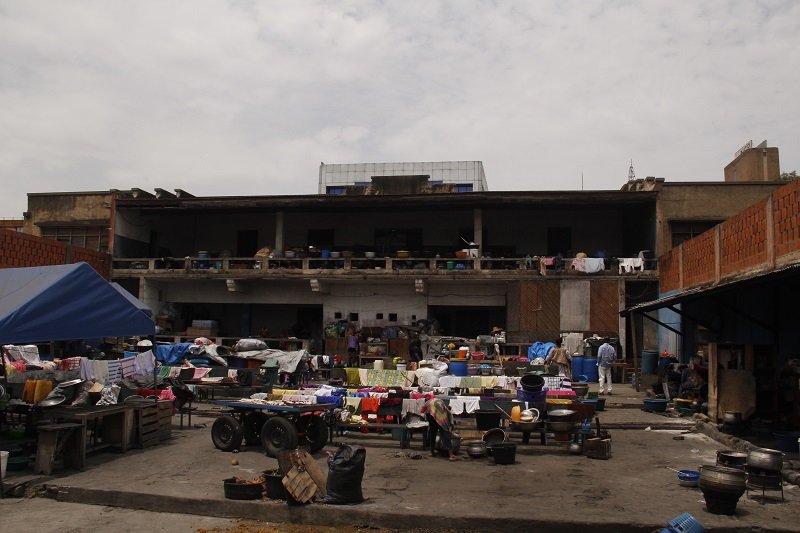
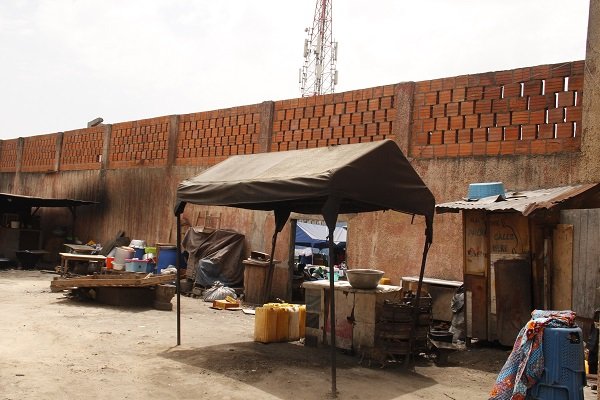
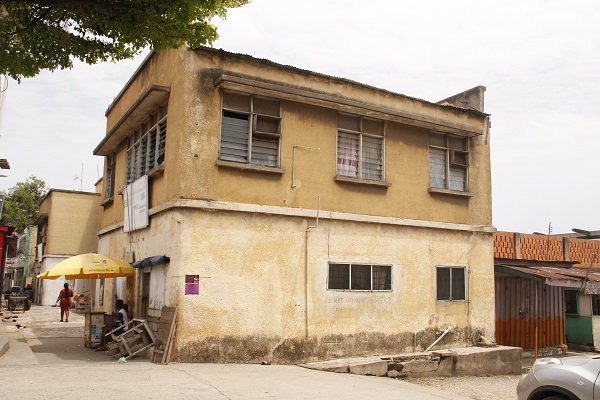
At cinemas like the Roxy, Rex, Orion, Globe, Opera, Palladium Royal, Kalamazoo, Miami and Regal, among others, people did not just watch films, they shared moments.
Today, those moments feel distant and a visit by The Spectator revealed a totally different story.
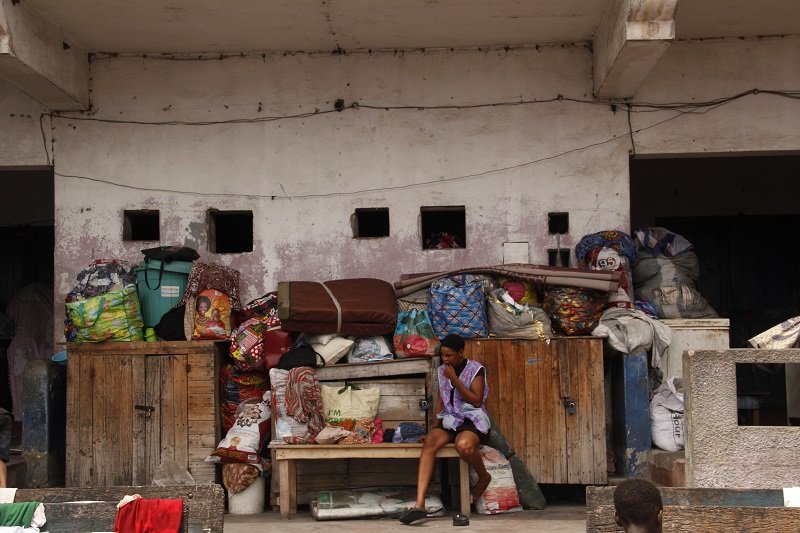
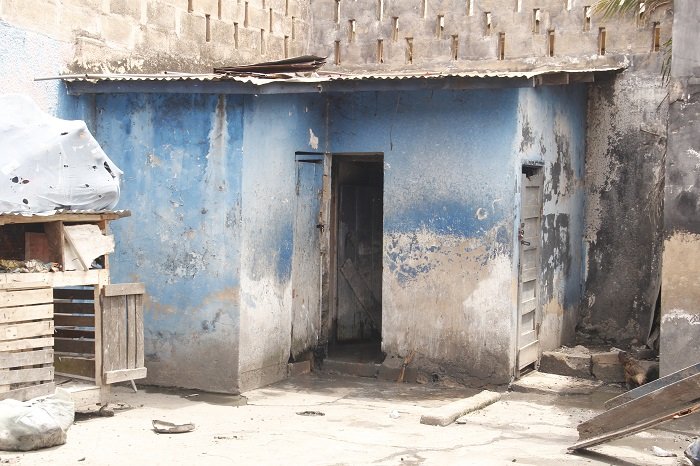
At the Roxy Cinema, the transformation was impossible to ignore. The once lively space has taken on a new life; one shaped not by entertainment, but by survival.
Under simple, makeshift shelters, women prepare meals over open fires. Nearby, colourful clothes hang across long wooden benches, the same benches that once held eager cinema-goers waiting for the show to begin.
Buckets, basins and cooking pots are neatly arranged in corners, turning what used to be a place of escape into something far more practical: a place to live and to work.
For those who now occupy the space, this is not about replacing cinema, it is about meeting daily needs.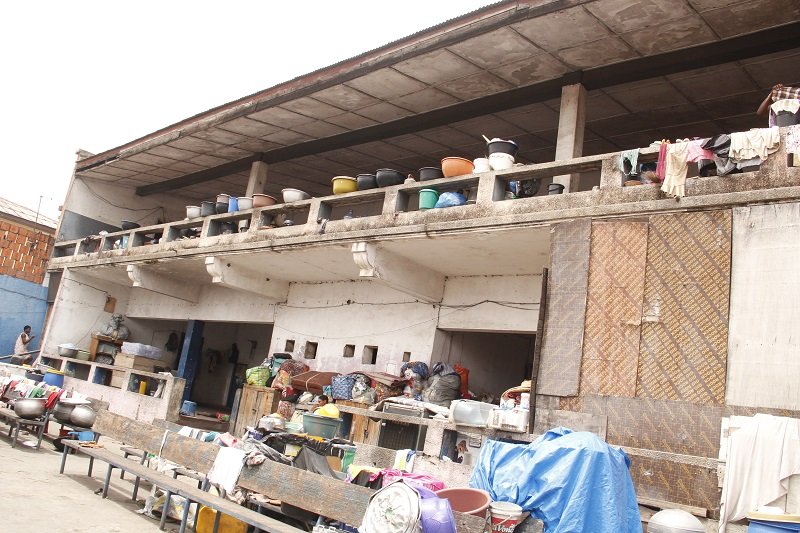
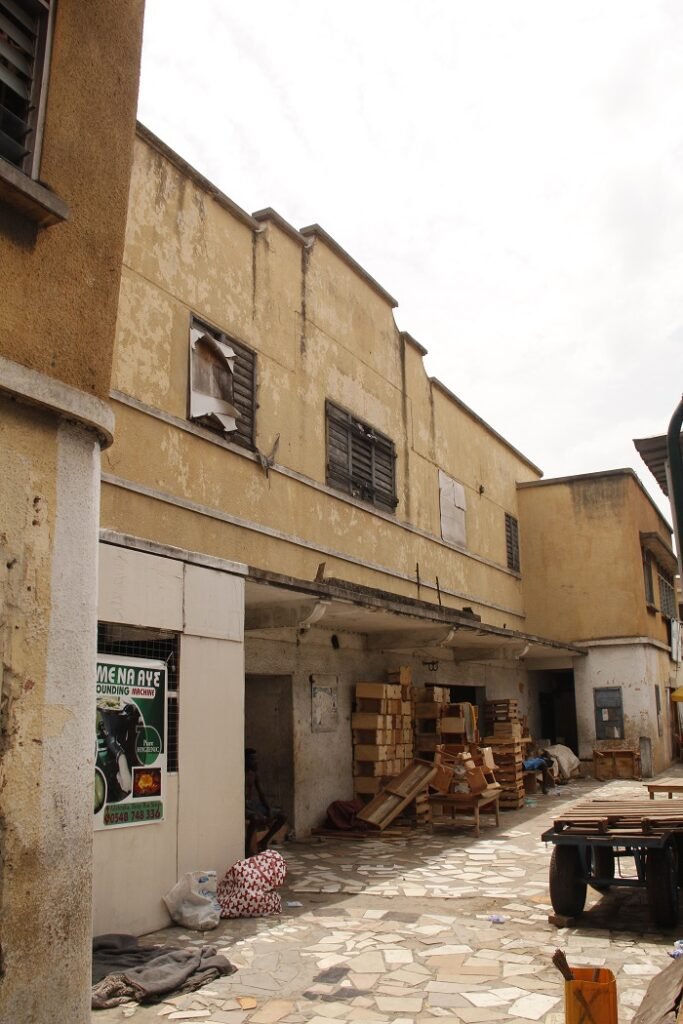
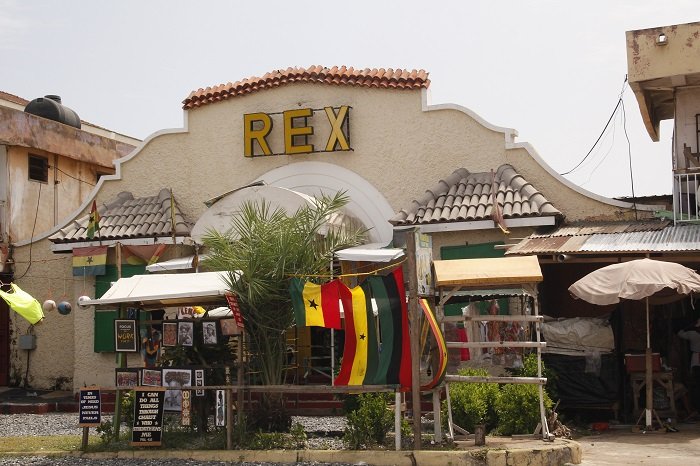
Not far away, the story at Rex Cinema unfolds differently, but leads to the same conclusion.
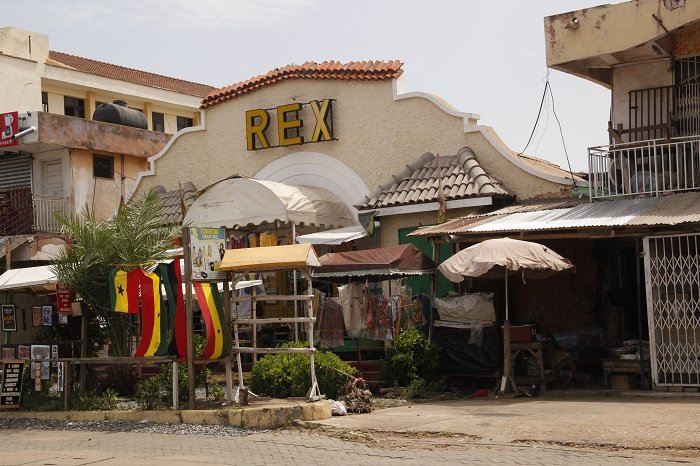
At the entrance of the Rex Cinema, the bold sign still announces its name, as if holding on to its identity. But behind that name, the purpose has changed.
Where people once queued for tickets, Ghanaian-themed items now hang for sale. A Black Stars jersey sways gently at the entrance, welcoming not movie lovers, but customers.
Inside, glimpses through glass doors reveal stacked goods and household items. The cinema has quietly transitioned into a storage and trading space.
At Orion Cinema, the entrance to the main cinema hall has been locked but the front view is filled with newspaper vendors, black market operators and food stuff vendors.
Across Ghana, many of these once-beloved spaces have slowly slipped into similar states. These spaces are either abandoned, repurposed or simply forgotten.
Years ago, under the Ghana Film Industry Corporation, cinemas were central to social life. They were places where stories, both local and foreign, helped shape identity and imagination. But times have changed.
Mr Bernard Tagoe, a caretaker at Roxy Cinema, for the past eight years, spoke to The Spectator candidly about the situation.
“Anything can happen, if the owners come today and say everyone should leave, we’ll have to go. So I always remind them to be ready,” he stated.
He noted that some of the women cook and sell food to earn a living, while others simply need a place to rest.
He said a monthly fee of GH¢100 is taken to pay for property rates and other expenses, adding that, “receipts of such payments have been safely kept for the future.”
Today, entertainment fits into the palm of a hand. With mobile phones and streaming platforms, the need to gather in one place to watch a film has faded.
“Now, everything is on the phone,” the caretaker reflected. “Back then, it was different.”
And yet, even in this changing landscape, there is a quiet effort to hold on to remember, and perhaps, to rebuild.
A recent visit by the National Film Authority (NFA), led by its Executive Director, Kafui Danku, has brought renewed attention to these forgotten spaces.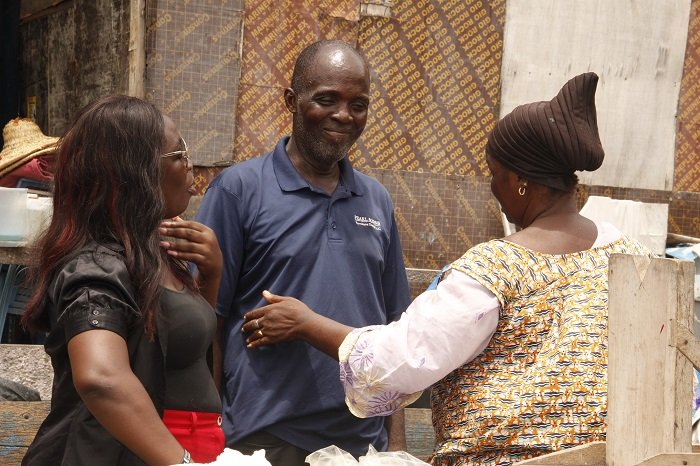
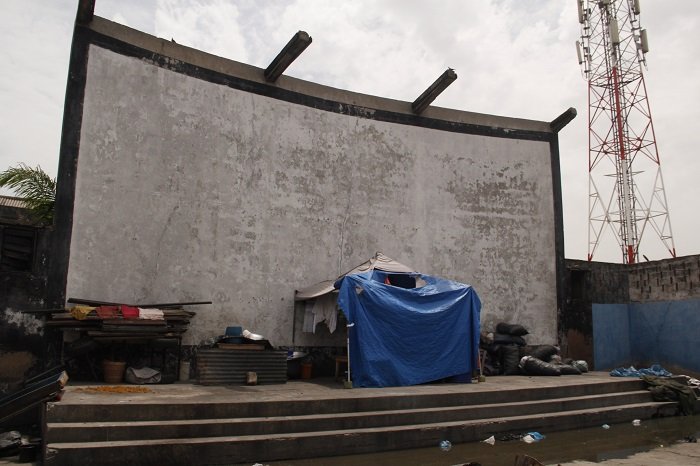
Touring sites including the Orion Cinema, the team encountered scenes that were difficult to ignore.
Describing one such visit as ‘heartbreaking,’ Ms Danku’s words reflected not just the physical state of the buildings, but the emotional weight of what has been lost.
She highlighted the urgency of intervention and the need to preserve these cultural landmarks before they are entirely lost.
She said plans were underway to reclaim and restore some of these cinemas, adding that the vision was to transform them into modern film centres and creative spaces that served today’s generation while preserving yesterday’s legacy.
“Our goal is clear, to stimulate private investment, expand cinema infrastructure and make film accessible to all Ghanaians,” she said.
Ms Danku described the plans of the NFA as an ambitious goal that carries promise for jobs, creativity and cultural renewal.
By Esinam Jemima Kuatsinu







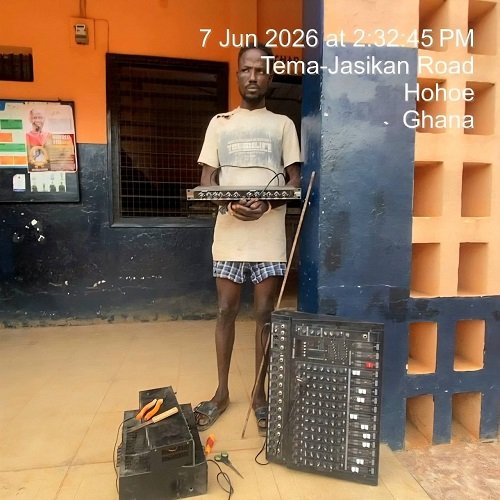
The Volta North Regional Police Command has secured a conviction of a 27 year old man Mohammed Rafiu for making unlawful entry and stealing church musical instruments at Hohoe in the Volta Region.
On June 5, 2026 the accused was observed near the Faith International Ministry Church carrying a sack containing various items rushing to hail a car.
The witnesses suspected his action and approached to check the content in the sack. The following items were found, One (1) Amplifier, One (1) equalizer, One (1) mixer and
Cross-over Machine all belonging to the church.
The accused was arrested and brought to the Hohoe Police District where he admitted to police to the charges leveled against him.
On Monday June 8, 2026 the accused was put before the Hohoe circuit cout where he pleaded guilty on two counts and was convicted and sentenced to three (3) years for unlawful entry and four (4) years of stealing.
Both sentences are to run concurrently.
The Volta North Regional Police Command has urged the general public to immediately report any suspected criminal activities to the Police for action.
News
Dome-Kwabenya MP, Ga East MCE tour flood-prone areas in the constituency, assure victims of support
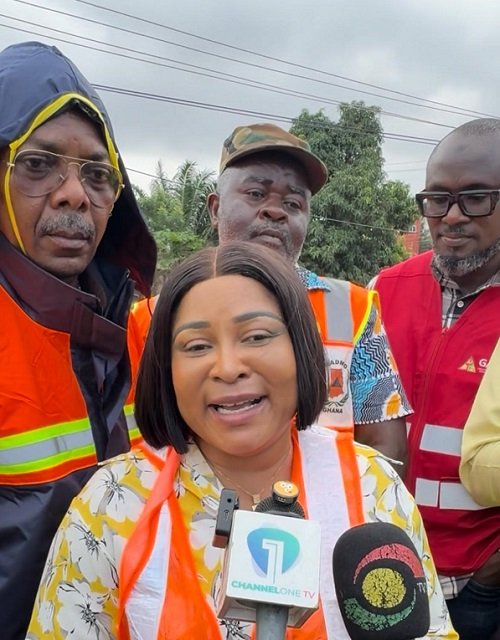
The Member of Parliament (MP) for Dome-Kwabenya, Elikplim Akurugu, together with the Municipal Chief Executive for the Ga East Municipal Assembly, Edmund Agboh, and officials of the assembly, have toured several flood-prone communities in the constituency to identify the causes of recent flooding and inspect structures obstructing waterways.
The inspection made on the Monday, 8th June, 2026 formed part of efforts to assess the extent of the flooding, identify structures built on waterways, and develop plans for their demolition to prevent future occurrences.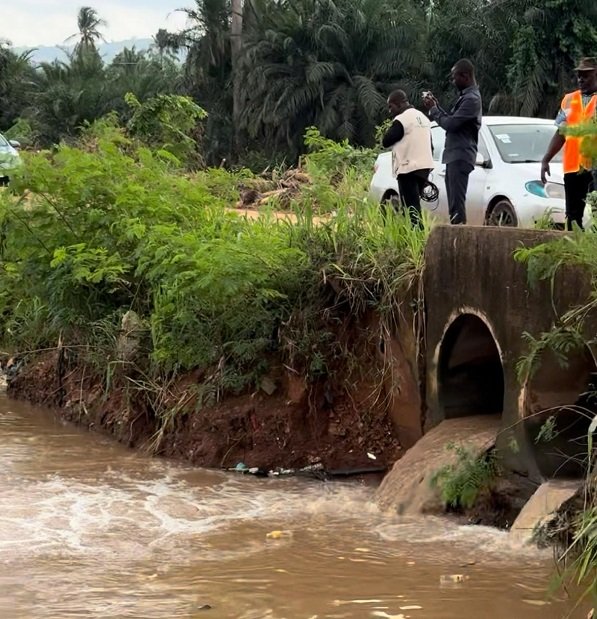
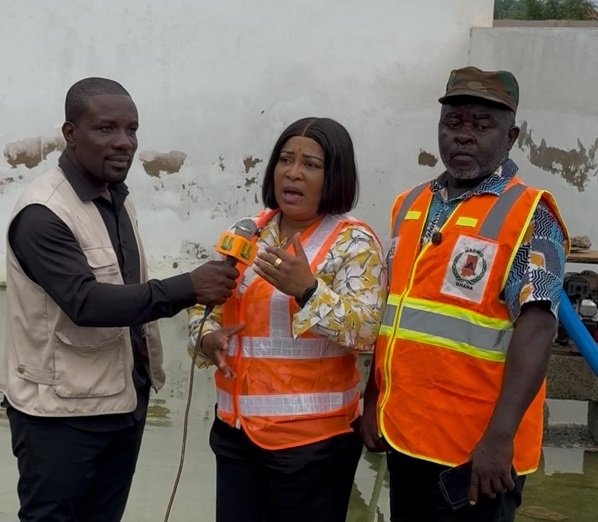
Some areas visited during the tour included Christian Village, Sesemi, Abokobi Station, Falaku and the Pure Water area, all of which were affected by the recent floods that hit parts of the constituency.
Speaking to the media after the inspection, the MP expressed sadness over the destruction caused by the floods, noting that although no lives were lost, many residents had suffered significant property damage.
She attributed much of the flooding to human activities such as indiscriminate dumping of refuse into drains and the construction of buildings on waterways and drainage channels.
The MP appealed to residents to change their attitudes towards sanitation and environmental management, stressing that the country did not have a deficit of prayers but rather an attitude deficit.
She assured residents that the assembly and its technical team would immediately begin work to address some of the drainage challenges identified during the tour.
Ms. Akurugu sympathised with residents whose homes and businesses were affected by the floods and assured them that efforts were being made to secure relief items to support them.
The Municipal Chief Executive of the Ga East Municipal Assembly, Edmund Agboh, said the inspection was intended to take stock of the causes of the recent flooding, which he described as unprecedented.
According to him, the assembly wants to be proactive by identifying and addressing the factors responsible for the flooding before the next rainy season.
Mr. Agboh blamed part of the problem on the increasing number of structures being erected on waterways and drainage paths, as well as the failure of some residents to comply with building regulations.
He disclosed that many of the structures identified during the inspection would be marked for demolition after the necessary procedures had been completed.
The MCE further announced plans to intensify inspections, particularly on weekends, explaining that some developers often undertake unauthorised construction works on Saturdays and Sundays when assembly officials are not at work.
He said the assembly would collaborate with neighbouring jurisdictions and deploy additional resources to improve drainage systems and reduce flooding in the municipality.
The MCE assured that the assembly will use the findings from the inspection to implement immediate and long-term measures aimed at reducing flooding and protecting lives and property in Dome-Kwabenya.
The Director of Works at the Ga East Municipal Assembly, Engineer Justine Glover, said the team inspected several critical locations along the Dakobi River and other flood-prone areas.
He explained that at Pantang Village, officials directed contractors to excavate and open blocked culvert outlets to allow the free flow of water during rainfall.
At Sesemi, he said the team observed extensive damage caused by upstream developments and the absence of proper drainage infrastructure.
Engineer Glover added that officials recommended dredging drainage channels at Abokobi Station to improve the performance of existing culverts.
He further revealed that some structures identified on waterways at Falaku had been earmarked for demolition as part of efforts to restore the natural flow of water.
In addition to the inspection, the MP and the MCE visited residents affected by the floods in the Pure Water area to offer words of encouragement and assure them of support.
The tour also revealed that many residents had constructed buildings on waterways, while several structures lacked the required building permits, a situation officials said had contributed significantly to the flooding experienced in the constituency.
By: Jacob Aggrey