News
NuGhana Expat Center and ACCP organise Diaspora Dialogue Session to address growing diaspora concerns in Ghana

- /home/u249204778/domains/spectator.com.gh/public_html/wp-content/plugins/mvp-social-buttons/mvp-social-buttons.php on line 27
https://spectator.com.gh/wp-content/uploads/2026/06/WhatsApp-Image-2026-06-09-at-12.06.13-1000x600.jpeg&description=NuGhana Expat Center and ACCP organise Diaspora Dialogue Session to address growing diaspora concerns in Ghana', 'pinterestShare', 'width=750,height=350'); return false;" title="Pin This Post">
- Share
- Tweet /home/u249204778/domains/spectator.com.gh/public_html/wp-content/plugins/mvp-social-buttons/mvp-social-buttons.php on line 72
https://spectator.com.gh/wp-content/uploads/2026/06/WhatsApp-Image-2026-06-09-at-12.06.13-1000x600.jpeg&description=NuGhana Expat Center and ACCP organise Diaspora Dialogue Session to address growing diaspora concerns in Ghana', 'pinterestShare', 'width=750,height=350'); return false;" title="Pin This Post">
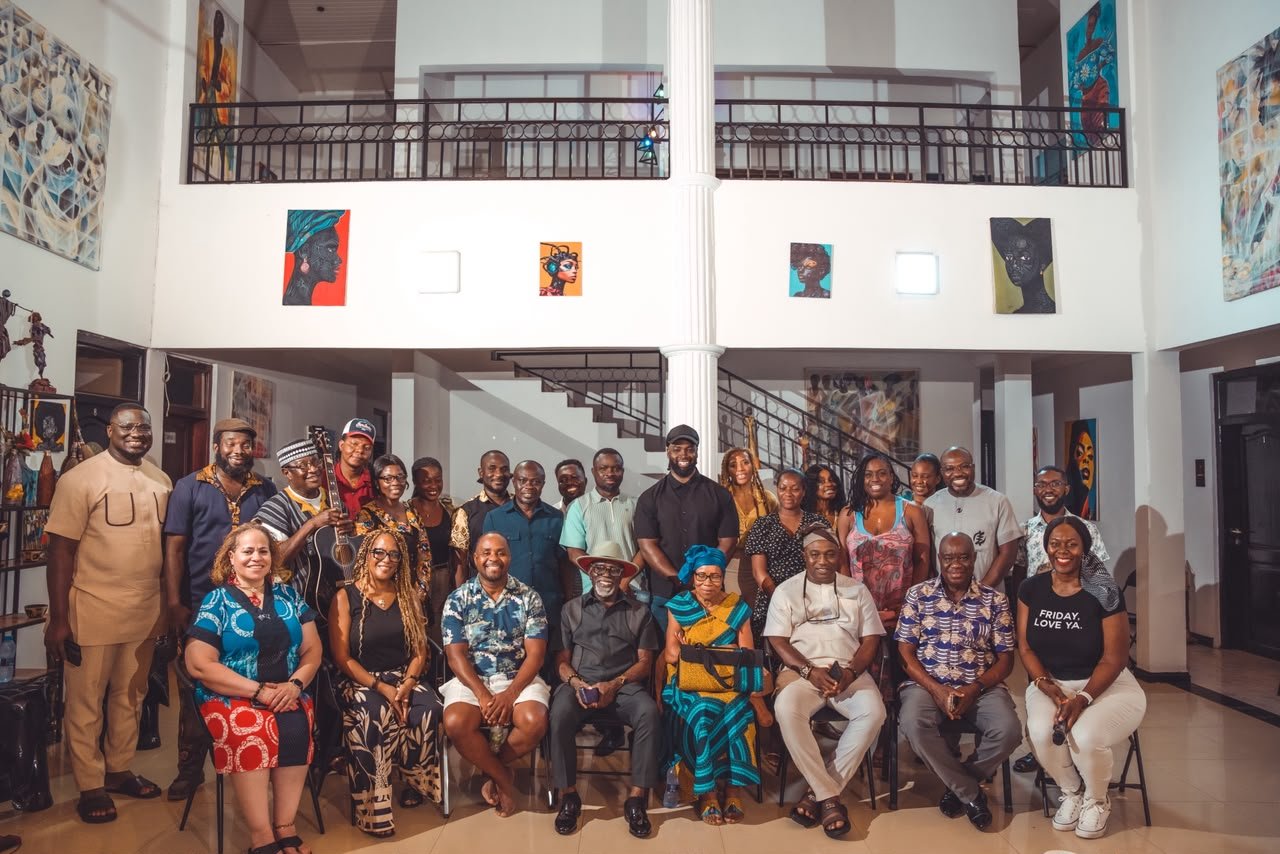
The NuGhana Expat Center, in collaboration with the African Chamber of Content Producers (ACCP), has organised a landmark Diaspora Safety and Justice Dialogue to address rising concerns among diasporans, returnees, and foreign nationals living in Ghana.
The dialogue, held at Nteasee House (also known as the Diaspora House) in East Legon, Accra, followed an official letter from NuGhana Expat Center to the ACCP expressing deep concerns over growing diaspora agitations.
In the letter dated May 11, 2026, NuGhana detailed numerous complaints from Black diasporans who have suffered land scams, business fraud, extortion, and weak follow-up from authorities.
The letter warned that if left unaddressed, these negative experiences could generate damaging narratives about Ghana and the continent at large.
According to sources within the Chamber, the letter triggered an emergency meeting of the ACCP’s Executive Council, which resolved to engage directly with affected diasporans as part of a fact-finding mission.
The Council noted that the situation, if not urgently addressed, could directly undermine the Chamber’s core mandate to project a positive image of the African continent, shape constructive narratives about Africa, and safeguard the reputation of Ghana and its diaspora engagement initiatives.
The ACCP delegation at the dialogue was led by veteran media executive Harold Roger Quartey, veteran actor Fred Nii Amugi, educationist Rachael Annoh (PhD), research expert David Adofo, ARTIOS award winner Mawuko Kuadzi, and ACCP Executive Director, Dwomoh-Doyen Benjamin.
Also present was Chief Superintendent Amoako Boansi (rtd), a retired police commissioner, along with representatives from traditional councils, officials from security agencies, and media representatives.
The event attracted both physical participants at the venue and several virtual participants who joined from across the world, underscoring the global reach of the concerns being raised.
Executives of the International Expat Center led by their Executive Director Nana Kofi Opoku Agyemang opened the dialogue session with several petitions received from Diasporans in Ghana and other parts of Africa.
The dialogue, described by attendees as “cathartic yet urgent,” saw diasporans pour out their hearts over years of accumulated frustration. Many recounted deep emotional turmoil, scams, fraud, allegations of false arrests, romance scams, and a sense of abandonment when seeking justice.
Virtual participants from various continents indicated that the problem is not unique to Ghana, reporting similar challenges in other African countries where they reside or have attempted to invest.
One diasporan, who spoke on condition of anonymity, said, “I came home with dreams and savings. Today, I am afraid to step out because of who might deceive me next.”
The ACCP delegation, visibly moved by the testimonies, pledged concrete action. Veteran actor Fred Nii Amugi assured the gathering that the Chamber would organise a larger townhall meeting to give diaspora concerns a broader platform.
He added that the Chamber would ensure that the relevant state agencies, and if possible, the President of Ghana, are invited to participate in pathway development for lasting solutions.
“We have heard you, and we will not look away,” Mr. Amugi said. “Your safety and dignity are inseparable from Ghana’s honour.”
Chairman of ACCP’s Cultural and Media Sector, Mr. Harold Roger Quartey pledged to engage further with NuGhana Expat Center as the Chamber deliberates on deeper, lasting solutions to the concerns of the diaspora community.
Chief Superintendent Amoako Boansi (rtd), after listening to the several frustrations aired by diasporans, promised to take action. He indicated that he would collect some of the video testimonies of the diasporans and present them personally to the Inspector General of Police (IGP) for possible advice and further action on the situation.
He also remarked that the situation requires multiple stakeholder engagements, particularly with the security services and the media working together.
He expressed happiness at seeing veteran media personality Mr. Roger Quartey and veteran actor Fred Nii Amugi as part of the ACCP delegation, noting that such collaboration between security and media professionals is essential to addressing the complex challenges facing diasporans.
Among the key solutions proposed during the dialogue was the establishment of a diaspora protection taskforce to look into diaspora concerns.
According to NuGhana, a formal proposal has already been sent to the President of Ghana and various agencies, including the Bureau of National Intelligence, Ministry of Interior, Office of National Security, and the Ghana Immigration Service.
Participants also called for proper and regular education on diaspora integration, a task the Chamber has assigned to its educational arm, the African Progressive Research and Innovations (APRIL), to develop.
Additionally, a dedicated platform for diaspora engagement and networking is being developed by NuGhana International Expat Center with partners, including the forthcoming AfroTango Platform.
A proposed Diasporan-African educational film was also discussed, with Roger Quartey and Mawuko Kuadzi tasked to lead the initiative through the Africa Monologue Challengeinitiative.
Speaking after the dialogue, Nana Kofi Opoku-Agyemang, Executive Director of NuGhana Expat Center, expressed satisfaction that diasporans were finally able to pour out their hearts in a safe, structured environment.
“I am deeply grateful to the diasporans who trusted us with their stories, and to the ACCP leadership for listening with open minds,” he said. “I am very hopeful that the ACCP team and partners will work around the clock to help bring some relief to this situation.”
Nana Dwomoh-Doyen Benjamin, Executive Director of the African Chamber of Content Producers, reaffirmed the Chamber’s commitment to safeguarding the image of the continent.
“The Chamber is committed to protecting the image of the continent and will work with all relevant agencies and members to restore hope to diasporans who have grown frustrated through their encounters with a few bad nuts within society,” he stated.
He confirmed that a special committee has been established to organise the larger townhall engagement, adding that details would be released in the coming days.
By: Jacob Aggrey






Women have been asked not to dismiss painless lumps in the breast, as the absence of pain does not mean a lump is harmless.
A Specialist Radiation Oncologist at the Korle-Bu Teaching Hospital, Dr Mary Ann Dadzie, said women should seek medical attention promptly whenever they noticed any unusual changes in the breast.
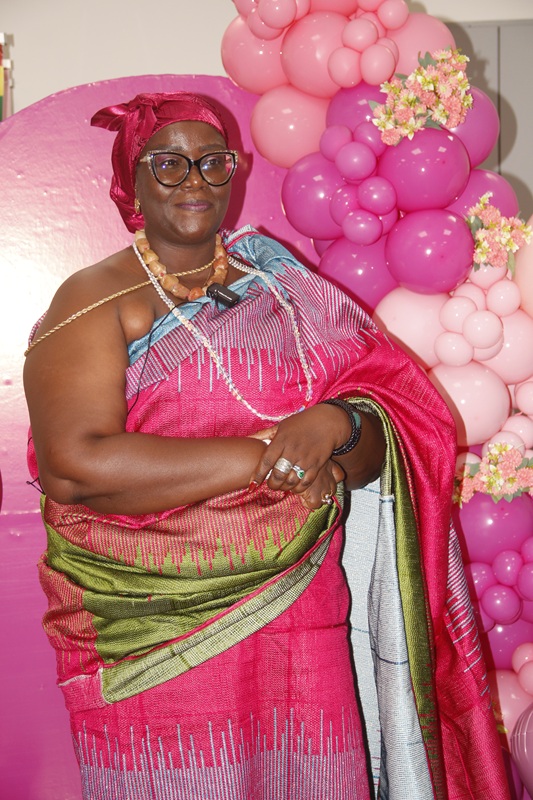
“A painless lump is not a harmless lump. You need to take action and not wait for pain,” she said.![Prof.Dr.Grace Ayensu-Danquah [middle] launching of Breast Cancer Awarencss Mouth with Dr.Caroline Reindorf Amissah[second from right] and other officials Photo Okai Elizabeth.](https://spectator.com.gh/wp-content/uploads/2026/10/Prof.Dr_.Grace-Ayensu-Danquah-middle-launching-of-Breast-Cancer-Awarencss-Mouth-with-Dr.Caroline-Reindorf-Amissahsecond-from-right-and-other-officials-Photo-Okai-Elizabeth.jpg)
Dr Dadzie made the call at the 2026 national launch of Breast Cancer Awareness Month, held on the theme, “early action, better outcomes.”
She expressed concern that about 45 per cent of breast cancer patients seen at Korle-Bu failed to return after starting treatment.
According to her, some patients began treatment but later stopped reporting to the hospital, leaving health professionals uncertain about their wellbeing.
She attributed the situation to several factors, including fear of death, financial difficulties, long distances to health facilities, lack of time and stigma.
Dr Dadzie urged women to know their breasts and seek medical attention within two weeks of noticing any abnormality.
She said warning signs could include a lump or thickening in the breast or armpit, changes in breast size, an inverted nipple, nipple discharge and changes in the skin, including redness, sores or an orange-peel appearance.
She cautioned women not to assume they were safe simply because they had no family history of breast cancer, explaining that only about five to 10 per cent of women with the disease had a familial or genetic mutation.
Dr Dadzie encouraged women to undergo regular clinical breast examinations and discuss appropriate screening options, including mammography and ultrasound, with health professionals.
She also called on families, particularly husbands and partners, to support women who needed breast examinations or treatment.
“Home is where the support begins,” she said, urging families to provide practical assistance such as transportation and childcare.
Dr Dadzie further appealed for breast cancer services to be brought closer to communities through increased access to mammography, ultrasound and biopsy services, as well as the training of more health professionals.
The Deputy Minister of Health, Prof. Dr Grace Ayensu- Danquah, said breast cancer remained a major health concern among women in Ghana, with an estimated 4,650 new cases and about 2,060 deaths recorded annually.
She said Ghana’s breast cancer response focused on prevention, early detection, equitable access to treatment and compassionate care.
Dr Ayensu-Danquah said the country was working to strengthen awareness, clinical breast examinations, referral systems, pathology and diagnostic services to improve breast cancer outcomes.
The World Health Organisation (WHO) representative, Dr Joana Ansong, said too many women continued to present with advanced breast cancer, resulting in avoidable suffering and deaths.
She called for stronger health education, timely diagnosis, rapid referral and equitable access to comprehensive treatment and support.
Dr Ansong said breast cancer awareness should move beyond campaigns to sustained action involving government, communities, health professionals, civil society organisations, the private sector and families.
By Esinam Jemima Kuatsinu
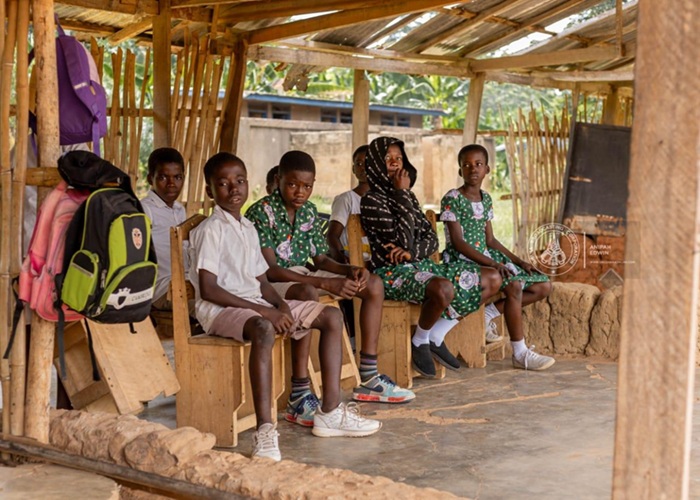
Authorities of Percheyire R/C Basic School in the Yilo Krobo District of the Eastern Region are concerned about the safety of teachers and learners of the school, as reports of the condition of the structure appear to have fallen on deaf ears.
The ramshackle classroom structure looks like one that could cave in in the case of a heavy storm and, according to the teachers, teaching and learning become impossible when the rains set in.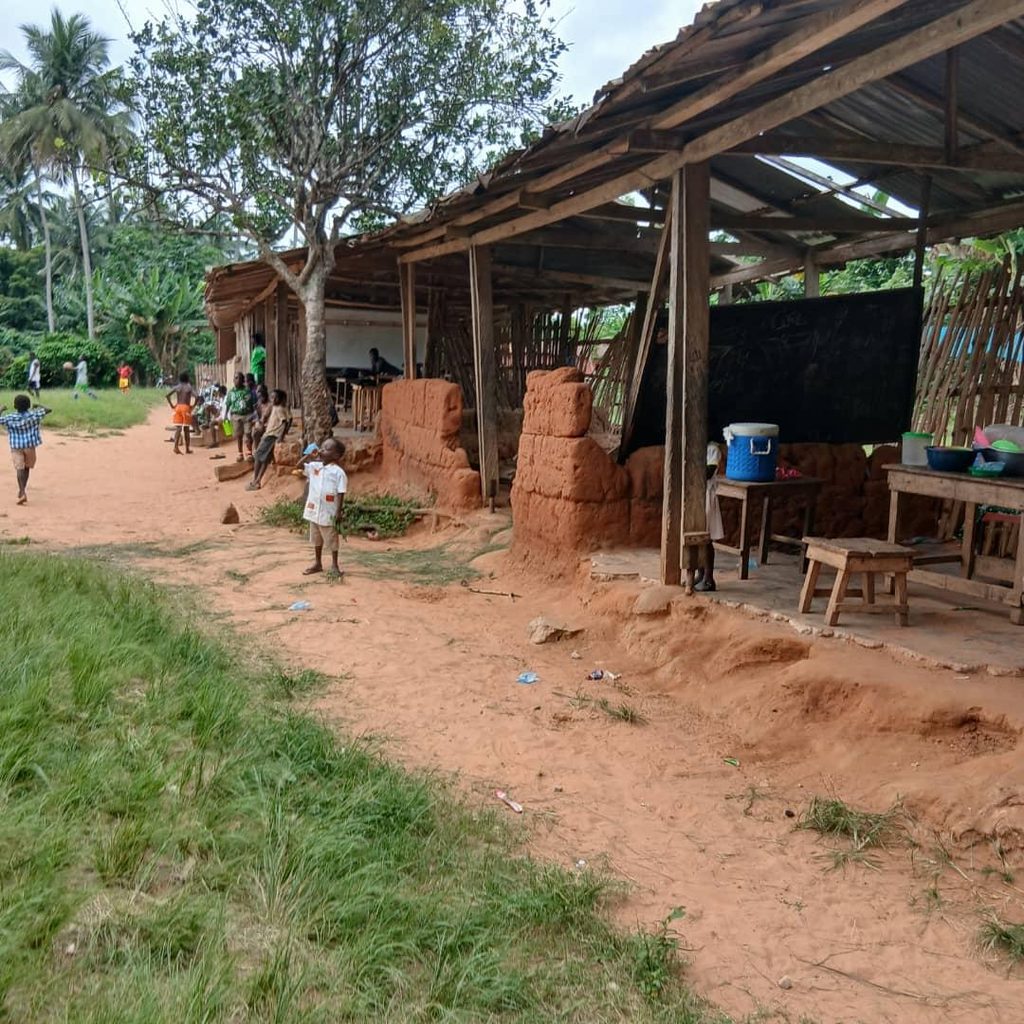
The structure, which accommodates pupils from Primary Four to Six, has worn-out roofing sheets, mud walls and sections supported by wood used as pillars.
A source at the school, who requested anonymity, told The Spectator in an interview that the situation was particularly difficult during the rainy season.
“When it rains, it means teaching and learning would come to an end,” he said.
The source explained that the challenge affected only the upper primary section, as pupils from Kindergarten to Primary Three were housed in a relatively better block.
According to the source, about 30 pupils from Primary Four to Six currently use the dilapidated structure, but expressed grave concern about its condition.
The source, however, said that the safety of the pupils, their furniture and books remained a concern, particularly during heavy rains.
The source said the situation had been reported to the relevant authorities and was hopeful that the structure would eventually be reconstructed.
Some pupils sitting in one of the classrooms
Despite the visit to the school, authorities indicated that work would be undertaken, but the school was yet to receive further information on when the project would begin.
The source also identified the poor road network to the school as another challenge affecting enrolment, saying the school serves pupils from Percheyire and three neighbouring communities.
It also emerged that an enrolment drive embarked upon in one of the communities, Togodo, showed that more than 60 school-going children lived in the community, but were unable to attend the school regularly because of the distance and poor road.
The school currently has about 110 pupils from Kindergarten through Junior High School, according to the source.
The source said improving both the classroom infrastructure and the road network would help create a more conducive learning environment and potentially improve enrolment.
A former teacher of the school, Rev. Elizabeth Korasare, said she was surprised to find the structure still in use after 38 years.
“I was surprised to see that the classroom I sat in 38 years ago is in the same state. Even though there are some new blocks, the upper primary is still housed in that same dilapidated structure,” she told The Spectator.
She therefore appealed to the relevant stakeholders to support the school by building a modern structure and improving the road network.
By Esinam Jemima Kuatsinu
SKIP THE QUEUE, TAP THE NEWS
You can now read the Ghanaian Times and The Spectator newspapers from the comfort of your device via TimesNewsPlus.
Join our WhatsApp Channel: https://whatsapp.com/channel/0029VbBElzjInlqHhl1aTU27