Profile
Salamatu Ahmed, Ghana’s only female Hausa sports broadcaster

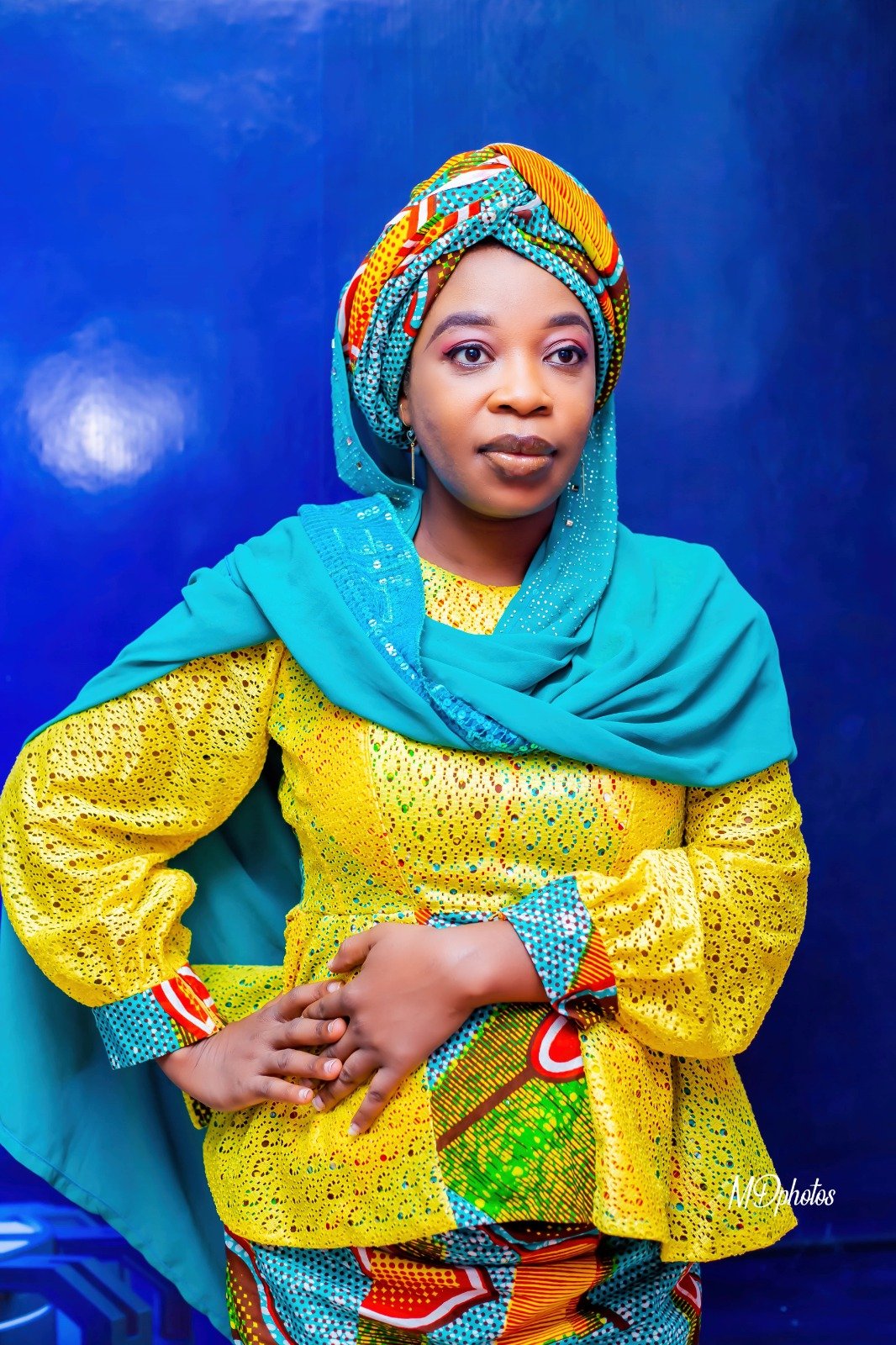
In a field long dominated by men, she has turned her microphone into a tool for change, amplifying women’s voices, promoting gender equality, and challenging deep-rooted stereotypes in sports journalism.
In Ghana’s media landscape, especially in the arena of sports, Salamatu Ahmed stands out. Not just as the host of Iqra Radio’s popular morning show, but as the country’s only female Hausa sports broadcaster.
From humble beginnings in Lagos to an influential voice behind the microphone in Accra, her journey is one of boldness, resilience, and purpose.
“I grew up in a close-knit neighbourhood in Lagos where everyone looked out for each other,” she recalled in an interview with The Spectator on Monday. “There was no discrimination. I could enter any house, share a meal or even sleep over without raising eyebrows. That spirit of unity shaped my values.”
She said, her love for broadcasting was sparked by her father, who was an athlete and devoted news watcher. Her father loved sports and news and recounted how she used to sit with him, watching the newscasters and wondering how they memorised so much.
“I later found out they used a teleprompter-what a relief!” she said with a laughter.
Salamatu’s passion for football heightened during the France ‘98 World Cup. “I watched almost all the matches. That tournament made me fall completely in love with the game,” she said.
But it was not until years later that broadcasting became a real career path-and quite unexpectedly.
She recounted how a friend of hers was managing Hijra TV asked her if she knew anyone who could do Hausa sports for the TV station.
She grabbed the opportunity as she was not working at the time, saying “so I offered myself,” she explained. “That was how it all started.” From Hijra TV, she moved on to Baina TV and eventually found her home at Iqra Radio.
Though her original dream was to become an English-language sports anchor, Hausa unexpectedly became her breakthrough. “People always ask how I manage to do it in Hausa, and the fascinating part is I am a woman doing it. That’s what truly sets it apart.”
But the journey has not been without hurdles. As a woman in sports media, she has had to fight for access and respect.
“It is always difficult getting interviews. Some male counterparts do not like sharing contacts or information,” she said.
Salamatu recounted how early on, men would ask for sexual favours in exchange for job opportunities. She said it got so discouraging that she left job-hunting for a while and ventured into business instead.
Now firmly established in her field, she uses her platform not only to cover sports, but to push for systemic change. As a panelist on various forums and a vocal supporter of women’s football, Salamatu has advocated for increased investment, better pay, and more opportunities for female athletes.
“Why should male footballers be paid more for doing the same job?” she quizzed during the conversation. “Female athletes often do not get bonuses or incentives that make life easier for them. People label us feminists for speaking out-but isn’t it just fairness?”
She also spoke passionately about how female athletes face scrutiny that goes beyond performance. “Look at Barbara Banda of Zambia; she faced criticism for being too ‘masculine.’ Imane Khelif, the Algerian boxer, faced similar discrimination. It’s disheartening. People forget these women are excelling at their craft.”

In 2024, Salamatu’s influence reached the global stage when she was selected to represent Ghana at the Fourth Eurasian Women’s Forum in St. Petersburg, Russia. There, she joined other global leaders in conversations about empowering women in media, politics, and business.
“That experience showed me that our voices matter beyond our borders,” she said. “We are not just fighting for recognition here; we are part of a global movement.”
Away from the microphone, Salamatu is known for her bubbly personality. “I am a fun-loving person-anything fun, count me in! I love cooking, watching movies, and reading.”
She credits her background-a Muslim from a Zango family for instilling in her resilience and discipline.
After schooling in Lagos, she moved to Ghana and earned a diploma in Communication Studies from the African University College of Communications (AUCC), now African University of Communication and Business (AUCB).
Her greatest pride is being the only female voice doing Hausa sports broadcasting in Ghana.
“Until someone else comes along, I will keep holding this fort,” she said with a smile. “It is my biggest achievement so far.”
For young girls looking up to her, she urged them never to be intimidated but rather carve a niche for themselves and be unique.
“You do not have to sound like or look like everyone else. Just be you and be excellent,” she added.
By Esinam Jemima Kuatsinu








IN the annals of Ghana’s sporting history, certain individuals stand out not merely for participating in sport, but for transforming it.
Rev. Emmanuel D. Niikoi is one such figures. Revered as the father of modern netball in Ghana, is widely credited with rescuing the game from near extinction and transforming it into a vibrant, structured and nationally recognised sports discipline.
His journey reflects vision, resilience and an unwavering commitment to youth and sports development.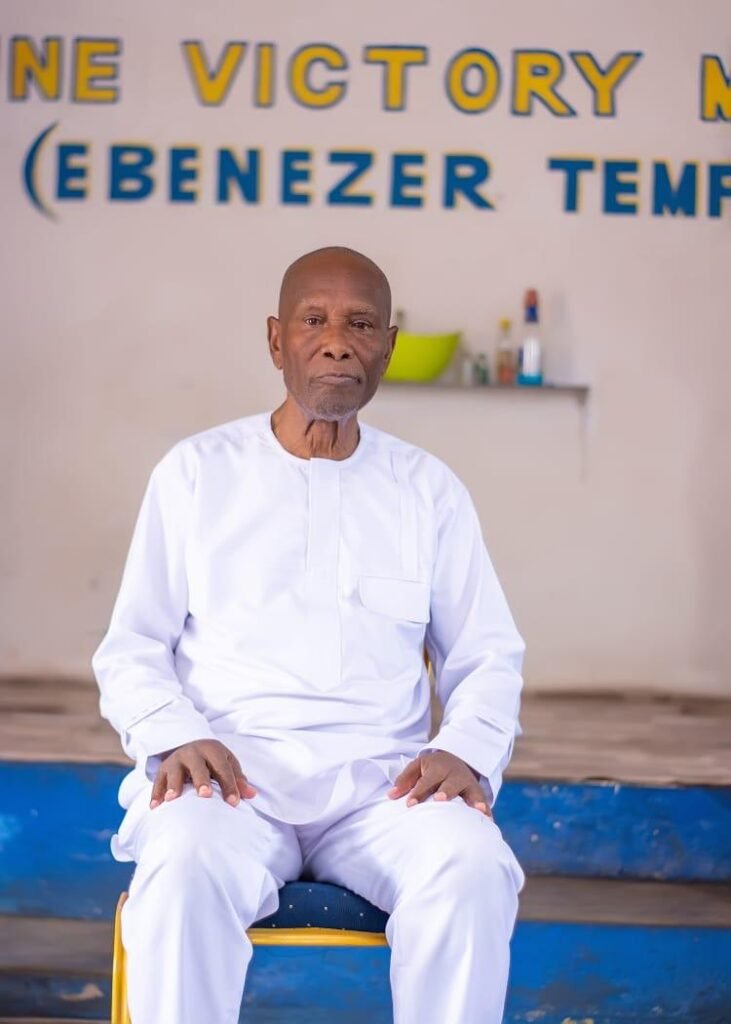
Netball was introduced to the then Gold Coast by Christian missionaries alongside formal education. By the 1960s and early 1970s, the sport had gained remarkable popularity in schools and colleges, ranking second only to football and, in some institutions, rivaling it in appeal.
However, during the 1974/75 academic year, the Ghana Education Service (GES) took a policy decision to step down netball in favour of basketball development. The decision dealt a severe blow to the sport.
Between 1975 and 1985, competitive netball virtually disappeared from Ghana’s sporting calendar.
That decision of the GES can be blamed for the current state of the sports that is producing heroines across the globe.
The revival of the game can be traced to 1985 during the Golden Jubilee celebration of the Ghana Broadcasting Corporation (GBC).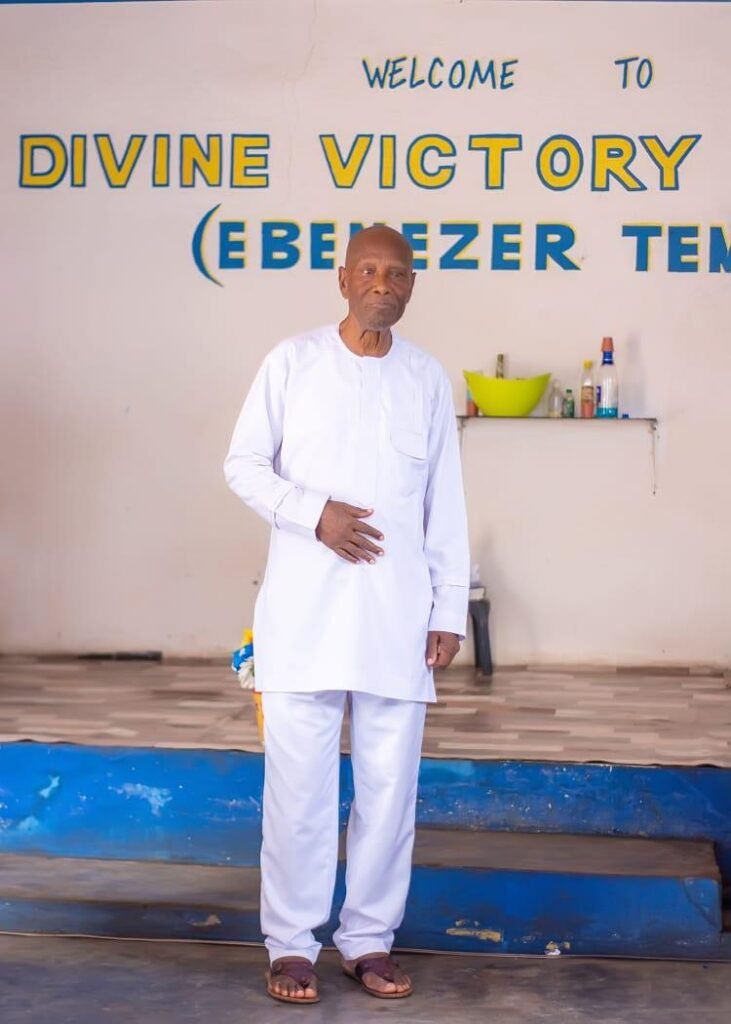
At the time, Rev. Niikoi was serving as Chief Editor (News) in the Radio Newsroom. Understanding both the historical importance and untapped potential of netball, he championed the inclusion of a netball tournament as part of the anniversary celebrations. The event reignited public interest and reminded many of the sport’s former glory.
Crucially, Rev. Niikoi did not allow the momentum to fade after the festivities. The GBC netball team formed for the tournament, aptly named “Golden Hands,” became the cornerstone of a national revival campaign.
With determination and personal sacrifice, he led tours across the country, using the team as a practical training platform.
He personally taught sports teachers under the GES the official rules of netball, reintroduced structured competition, and restored confidence in the sport’s viability.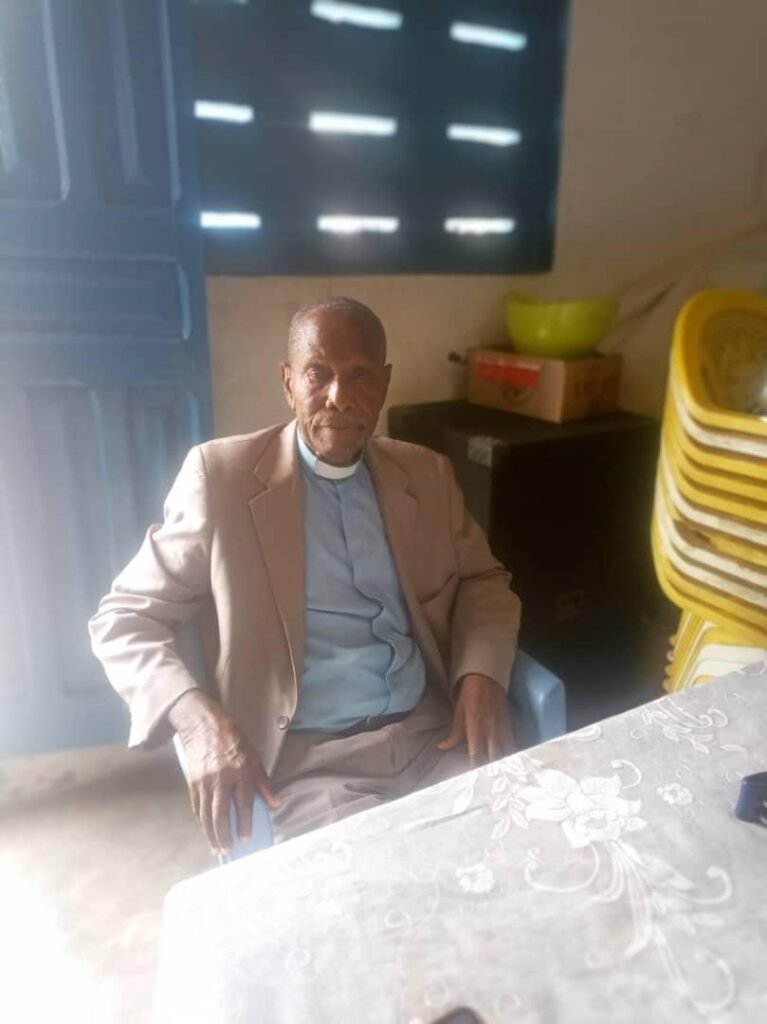
These efforts culminated with the formation of the Netball Association of Ghana in 1988, now known as the Netball Federation of Ghana.
In 1990, the association gained formal recognition from the National Sports Authorities, previously known as the National Sports Council (NSC), restoring netball’s status as an official sporting discipline.
This milestone marked the rebirth of organised netball in Ghana and cemented Rev. Niikoi’s place as founder of the national governing body.
Revival soon transitioned into consolidation. Over the years, Rev. Niikoi consistently lobbied educational and sports authorities to reintegrate netball into major school competitions.
His advocacy led to the sport’s reintroduction into the National Basic Schools Sports Festival, the Senior High and Technical Schools Sports Festival, the Colleges of Education games, and competitions under the Ghana University Sports Association (GUSA).
Today, netball is played across the entire educational structure in Ghana, from basic schools to public universities, a testament to his sustained and strategic efforts.
On the continental and global front, Ghana is a full member of World Netball and was a founding member of the Confederation of Africa Netball Associations (CANA), now Africa Netball.
In 2004, Ghana hosted the inaugural Africa Netball Cup of Nations in Accra and emerged champions after defeating Namibia in the final. The victory not only boosted Ghana’s sporting image but also validated years of groundwork.
In 2007, Rev. Niikoi was elected Director of Marketing and Media for CANA, serving a four-year term and contributing to the sport’s development across the continent.
In 2019, following governance reforms required by the International Olympic Committee to lift sanctions related to state interference in sports administration, national federations were mandated to adopt independent constitutions. Under this new framework, the Netball Federation of Ghana successfully drafted its constitution and conducted elections.
On June 19, 2019, Rev. Niikoi was elected the federation’s first President under the independent constitutional order which is symbolic and deserved recognition of decades of service.
Beyond netball administration, Rev. Niikoi also served two terms spanning eight years from March 2018 to March 2025 as an Executive Board Member of the Ghana Olympic Committee.
His presence on the board ensured that netball maintained visibility within Ghana’s broader Olympic movement.
A Bachelor of Arts graduate in Combined Honours (History and Law), Rev. Emmanuel D. Niikoi has trained numerous coaches and umpires nationwide, strengthening the sport’s technical foundation and ensuring sustainability.
His leadership style combines administrative discipline with grassroots engagement, making him both a strategist and a mentor.
From dormancy to dynamism, the resurgence of netball in Ghana bears his unmistakable imprint. Through advocacy, institution-building and capacity development, Rev. Niikoi has secured a lasting legacy.
Today, every netball match played in Ghana, whether at a basic school court or a university festival stands as living testimony to his vision and perseverance.
By Esinam Jemima Kuatsinu
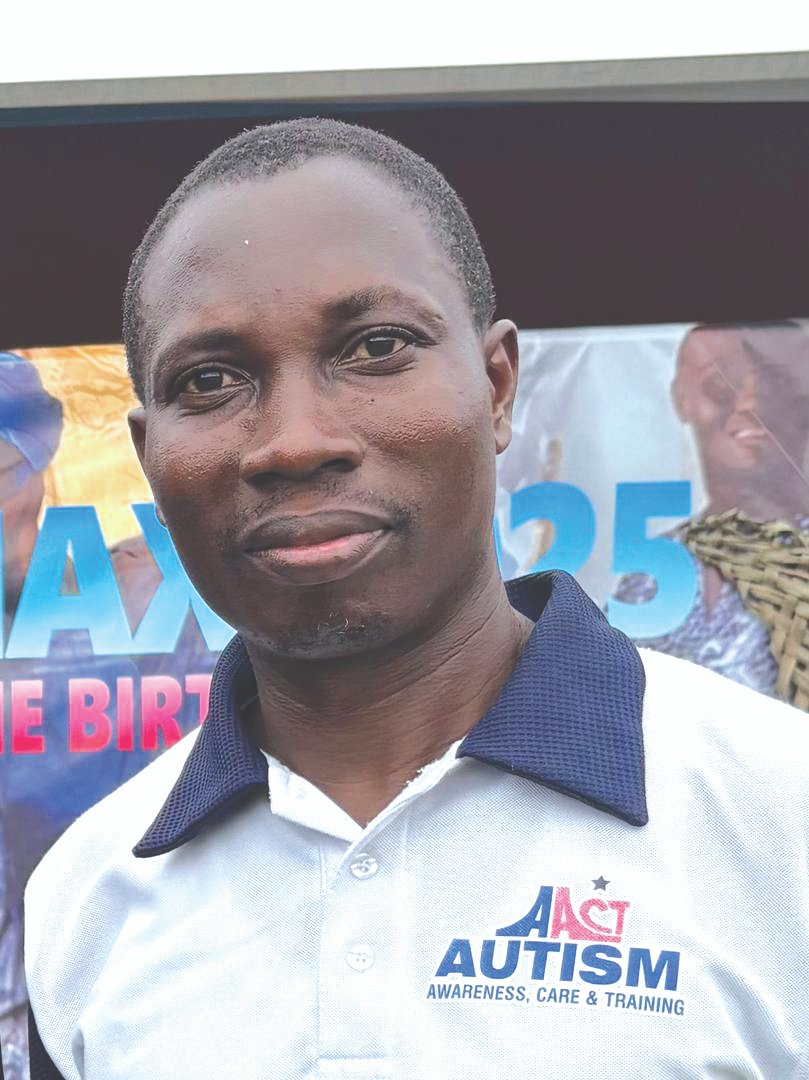
AUTISM Awareness Care and Training (AACT) is Ghana’s first autism-focused centre, playing a pioneering role in the care, education, and advocacy for children on the autism spectrum and their families.
Established in 1998, AACT began as a parent-support and training initiative at a time when autism was poorly understood in Ghana. Many families raising autistic children faced stigma, isolation, and limited access to information or professional assistance.
Over the years, the organisation has evolved into a full-fledged autism care and training centre, responding to the growing demand for specialised services and sustained nationwide awareness.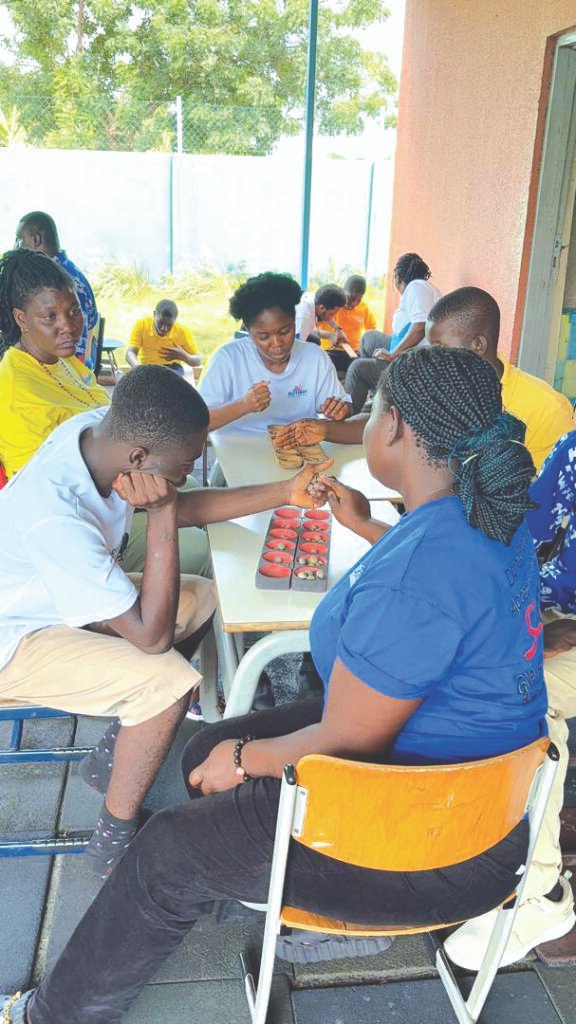
AACT is currently located in Haatso, Accra, where it operates a structured day programme serving about 25 learners daily. The centre provides a safe, inclusive, and supportive environment where children with autism are guided to develop essential life, social, and functional skills.
Programmes at the centre focus on independent living skills, vocational and pre-vocational training, functional academic skills, and therapeutic interventions. These activities are tailored to the individual needs of each learner, recognising that children on the autism spectrum learn and develop at different paces.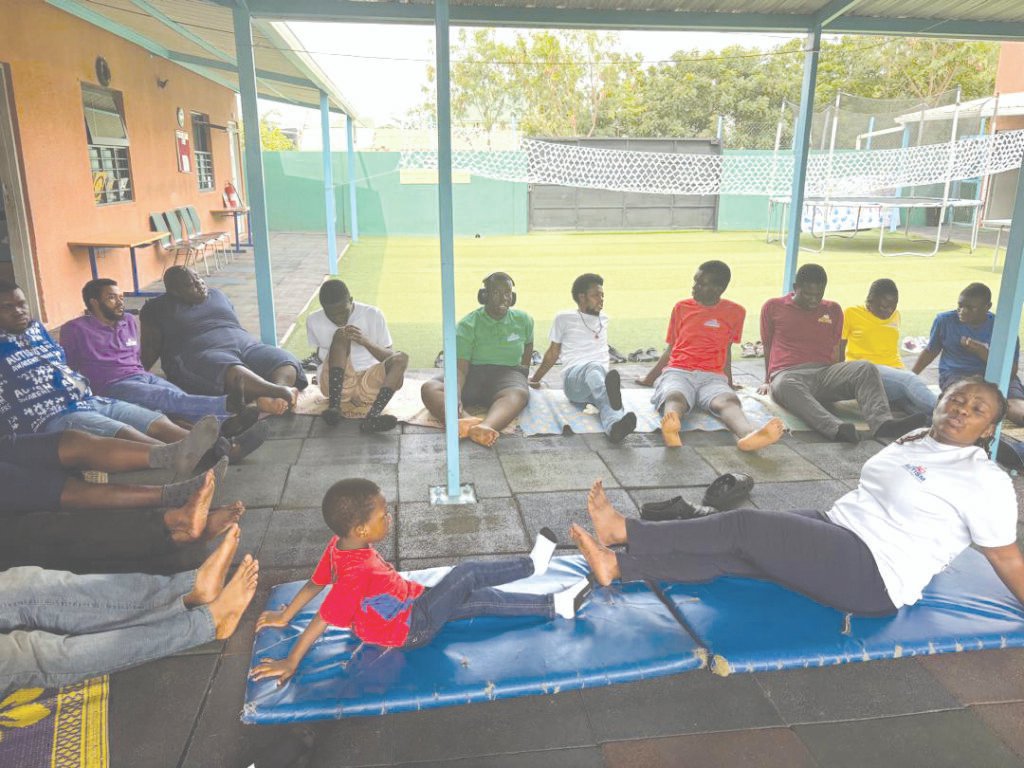
According to Abeiku Grant, Head of Programmes at AACT, the centre’s philosophy is centred on ability rather than limitation.
“Every autistic child is different,” he said. “Our work is to support them at their own pace and help them discover what they can do, not to focus on what they cannot do.”
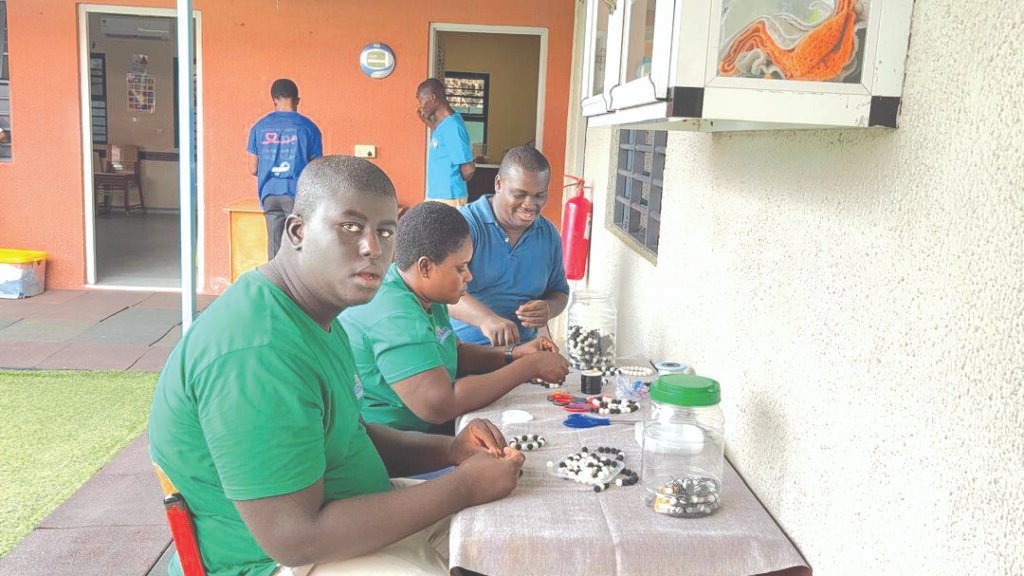
Beyond centre-based services, AACT places strong emphasis on autism awareness and advocacy, particularly within schools and communities. Many children with autism in Ghana continue to face rejection and exclusion due to stigma, misinformation, and the lack of trained personnel in educational institutions.
In 2025, AACT reached over 20 schools across the country, providing autism education to teachers, students, and school administrators.
The organisation also runs free teacher training programmes, equipping educators with practical knowledge and basic tools to support autistic learners in inclusive classroom settings.
“Many schools tell us they are not resourced or trained to handle autistic learners,” Mr Grant explained. “Instead of waiting for change, we decided to go to them and train teachers for free.”
AACT also engages learners directly, addressing widespread misconceptions about autism, including the false belief that autism is contagious or caused by bad parenting. These outreach programmes aim to build empathy among students and promote peer support for autistic learners in mainstream schools.
Another major challenge confronting families is limited access to autism services, especially outside Accra. With most autism centres concentrated in the capital, many families from other regions are forced to travel long distances or keep their children at home due to cost, stigma, or lack of support.
“Education is not meant only for typical children,” Mr Grant stressed. “Children with autism also have the right to education and care. No child should be hidden because of lack of understanding or opportunity.”
As part of its outreach work, AACT supports parents to overcome stigma and encourages social interaction for children with autism, believing that community engagement is essential for development and confidence building.
In December 2025, the centre received what it described as its largest donation of the year, raised by children from the Unmasked Mentoring initiative. According to the organisation, the donation was particularly significant as it demonstrated empathy and social responsibility among young people.
As a non-governmental, non-profit organisation, AACT depends largely on donations, partnerships, and goodwill to sustain and expand its work. Current needs include a minibus for community-based social activities, expansion of its facility to accommodate more learners, sponsorship support for children from financially challenged families, and funding to scale autism awareness programmes nationwide.
Looking ahead, AACT envisions a Ghanaian society that is inclusive, informed, and supportive of persons with autism.
“Our goal is a Ghana where children with autism are accepted and supported,” Mr Grant said. “Every child has potential. All they need is understanding, opportunity, and care.”
By Esinam Jemima Kuatsinu
Join our WhatsApp Channel now!
https://whatsapp.com/channel/0029VbBElzjInlqHhl1aTU27