Hot!
Rise in unregulated world of Accra’s ‘shadow boys’

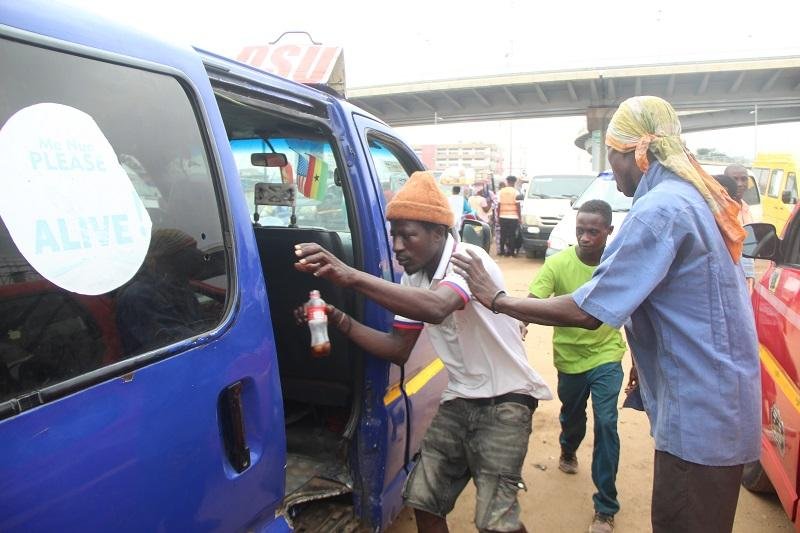
A popular loading boy at the Odawna trotro station happily going about his work
Amidst the chaos of honking cars and shouting bus conductors at various bus terminals in Accra, these group of young men who call themselves ‘shadow boys’ can be seen darting between vehicles, while directing potential commuters to commercial buses for transport.
The story of the ‘shadow boys’ is one of resilience in the face of increasing unemployment and also, a testament to the struggling but evolving transportation system in Ghana.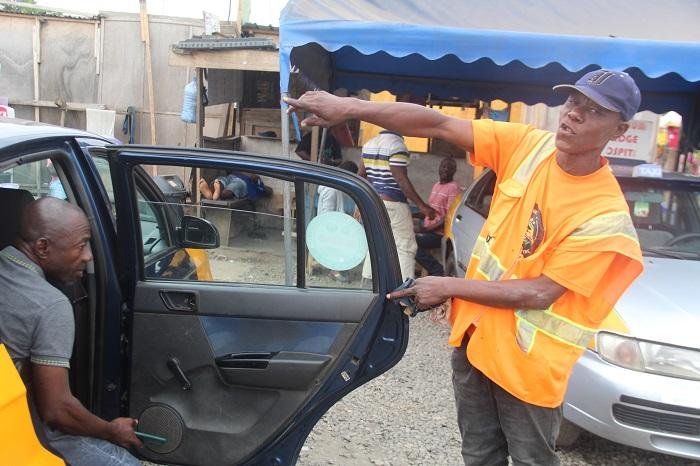
According to a 2023 report from Trading Economics, Ghana’s unemployment rate has risen to 3.6 per cent, with indications of rising further at the end of 2024.
Although this number may seem modest compared to other African countries, the reality is that many young people like the ‘shadow boys’ are forced to take up unconventional jobs to survive amidst rising cost of living in the country.
The lack of limited jobs and opportunities has led to a surge in unconventional occupations, with ‘shadow boys’ being a prime example.
In recent times, they have increased significantly in number and can be seen at almost every bus terminal and loading station in Accra; where they abound and go about their daily operations. Although an unconventional job, ‘shadow boys’ depend on this work for their daily survival. Their job can be described as a hand-to-mouth work because generally, they struggle to get reasonable profit for their labour.
Currently, they receive a commission which ranges from GHȻ5 to GHȻ10 per each bus they fill. This price is however subject to change depending on the number of passengers, they are able to bring for each bus. On good days, they can make up to GHȻ150 but on normal days, they settle with a paltry GhȻ50.
Kwame Foster, is a 29-year-old ‘shadow boy’ at Circle. According to him, their job description is to help official bus conductors get passengers for their commercial vehicles, commonly referred to as ‘trotro’ in Ghana.
Kwame, who has been in this business since 2007 after he got injured as a bus conductor, said he chose to become a ‘Shadow Boys’ because he could not get another decent job to make ends meet. Kwame’s story is a reflection of the lives of many others who joined the business due to lack of alternative job prospects.
The life of ‘shadow boys’ is considerably difficult. They face numerous challenges including physical danger, harassment, unpredictable income and social stigma. Many people see them as nuisances and criminals, rather than hardworking individuals.
Faced with unpredictable income, their earnings vary greatly, with some days yielding nothing significant. The lack of recognition and regulation also exposes them to exploitation and abuse. Despite these struggles, the ‘shadow boys’ persevere, driven by the need to support themselves and their families.
Though informal, ‘shadow boys’ have become a third wheel in the transportation ecosystem. In areas like Madina, Circle, and other major transport hubs, they have become an integral part of the system, as daily they energetically solicit passengers for commercial transport vehicles.
Aside this and their work being a source of livelihood for them, they have also made easier the work of bus conductors. In essence, they contribute to the overall efficiency of the transport system by reducing the stress and uncertainty associated with finding the right vehicle for transit and ensuring that vehicles were fully occupied-thus reducing the number of empty vehicles on the road.
However, their methods have also been criticised for being overly aggressive and exploitative. Some drivers have reported being forced to pay exorbitant fees, with threats of violence or damage to their vehicles if they refuse.
Others also described instances where they refused services of ‘shadow boys’ who still insisted on being paid after getting passengers for the car. This raises concerns about the lack of regulation and oversight in the industry.
Their services may seem invaluable but general concerns surrounding their practices have sparked debate and raised questions about the legal framework governing their activities.
Ghanaian law does not specifically address the activities of ‘shadow boys.’ However, the Road Traffic Act (2004) and the Transport Ownership and Regulation Act (2015) provide some insight. While these laws primarily focus on vehicle operation and transportation services, they do not explicitly mention the role of intermediaries like ‘shadow boys.’
Again, the Ghana Road Transport Coordinating Council (GRTCC) regulates the transport sector, but its mandate does not extend to the activities of ‘shadow boys.’ Rather, the GRTCC’s focus lies in ensuring compliance with safety standards, vehicle maintenance, and fare regulation.
In the absence of specific legislation, ‘shadow boys’ operate in a legal gray area. Their services, though valuable to some, are often characterised by unregulated pricing and strong-arm tactics due to the absence of regulation for their service.
This, has led to increased calls for regulation and oversight to protect drivers, bus conductors, passengers, and the transport industry as a whole.
Some proposed that ‘shadow boys’ be licensed and registered, with clear guidelines on their fees and conduct. Others suggest that their services be integrated into the formal transport sector, ensuring fair compensation and adherence to established standards.
As Ghana’s transport industry continuous to evolve, the role of ‘shadow boys’ cannot be ignored. While their unconventional employment provides a means of livelihood, it also highlights the need for comprehensive regulation and protection for all stakeholders involved.
The Ministry of Transport is therefore urged to address the legal vacuum surrounding ‘shadow boys’ by developing policies to regulate their operations.
In conclusion, the activities of ‘shadow boys’ underscores the resourcefulness and adaptability of Ghanaians in the face of economic challenges. However, their activities must be regulated to ensure fairness and protection for all parties involved.
As the transport industry continues to grow, it is essential that policymakers and stakeholders work together to create a framework that acknowledges the contributions of ‘shadow boys’ while promoting a more formalised, efficient and equitable transport system.
University of Media, Arts
and Communication-Institute
of Journalism (UniMAC-IJ)
By Eyram Vordzorgbe

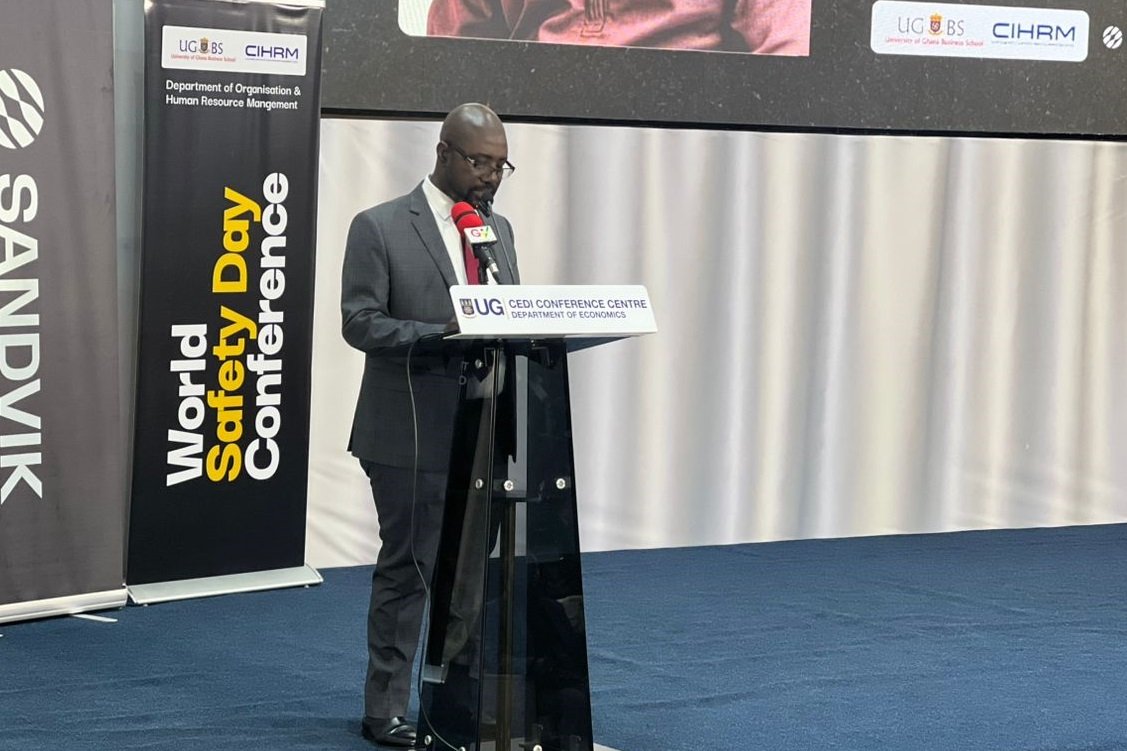
The Ghana Tourism Development Company Limited (GTD) in collaboration with the Department of Organisation and Human Resource Management, University of Ghana Business School (UGBS) has marked the 2026 World Safety Day Celebration in Accra.
The event held on Tuesday, April 28, 2026 at the Cedi Conference Centre, Legon was under the theme “Good Psychosocial Working Environment: A Pathway to Thriving Workers and Strong Organizations.”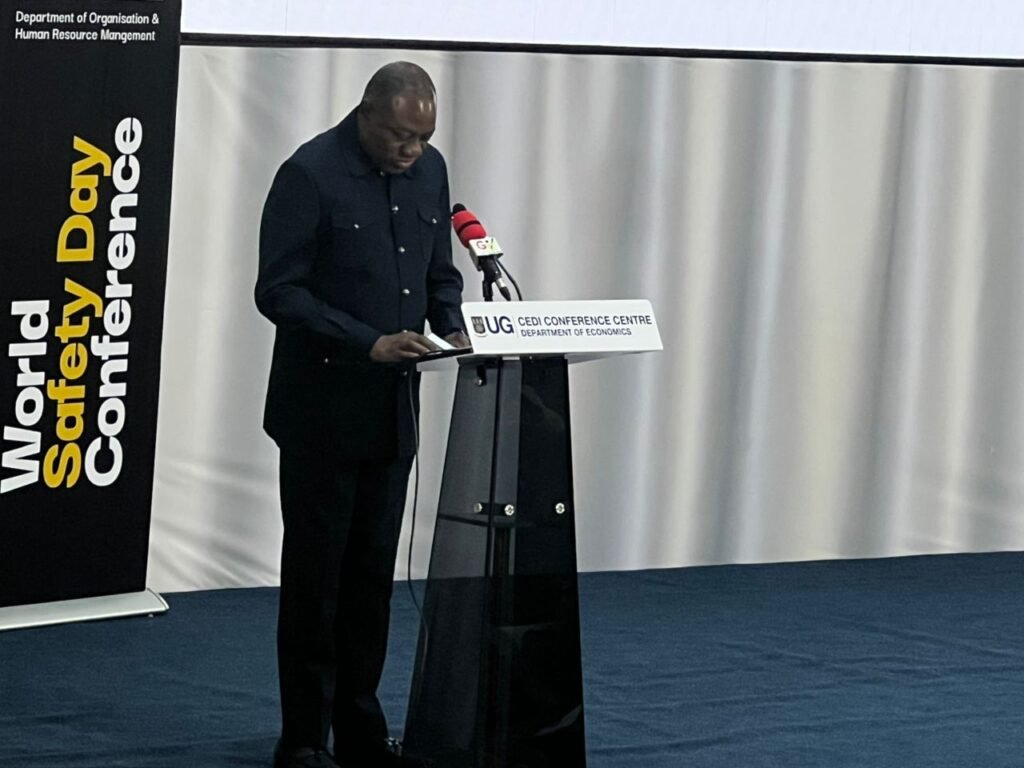
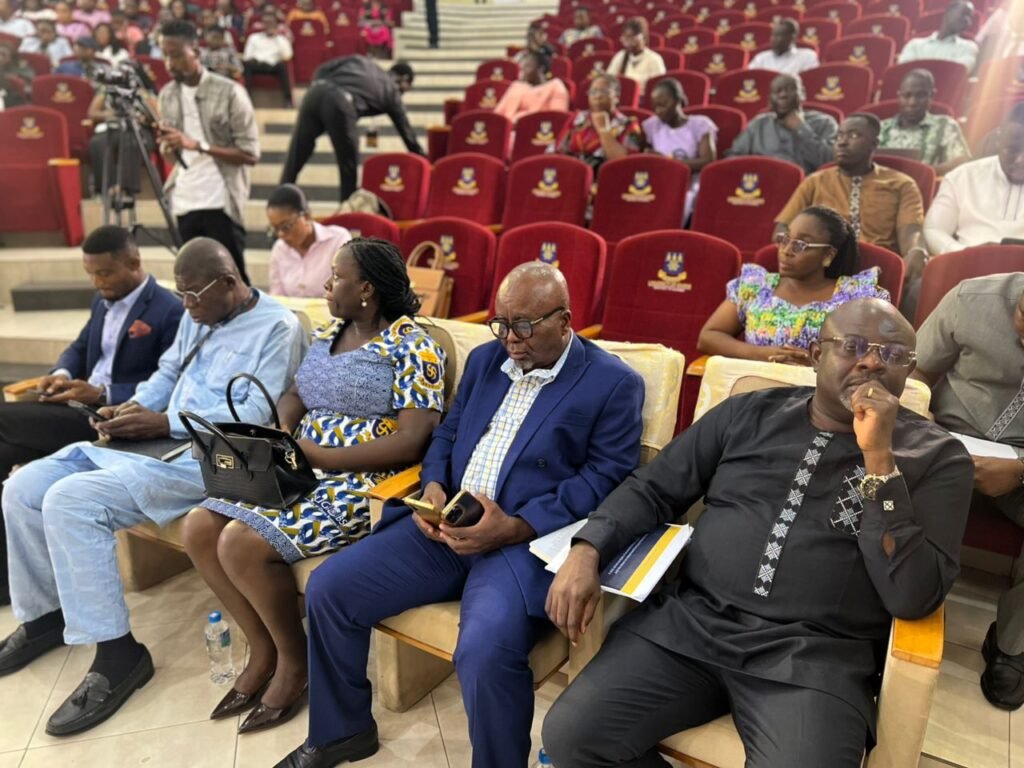
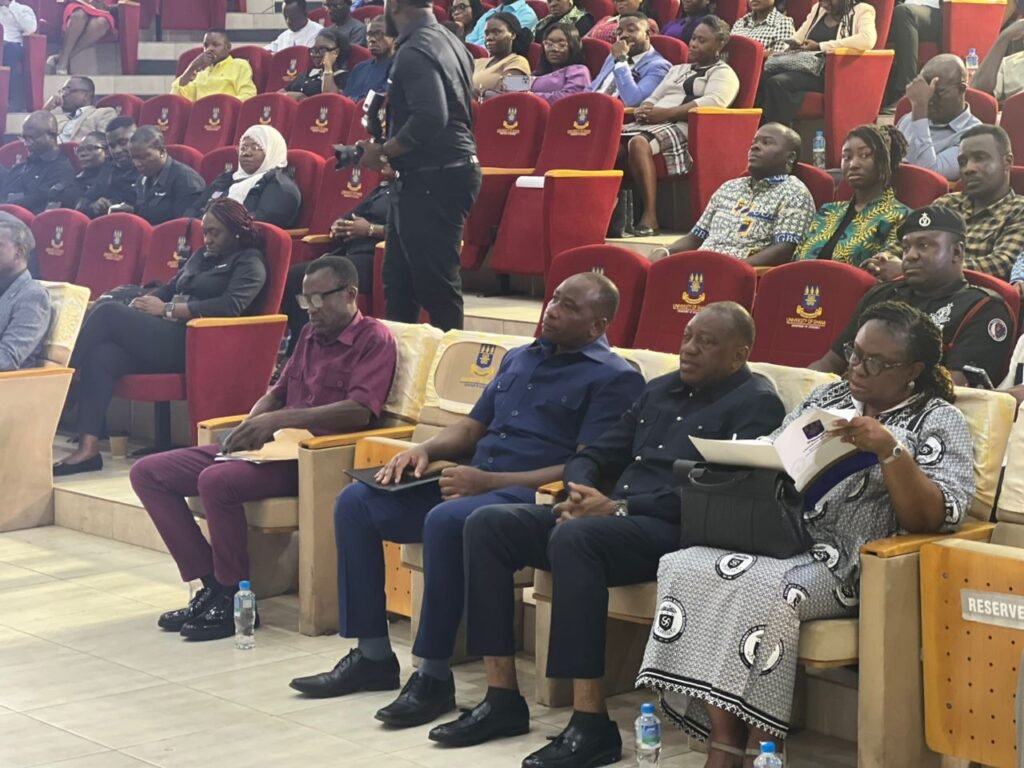
The day is observed globally to promote safe and healthy working conditions and to raise awareness about both physical and psychological risks at the workplace.
The event formed part of efforts by stakeholders to deepen national conversations on workplace safety, particularly the growing concern about psychosocial well being.
In his keynote address, the Minister for Labour, Jobs and Employment, Dr Abdul Rashid Hassan Pelpuo stressed that workers must not be treated as machines but as human beings with dignity, rights and families.
He explained that unsafe work environments marked by fear, harassment, intimidation and excessive pressure reduce productivity and weaken organisations.
He noted that although physical hazards such as faulty equipment and unsafe buildings remain a concern, psychological risks including excessive workload, bullying, job insecurity and toxic communication are equally dangerous and must be addressed.
According to him, psychological hazards are real, measurable and preventable, and should be treated with the same urgency as physical risks.
He maintained that safe and healthy working conditions are not a luxury but a fundamental right that supports productivity and social justice.
Dr Pelpuo further stated that the government remains committed to strengthening occupational safety and health systems, adding that worker wellbeing is a core responsibility of leadership and not a public relations issue.
He urged employers to create environments where dignity is protected, and workers are empowered to speak without fear.
The Dean of University of Ghana Business School, Prof Ernest Y Tweneboah Koduah noted that the school is committed to shaping a better world of work that is equitable, productive and sustainable.
He announced that the school has secured accreditation from the Ghana Tertiary Education Commission to introduce a programme in organisational health and safety.
He explained that gaps in workplace safety in Ghana are linked to weak enforcement, underreporting and limited professional training.
He added that the new programme will equip graduates with the skills to prioritise employee wellbeing as a key organisational responsibility.
Prof Tweneboah Koduah urged organisations to assess psychosocial risks, invest in human resource capacity and create environments where workers can openly discuss mental health concerns.
He emphasised that collaboration between academia and industry is essential to addressing workplace safety challenges.
Delivering remarks on behalf of the Vice Chancellor, the Registrar of the University of Ghana, Emelia Naa Kwantsua Agyei Mensah described the event as historic, noting that it is the first time the university is marking the global observance.
She explained that the focus on psychosocial wellbeing reflects current realities in the world of work.
She stated that employee health, including mental and emotional wellbeing, directly affects productivity, morale and institutional performance.
Mrs Agyei Mensah added that the university is committed to creating a safe and supportive environment for staff and students, beyond minimum legal requirements.
She called on leaders to reflect on the kind of workplaces they create and to prioritise the wellbeing of employees.
CEO of the GTDC, Prof Kobby on his part noted that its participation aligns with its commitment under the Riyadh Declaration, which calls on member states to improve infrastructure and public safety, as well as enhance services, transport, connectivity and accessibility.
He indicated that the company intends to use the platform to highlight Ghana’s readiness to implement the declaration, with a strong focus on worker safety and wellbeing as a foundation for sustainable tourism development.
The event brought together policymakers, academics, industry players and students to discuss strategies for improving workplace safety and promoting healthier work environments across the country.
By: Jacob Aggrey

The Ghana Armed Forces has confirmed that an escort convoy protecting civilians was attacked in Binduri in the Upper East Region, leaving three people dead.
In a press release issued on April 27, 2026, the military said the convoy, which was escorting about 140 civilians from Bawku to Bolgatanga, came under gunfire from unknown attackers.
It said the attackers shot at the convoy several times, killing three of the civilians being escorted and injuring one other person.
According to the statement, soldiers returned fire and were able to repel the attack. In the process, seven of the assailants were killed.
The military added that during a follow-up operation, weapons and ammunition were retrieved from a suspect who had taken refuge in a mosque.
The items included a G3 rifle, two loaded magazines, and additional rounds of ammunition.
It said ten other suspects have been arrested and are assisting with investigations.
The Ghana Armed Forces cautioned the public against engaging the military or any security agency during operations.
It extended condolences to the families of those who lost their lives and wished the injured person a speedy recovery.
By: Jacob Aggrey