News
Parliamentary delegation participates in IT workshop in Atlanta

- /home/u249204778/domains/spectator.com.gh/public_html/wp-content/plugins/mvp-social-buttons/mvp-social-buttons.php on line 27
https://spectator.com.gh/wp-content/uploads/2023/06/Dr.-Ali-Yallah-with-2nd-Deputy-Speaker-Hon.-Asiamah-Amoako.jpg&description=Parliamentary delegation participates in IT workshop in Atlanta', 'pinterestShare', 'width=750,height=350'); return false;" title="Pin This Post">
- Share
- Tweet /home/u249204778/domains/spectator.com.gh/public_html/wp-content/plugins/mvp-social-buttons/mvp-social-buttons.php on line 72
https://spectator.com.gh/wp-content/uploads/2023/06/Dr.-Ali-Yallah-with-2nd-Deputy-Speaker-Hon.-Asiamah-Amoako.jpg&description=Parliamentary delegation participates in IT workshop in Atlanta', 'pinterestShare', 'width=750,height=350'); return false;" title="Pin This Post">
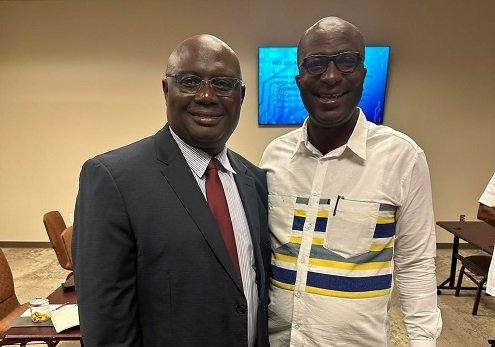
Dr. Ali Yallah with 2nd Deputy Speaker, Hon. Asiamah Amoako
During a recent working visit to the United States of America, a five-member Parliamentary delegation led by the 2nd Deputy Speaker, Hon. Asiamah Amoako, attended a workshop on technology and state governance in Atlanta.
The workshop, which had renowned US-based Ghanaian IT expert Dr. Ali Yallah as the lead resource person, discussed issues such as leadership transparency, accountability, fighting corruption, internal coordination, quality evaluation, and project prioritisation.
The three-hour comprehensive on-screen presentation by Dr. Yallah pointed out various ways in which the government of Ghana can use technology to change the lives of its citizens.
Dr. Yallah took the delegation through the benefits of technology in state governance and how to use “quality-driven methodology to select and implement technology that will benefit the country.”
“Appropriate application of technology allows for higher levels of effectiveness and efficiency in governmental tasks, increases the quality of public services, improves the use of information in decision-making processes, and allows for better communication among different governmental offices.
“Technology improves transparency, which is one of the ways through which people will continue to trust the government. A significant increase in the use of technology will have a great impact on different aspects of society and economic activities by making everyday procedures easier and more efficient”, he said.
Dr. Yallah enumerated the significant role of technology in the governance system of the United States of America and urged the government of Ghana to prioritise same.
Other Members of Parliament at the workshop were Hon. Andy Appiah-Kubi, Dr. Augustine Tawiah, Hon. Wisdom Gidisu. The Clerk of Committees, Hajia Ayisha Salifu was also present.
Dr. Ali Yallah is the Chief Information Officer at River Edge (the Georgia Department of Behavioural Health). He has over 30 years of experience in IT, 15 of which have been in leadership roles.
He holds a Ph.D. in information technology from Northcentral University, a Master of Science from Kennesaw State University, and a Bachelor of Science from the University of Wyoming. He is also the President of the Georgia Association of Chief Information Officers.
Born in Kotobabi, Accra, Dr. Yallah, also a Certified Project Manager, attended the Kotobabi public schools before moving to Aquinas Secondary School at Osu in Accra. He immigrated after Form 5 and had since resided in the United States of America.
By Spectator Reporter


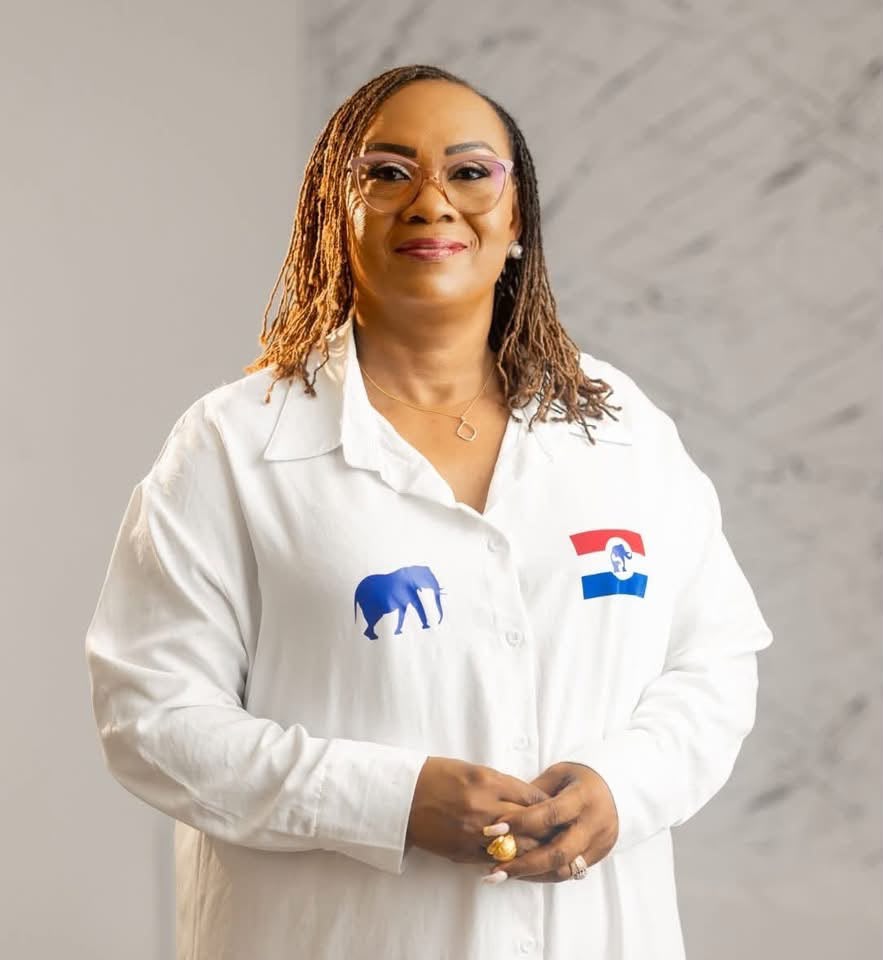
Former Awutu Senya East Member of Parliament, Mavis Hawa Koomson, has been elected the National Women’s Organiser of the New Patriotic Party (NPP).
She secured 738 votes to defeat her main contender, Mohammed Safia, who polled 429 votes in the election held on Saturday, October 3, 2026, at the Baba Yara Sports Stadium in Kumasi.
The election formed part of the NPP’s National Delegates Conference, which brought together delegates from across the country to elect new national executives for the party.
The conference was characterised by a colourful display of the NPP’s red, white and blue colours, with party supporters and delegates filling the stadium ahead of the various elections.
Former President Nana Addo Dankwa Akufo-Addo was among the prominent personalities who attended the delegates conference ahead of the elections.
Following the declaration of the results, Hawa Koomson moved around the stadium with some of her supporters, thanking delegates for voting for her and expressing confidence in her ability to lead the party’s women’s wing.
Speaking after her victory, Hawa Koomson said she would bring her experience and maturity to the position and work to strengthen the party’s women’s structures.
She indicated that she would work with her former contender, Mohammed Safia, despite the competition between them during the election.
“We are all NPP members and we are going to work together for victory,” she said.
According to her, her immediate task would be to unite the women of the party and mobilise them to contribute effectively to the NPP’s activities at the grassroots and national levels.
She called for greater support and solidarity among women, and recounted an experience in which she said another woman helped save her life after she was attacked.
Using the experience, Mrs Koomson urged women to have one another’s backs, stressing that women should be ready to support and defend each other.
The former MP spoke about her political journey and her return to a national leadership position after losing the Awutu Senya East parliamentary seat.
She said she had never regarded her political journey as a failure and was proud to have reached the national level to serve the party.
Mrs Koomson said her decision to contest the National Women’s Organiser position was driven by her desire to continue contributing to the NPP and use her experience to support the party.
Hawa Koomson explained the need for women to protect themselves, including the use of pepper spray as a means of self-defence when faced with danger.
She encouraged women to support and defend one another, drawing from her own experience of being attacked and helped by another woman who intervened to save her.
As National Women’s Organiser, she will be responsible for coordinating and mobilising women across the party, strengthening the women’s wing at the constituency and regional levels, and increasing their participation in party activities.
She is expected to work closely with the newly elected national executives to strengthen the party’s structures and prepare its women’s wing for the party’s future political activities.
Mrs Koomson thanked the delegates for the confidence they had placed in her and pledged to work with members of the party as she begins her new role.
By: Jacob Aggrey
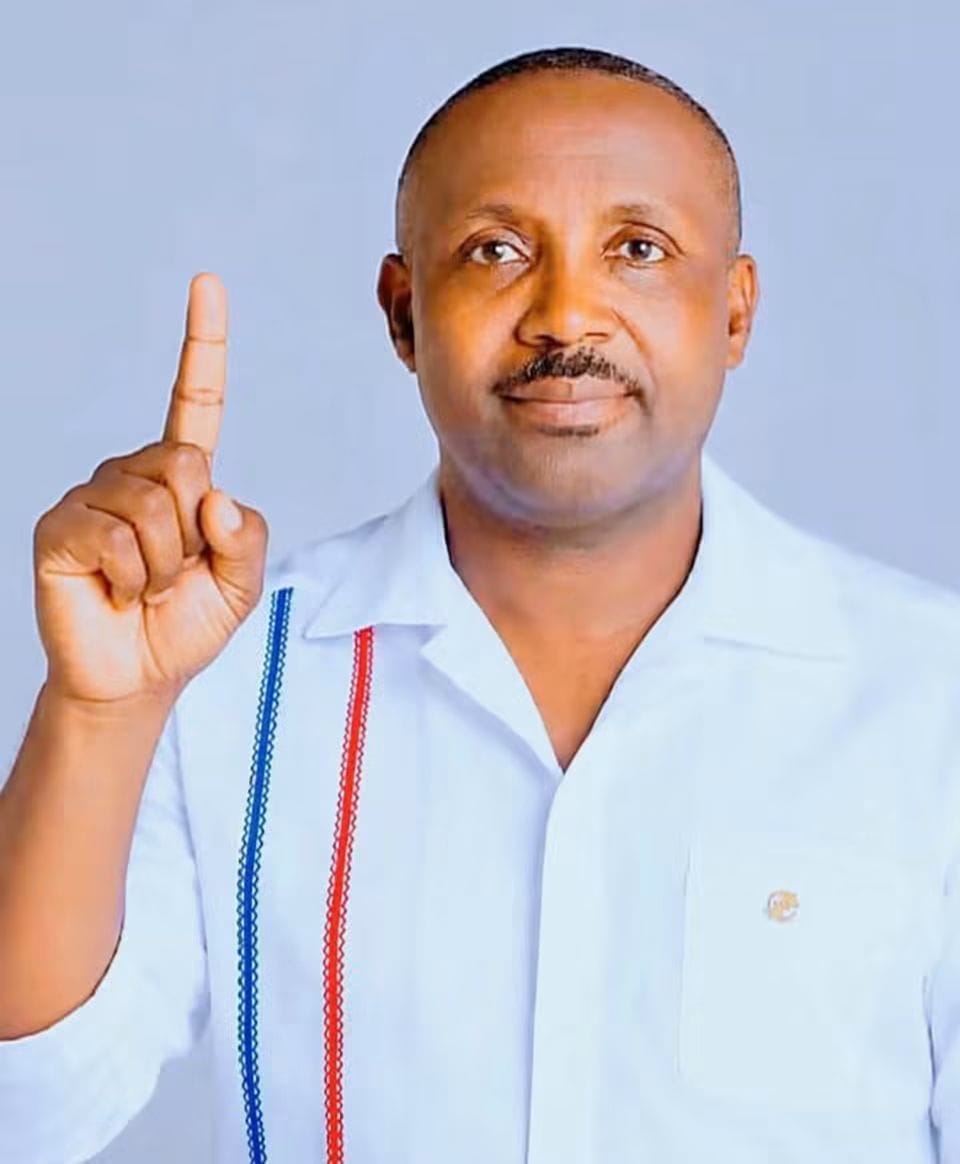
John Boadu has been elected as the National Chairman of the New Patriotic Party (NPP) following the party’s National Delegates Conference held on Saturday, October 3, 2026, at the Baba Yara Sports Stadium in Kumasi.
Boadu secured a decisive victory with 2,888 votes, beating his closest contender Boakye Agyarko who polled 2,408 votes.
Former Chairman Paul Afoko garnered 790 votes, while Sammy Crabbe managed 41 votes.
The victory marks a major political comeback for John Boadu, who previously served as the party’s General Secretary.
Ahead of the elections, Sammy Crabbe had reportedly pulled out of the race to form an alliance with John Boadu, a move that appears to have strengthened Boadu’s numbers on the day.
The keenly contested chairmanship race was a highlight of the 2026 National Executives Election, which drew thousands of delegates from across the country to Kumasi.
Boadu is expected to lead the party’s reorganization efforts ahead of the 2028 general elections.
By Edem Mensah-Tsotorme