News
Nausea: A comprehensive review of causes, symptoms, diagnosis, and treatment options

- /home/u249204778/domains/spectator.com.gh/public_html/wp-content/plugins/mvp-social-buttons/mvp-social-buttons.php on line 27
Warning: Trying to access array offset on false in /home/u249204778/domains/spectator.com.gh/public_html/wp-content/plugins/mvp-social-buttons/mvp-social-buttons.php on line 27
&description=Nausea: A comprehensive review of causes, symptoms, diagnosis, and treatment options', 'pinterestShare', 'width=750,height=350'); return false;" title="Pin This Post">
- Share
- Tweet /home/u249204778/domains/spectator.com.gh/public_html/wp-content/plugins/mvp-social-buttons/mvp-social-buttons.php on line 72
Warning: Trying to access array offset on false in /home/u249204778/domains/spectator.com.gh/public_html/wp-content/plugins/mvp-social-buttons/mvp-social-buttons.php on line 72
&description=Nausea: A comprehensive review of causes, symptoms, diagnosis, and treatment options', 'pinterestShare', 'width=750,height=350'); return false;" title="Pin This Post">
Nausea is a common and debilitating symptom that affects millions of people worldwide. It is a subjective feeling of discomfort or unease in the stomach, often accompanied by a sensation of queasiness or vomiting. Nausea can be acute or chronic, and its causes can range from mild to life-threatening. In this article, we will provide a comprehensive review of nausea, including its causes, symptoms, diagnosis, and treatment options.
Causes of Nausea
Nausea can be caused by a wide range of factors, including:
1. Gastrointestinal Disorders: Conditions such as gastroesophageal reflux disease (GERD), irritable bowel syndrome (IBS), and inflammatory bowel disease (IBD) can cause nausea.
2. Infections: Viral, bacterial, and parasitic infections, such as food poisoning, stomach flu, and malaria, can cause nausea.
3. Medications: Certain medications, such as antibiotics, painkillers, and chemotherapy, can cause nausea as a side effect.
4. Hormonal Changes: Hormonal fluctuations during pregnancy, menstruation, and menopause can cause nausea.
5. Motion Sickness: Travelling by car, boat, or plane can cause motion sickness, leading to nausea.
6. Anxiety and Stress: Anxiety and stress can cause nausea, especially in people with a history of anxiety disorders.
7. Neurological Disorders: Conditions such as migraines, multiple sclerosis, and Parkinson’s disease can cause nausea.
8. Cancer and Chemotherapy: Cancer and chemotherapy can cause nausea, especially in the first few days after treatment.
Symptoms of Nausea
The symptoms of nausea can vary from person to person, but common symptoms include:
1. Feeling of Queasiness: A feeling of unease or discomfort in the stomach.
2. Vomiting: Forceful expulsion of stomach contents.
3. Dizziness and Lightheadedness: Feeling faint or dizzy.
4. Abdominal Pain: Pain or discomfort in the abdomen.
5. Loss of Appetite: Decreased interest in food.
6. Fatigue: Feeling tired or weak.
7. Headaches: Headaches can occur due to dehydration or stress.
Diagnosis of Nausea
Diagnosing nausea can be challenging, as it can be caused by a wide range of factors. A healthcare professional will typically:
1. Take a medical history: Ask questions about symptoms, medical history, and lifestyle.
2. Perform a physical exam: Check for signs of dehydration, abdominal tenderness, and other physical symptoms.
3. Order diagnostic tests: Run tests to rule out underlying conditions, such as blood tests, imaging studies, or endoscopy.
Treatment options for nausea
Treatment options for nausea depend on the underlying cause, but common treatments include:
1. Medications: Anti-nausea medications, such as ondansetron, metoclopramide, or promethazine.
2. Lifestyle Changes: Avoiding triggers, eating small meals, staying hydrated, and getting plenty of rest.
3. Alternative Therapies: Acupuncture, acupressure, or herbal remedies, such as ginger or peppermint oil.
4. Dietary Changes: Avoiding spicy, fatty, or heavy foods, and eating bland foods, such as crackers or toast.
Conclusion
Nausea is a common and debilitating symptom that can be caused by a wide range of factors. Understanding the causes, symptoms, diagnosis, and treatment options for nausea can help healthcare professionals provide effective care and relief for patients. By recognising the complexity of nausea and taking a comprehensive approach to diagnosis and treatment, we can improve patient outcomes and quality of life.

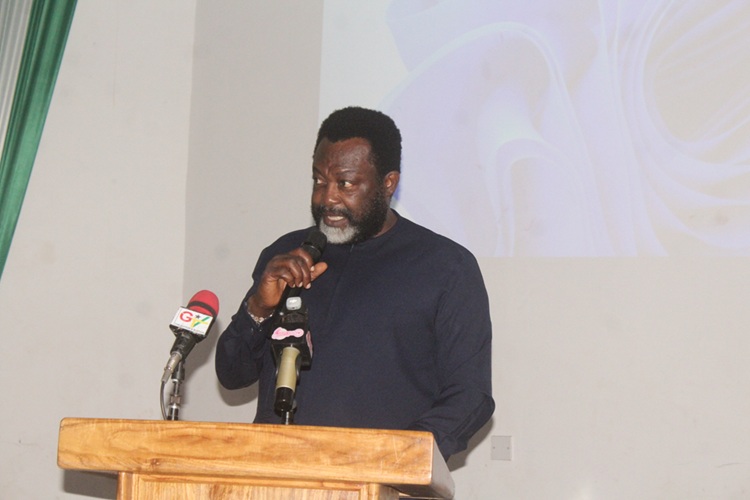
THE Forestry Commission has urged Ghanaians at home and in the diaspora to patronise and promote the country’s tourist reserves, saying Ghana has attractions that compare favourably with those in other countries.
The Acting Deputy Chief Executive Officer (CEO) of the Forestry Commission, Mr Timothy Ataboadey Awontiirim, said increased patronage would help showcase Ghana’s natural attractions to the rest of the world.
He made the call in Accra on Tuesday at the opening of activities to mark World Tourism Day.
Mr Awontiirim said Ghanaians should take a greater interest in the country’s reserves and encourage people to visit its tourist attractions.
“Look at other sites; when you compare our sites to them, they are far better than them,” he said.
“We are asking Ghanaians across the country, and those in the diaspora, to encourage people to patronise our reserves, to come and patronise what Ghana is made of and showcase it to the world.”
He said tourism offered Ghana an opportunity to generate economic value while preserving the country’s natural resources for future generations.
Mr Awontiirim argued that tourism provided a more sustainable economic opportunity than relying heavily on natural resources such as gold and cocoa.
“We have come to understand that tourism is the best investment you can get, not your cocoa, not your gold that has plagued us with a lot of galamsey, diseases and water issues. Tourism is green,” he said.
“Tourism is what will stand the test of time, not our minerals, not our gold.”
He said the Forestry Commission was also using digital technology to make Ghana’s tourist attractions more accessible to audiences around the world.
The Commission’s World Tourism Day celebration is being held under the global theme, “Digital Agenda and Artificial Intelligence to Redesign Tourism”, with the local sub-theme, “From Protected Areas to Smart Destinations”.
As part of the programme, the Commission is organising a Smart Eco-Tourism Hackathon to develop artificial intelligence and software solutions for Ghana’s parks and reserves.
The solutions are expected to improve visitor management, provide immersive digital access and support data-driven anti-poaching efforts.
An Eco-Tourism Innovation Exhibition is also showcasing technologies, including virtual reality trail previews, drone-assisted canopy monitoring and contactless hospitality systems.
Mr Awontiirim stressed, however, that technology should complement Ghana’s natural attractions rather than replace them.
By Abigail Arthur
SKIP THE QUEUE, TAP THE NEWS
You can now read the Ghanaian Times and The Spectator newspapers from the comfort of your device via TimesNewsPlus.
Join our WhatsApp Channel: https://whatsapp.com/channel/0029VbBElzjInlqHhl1aTU27

SIXTY-ONE persons, comprising 40 females and 21 males, have graduated from the second edition of the Marketable Skills Training Programme organised in Koforidua by the Centre for National Culture (CNC) in the Eastern Region.
The graduates, who underwent practical training in various fields, acquired skills in fascinator making, bead making and designing, basic sewing, advanced sewing and traditional dance (Kete), among others.
The programme, according to the Regional Director of the CNC, Dr Dorcas Salamatu Alhassan, was designed to equip participants with practical and relevant skills to improve their livelihoods, promote self-reliance and create opportunities for entrepreneurship.
Speaking at the graduation ceremony in Koforidua, Dr Alhassan said the initiative formed part of the Centre’s efforts to use culture, arts and crafts as tools for economic empowerment and national development.
She said the Centre recognised the important role practical skills and cultural entrepreneurship played in helping individuals, particularly young people and community members, transform their talents and creativity into sustainable livelihoods.
She said the Centre had previously trained 26 female beauticians in bead designing and 10 persons with disabilities, comprising seven females and three males, in bead designing in New Juaben South.
“In New Juaben North, 11 female fashion designers were trained in fascinator making, while 104 learners in Kwahu East were trained to produce wall-hanging artefacts from discarded plastic materials,” she revealed.
She said other interventions included training in batik tie-and-dye, artistic artefacts from plastic materials and pastry making in various districts.
Dr Alhassan said the maiden edition of the Marketable Skills Training Programme, held last year, had 43 participants, comprising 33 females and 10 males, who were trained in areas including fascinator making, facial make-up, decoration, sewing, crocheting and batik tie-and-dye.
She said the increase to 61 beneficiaries this year demonstrated the Centre’s continued commitment to creating practical opportunities that could translate talent and creativity into sustainable livelihoods.
For his part, the Executive Director of the National Commission on Culture (NCC), Mr Wisdom Wakefield Ackuaku, said the skills acquired would help the graduates build a better future and urged them to put their knowledge and skills to use for their economic benefit.
He said the era when parents considered vocational training to be for children who were not academically inclined had passed, urging parents to invest in their children’s future by enrolling them in vocational and skills training programmes.
From Ama Tekyiwaa Ampadu Agyeman, Koforidua
SKIP THE QUEUE, TAP THE NEWS
You can now read the Ghanaian Times and The Spectator newspapers from the comfort of your device via TimesNewsPlus.
Join our WhatsApp Channel: https://whatsapp.com/channel/0029VbBElzjInlqHhl1aTU27