News
Honouring strength, love, sacrifice of Ghanaian mother

- /home/u249204778/domains/spectator.com.gh/public_html/wp-content/plugins/mvp-social-buttons/mvp-social-buttons.php on line 27
https://spectator.com.gh/wp-content/uploads/2026/05/A-woman-farming-with-a-baby-strapped-at-the-back.webp&description=Honouring strength, love, sacrifice of Ghanaian mother', 'pinterestShare', 'width=750,height=350'); return false;" title="Pin This Post">
- Share
- Tweet /home/u249204778/domains/spectator.com.gh/public_html/wp-content/plugins/mvp-social-buttons/mvp-social-buttons.php on line 72
https://spectator.com.gh/wp-content/uploads/2026/05/A-woman-farming-with-a-baby-strapped-at-the-back.webp&description=Honouring strength, love, sacrifice of Ghanaian mother', 'pinterestShare', 'width=750,height=350'); return false;" title="Pin This Post">
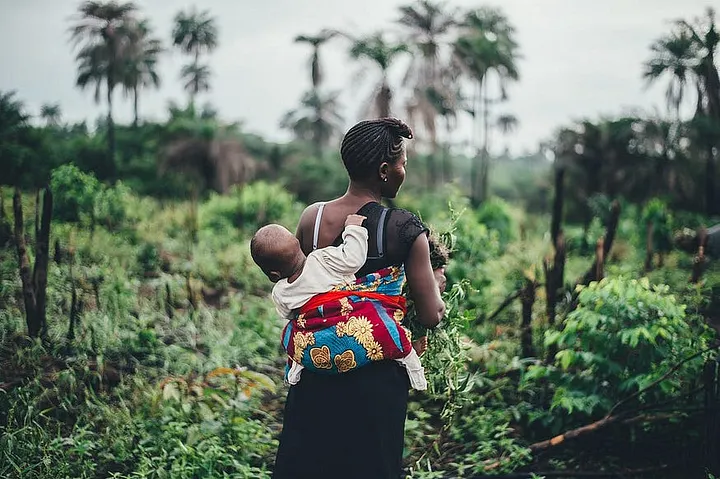
Tomorrow, Ghana will join the rest of the world to celebrate Mother’s Day, a special occasion that goes far beyond flowers, cards and gifts. It is a day set aside to honour the quiet strength, deep sacrifices and enduring love of mothers everywhere.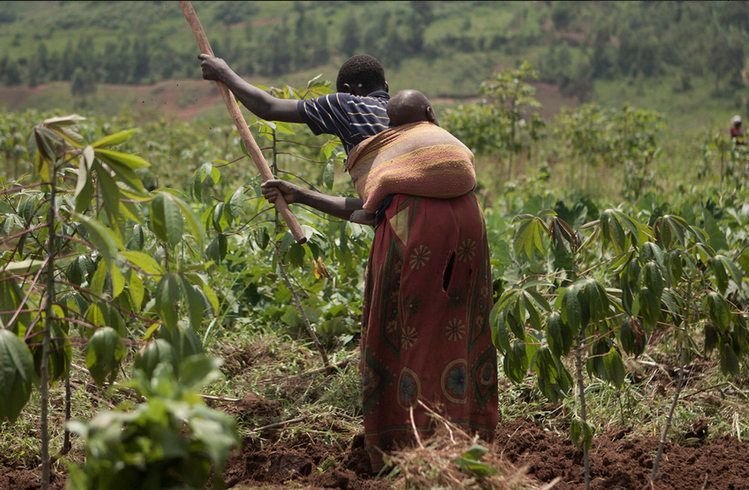
Across Ghana, from the bustling streets of Accra to the quiet farming communities in the countryside, mothers continue to hold families together with remarkable resilience. Their stories are not always told in headlines, yet they are lived every day through early mornings, long hours and countless silent sacrifices.
Mother’s Day, as we know it today, traces its roots to the early 1900s, when American activist Anna Jarvis campaigned to honour the memory and legacy of her own mother. Over time, the celebration spread across the world and found deep meaning in societies like Ghana, where motherhood has always been highly valued and respected.
A mother is generally understood as the female parent of a child. But in truth, motherhood goes beyond biology. A woman may become a mother through childbirth, adoption, caregiving, or by offering consistent love, guidance and protection to a child or others in need. In essence, motherhood is defined by care, compassion and presence.
Being a mother is therefore not just about giving birth, but about giving oneself, time, strength and love, often in ways that go unnoticed. It is the ability to put others first, even in the face of personal struggle, and to make people feel valued, safe and loved.
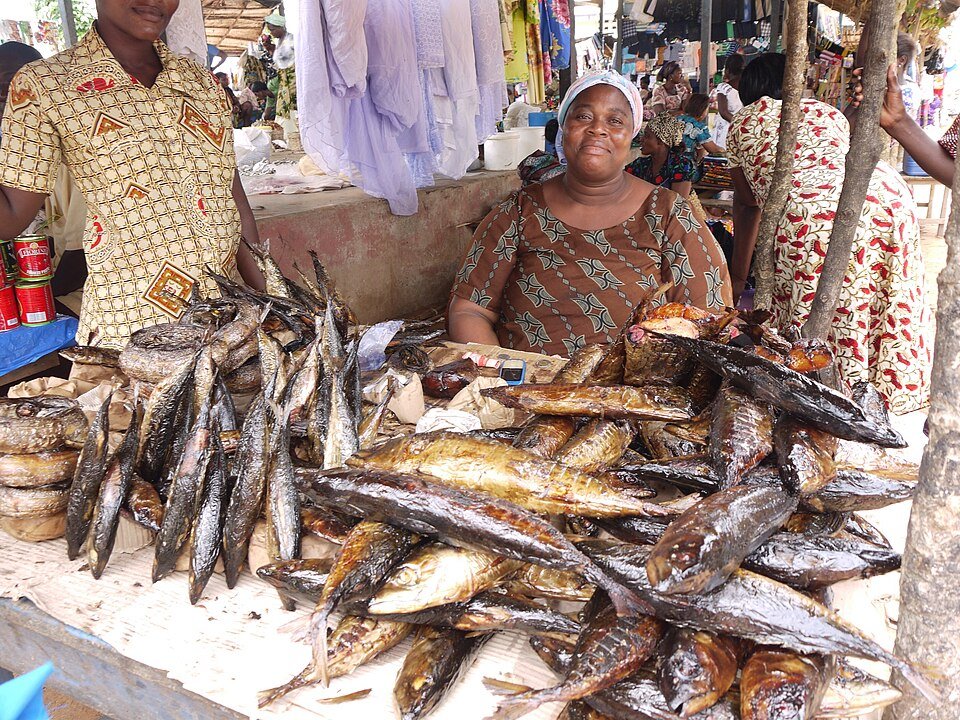
In Ghana, motherhood is more than a role. It is a lifelong commitment to nurturing families and shaping communities. The Ghanaian mother is a powerful symbol of resilience. She is the market trader balancing her books under the sun, the farmer tending her crops, the professional managing career and home, and the single parent carrying double responsibility without complaint.
She stretches every cedi, solves daily crises and still finds time to offer love, discipline and care. Even in hardship, she remains the emotional backbone of the home. Her strength is not always loud or visible, but it is steady, constant and deeply powerful.
For many mothers in rural Ghana, this resilience takes on an even deeper meaning. Their daily lives are shaped by challenges rooted in long standing social and economic conditions.
In many communities, cultural and patriarchal norms still limit women’s access to land ownership, despite their central role in agriculture. Without secure access to land, long term planning and economic independence become difficult.
Access to credit is another major challenge. Many women with strong business ideas and farming potential struggle to secure loans or financial support, not because they lack ability, but because existing systems often work against them.
Education also remains a barrier for some. Lower levels of formal education can limit access to information, opportunities and better livelihoods.
Yet their responsibilities continue to grow. A typical day for many rural mothers involves farming, fetching water, collecting firewood, cooking, caring for children and supporting extended family members. This leaves very little time for rest, a condition often described as time poverty.
Poor road networks, limited healthcare facilities and inadequate social services add further strain to their daily lives.
Still, they endure. They adapt, they persevere and they provide. Their strength is not only in survival but in their determination to give their children a better future than their own.
Speaking to The Spectator, a beans seller at Mantseman in the Okaikwei North District, Madam Aku Gallo shared her personal experience of motherhood and survival.
“I am a mother of three, two boys and a girl. This is the business I have been doing after quitting selling foodstuffs in front of Cocoa Board (COCOBOD) a few years ago. With the support of my husband, I have been able to cater for my children. Two of my children are working and my last born is in a tertiary institution,” she said.
According to Madam Gallo, motherhood to her is sacrifice and sleepless nights. She explained that a mother must always think on her feet, because even simple decisions such as what meal to prepare for breakfast or supper can be challenging.
“If women should put a price on the role they play as mothers, no one will be able to pay,” she said.
She further called on children, husbands and relatives to learn to appreciate mothers for their role at home and work, and to contribute to making the world a better place.
This year’s Mother’s Day is being marked under themes such as “Strength, Love and Sacrifice” and “Motherhood: Stewardship that Shapes Generations.” These themes reflect the lived reality of Ghanaian mothers, whose influence extends far beyond their households into society at large.
While celebrating mothers is important, it is equally important that support goes beyond a single day of appreciation. There is a growing need to empower women economically through skills training, access to credit and sustainable livelihoods.
Mothers must also be encouraged to prioritise their health, both physical and mental. At the family level, sharing domestic responsibilities more fairly can ease the burden many women carry alone.
At the policy level, addressing issues such as land ownership rights, rural infrastructure, education and healthcare access will significantly improve the quality of life for mothers, especially in underserved communities.
Mother’s Day is therefore not only a celebration, but also a moment of reflection.
Behind every successful child is often a mother who sacrificed. Behind every strong family is a woman who held it together through difficult times.
As Ghana celebrates this year’s Mother’s Day, let us look beyond the gifts and flowers. Let us see the Ghanaian mother clearly, her strength, her struggles and her unwavering love.
By Esinam Jemima Kuatsinu


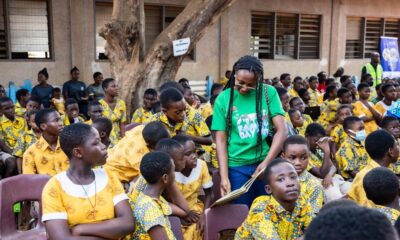



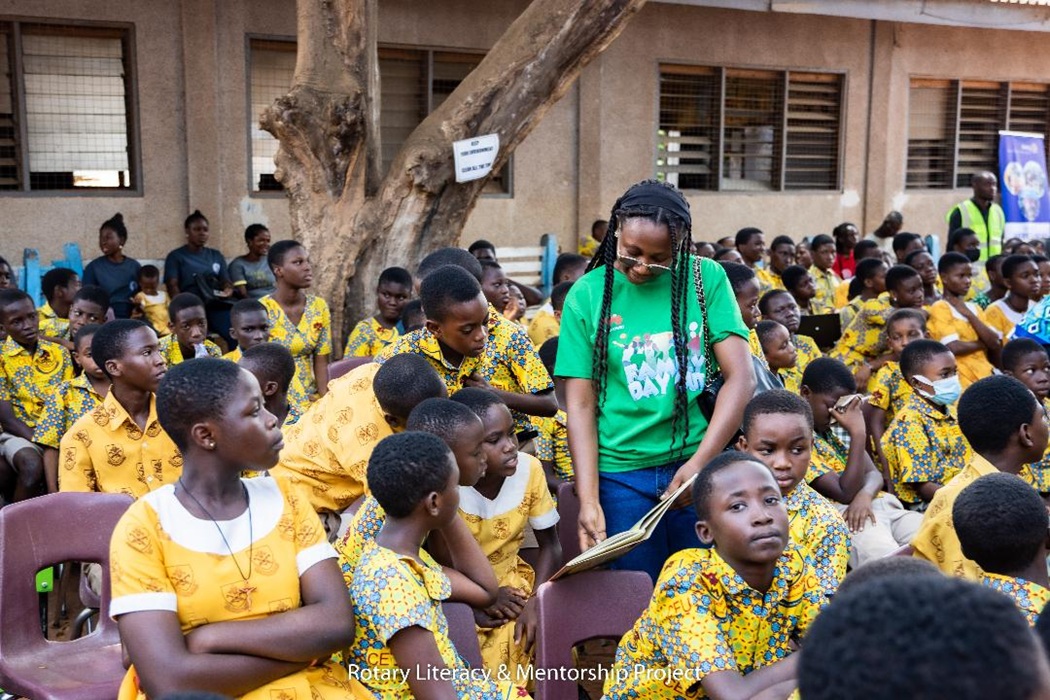
THE Rotary Club of Tema Community 25, Rotary International District 9104, has donated more than 800 reading books to St Dominic Savio R/C Basic School at Afienya to improve pupils’ reading skills and support teaching and learning.
The donation was made last Friday on the school premises and formed part of the club’s literacy and basic education activities. It was accompanied by a reading clinic and mentorship session involving about 500 pupils.
The initiative brought together members of the Rotary Club of Tema Community 25, Rotaract Clubs of Tema Community 25 and Central University, as well as partner Rotaract clubs from Tema Meridian, GCUC, GTUC, GIMPA and UHAS.
Speaking to The Spectator, the President of the Rotary Club of Tema Community 25 for the 2026/27 Rotary year, Prince Manu-Barfo, said the initiative was aimed at encouraging pupils to develop good reading habits while exposing them to career guidance and positive role models.
He said literacy and basic education were among Rotary’s seven areas of focus, explaining that the club supported schools through reading and mentorship activities.
According to him, pupils from kindergarten to Primary Three participated in a reading clinic, where they read storybooks from the donated collection with their teachers.
The best readers from each class were recognised and awarded as part of efforts to motivate other pupils to develop an interest in reading.
Pupils from Primary Four to Basic Eight, meanwhile, took part in a mentorship session led by professionals in engineering, STEM, education and child development.
He said about 500 pupils participated in the activities despite an ongoing teachers’ strike, adding that the support of teachers who were available contributed to the success of the programme.
Mr Manu-Barfo said the Rotary Club would continue to support the school, particularly in improving its library and creating a more conducive environment for reading.
The Headmistress of St Dominic Savio R/C Basic School, Madam Mary Dziwornu, welcomed the donation, saying improved reading skills would have a positive effect on pupils’ performance in other subjects.
She said the ability to read, understand and comprehend information was fundamental to children’s academic development.
According to her, the books would strengthen pupils’ reading and comprehension skills and enable them to tackle other subjects that required them to understand written information.
The Headmistress said measures had been put in place to ensure that the books were properly managed and remained available to pupils.
She explained that teachers, particularly members of the English Department, would be responsible for managing the library, with support from a French teacher.
A monitoring system would also be used to keep records of books borrowed by pupils and teachers.
By Esinam Jemima Kuatsinu
SKIP THE QUEUE, TAP THE NEWS
You can now read the Ghanaian Times and The Spectator newspapers from the comfort of your device via TimesNewsPlus.
Join our WhatsApp Channel: https://whatsapp.com/channel/0029VbBElzjInlqHhl1aTU27

OCTOBER is Breast Cancer Awareness Month, a global opportunity to raise awareness of breast cancer and call for action to improve access to timely diagnosis and quality care.
According to the World Health Organisation (WHO), about 2.4 million women are diagnosed with breast cancer every year, with about 694,000 deaths recorded globally.
In Ghana, more than 5,000 women are diagnosed with the disease annually, with nearly 2,700 dying from it.
What is breast cancer?
Breast cancer occurs when malignant tumours develop in the breast. These cells can spread by breaking away from the original tumour and entering blood vessels or lymph vessels, which branch into tissues throughout the body. When cancer cells travel to other parts of the body, invade other organs, and begin damaging tissues and organs, the process is called metastasis.
Types
Ductal carcinoma in situ (DCIS)
Ductal carcinoma in situ (DCIS) is considered the earliest form of breast cancer. DCIS begins in the milk ducts, where the cancerous cells are contained within the ducts and have not spread into the surrounding breast tissue or nearby lymph nodes. Because the cancerous cells have not spread from their original location, DCIS is considered “non-invasive.”
Invasive ductal carcinoma (IDC)
Invasive ductal carcinoma (IDC) is the most common type of invasive breast cancer. In IDC, cancer cells begin in the breast’s milk ducts and then spread into the surrounding healthy breast tissue. This ability to grow beyond their original location is what makes the cancer “invasive.” When IDC is diagnosed, it is assigned a stage between one and four.
Invasive lobular carcinoma (ILC)
Invasive lobular carcinoma (ILC) is the second most common form of invasive breast cancer. It is a slow-growing cancer that begins in the milk glands (lobules) of the breast and has invaded, or spread, into the surrounding breast tissue or other areas of the body.
Triple-negative breast cancer (TNBC)
Triple-negative breast cancer (TNBC) is an aggressive form of invasive breast cancer. TNBC lacks the three receptors—estrogen, progesterone, and HER2—that are usually found in breast cancer, making common hormonal therapies ineffective.
Metastatic breast cancer (MBC)
Metastatic breast cancer (MBC) means that the cancer has spread beyond the breast into other parts of the body, such as the bones, liver, lungs, or brain. MBC is stage four breast cancer and will be a part of the patient’s life for the rest of their life. While MBC is not curable, it is treatable.
Male breast cancer
Male breast cancer is rare and accounts for less than one per cent of all breast cancer diagnoses. Though less common, male breast cancer is often diagnosed at a later stage, making it more difficult to treat.
What to do
At the launch of this year’s Breast Cancer Awareness Month, organised by the Ministry of Health in collaboration with the Breast Society of Ghana (BSG), a specialist radiation oncologist with the Korle-Bu Teaching Hospital, Dr Mary Ann Dadzie, said:
Do not dismiss painless breast lumps.
- “A painless lump is not a harmless lump.”
- Do not wait until a lump becomes painful before seeking medical attention.
- Seek medical attention quickly.
- See a health professional within two weeks of noticing an abnormality in the breast.
Know your breasts.
- Pay attention to changes in your breasts.
- Seek help when something appears unusual.
Dr Dadzie called on women to have regular breast checks, stressing the importance of:
- Regular clinical breast examinations.
- Appropriate screening, including mammography and ultrasound, with health professionals.
She urged family and friends to support women diagnosed with the disease, saying, “Home is where the support begins.”
She encouraged:
- Husbands, partners and families to help women with transportation, childcare and other practical needs.
- Friends to offer practical support.
Way forward
She called on women diagnosed with breast cancer to act early, seek medical attention promptly, and complete treatment.
Your Weekend Companion
www.spectator.com.gh