News
Make safety, health priority – Journalists told

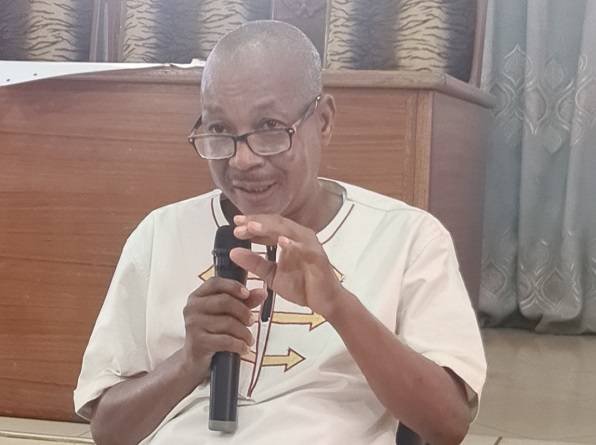
Mr Motey addressing the media
A former Vice Chairman of the Tema Regional Branch of the Ghana Journalists Association (GJA), Mr Ian Motey, has urged journalists not to be over-zealous in their quest to gather facts for stories.
He said in their bid to get stories, it was important for the journalists to make conscious efforts to make their safety and security a priority.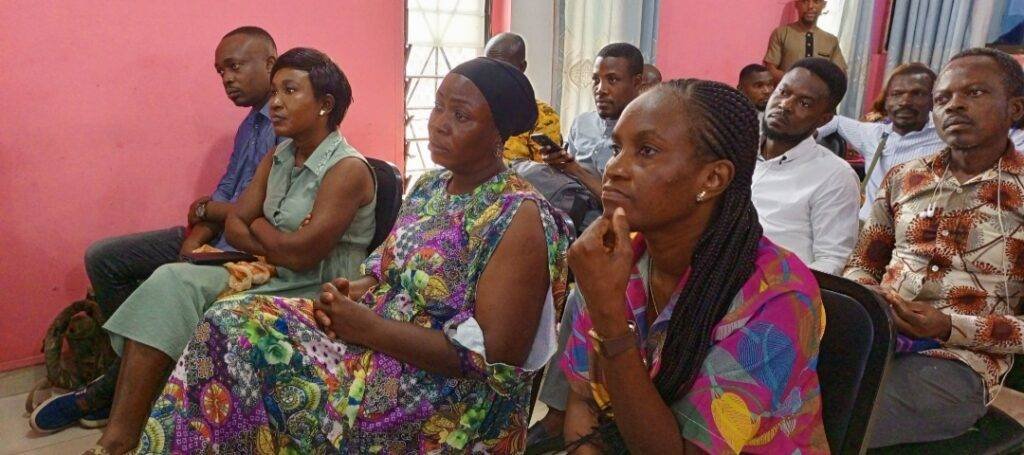
Mr Motey, an Assistant Editor with The Ghanaian Times, the sister newspaper of the The Spectator, gave the advice at a media training programme on Wednesday.
He lectured on the topic ‘Ensuring safety of media personnel on the field.’
According to the experienced Journalist, using observational skills was one of the ways by which media personnel can protect themselves and lessen exposure to the public in the course of duty.
Observational skills are qualities and proficiencies that relate to a person’s ability to use one or more of their senses to acknowledge, analyse, understand and recall their surroundings and the elements within it.
According to him, the use of such skills would not draw unnecessary attention and if effectively used, those around would not notice the presence of a journalist covering an event.
“In coverage for riots and demonstrations, journalists must be more observant in order not to get exposed. If possible, don’t expose yourself at all. Sometimes you don’t even have to let people know that you are a journalist. You even have to hide your tags on some occasions,” he advised.
He said occasionally, the journalist can leave a crowded area to a secluded place to write a few points and quickly come back so that he/she would not draw unnecessary attention to him or herself.
Mr Motey said a media person on the field must also avoid making comments for or against any group or individual during an event because one could not tell who was listening.
“It’s better to be discreet and also adopt the use of technology so that what the journalist is doing would not be so obvious.
He said that since the courts were also sensitive places to report from, media personnel must ensure that they got the right training to avoid inaccurate reportage to draw disaffection from any of the parties or even the judiciary.
A journalist, he said should not feel embarrassed to contact technical people for advice where some terms were not easily understood.
“It is important to build hard-core evidence so that in case of any suits against journalists, you will be well-placed to put up a defence,” he said and added that, “journalists must take their health and well-being seriously because the demands of the job comes with a lot of stress.”
Media persons, he said sometimes starved themselves, avoided sleep and worked so hard just to ensure they gave the public the best and in the process made a lot of compromises which become detrimental to their health.
Mr Motey called on the media to be fair and firm in their reportage, and be sensitive to issues of national security because according to him, some stories could compromise the peace and security of the country.
“Just because you have access to some information does not necessarily mean you should publish it. You have to be very discerning,” he noted.
From Dzifa Tetteh Tay, Ashaiman


The Ghana Health Service (GHS) will undertake a nationwide Human Papillomavirus (HPV) vaccination exercise in schools from October to December 2026 to protect eligible girls against cervical cancer and other HPV related diseases.
The exercise, organised in collaboration with the Ghana Education Service (GES) and its partners through the School Health Education Programme (SHEP), will be conducted in two rounds.
The first round is scheduled for October 19 to 23, 2026, while the second will take place from November 30 to December 4, 2026.
In a press release dated October 19, the GHS explained that health workers would visit schools across the country to vaccinate eligible girls aged 9 to 14 who have not yet received the HPV vaccine.
The exercise forms part of efforts to raise awareness about the routine HPV vaccine, increase vaccination uptake and strengthen the country’s routine immunisation programme.
The GHS has called on school authorities, parents, guardians, teachers and community leaders to cooperate with health teams to ensure the successful implementation of the exercise.
The Service reaffirmed its commitment to protecting the health and well-being of Ghanaians, particularly children, through vaccination and other public health interventions.
By: Jacob Aggrey
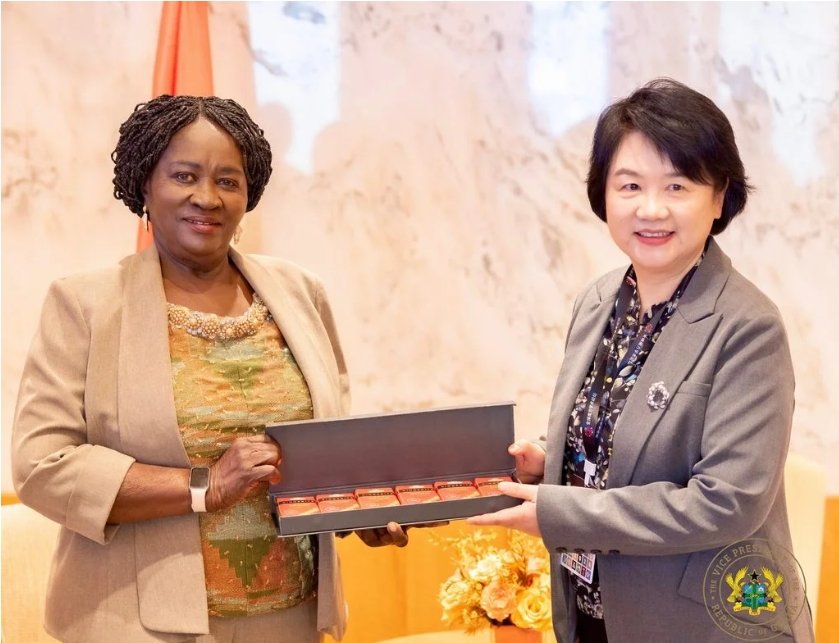
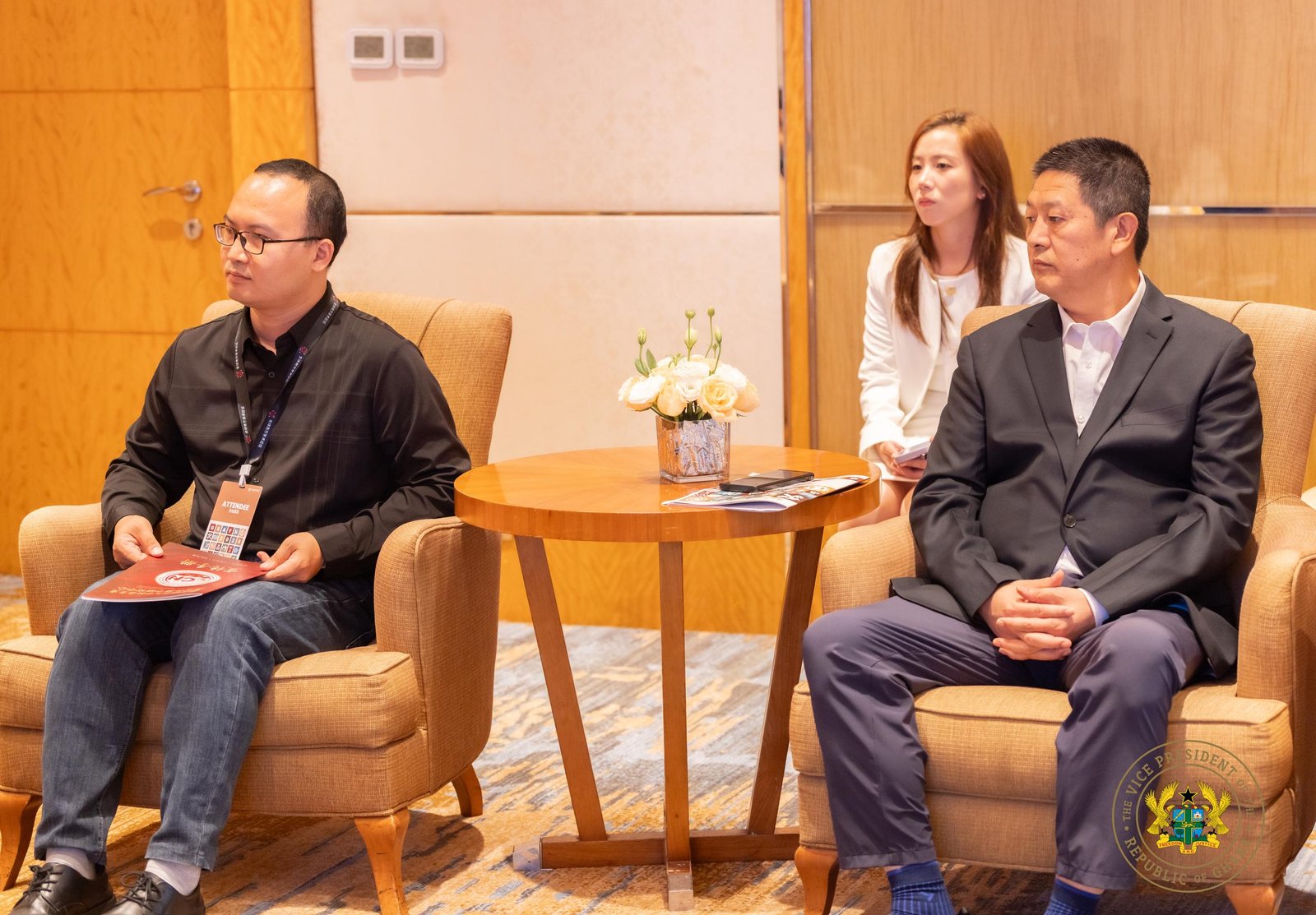
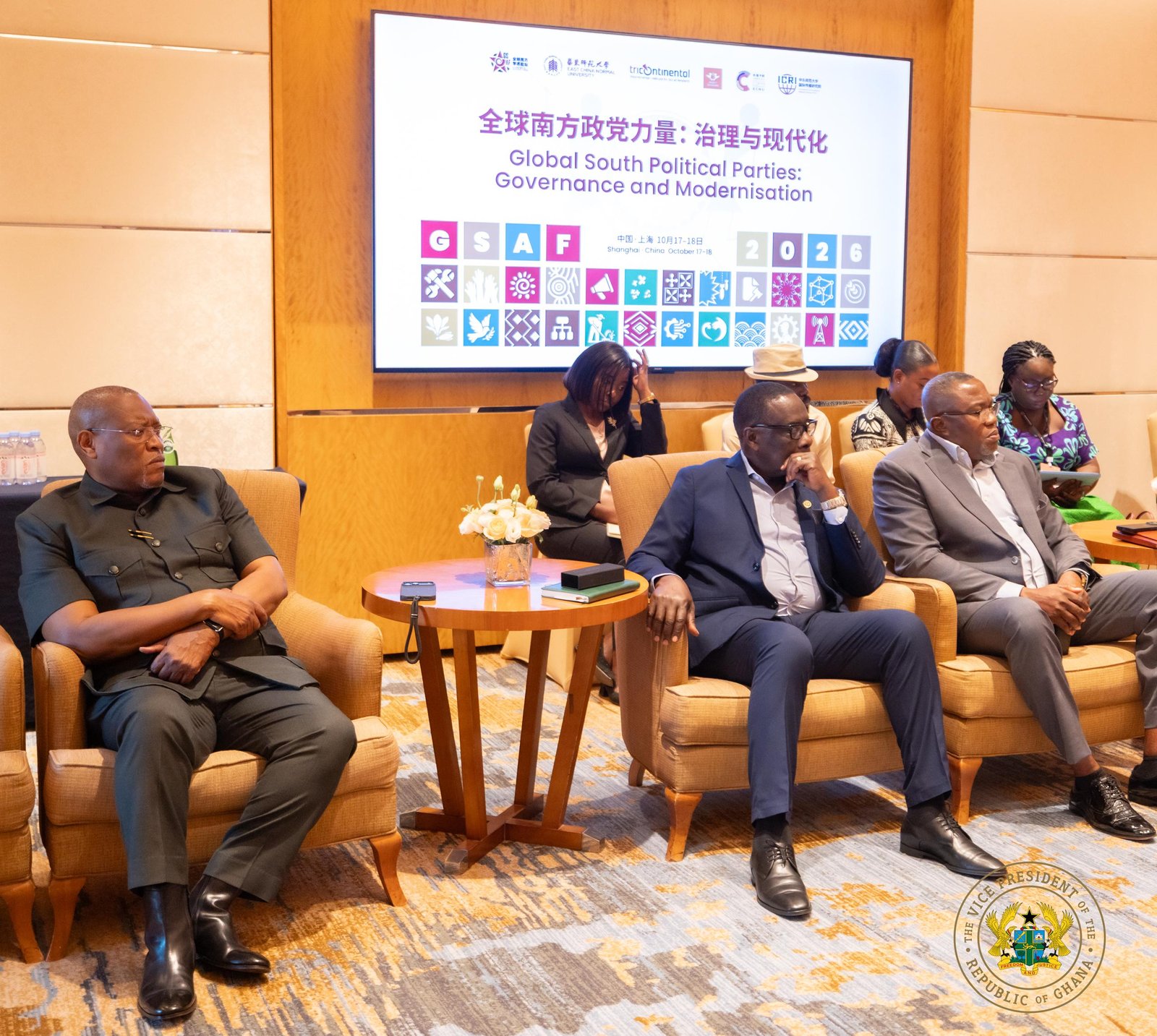
Vice President Professor Jane Naana Opoku-Agyemang has held high-level discussions with organisers of the 2026 Global South Academic Forum in Shanghai, seeking to draw lessons from China’s acclaimed rural revitalisation and poverty reduction drive.
The meeting, led by the Forum Chair, Professor Lu Xinyu, explored practical areas of cooperation and knowledge exchange between Ghana and China, with focus on community-driven development, fisheries and aquaculture, local governance, sports initiatives, and infrastructure development.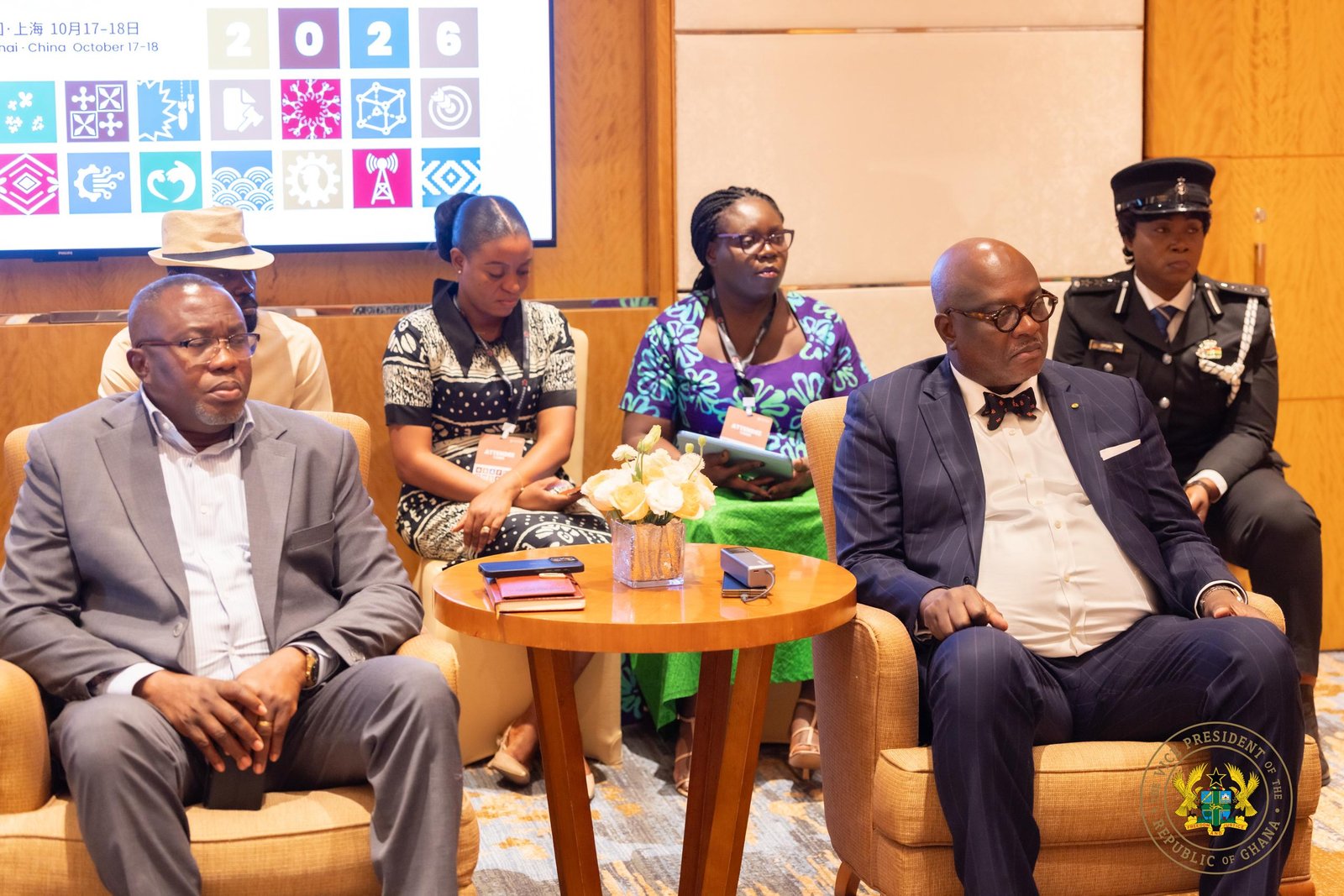
According to officials, the engagement is part of a broader effort by the Ghanaian government to study tested development models that can be adapted to the local context to promote inclusive growth, empower local communities, and improve livelihoods across the country.
China’s success in lifting over 800 million people out of poverty through targeted rural policies, investment in agriculture and local infrastructure has become a global reference point for developing nations.
The Vice President’s team says insights from the Forum will help inform policy direction, particularly in strengthening decentralised governance, boosting the fisheries and aquaculture sector, and investing in community-level infrastructure and youth sports development.
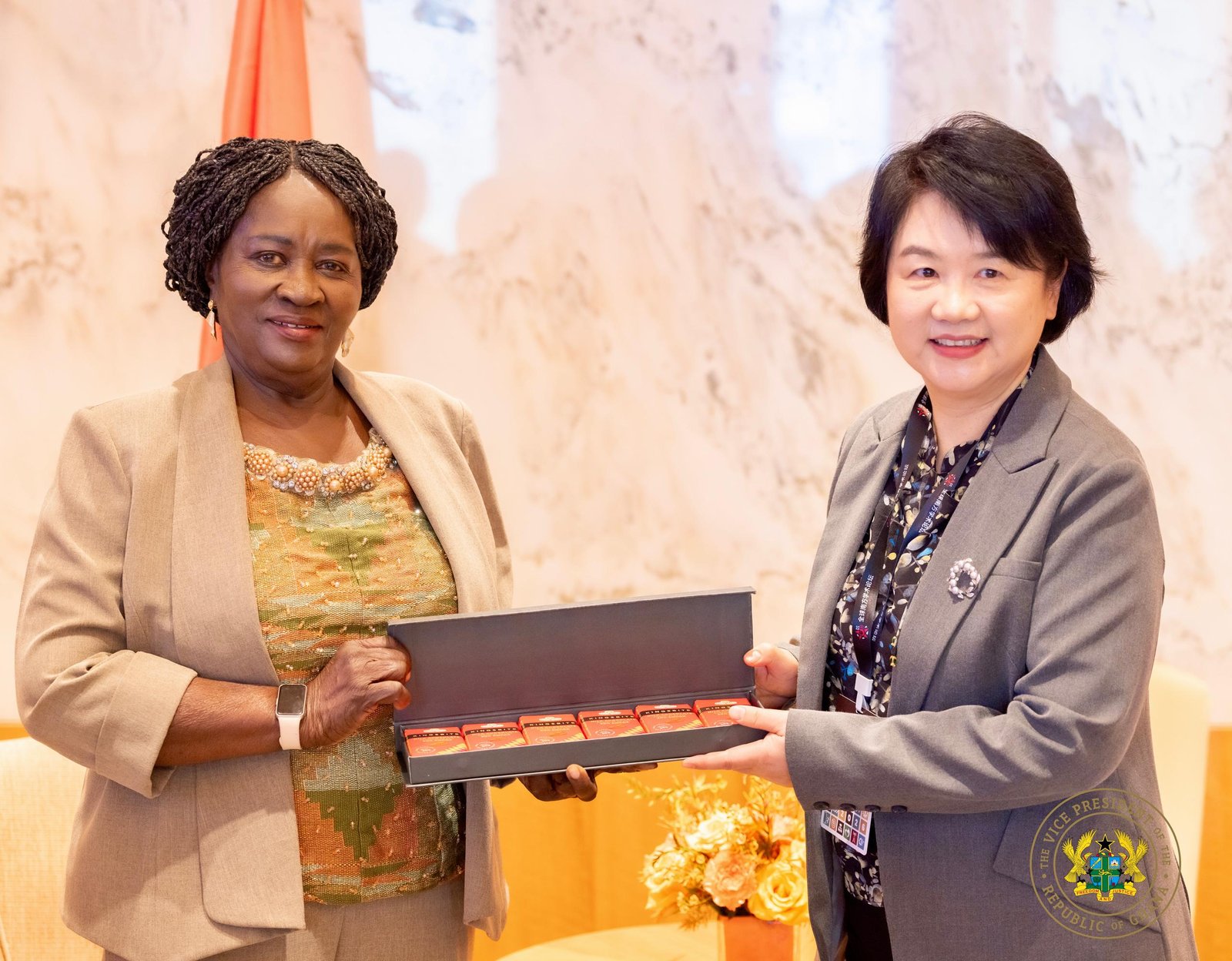
Professor Opoku-Agyemang is expected to continue engagements with academic and development institutions while in China.
By Edem Mensah-Tsotorme