Features
Labour front heats up with strikes …as workers demand COLA from govt

Industrial action by workers or strike is a temporary show of dissatisfaction by employees to protest against bad working conditions or low pay and also to increase bargaining power with the employer to improve salary and other emoluments of workers. This may take place in the context of a labour dispute or may be meant to effect political or social change. This form of communication tends to be the only means for workers to voice their concerns after unsuccessful agitations for better conditions of service.
LABOUR FRONT HIT BY STRIKES
In recent times, the country’s labour front has been hit by a lot of strikes as some of the organised workers’ unions have either embarked on strike action or threaten to lay down their tools in demand for what they termed, ‘Cost of Living Allowance (COLA)’ in view of the current economic hardships in the country that has forced the government to go for a bailout from the International Monetary Fund (IMF).
The present financial situation of the country is so precarious that the government is finding it very difficult to yield to some of these labour agitations and demands for better conditions of service, hence these unstable situations and threat of strike to drum home the concerns of workers in the formal sector of the economy.
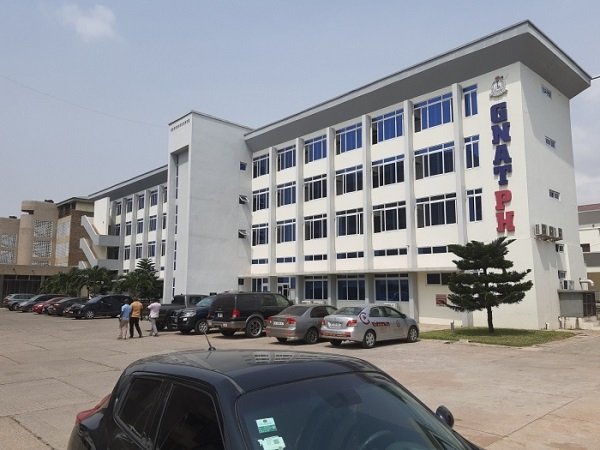
Just recently, July 4, 2022, four teachers’ unions in the country, declared a nationwide strike over government’s failure to meet the June 30, 2022 deadline they gave it for the payment of their Cost of Living Allowance. The Unions are, The Ghana National Association of teachers (GNAT), National Association of Graduate Teachers (NAGRAT), Teachers and Educational Workers Union (TEWU) and the Coalition of Concerned Teachers (CCT).
FOUR TEACHER UNIONS DEMAND COLA
According to a statement read by the General Secretary of GNAT, they had been compelled under the current circumstances to publicly communicate to Ghanaians their intention to go on strike, having gone passed the June 30, 2022 deadline they gave to government for the payment of the COLA. Consequently, they had decided to embark on the strike with retrospective effect from July 4, 2022. He said; “By this, we are informing the general public that, we are withdrawing services in all the pre-tertiary education institutions. This includes teaching and non-teaching staff.”
He said the teacher groups were disappointed at the government’s failure to heed their calls, hence the strike action. The teachers are fighting for the payment of between 20 per cent and 30 per cent of their salaries as COLA. Their demands are coming at the time when the government appeared to be constraint with weight of an increasingly tighter economic environment that has compelled the country to seek an assistance from the IMF to restructure the economy.
PROFESSIONAL NURSES AND MIDWIVES JOIN THE FRAY
While the teachers’ agitations remain unsolved, the leadership of the Union of Professional Nurses and Midwives, Ghana (UPNMG) has threatened the government to pay all public sector members of the union COLA to avert further industrial action. According to the union, “it is surprised at the laxity with which the welfare of nurses and midwives have been bundled within these hard economic times and wants the government to intervene by paying its members COLA as it was done in 2014 in a similar economic situation.” The union stated in a press release issued recently that it expected nothing short of similar stopgap measure to cushion the many nurses and midwives in the country.
These threats have assumed a wider dimension in most recent past with another call from the Ghana Medical Association (GMA) to government to pay doctors the necessary COLA to cushion them in view of the present economic difficulties. Hear the General Secretary of the GMA, Dr. Titus Beyuo; “Doctors, like other members of organised labour, have equally been hit by the current economic hardships. The GMA is part of the bigger group called the FORUM which has also called for the COLA. We are singing the same song and we have wished that government would have started with us much earlier to negotiate and discuss this matter.”
DOCTORS SOUND THE ALARM BELL
Highlighting the plight of doctors, Dr. Beyuo said “doctors were struggling we are buying from the same market, we are buying the same fuel, we don’t get fuel coupons and doctors have parked their cars and are now getting on board trotro, because they can no longer afford fuel.”
It appears that these strikes are going to continue unabated for some time, unless the government finds ways and means within the current economic struggles to address the concerns of workers across board. Any piecemeal approach to these agitations by the various unions will bring in its wake massive strikes from other labour unions which the government will find it difficult to contain.
NEGATIVE REMARKS FROM MINISTERS ABOUT THE STRIKES
The negative and provocative remarks from some government officials including ministers of state concerning these strikes by the labour unions if not checked, will infuriate the striking workers and affect any efforts by the government to negotiate meaningfully with the various unions on the way forward in order to find lasting solutions to the impasse. For now, the government needs to be tactful and meticulous in handling this matter and refrain from the unfavourable comments on the issue by some ministers and other political communicators.
We are indeed in terrible times and our financial situation is so bad and precarious that, we have to run to the IMF for a necessary bailout to our economic woes and challenges. Just as most of our economic and financial think tanks have alluded, going to the IMF for financial bailout is not a panacea to our problems, however, we don’t have any option than to access the facility. According to the financial analysts and economists, we are bound to face austere situation as there will be harsh conditions attached to the IMF facility. All the same, Ghanaians ought to brace themselves to face the challenges and the emerging consequences squarely.These labour agitations will eventually, heighten the current economic situation and put more pressure on government.
REDUCING THE SIZE OF GOVERNMENT
The call by Ghanaians to President Nana Addo Dankwa Akufo-Addo to take a second look at the large number of his ministers and other appointees in government i.e. presidential staffers and reduce the number so as to cut down expenditure, might be in the right direction and needs to be given a serious thought and consideration. At the least, the reshuffling of the ministers is necessary at this material time to save the needed revenue to take care of our striking teachers, nurses and doctors who are doing a yeoman’s job to our dear nation.
These frequent strikes by the various labour unions have reminded me of ‘Things Fall Apart’, the debut novel by the Nigerian author Chinua Achebe which was first published in 1958. Indeed, things are fallen apart in our dear and beautiful country called Ghana and it appears that the centre cannot hold.
NATIONWIDE STRIKE IN THE OFFING
Government needs to handle these threats of strike by the labour unions maturely, otherwise when they get out of hand, we will be in a serious crisis. Indications are that these strikes will soon assume a wider dimension as the mother union- the Public Services Workers’ Union (PSWU) has set aside next Tuesday, July 19, 2022 for a nationwide industrial action to press home their demand for the payment of COLA to all members. Imagine doctors, nurses, mortuary attendants and other utility providers such as Electricity Company of Ghana and Ghana Water Company embarking on total strike, what will be the fate of this country? A word to a wise is enough!
Contact email/WhatsApp of author:
0277753946/0248933366
By Charles Neequaye


Conflict at work is more common than you might think. According to 2022 research by The Myers-Briggs Company, more than a third of the workforce reports dealing with conflict often, very often, or all the time in the workplace. The same report found that managers spend an average of four hours per week dealing with conflict, and nearly 25 per cent of people think their managers handle conflict poorly or very poorly.
Addressing a dispute might feel tense or awkward, but resolving the conflict is typically well worth it in the long run. Whether you’re trying to mediate conflict between colleagues or are directly involved, here are seven steps you can take to manage workplace conflict.
1. Don’t put it off
Facing conflict head-on is hard. However, waiting too long to address it can negatively impact your emotional well-being, focus, and the entire office environment. If you’re feeling angry, letting that emotion fester can also escalate it over time. This can make you less responsive to other points of view and make it harder to resolve the issue.
The sooner you can address the conflict, the better it will be for you, the person you disagree with, and your entire team.
2. Learn all you can about the problem
It’s important to determine the type of conflict you’re dealing with. Begin by considering the cause of the conflict. For example, ask yourself whether someone said something that upset you or if you have emotions of anger and resentment that stemmed from something that happened.
Then try to identify if it’s a task, relationship, value, or team conflict. Once you know what type of conflict it is, you can work to resolve it with specific tactics for that situation.
If you skip this step, you may waste time or escalate the situation further by trying to address issues irrelevant to the real conflict.
3. Actively listen
Listen attentively when people share their side of the story. Active listening is one of the most valuable professional skills you can possess. This type of listening involves not only hearing what the other person is saying but also listening to understand their point of view.
No matter your role in conflict, it’s easy to begin sharing your opinion with little regard for the other people involved. However, it’s important to learn about all sides of a disagreement to make well-informed decisions before drawing conclusions.
To reach a resolution, you must step back and prioritize listening over talking. Ultimately, that will encourage the other person to do the same when it’s your turn to speak. –source: betterup.com
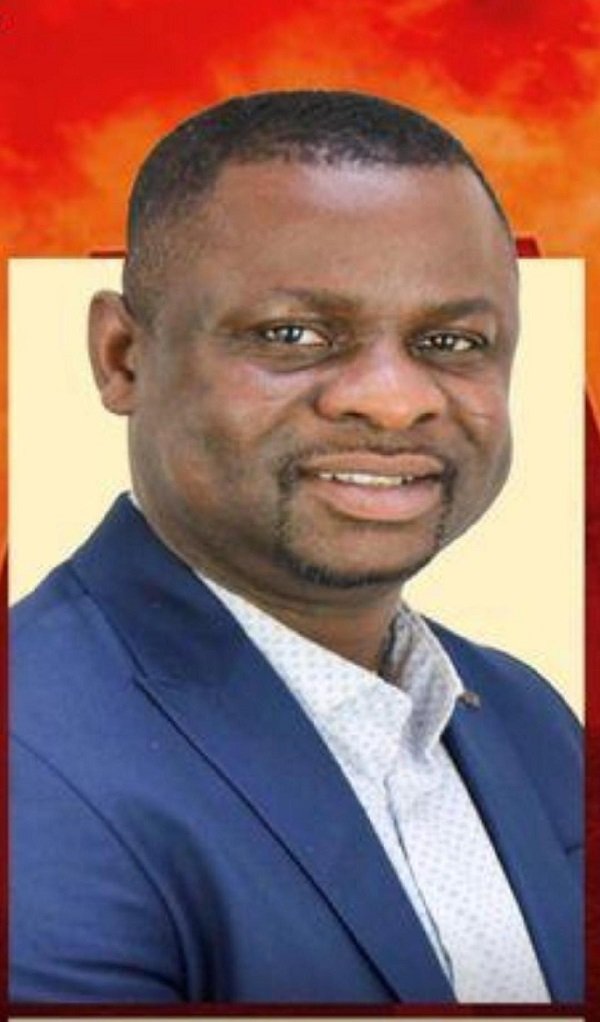
Today, I focus on the Temple Of Praise Ministries International (TOP Church) in Helsinki, as I continue my description of personalities or institutions and their accomplishments as members of the Ghanaian Diaspora in Finland.
The TOP Church in Finland has seen significant strides and accomplishments that must be made known to the public. 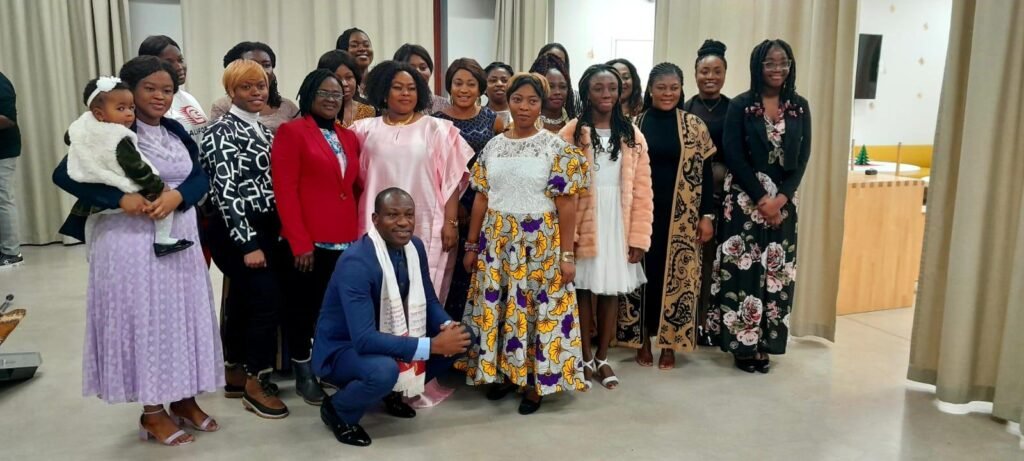
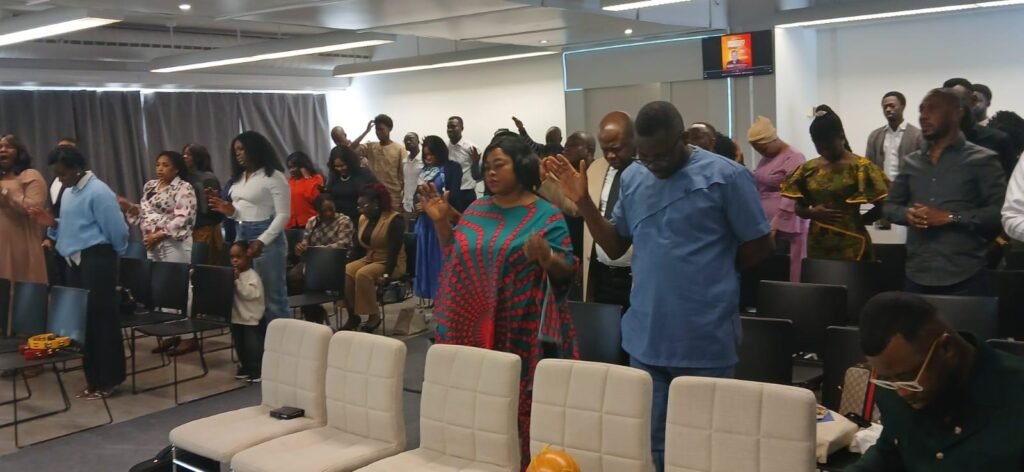
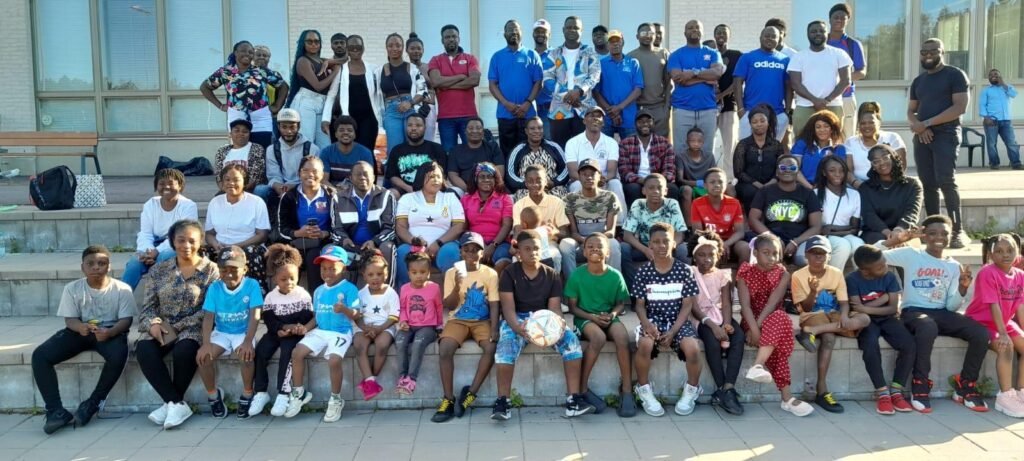
Some history
The Church was established in Finland in September 2016. Since its inception, it has steadily grown both spiritually and numerically, by the grace of God, as disclosed to me by Mr Matthew Anini Twumasi, the Presiding Elder of TOP’s branch in Finland. The TOP Church has other branches across Africa, Europe, and America.
The Church in Finland was founded with a vision to create a welcoming and dynamic community where people could experience God’s love and grace (see, www.topchurchfinland.org). According to Presiding Elder Matthew, the TOP Church operates within a unique environment where Christianity coexists with what is seen as a largely secular society.
Despite this, he submits, there are significant opportunities for outreach, unity, and demonstrating the love of Christ through service and community engagement.
Activities
Church services at the TOP Church are typically held on Sundays for the main worship. In addition, there are mid-week prayer sessions, Saturday prayer services, and a half-night service held on the last Friday of every month. “We also organise quarterly programs”, Elder Matthew added.
His impression of the Church so far has been positive. “It is a vibrant and welcoming community where members are committed to worship, fellowship, and supporting one another in faith”, he stated.
In sum, Elder Matthew said the Church continues to grow by God’s grace. “We remain hopeful and committed to spreading the Gospel, strengthening the faith of our members, and making a positive impact in society”, he continued.
Achievements
The TOP Church has a number of achievements and achievements. Some of the strengths include strong community bonds, cultural diversity, and deep commitment to spiritual growth.
I also remember that during the COVID-19 period, I heard that the TOP Church was one such bodies that hugely supported its members and others to cope with the situation.
According to Elder Matthew, the challenges facing the church include “adapting to cultural differences, engaging the younger generation, expanding outreach in a secular society, and securing a permanent place of worship”.
Role in the Ghanaian community in Finland
The TOP Church plays a prominent role as a religious group that serves Ghanaian migrants and others in the Finnish society.
Thus, the TOP Church is a religious body for Ghanaian migrants in Finland and other nationalities who want to worship with them for diversity and better intercultural and multicultural understanding.
The Church also has mechanisms in place to support its members who are bereaved as a way to commiserate with them in times of death and funerals.
The Ghanaian community has played a vital role in the growth of the Church. Their strong sense of fellowship, dedication to worship, and active participation have helped build a solid foundation and attract others to the ministry, according to Elder Matthew.
Integration
By its activities, the TOP Church is helping to ensure integration of its members well into the Finish society.
This is important since social interaction and citizens’ well-being are an important part of the integration process.
The role of migrant associations and groups such as TOP Church acting as bridge-builders for the integration and inclusion of migrants through participation in the decision making process and by acting as a representative voice is highly appreciated in Finland. Thank you!
GHANA MATTERS column appears fortnightly. Written in simple, layman’s terms, it concentrates on matters about Ghana and beyond. It focuses on everyday life issues relating to the social, cultural, economic, religious, political, health, sports, youth, gender, etc. It strives to remind us all that Ghana comes first. The column also takes a candid look at the meanings and repercussions of our actions, especially those things we take for granted or even ignore. There are key Ghanaian values we should uphold rather than disregard with impunity. We should not overlook the obvious. We need to search for the hidden or deeply embedded values and try to project them.
With Dr Perpetual Crentsil