Features
Is Ghana nurturing criminals and cannibals?

The crime wave in the country is on the ascendency in recent times with a number of armed robberies and murders being experienced in most communities across the country. Hardly a day passes with the country not recording some form of robberies involving mostly the youth.
It appears that the security network in the country continues to be weak, hence the robbers try to capitalise on the situation to terrorise innocent and defenceless citizens and rob them of their personal belongings.
FREQUENT KILLINGS OF INNOCENT CHILDREN FOR RITUALS
Apart from these robberies, innocent people, especially children are being killed indiscriminately either for ritual purposes or their body parts being traded for reasons best known to the perpetrators of these heinous crimes. We hear of reports trending on social media about body parts being used by chop bar operators to prepare food for customers without their knowledge.
Ritual murders which were things of the past seem to be rearing their ugly heads in recent times in this country. We heard of the Kasoa ritual murder in the Central Region on April 3, 2021, in which a 10-year-old boy was allegedly murdered by two suspected teenagers at a place known as Coca Cola near Lamptey Mills. According to reports the deceased, identified as Ishmael Mensah, was lured to an uncompleted building and murdered by the two suspected teenagers. That case is still pending before the law courts.
THE INFAMOUS CASE OF KOFI KYINTO AND OTHER MURDERS
The infamous case in the mid 1980s of a nine-year-old boy Kofi Kyinto who was beheaded by his uncle for ritual purpose as well as many ritual murder cases recorded in the western part of the country are still fresh in our minds. One cannot lose sight of Sefwi Boako, a farming community in the Sefwi Wiawso municipality of the Western Region where in May 2015, suspected cases of three people including an eight-year-old girl were murdered in cold blood for ritual purposes. Some vital parts of their bodies were missing when they were discovered.
Indeed, those frequent murders during that period, put the Sefwi area in a negative lime light and earned it a bad name as haven for ritual murders. Those from Sefwi area during that time, did not want to be associated with the town because of the negative development in the area. That was the period when the country, especially the western part was viewed internationally as not safe for habitation. However, with time, that negative viewpoint was erased and since then, Ghana has been an enviable destination of foreigners as they travel regularly to the country to transact business, especially in the Sefwi area which is noted for cocoa, timber and other mineral resources.
BACK TO PRIMITIVE YEARS
It appears that this country is again descending into that primitive years when people especially the youth were killed for ritual purposes by people who were interested in making quick money out of that wicked and callous practices.
The recent murder case at Abesim in the Bono Region of the country involving a 28-year-old man, Richard Appiah which has been a major topic for discussions in the media, has sent shivers down the spines of Ghanaians. The case is currently pending before the Kaneshie District Court in Accra.
The accused was alleged to have murdered Louis Agyeman and Stephen Boateng and buried some of the body parts at a farm. The court presided over by Madam Ama Adomako Kwakye, did not take the plea of the accused who had no legal representation when he appeared before it on September 15, 2021.
BACKGROUND OF ABESIM MURDER CASE
A police incident report published online revealed that the accused on Friday, August 20, went out with his stepfather’s son and never returned. He was subsequently arrested on suspicion of knowing the whereabouts of the deceased.
The police together with the complainant and the accused proceeded to the house where the accused resides at Alaska Abesim. Suprisingly, police found the deceased lying in a supine position in one of the rooms. The Crime Scene Management team led by the Regional Crime Officer, Superintendent Kenedy Edusei and the Sunyani District Police Commander, Deputy Superintendent of Police Francis Humado conducted a thorough search in the house. The search unveiled another dead body having been cut into pieces and kept in a double door fridge in one of the rooms. Meanwhile, three people have been arrested in connection with the case.
GHANAIANS DEMAND THOROUGH INVESTIGATIONS
This is a sensitive case which should not be allowed to die prematurely and we urge the police to do a thorough investigation into the case and unravel the full circumstances and arrest all those involved in the case for the law to take its course. The public will be interested to know what the body parts being kept in the fridge are meant for because it seems cruel to store these items in the freezer. Besides, the background of the suspects should be investigated to know whether they are involved in this illegal business.
This is a worrying signal for this country as the outside world will think negative about Ghana and, therefore, will reconsider decisions of doing brisk business in a country where human’s are killed and body parts kept in fridges for other things.
COUNTRY’S IMAGE BEING DENTED
The future of this country and the image are not anything good to write about because of the get-rich-quick attitude of our youth. They are not ready to engage in meaningful work to make earns meet. They are only interested in engaging in all forms of dirty and obnoxious practices to make a living. They can go at length to sacrifice lives if that can make them survive and that is dangerous for our country. It is a fact that the cost of living in this country is difficult or hard and people especially the youth are struggling it out to fend for themselves and their families. However, that should not be the reason innocent lives should be sacrificed to make a living.
CAUTION TO PATRONS OF FOOD JOINTS
This particular incident must serve as a caution and a guide to people who patronise food joints and chop bars in the country. Operators of some of these joints are capable of using all kinds of meat including human parts to prepare food for their patrons. We need to pay particular attention and be conscious of our eating joints and chop bars in order to avoid some of these wicked and callous behaviours from operators of these chop bars as well as these food vendors.
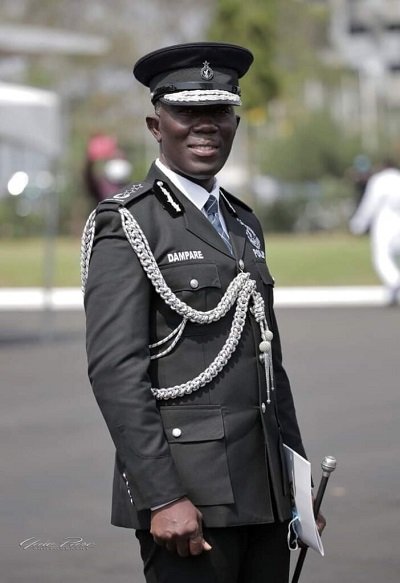
Indeed, the Acting Inspector-General of Police (IGP), COP George Akuffo Dampare has a difficult task to accomplish in order to stem the tide of this crime wave in our country. However, knowing the calibre of person he is and with the support from his team of officers and the public in general, he will be able to accomplish that task. We wish him all the best.
By Charles Neequaye
Contact email/WhatsApp of author:
0277753946/0248933366


Conflict at work is more common than you might think. According to 2022 research by The Myers-Briggs Company, more than a third of the workforce reports dealing with conflict often, very often, or all the time in the workplace. The same report found that managers spend an average of four hours per week dealing with conflict, and nearly 25 per cent of people think their managers handle conflict poorly or very poorly.
Addressing a dispute might feel tense or awkward, but resolving the conflict is typically well worth it in the long run. Whether you’re trying to mediate conflict between colleagues or are directly involved, here are seven steps you can take to manage workplace conflict.
1. Don’t put it off
Facing conflict head-on is hard. However, waiting too long to address it can negatively impact your emotional well-being, focus, and the entire office environment. If you’re feeling angry, letting that emotion fester can also escalate it over time. This can make you less responsive to other points of view and make it harder to resolve the issue.
The sooner you can address the conflict, the better it will be for you, the person you disagree with, and your entire team.
2. Learn all you can about the problem
It’s important to determine the type of conflict you’re dealing with. Begin by considering the cause of the conflict. For example, ask yourself whether someone said something that upset you or if you have emotions of anger and resentment that stemmed from something that happened.
Then try to identify if it’s a task, relationship, value, or team conflict. Once you know what type of conflict it is, you can work to resolve it with specific tactics for that situation.
If you skip this step, you may waste time or escalate the situation further by trying to address issues irrelevant to the real conflict.
3. Actively listen
Listen attentively when people share their side of the story. Active listening is one of the most valuable professional skills you can possess. This type of listening involves not only hearing what the other person is saying but also listening to understand their point of view.
No matter your role in conflict, it’s easy to begin sharing your opinion with little regard for the other people involved. However, it’s important to learn about all sides of a disagreement to make well-informed decisions before drawing conclusions.
To reach a resolution, you must step back and prioritize listening over talking. Ultimately, that will encourage the other person to do the same when it’s your turn to speak. –source: betterup.com
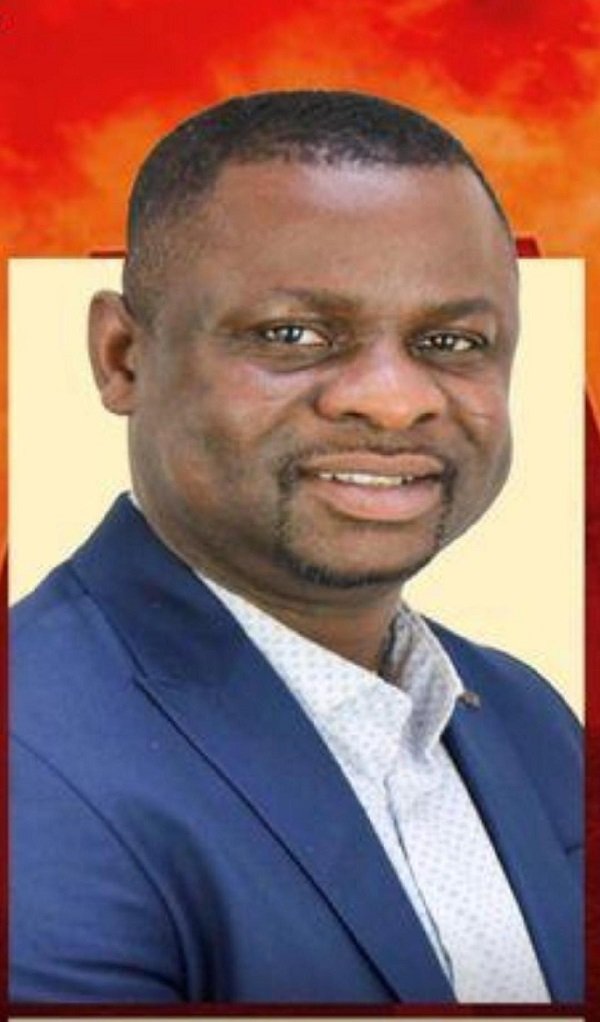
Today, I focus on the Temple Of Praise Ministries International (TOP Church) in Helsinki, as I continue my description of personalities or institutions and their accomplishments as members of the Ghanaian Diaspora in Finland.
The TOP Church in Finland has seen significant strides and accomplishments that must be made known to the public. 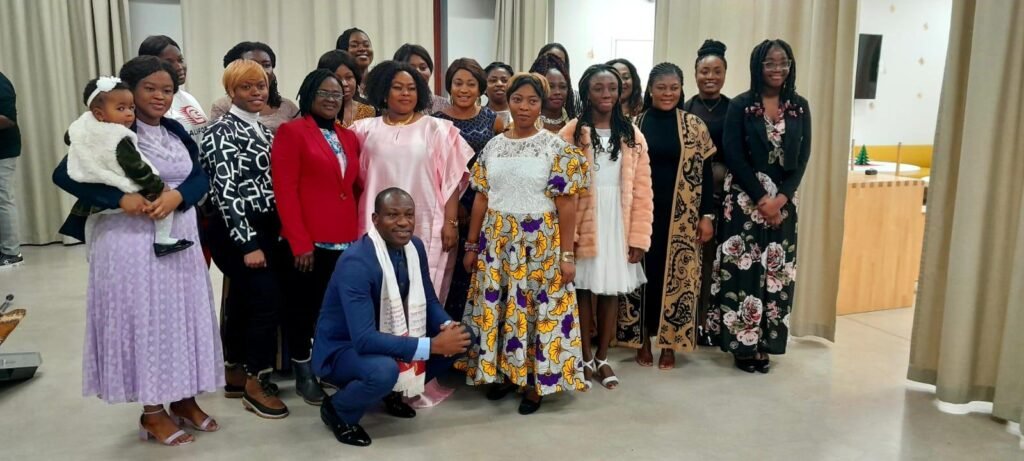
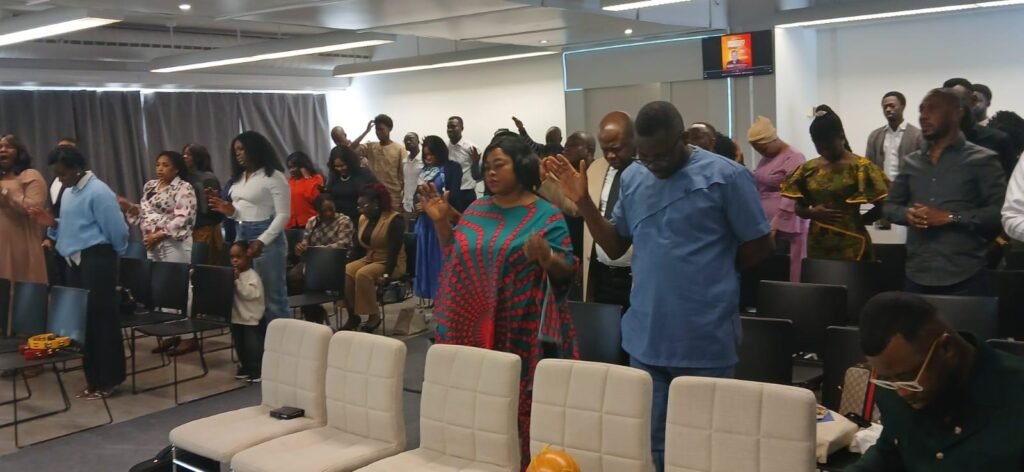
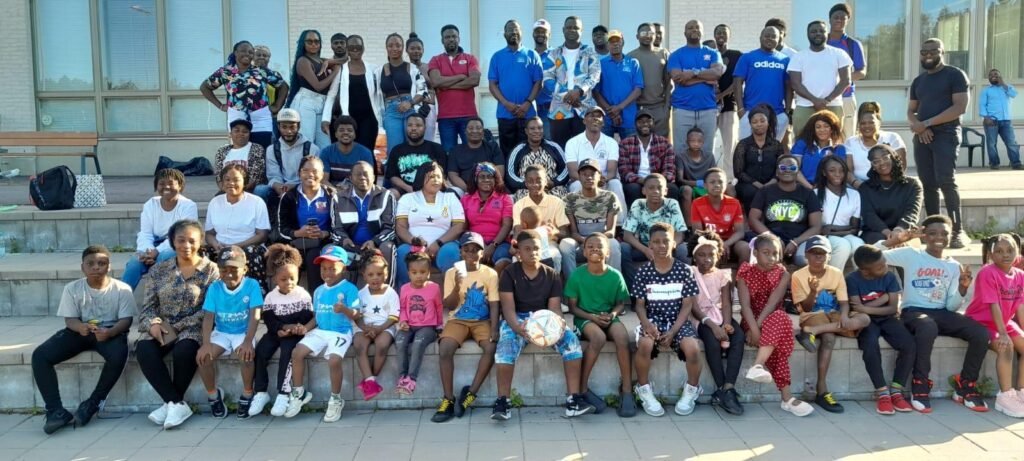
Some history
The Church was established in Finland in September 2016. Since its inception, it has steadily grown both spiritually and numerically, by the grace of God, as disclosed to me by Mr Matthew Anini Twumasi, the Presiding Elder of TOP’s branch in Finland. The TOP Church has other branches across Africa, Europe, and America.
The Church in Finland was founded with a vision to create a welcoming and dynamic community where people could experience God’s love and grace (see, www.topchurchfinland.org). According to Presiding Elder Matthew, the TOP Church operates within a unique environment where Christianity coexists with what is seen as a largely secular society.
Despite this, he submits, there are significant opportunities for outreach, unity, and demonstrating the love of Christ through service and community engagement.
Activities
Church services at the TOP Church are typically held on Sundays for the main worship. In addition, there are mid-week prayer sessions, Saturday prayer services, and a half-night service held on the last Friday of every month. “We also organise quarterly programs”, Elder Matthew added.
His impression of the Church so far has been positive. “It is a vibrant and welcoming community where members are committed to worship, fellowship, and supporting one another in faith”, he stated.
In sum, Elder Matthew said the Church continues to grow by God’s grace. “We remain hopeful and committed to spreading the Gospel, strengthening the faith of our members, and making a positive impact in society”, he continued.
Achievements
The TOP Church has a number of achievements and achievements. Some of the strengths include strong community bonds, cultural diversity, and deep commitment to spiritual growth.
I also remember that during the COVID-19 period, I heard that the TOP Church was one such bodies that hugely supported its members and others to cope with the situation.
According to Elder Matthew, the challenges facing the church include “adapting to cultural differences, engaging the younger generation, expanding outreach in a secular society, and securing a permanent place of worship”.
Role in the Ghanaian community in Finland
The TOP Church plays a prominent role as a religious group that serves Ghanaian migrants and others in the Finnish society.
Thus, the TOP Church is a religious body for Ghanaian migrants in Finland and other nationalities who want to worship with them for diversity and better intercultural and multicultural understanding.
The Church also has mechanisms in place to support its members who are bereaved as a way to commiserate with them in times of death and funerals.
The Ghanaian community has played a vital role in the growth of the Church. Their strong sense of fellowship, dedication to worship, and active participation have helped build a solid foundation and attract others to the ministry, according to Elder Matthew.
Integration
By its activities, the TOP Church is helping to ensure integration of its members well into the Finish society.
This is important since social interaction and citizens’ well-being are an important part of the integration process.
The role of migrant associations and groups such as TOP Church acting as bridge-builders for the integration and inclusion of migrants through participation in the decision making process and by acting as a representative voice is highly appreciated in Finland. Thank you!
GHANA MATTERS column appears fortnightly. Written in simple, layman’s terms, it concentrates on matters about Ghana and beyond. It focuses on everyday life issues relating to the social, cultural, economic, religious, political, health, sports, youth, gender, etc. It strives to remind us all that Ghana comes first. The column also takes a candid look at the meanings and repercussions of our actions, especially those things we take for granted or even ignore. There are key Ghanaian values we should uphold rather than disregard with impunity. We should not overlook the obvious. We need to search for the hidden or deeply embedded values and try to project them.
With Dr Perpetual Crentsil