News
Immigration Service Centre of Excellence Commissioned

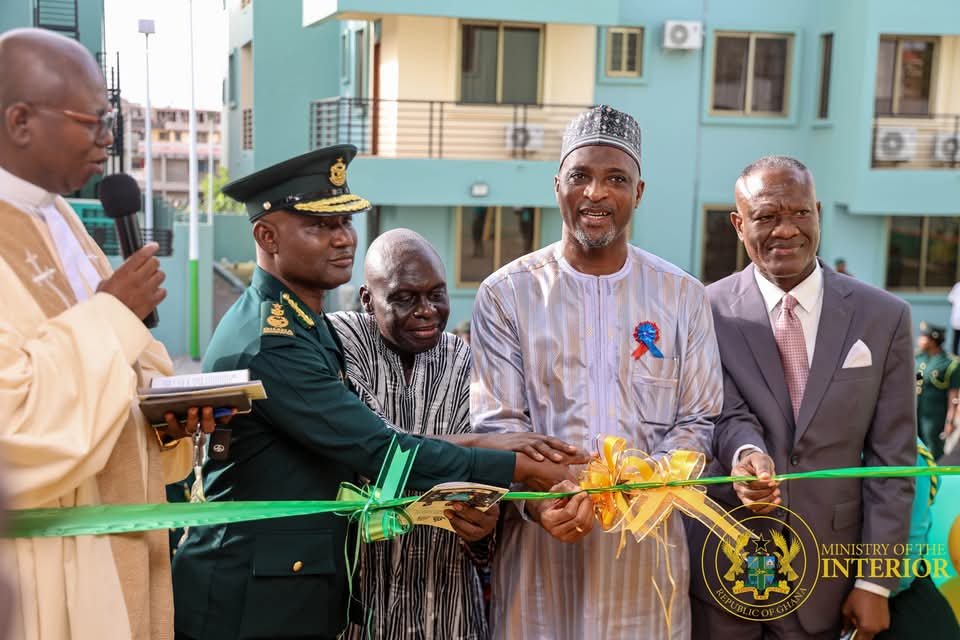
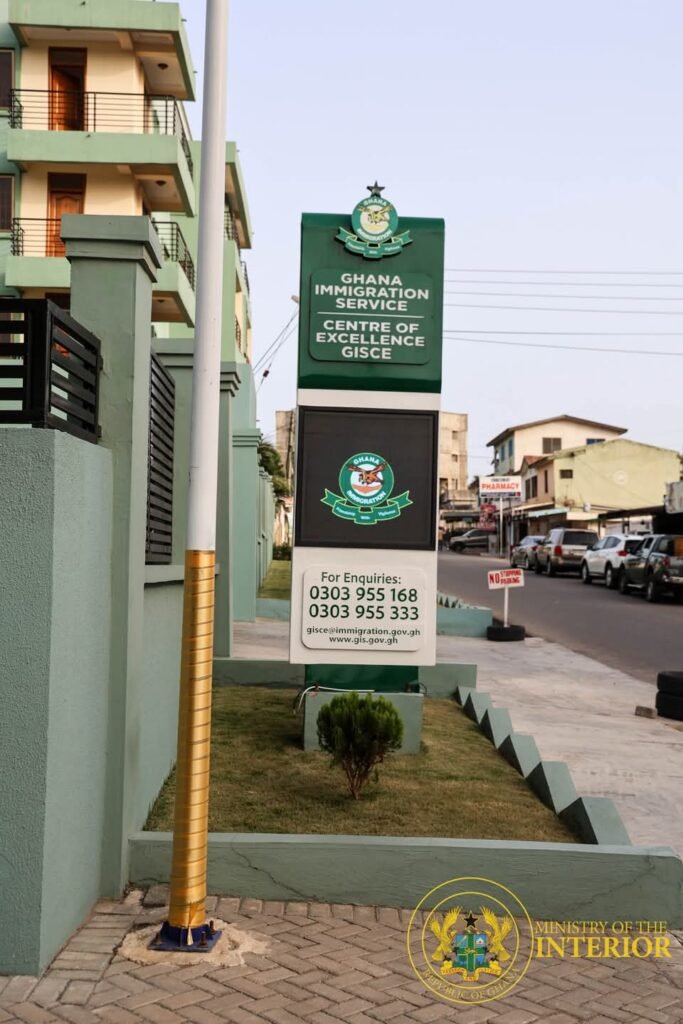
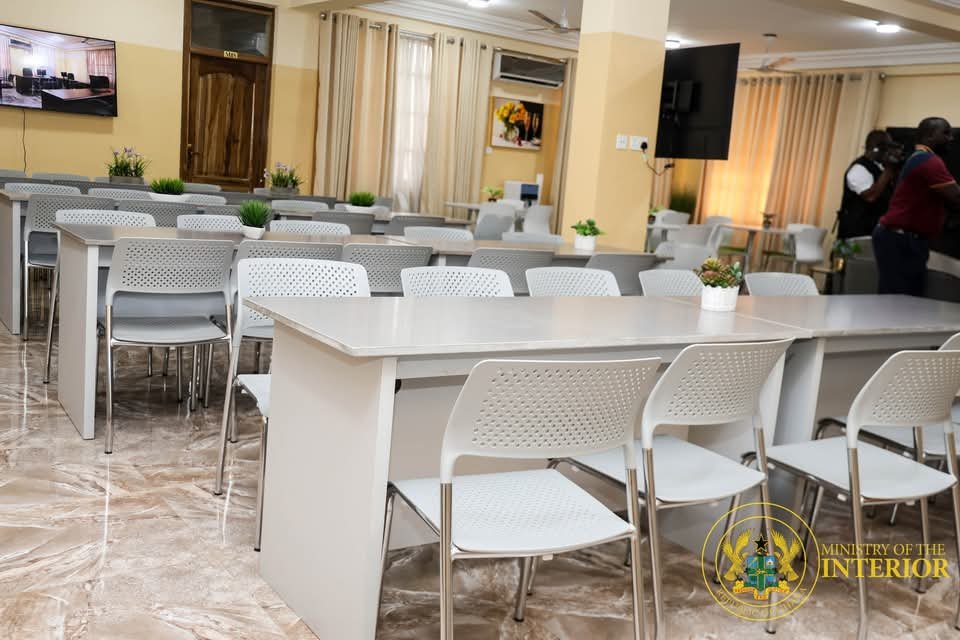
Minister for the Interior, Muntaka Mohammed–Mubarak has commissioned the Ghana Immigration Service (GIS) Centre of Excellence and residential accommodation for its officers in Accra.
The Centre of Excellence will serve as a hub for post-entry training and development for officers, enhancing their ability to promote migration-related issues. The residential accommodation consists of 84 units, including two and three-bedroom apartments, and is designed to improve the living conditions of GIS personnel.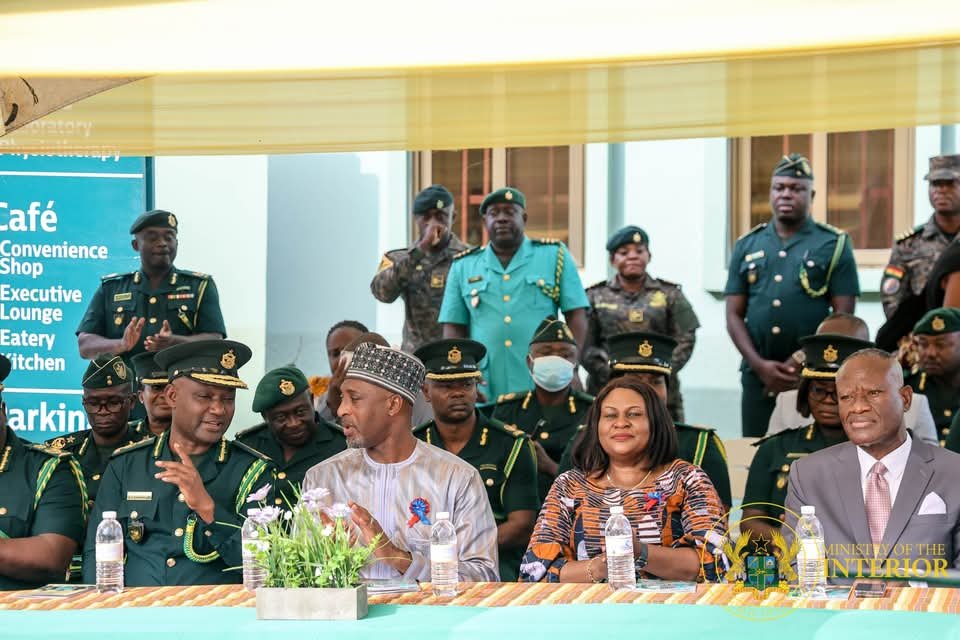
Muntaka Mubarak commended GIS for their dedication and hard work, noting that their critical role in national security has underscored the importance of enhanced logistical support. He assured that the Ministry of the Interior will continue to prioritize resource allocation for the benefit of national security.
The Minister stated that Government has acknowledged the pressing need to improve office and residential accommodations for security personnel and reaffirmed the commitment to bridging that gap.
He also charged the Comptroller-General and his team to ensure proper maintenance of the facility, emphasizing the importance of a maintenance plan to uphold the reputation of the Centre and demonstrate good community living.
The Ag. Comptroller–General Samuel Amadu Basintale expressed gratitude to the Minister for his support, noting that his presence signifies his commitment to addressing the housing deficit within the Service.
He also reaffirmed the GIS’s commitment to excellence and professionalism, dedicating the facility to the nation. The Centre is expected to boost the capacity of GIS personnel to perform their duties effectively and contribute to national security.
The Centre of Excellence is expected to serve as a hub for innovation and capacity building, equipping GIS personnel to tackle emerging challenges and ensure Ghana’s border security management.









The Northern Regional Police Command has arrested three men believed to be part of a kidnapping syndicate responsible for abducting a 42-year-old man in Wapuli, a community in the Yendi District.
The suspects, Haruna Seidu, Amidu Bandi and Osman Bandi allegedly kidnapped the victim and demanded GH¢100,000 from his family for his release.
According to a police statement, officers from the Regional Police Intelligence Directorate were deployed to Wapuli after the incident was reported.
The team conducted surveillance and launched a rescue operation.
On Friday, December 5, 2025, police successfully rescued the victim and arrested the suspects after what was described as an intense exchange of gunfire.
The suspects were later taken into custody and are expected to be arraigned before court.
The Police said the a fourth suspect, who is believed to have sustained gunshot wounds during the operation, is currently on the run.
They urged the public to provide any information that may lead to his arrest.
By: Jacob Aggrey
News
Nana Yaa Serwaa Sarpong advocates Bold educational reforms at the UK House of Lords during Global Education Summit.
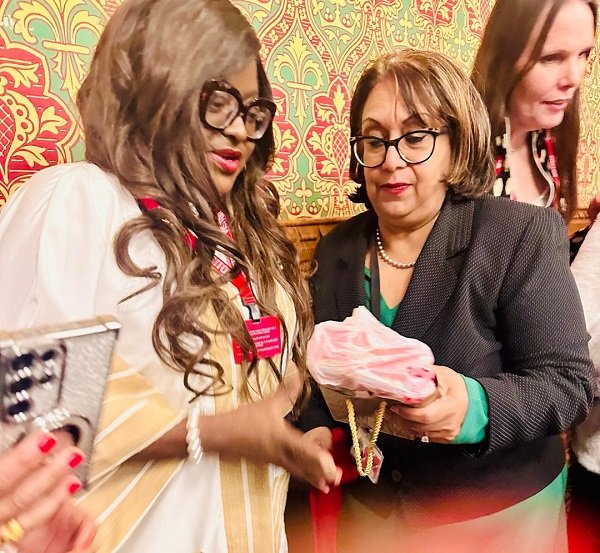
On November 27 2025, global development leaders, policymakers, education experts and civil society organisations gathered at the UK Parliament’s House of Lords for the Global Education Summit hosted by The Baroness Verma of Leicester and organised by the African British Business Forum.
The high-level event focused on the global rise in out-of-school children and the urgent reforms required to deliver equitable, quality education for all.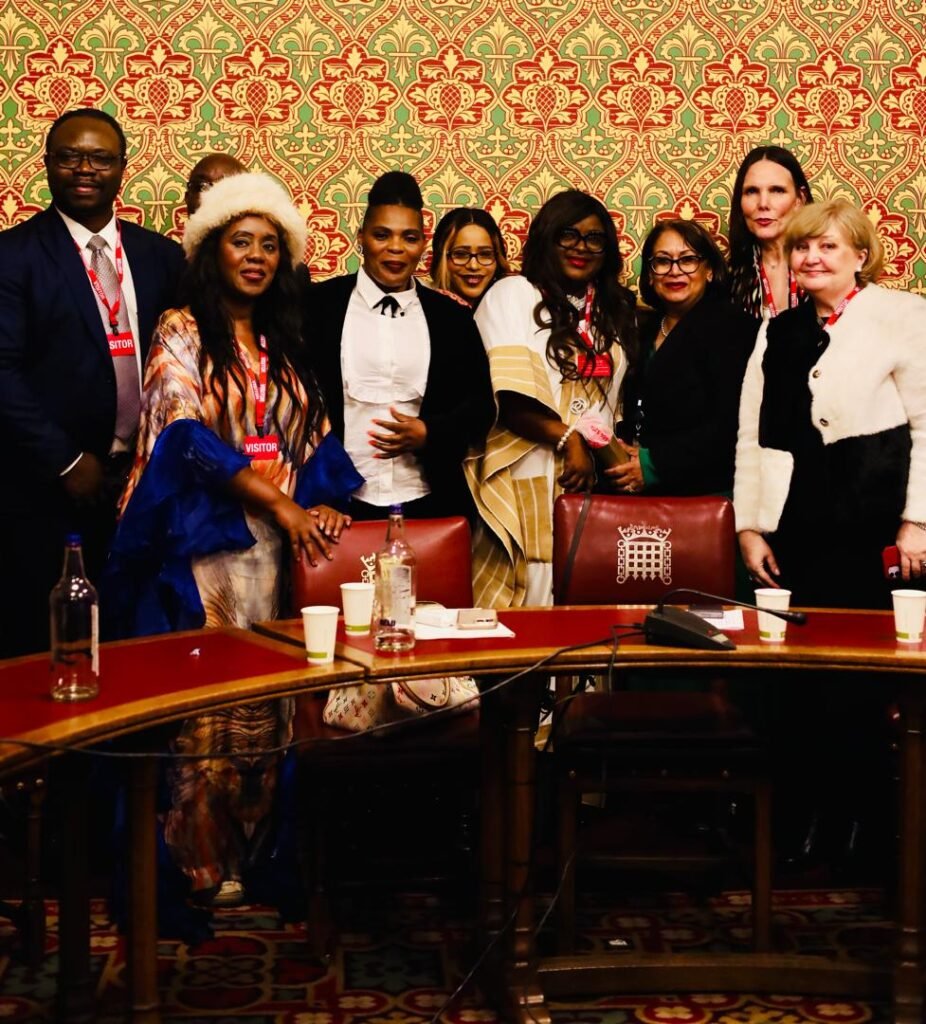
Among the distinguished Speakers was Nana Yaa Serwaa Sarpong, Founder & President of Women in Sustainability Africa (WiSA) and General Manager of the EIB Network, who delivered a compelling address on the theme “Breaking Barriers: Empowering Out-of-School Children Through Education.”
In her remarks, Nana Yaa who is currently celebrating 26years of Service in the Media, emphasized that education must be viewed as essential national infrastructure, not charity.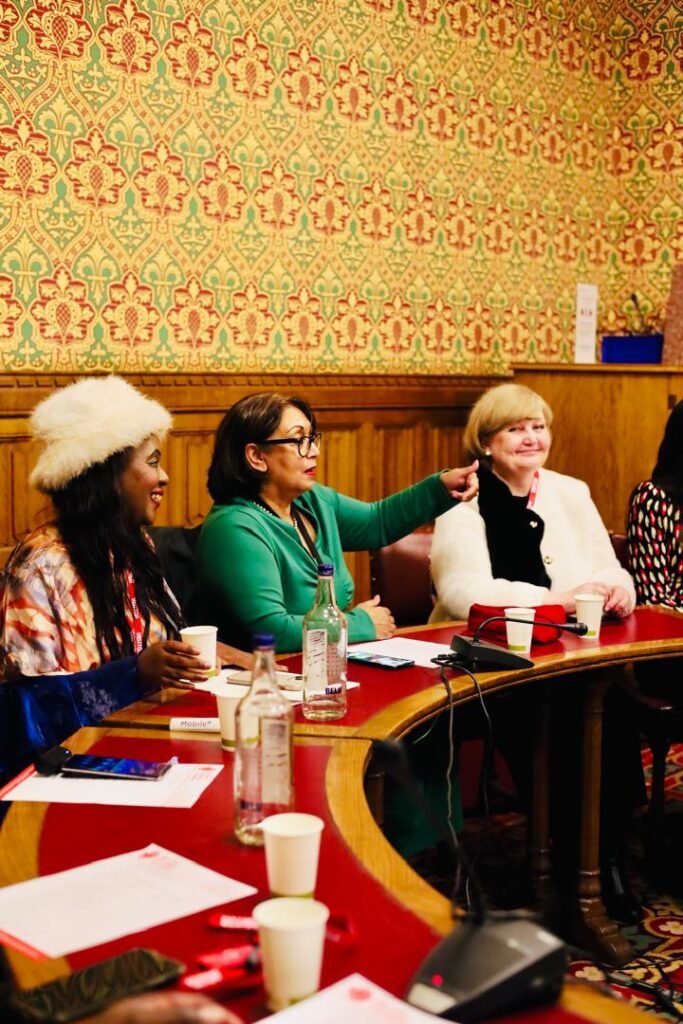
Borrowing experiences from her 18 years of empowering women and young people, she presented a strong case on how Africa’s poor educational systems tie into the poor state of its Gender Equality gap.
According to her, unlocking access to education is one of the most effective ways to strengthen economies, empower women and young girls, build resilient communities and drive sustainable development.
She highlighted that each child excluded from learning represents deferred innovation, delayed opportunity and a weakened society.
Nana Yaa noted that the barriers keeping millions of children out of school are complex and interconnected—ranging from poverty and cultural norms to geographical isolation and digital exclusion.
Addressing these challenges, she argued, requires solutions that are equally comprehensive and multi-layered.
Nana Yaa stressed that girls remain disproportionately affected, and investing in girls’ education has a transformative impact across several Sustainable Development Goals, including gender equality, poverty reduction, health outcomes and climate resilience.
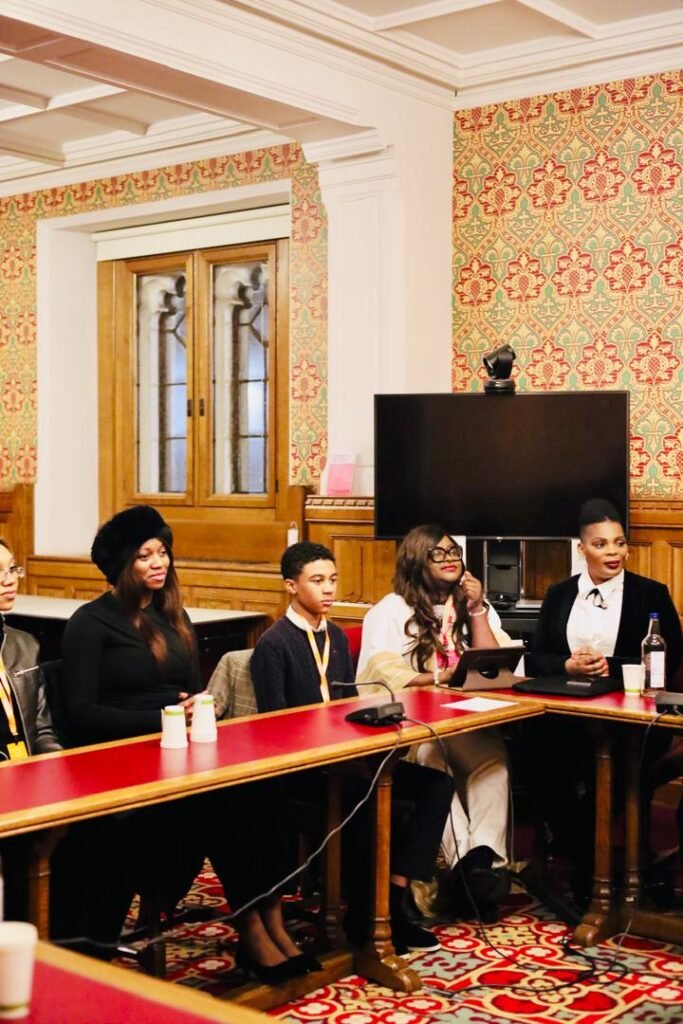
Nana Yaa advocated for the expansion of flexible, inclusive and community-responsive educational models, such as mobile classrooms for remote and nomadic communities, community learning hubs, after-hours programmes for working children, radio-based instruction for low-tech areas and digital platforms designed to reach learners regardless of connectivity challenges.
She warned that without deliberate action, the digital divide would continue to widen, pushing already vulnerable children further to the margins.
During her presentation, she introduced three major reforms WiSA is seeking Partners for, aimed at reshaping educational access across Africa and beyond.
These are the Digital Bridge for Out-of-School Children (DBOC), the Community Education Stewardship Hubs (CESH) involving local women educators and youth volunteers and the Teen-focused Global Skills Accelerator for Out-of-School Teens (GSA-OT).
She also underscored the need for education systems that support instruction, inclusivity and healing, particularly for children experiencing autism, trauma, displacement or conflict.
Nana Yaa emphasised that emotional and psychological support must be integrated into educational frameworks in order to restore confidence, stability and long-term learning capacity.
The summit concluded with strong commitments from stakeholders to adopt sustainable financing models, strengthen data-driven policies and expand cross-sector partnerships.
The African British Business Forum reaffirmed its commitment to championing innovative, scalable solutions to educational inclusion across the UK, Africa and the wider global community.