Nutrition
Health benefits of Peanut

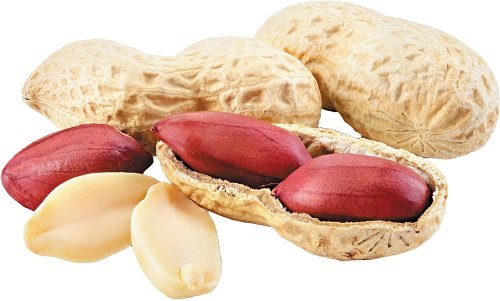
• Peanut
Peanuts are delectably crispy, nutty, and delicious. The kernels are rich in numerous noteworthy nutrients that are beneficial to health and overall wellness.
These tasty nuts can be a healthy addition to diet as they are rich in beneficial minerals, vitamins, and plant compounds.Most people take it at snacks.Peanuts are nutritionally dense and healthy.
– Promote healthy heart
Eating peanuts helps protect the body against coronary heart disease (CHD). A study conducted by the Harvard School of Public Health found that peanuts lower bad cholesterol (LDL) levels.
-Aids weight Loss
Peanuts are very high in calories, but they contribute to weight loss instead of weight gain. Peanuts are energy-dense foods. That is why having them as a snack may make you consume fewer calories later in the day. Peanuts elicited stronger feelings of fullness when consumed as a snack than with a meal. This may eventually help with weight loss.
-Prevents gallstones
Consumption of peanuts is linked to a lower risk of gallstones. A study conducted by the Harvard Medical School and Brigham and Women’s Hospital (Boston) found that consumption of peanuts lowers the risk of gallstones. Men consuming five or more units of nuts (including peanuts) a week are at a lower risk of gallstone disease.
– Aids blood sugar control
Adding peanuts or peanut butter to a meal does not spike blood sugar levels. Having them along with a meal would stabilise blood sugar levels.
-Reduces cancer risk
High intake of peanuts (including other nuts) has been associated with a reduced risk of colorectal cancer. The isoflavones, resveratrol, and phenolic acid found in peanuts have anticancer properties which may help reduce the risk of cancer
-Treat erectile dysfunction
Peanuts are rich in arginine, which is an essential amino acid (Arginine has been studied extensively as a possible treatment for erectile dysfunction.
-Boosts energy
Peanuts are a rich source of protein and fibre that assists in the conversion of carbohydrates into energy. The protein content of peanuts is around 25 per cent of the total calories. The fibre and protein combination in peanuts slows down the digestive process to facilitate a steady release of energy into the body.
-Have antioxidative properties
Peanuts are rich in numerous plant compounds and antioxidants. Most of these compounds are available in the skin of peanuts, which should be eaten raw to get all of its benefits. Some of the plant compounds that are readily available in peanuts include resveratrol, coumaric acid, and phytosterols that help impair the absorption of cholesterol, isoflavones, and phytic acid found in plant seeds.
Source: Health.com



Ingredients
-Oil
-1 large onion
-2 cups of rice
-Salt
-2 cups of wheat
Preparation
-In a medium saucepan, heat oil over medium-low heat
-Add the onion and cook, stirring frequently, until soft and turns golden brown
-Wash rice and wheat and put into pan. Sauté for two to three minutes, until toasty and fragrant
-Add water and salt and allow to boil.
– Reduce heat to low and allow to simmer for 10 to 15 minutes until rice is tender and the water is absorbed.
-Taste the rice/wheat; if it is still a bit firm, add a few more tablespoons of water and cook a few more minutes.
-When the rice/wheat is ready, take it off the fire and serve hot
Benefits of wheat
–Improves digestion: High levels of insoluble fibre- wheat promotes regular bowel movements, prevent constipation, and support a healthy gut microbiome.
-Supports heart health: Whole-grain wheat helps lower LDL (bad) cholesterol, reduces blood pressure, and decreases the risk of stroke and heart disease.
-Aids weight management: Complex carbohydrates and dense fibre slow digestion, increase feelings of fullness, and help prevent sharp blood sugar spikes.
-Lowers type 2 diabetes risk: Steady glucose release and minerals like magnesium improve insulin sensitivity.
– Provides essential vitamins and minerals: Wheat supplies B vitamins, iron, magnesium, phosphorus, zinc, and selenium, which help build bones and boost immune function.
–Delivers Antioxidants: Compounds like phenolic acids, ferulic acid, and lutein protect cells from oxidative stress and support eye health.
SKIP THE QUEUE, TAP THE NEWS
You can now read the Ghanaian Times and The Spectator newspapers from the comfort of your device via TimesNewsPlus.
Join our WhatsApp Channel: https://whatsapp.com/channel/0029VbBElzjInlqHhl1aTU27

Ingredients
-4 cups of crushed corn
-1 cup of sugar
Method:
-Soak crushed corn for two or more days to ferment
-Boil the fermented corn for about 20-30 minutes until foamy substance is dried up
-Pour sugar in a saucepan and heat until almost burnt
-Strain water from the boiled corn and pour in the saucepan containing sugar
-Use a strainer to strain the chaff
-Allow to cool and store in refrigerator
– Serve with milk
By Linda Abrefi Wadie