News
Ghana Zambian Relations: President Mahama calls for economic reset and deeper cooperation

- /home/u249204778/domains/spectator.com.gh/public_html/wp-content/plugins/mvp-social-buttons/mvp-social-buttons.php on line 27
https://spectator.com.gh/wp-content/uploads/2026/02/WhatsApp-Image-2026-02-05-at-15.10.19.jpeg&description=Ghana Zambian Relations: President Mahama calls for economic reset and deeper cooperation', 'pinterestShare', 'width=750,height=350'); return false;" title="Pin This Post">
- Share
- Tweet /home/u249204778/domains/spectator.com.gh/public_html/wp-content/plugins/mvp-social-buttons/mvp-social-buttons.php on line 72
https://spectator.com.gh/wp-content/uploads/2026/02/WhatsApp-Image-2026-02-05-at-15.10.19.jpeg&description=Ghana Zambian Relations: President Mahama calls for economic reset and deeper cooperation', 'pinterestShare', 'width=750,height=350'); return false;" title="Pin This Post">
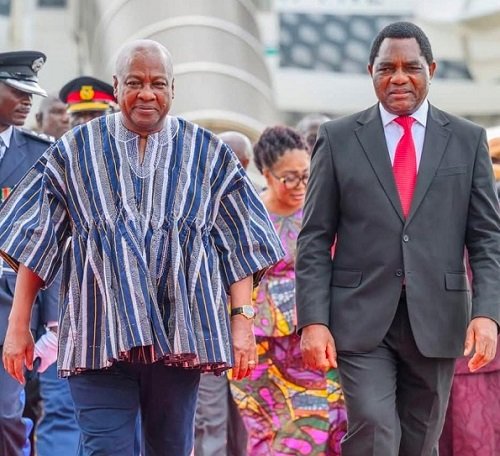
President John Dramani Mahama has called for stronger economic cooperation, African self reliance and reforms in global systems to support the continent’s development during a state visit to Zambia.
Addressing the Zambian Parliament in Lusaka, President Mahama described the invitation to speak before the House as a great honour, noting that his experience as a former Member of Parliament and President made him familiar with parliamentary traditions.
He conveyed warm greetings from the government and people of Ghana and expressed appreciation for the hospitality shown to him and his delegation since their arrival in Zambia.
President Mahama explained that the visit reaffirmed the long standing friendship between Ghana and Zambia, which he traced to the liberation struggles of Africa under the leadership of Osagyefo Dr Kwame Nkrumah and Dr Kenneth Kaunda.
He recalled Ghana’s historical support for Zambia’s independence, noting that many Zambian freedom fighters were influenced by Pan African ideals nurtured in Ghana.
He stressed that the responsibility of the current generation was to turn political solidarity into real economic and social benefits for citizens.
He pointed out that Africa was facing declining development assistance, rising defence spending and weak multilateral systems, a situation he described as a pandemic of unfulfilled potential.
The President indicated that millions of young Africans remained unemployed while many economies continued to extract wealth without building local capacity.
He urged African leaders to respond with realism and bold action.
President Mahama referred to the Accra Reset Initiative, which he has promoted on global platforms, including Davos, to encourage Africa to redefine its development path.
He observed that many African countries were trapped in triple dependency on external security actors, donor funding for health and education and foreign control of critical minerals.
He explained that the Accra Reset aimed to reform global systems that disadvantaged Africa, while promoting unity, self reliance and the use of the continent’s natural strengths for industrial growth.
He called for reforms in global governance, including greater African representation at the United Nations Security Council, and changes to international financial systems that keep Africa in debt.
Turning to Ghana’s experience, President Mahama outlined steps taken by his administration since returning to office one year ago.
He mentioned efforts focused on economic recovery, stability, job creation and inclusive growth, supported by fiscal discipline, productive investment and good governance.
He disclosed that the size of government had been reduced, public services were being digitalised to fight corruption and investments were being made in digital, green and industrial skills.
He added that Ghana had restructured its debts to prioritise investment in people.
The President noted that inflation in Ghana had dropped from 23.4 percent at the end of 2024 to 3.8 percent in January 2026, while the national currency had appreciated by 32 percent.
He added that Ghana was exiting the IMF programme with dignity and on sustainable terms.
He described these gains as beneficial not only to Ghana but also to regional integration, identifying Zambia as a natural partner.
He pointed to opportunities for cooperation in mining, agriculture, energy and manufacturing.
President Mahama emphasised the need for Africa to take greater control of its natural resources.
He criticised the practice of granting large concessions to speculators and called for stronger participation by indigenous companies in the extractive sector.
He highlighted Ghana’s establishment of a Gold Board to regulate gold exports, noting that exports from the artisanal and small scale mining sector had increased from 63 tonnes to 104 tonnes within ten months, generating more than 10 billion dollars in foreign exchange.
He added that Ghana had begun refining gold locally and planned to add value to manganese and bauxite.
As African Union Champion of African Financial Institutions, President Mahama disclosed advocacy efforts to repatriate part of Africa’s foreign reserves for investment in African institutions such as the African Development Bank, to support infrastructure and economic growth.
He stressed that no African country could succeed in isolation and called for regional manufacturing zones, integrated energy systems, shared digital infrastructure and unified negotiation on trade, minerals and climate finance.
On governance, President Mahama underscored the need for transparent and accountable leadership.
He urged that institutions mandated to fight corruption be allowed to operate independently and that abuse of public trust be punished.
He echoed the view that Africa needed strong institutions rather than strongmen.
He acknowledged democratic challenges in parts of West Africa but maintained that Ghana was determined to show that democracy could deliver prosperity under constitutional rule.
President Mahama commended Zambia for stabilising its economy, noting improvements in the Kwacha and ongoing reforms that were sending positive signals to investors.
He expressed Ghana’s readiness to deepen trade, investment and financial cooperation with Zambia.
He also expressed confidence in Zambia’s democratic institutions ahead of its general elections and announced that the two countries had signed ten Memorandums of Understanding to strengthen cooperation.
Among them was an agreement allowing visa free travel for all categories of passport holders between Ghana and Zambia.
The President reaffirmed Ghana’s commitment to peace and security cooperation with Zambia and highlighted Africa’s push for reparative justice.
He revealed that Ghana would sponsor a United Nations resolution to declare slavery the greatest crime against humanity and expressed hope that Zambia would support the initiative.
In his role as African Union Champion for Gender and Development, President Mahama outlined steps taken by Ghana to promote gender equity, including electing its first female Vice President, implementing a law to ensure at least 30 percent female representation in public appointments and plans to establish a women’s development bank.
He stressed the importance of the African Continental Free Trade Area in boosting intra African trade and industrialisation, and reaffirmed Ghana’s commitment to working closely with Zambia based on mutual respect and shared destiny.
By: Jacob Aggrey





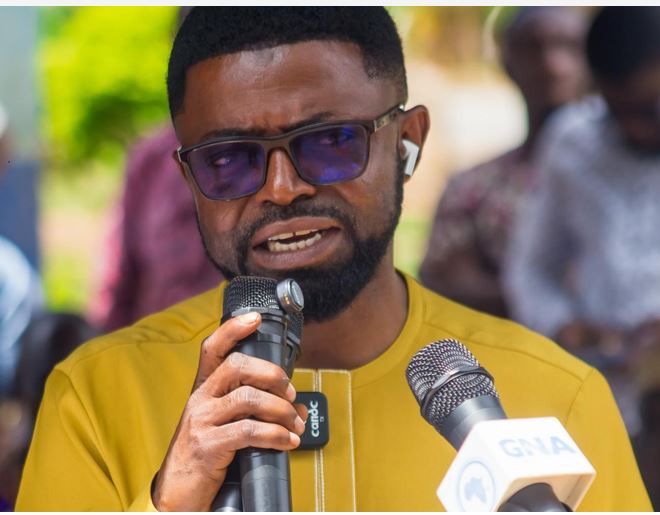
Mr Issahak Ibrahim, the Atwima Mponua District Chief Executive (DCE), has stressed the need to invest in initiatives that will encourage school children to read at all times.
He said a nation that invested in reading invested in its future, since a reading child was a potential future leader.
Speaking at the District Reading Festival for 32 schools in the district, at Nyinahin, he said reading strengthened literacy skills and inspired young leaders to unlock their full potentials while nurturing a lifelong love for learning, which leads to success.
Mr Ibrahim, therefore, enjoined teachers, parents, pupils and all stakeholders in the district to inspire every child to discover the limitless possibilities that begin with the act of reading in order to make it reflect the shared commitment to building a generation of confident readers, critical thinkers and lifelong learners in the society.
He pledged his commitment to support and empower more children and help them to achieve higher educational laurels in the area, while championing the cause of reading among children to achieve the related benefits.
“I remain committed to supporting educational initiatives that would empower our children with the knowledge and skills they needed to succeed in an ever-changing world,” he stated.
The festival was organised by the District Directorate of Education in conjunction with the ISMAT Foundation, a local educational non-governmental organisation (NGO) founded by the DCE, to support needy learners in the district and beyond.
The festival was under the theme: “Turn a page to begin a journey.”
The festival was aimed at encouraging and motivating the interest of pupils in reading and general learning.
All the 32 participating pupils from four zones within the district received school bags, exercise books, pens, pencils, erasers, mathematical sets and certificates.
Lawal Kwame from the Botrampa D/A Basic and Sadique Bamba from the Mpasatia African Faith Preparatory schools in the Nyinahin Zone, emerged first in the KG One and two classes, whilst Alice Fosu, Beatrice Sarfowaa and Priscilla Agyemang from the Adiembra Anglican Basic School also in the Nyinahin Zone, came first from Basic One to Basic Three classes respectively.
Ernest Duah from the Mampong Abebrese D/A and Blessing Sika from the Sreso Presby School in the Sreso Zone as well as Eric Osei Agyemang from Adiembra Anglican Basic School came first in the Upper Primary department.
Ms Ama Adwubi Asafu-Adjaye, the District Director of Education, commended the DCE for the programme, which was the first of its kind after the year 2022 one, which was supported by the USAID.
She said a Basic One boy called Obed Awuku from Mampong Abebrese D/A Basic School climbed from the district through a Regional contest, won and placed second at the national level in the year 2022 as one Salam Mohammed of the Otaakrom D/A Islamic Basic School, who also emerged as the 2024 winner in the district also placed fifth among the 16 regional participants even though they had a very short notice for preparation.
She said other achievements encouraged her and her management to make the programme an annual event in June and July as part of the activities on their academic calendar and a source of pride for the district.
She, therefore, encouraged the teachers to work harder to produce talented kids for higher achievements from the area. -GNA
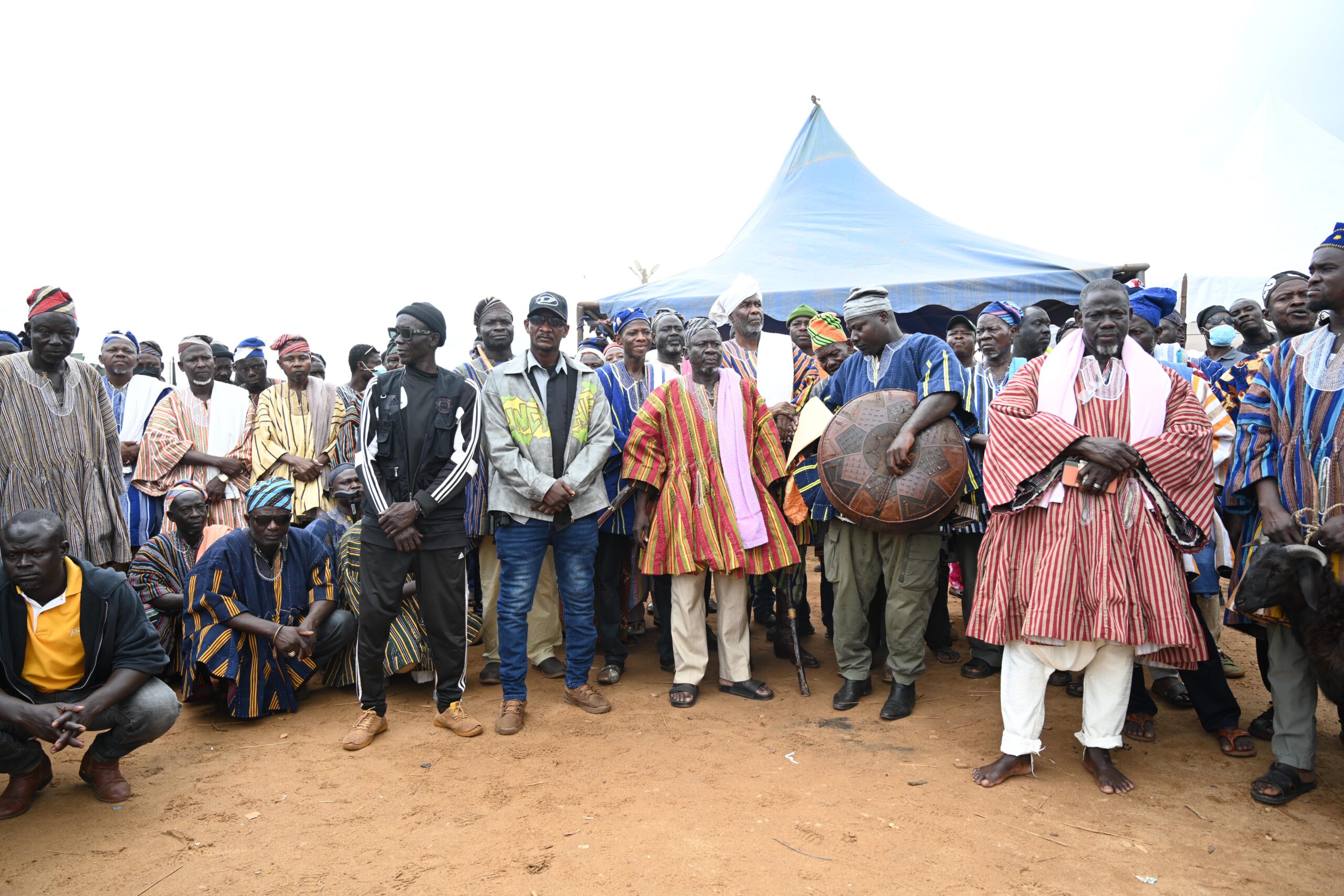
The forecourt of the Gbewaa Palace, was a mixture of rich tradition and emotional scenes as thousands of mourners concluded the three-day adua for the late Overlord of Dagbon, Ndan Yaa Naa Abukari II.
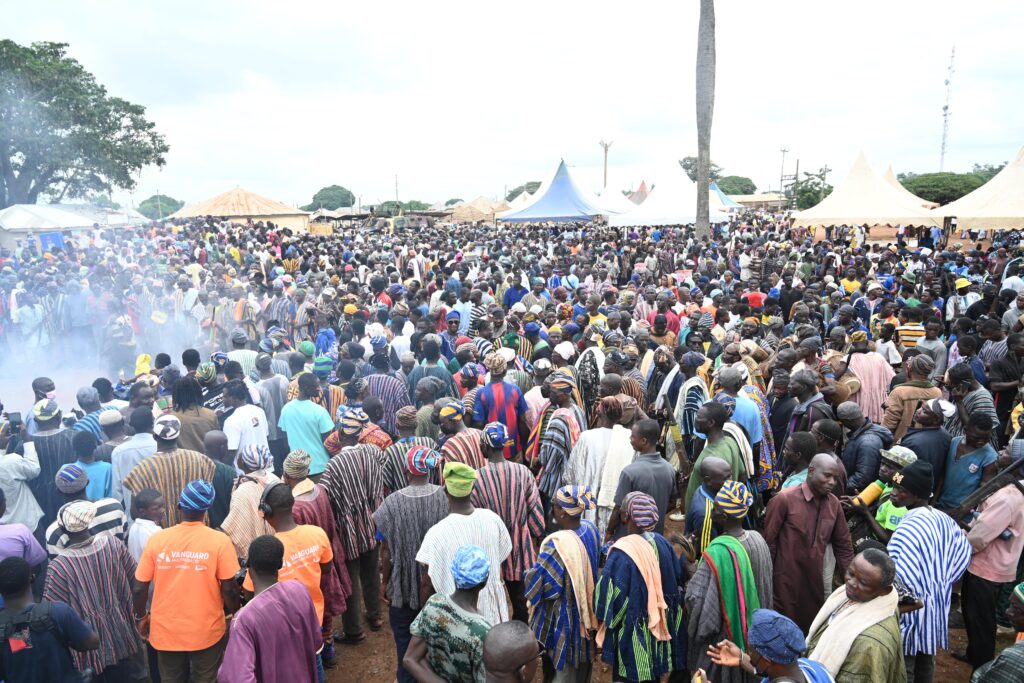
For the period, the Gbewaa Palace became the spiritual and cultural heartbeat of the Dagbon Kingdom as Islamic clerics, traditional rulers, politicians, security personnel and ordinary citizens united in prayer for the repose of the soul of the revered monarch.
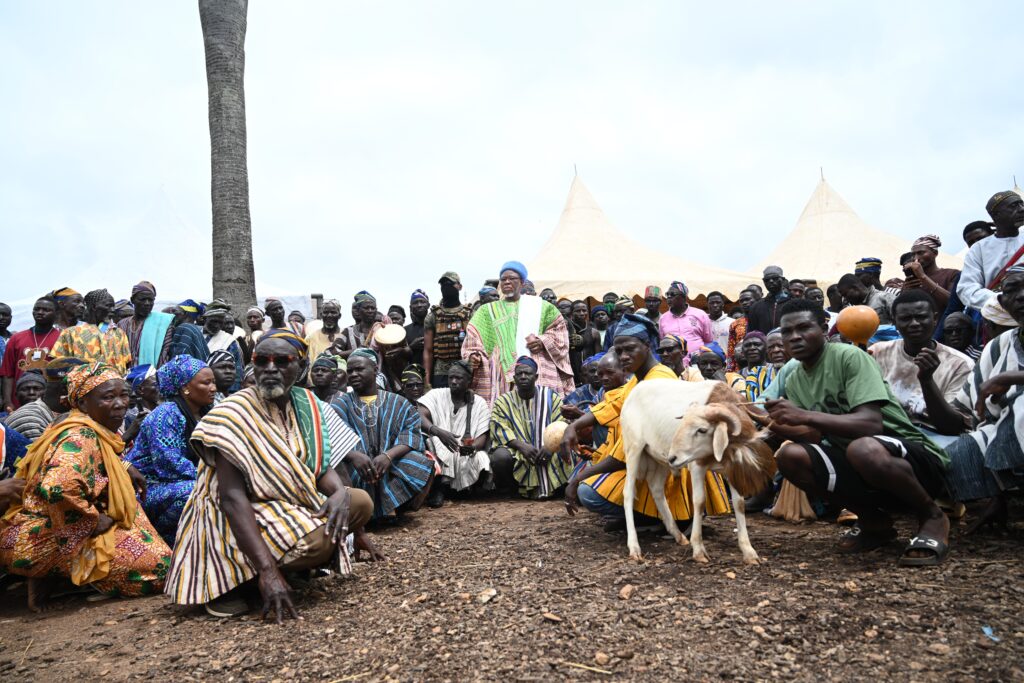
From dawn each day, streams of mourners, mostly dressed in traditional smocks and black attire, steadily filled the palace grounds and adjoining streets, transforming the royal seat into a sea of mourners.
Men, women, youth and children sat under canopies and open spaces while verses from the Holy Qur’an echoed across the palace, creating an atmosphere of reverence and reflection.
The air occasionally reverberated with ceremonial gunshots and traditional warrior displays, symbolising honour, bravery and the rich cultural heritage of the Dagbon Kingdom.
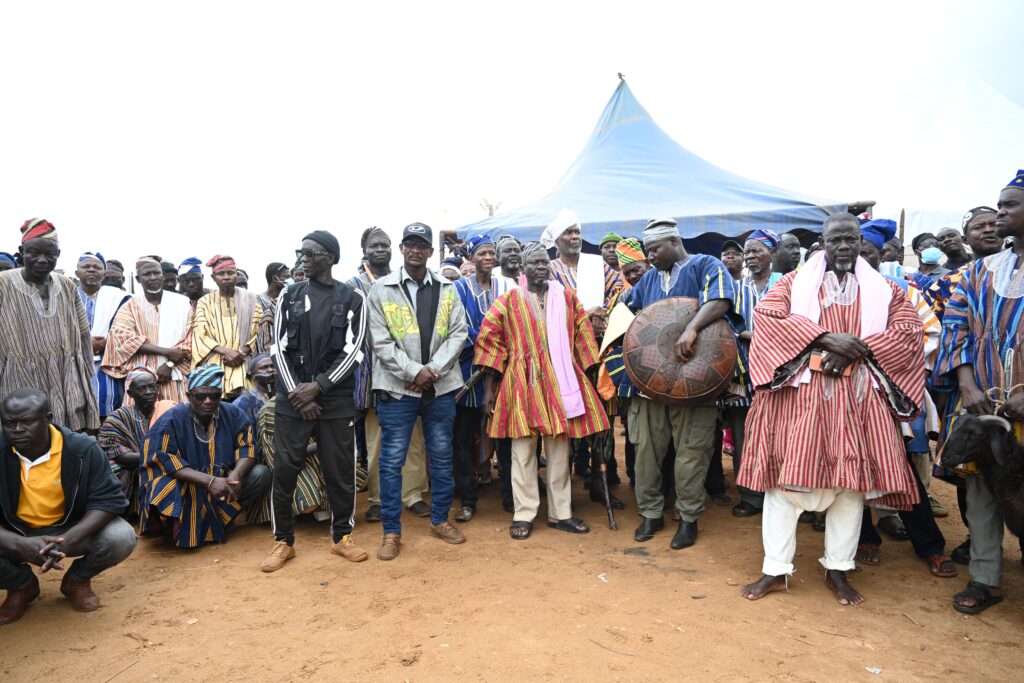
The adua, observed in accordance with Islamic tradition following the burial of the Yaa Naa, was attended by eminent Imams and Mallams who offered continuous prayers, seeking Allah’s mercy and eternal peace for the departed King.
Throughout the three-day observance, a steady flow of dignitaries visited the Gbewaa Palace to pay their respects and sign the book of condolence.
Among them were the Northern Regional Minister, Ali Adolf John Mburidiba; the Savannah Regional Minister, Salisu Be-Awuribe Issifu; and the National Chairman of the National Democratic Congress (NDC), Johnson Asiedu Nketia, who joined members of the royal family, traditional rulers and mourners in honouring the late Yaa Naa.
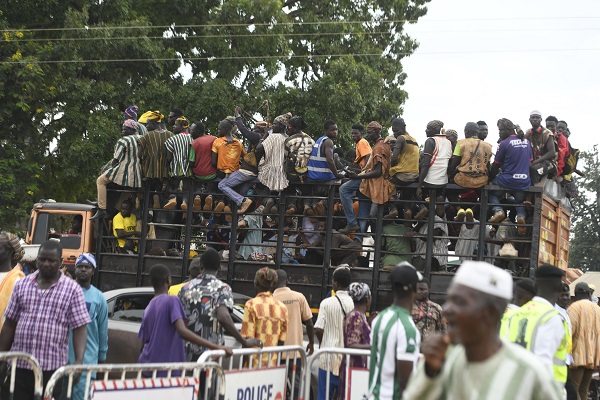
Security remained tight throughout the mourning period, with the Ghana Police Service deploying 450 personnel to ensure law and order.
The officers were stationed at strategic locations, including the Gbewaa Palace, major entry points into Yendi and other key installations, where they managed traffic, maintained public order and provided security for thousands of mourners and visiting dignitaries.
Beyond the official ceremonies, the event reflected the deep respect the people of Dagbon and Ghanaians at large had for the late monarch.
The conclusion of the three-day adua marks another important milestone in the funeral rites of the late Yaa Naa and signals the gradual transition towards the customary processes leading to the selection and enskinment of a new Overlord of the Dagbon Kingdom.
Although the formal three-day prayers have ended, mourning activities continue, with the seventh-day Islamic prayers expected to draw another large gathering of traditional authorities, government officials, religious leaders and well-wishers from across the country.
From: Geoffrey Buta, Yendi