Fashion
Ghana Month 2026: Reviving traditional wear to unite generations


AS Ghana Month unfolds this March, the streets and schools are alive with colour, fabric, and nostalgia. Old-school outfits, once everyday wear, have returned as proud symbols of heritage, reminding Ghanaians of the artistry woven into their past.
From the crisp secondary school uniforms of the 1970s to the bold kaba and slit styles worn by mothers and aunties, these outfits carry stories of discipline, elegance, and identity. The Afro style, paired with bell-bottom trousers or neatly pressed shirts, were once the hallmark of youthful rebellion and confidence.
Traditional fabrics like Kente and Smock remain central to Ghanaian fashion. Once reserved for chiefs and ceremonies, they now appear in classrooms, offices, and parades during Ghana Month, symbolising unity and pride.

“When I wear my Smock, I feel connected to my roots,” says Kwame Asare, a teacher in Tamale. “It is more than clothing; it is history stitched into fabric,” he added.
Old-school fashion also tells the story of Ghana’s social evolution. The platform shoes and polka-dot dresses of the 1980s reflected global influences, while braided hairstyles and headscarves kept tradition alive. Today, young designers are reimagining these looks, blending vintage cuts with modern flair.


For many, dressing in old-school outfits during Ghana Month is not about nostalgia. It is a way of honouring ancestors, celebrating resilience, and teaching the next generation that fashion is culture.
“Our clothes remind us where we come from,” says stylist Efua Mensah. “They are our crown, our pride, and our story.”
As Ghana celebrates its independence and heritage this month, the revival of old-school outfits proves that fashion is never just about trends. It is about memory, identity, and the timeless threads that bind a nation together.
By Linda Abrefi Wadie
Join our WhatsApp Channel now!
https://whatsapp.com/channel/0029VbBElzjInlqHhl1aTU27


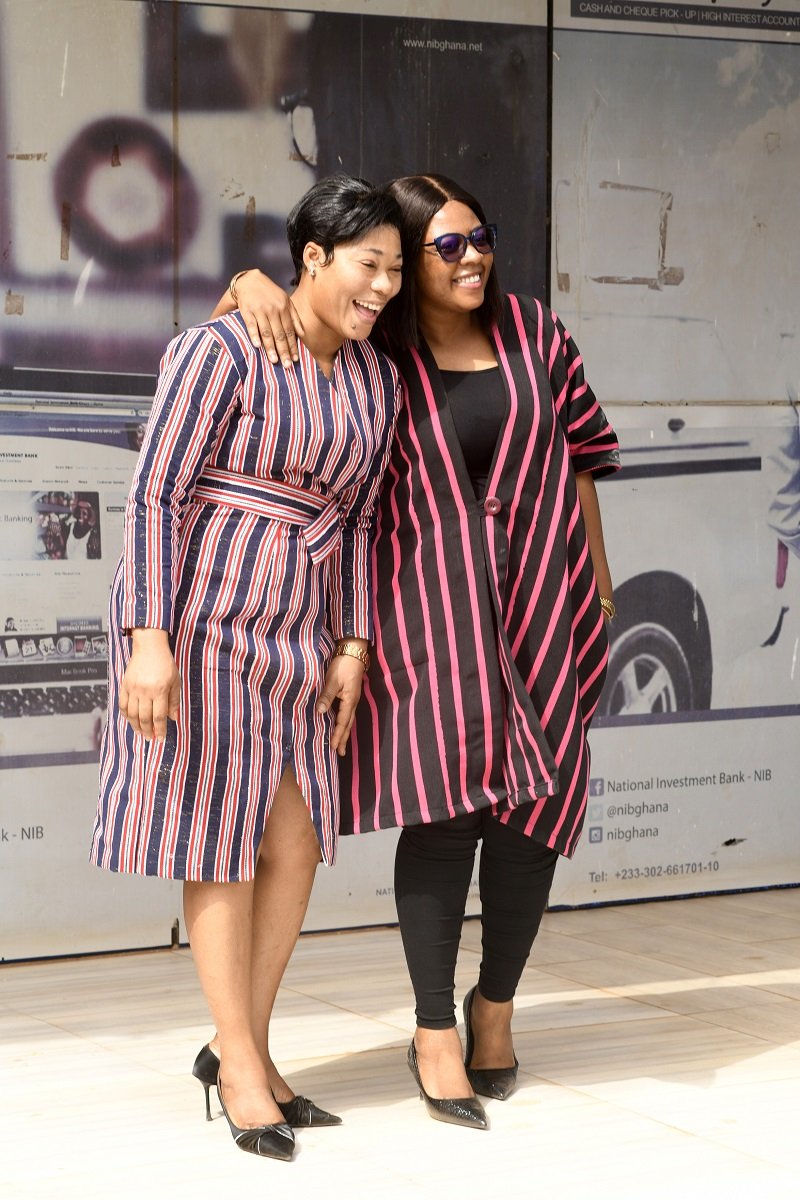
KPALANGA-INSPIRED fashion designs took centre stage in Tamale during the launch of the ‘Fugu Wednesday Wear’ initiative by the National Investment Bank PLC.
The Tamale-based fashion brand SNIKIA NEWLUK showcased a collection of modern outfits made from traditional Fugu fabric, presenting creative designs that blended Northern Ghana’s iconic smock with contemporary fashion styles.
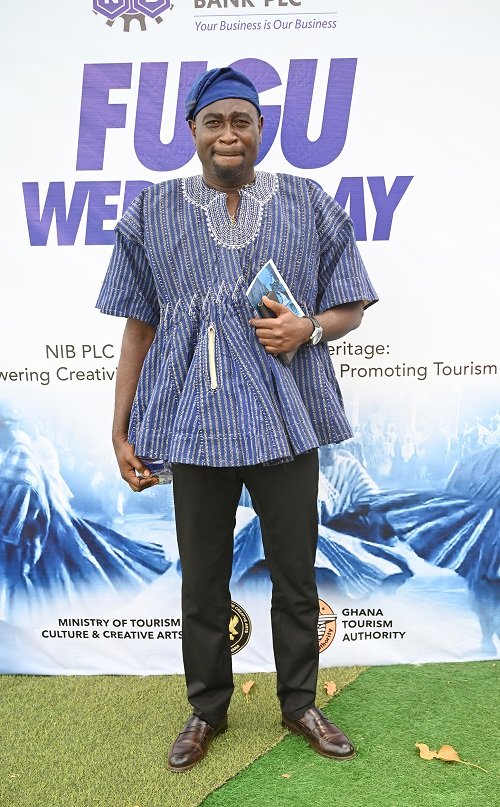
Models walked the runway in uniquely tailored outfits that highlighted the versatility of Kpalanga, a modern interpretation of the traditional Fugu designed to appeal to younger generations and professionals.
Speaking on the side-lines of the event, the founder of SNIKIA NEWLUK said the brand aims to modernise Northern Ghanaian fashion while preserving its cultural identity.
The event formed part of activities marking the launch of the National Fugu Wednesday initiative, which encourages Ghanaians to wear locally made smocks every Wednesday to promote Ghanaian culture and support the local fashion industry.
From Geoffrey Kwame Buta, Tamale
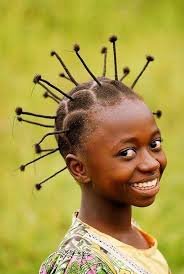
In the bustling streets of Accra, braided crowns, coiled Afros, and beaded locks are more than fashion statements. They are living testaments to heritage, resilience, and identity.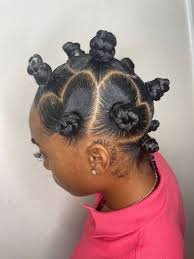
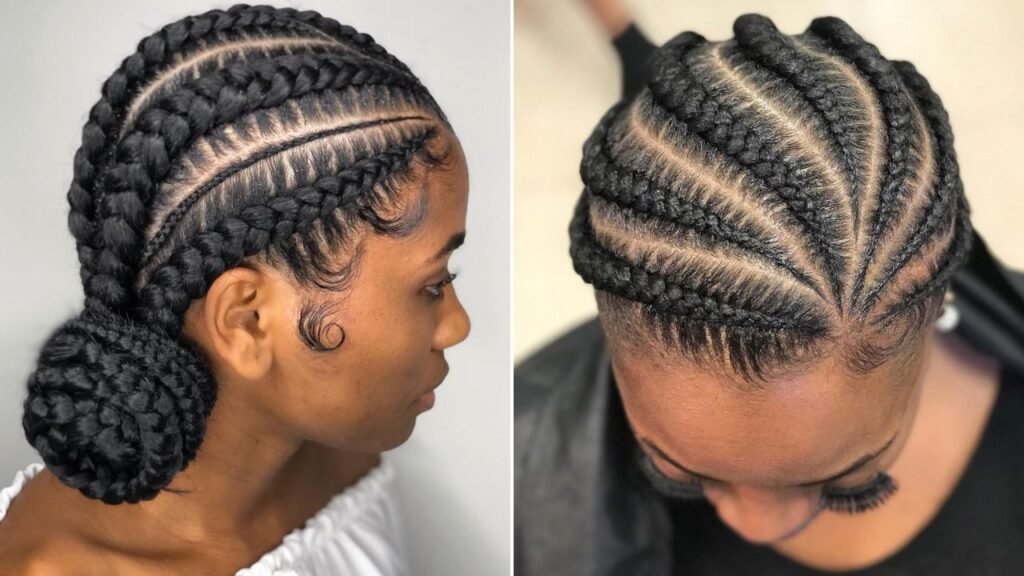
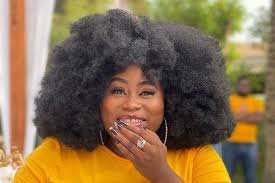
The Afro, which rose to prominence in the 1960s and 70s, was more than a hairstyle. It became a symbol of defiance against Eurocentric beauty standards and a proud declaration of Black identity.
But the story of African hair stretches back centuries. Ancient carvings from Egypt depict intricate braids and cornrows, styles that carried messages of social status, age, and even spirituality. Across West Africa, beads and cowrie shells were woven into hair, turning each head into a canvas of culture and artistry.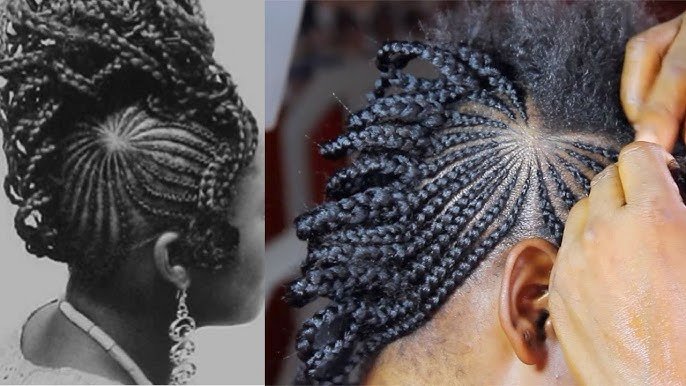
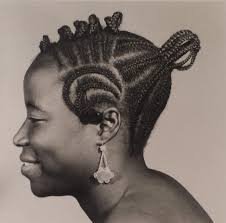
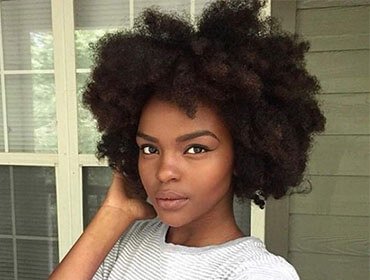
“Hair was never just hair,” says cultural historian Ama Ofori. “It was a language, a way of telling the world who you were and where you came from.”
Colonial rule attempted to suppress these traditions, branding natural hair as ‘unruly.’ Yet, generations later, the revival of the Afro and traditional styles has reclaimed that narrative. Today, braids, twists, and Afros are celebrated on runways, in music videos, and on city streets worldwide.
For many young Africans, embracing natural hair is both a fashion choice and a way of honouring ancestors while shaping modern identity. “When I wear my Afro,” says student and stylist Efua Mensah, “I feel connected to history. It’s not just style, it’s strength.”
As the global fashion industry increasingly embraces African-inspired looks, the Afro reminds us that beauty is not only about trends. It is about heritage, pride, and the stories carried in every strand.
By Beatrice Wornovi
Join our WhatsApp Channel now!
https://whatsapp.com/channel/0029VbBElzjInlqHhl1aTU27

 News1 day ago
Agona West NDC demands unqualified apology from Paul Adom-Otchere over alleged misleading editorial
- News1 week ago
Eid not only moment of celebration but call to sustain values of discipline – President Mahama
- Entertainment1 week ago
Ghana Music Awards-USA @ 7 Unveils FIFA World Cup-Themed Celebration in Princeton