Nutrition
Galamsey and Nutrition: Counting the real cost of Ghana’s gold rush

- /home/u249204778/domains/spectator.com.gh/public_html/wp-content/plugins/mvp-social-buttons/mvp-social-buttons.php on line 27
https://spectator.com.gh/wp-content/uploads/2025/10/Individuals-involved-in-galamsey.jpg&description=Galamsey and Nutrition: Counting the real cost of Ghana’s gold rush', 'pinterestShare', 'width=750,height=350'); return false;" title="Pin This Post">
- Share
- Tweet /home/u249204778/domains/spectator.com.gh/public_html/wp-content/plugins/mvp-social-buttons/mvp-social-buttons.php on line 72
https://spectator.com.gh/wp-content/uploads/2025/10/Individuals-involved-in-galamsey.jpg&description=Galamsey and Nutrition: Counting the real cost of Ghana’s gold rush', 'pinterestShare', 'width=750,height=350'); return false;" title="Pin This Post">
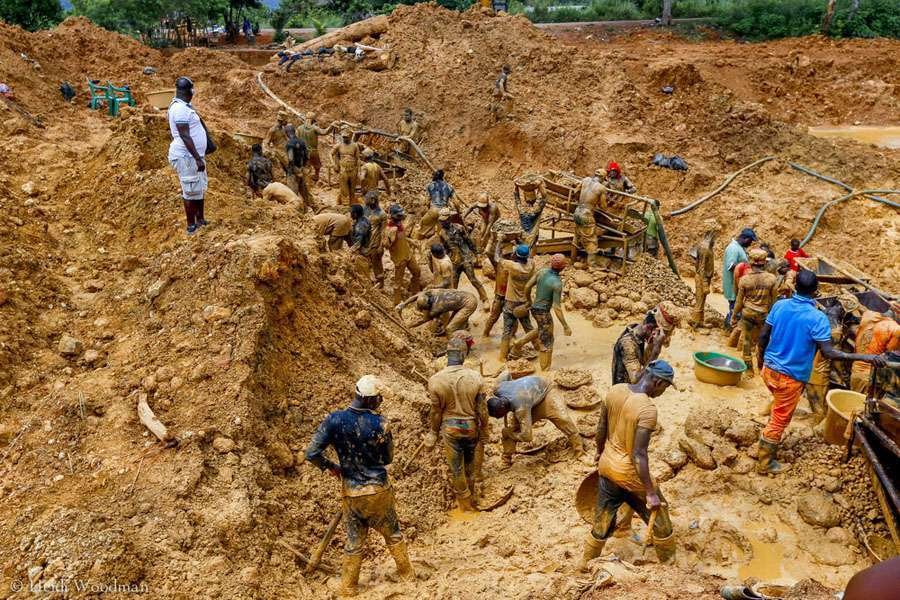
Illegal small-scale mining, or galamsey, has been branded as one of Ghana’s gravest environmental and economic threats. Successive governments have promised action, task forces have been deployed, and billions of cedis lost in revenue have been reported. Yet a deeper crisis is unfolding beneath the surface: a nutrition emergency directly linked to the destruction caused by galamsey.
Across mining belts in the Western, Ashanti, and Eastern regions, rivers that once sustained farming and fishing are contaminated with mercury and cyanide. Farmers say irrigation is impossible; fishermen say their nets return empty. Independent studies confirm that mercury levels in some rivers exceed World Health Organisation guidelines. The result is a sharp reduction in safe food production and an erosion of the very foundation of Ghana’s nutritional security.
The figures are sobering. Nationally, one in five children under five is stunted. Nearly half of women of reproductive age are anaemic. Child wasting remains at emergency levels in some districts. The destruction of fertile land and poisoning of water through galamsey only compound these problems. In some mining-affected districts, local health authorities report higher rates of undernutrition and anaemia than the national average.
Economists estimate that malnutrition already costs Ghana up to 6.4 per cent of its GDP each year in lost productivity, poor educational outcomes, and higher health expenditures. With agriculture compromised by galamsey, the bill is rising. Food inflation is being felt in urban markets, while rural households in mining areas are forced to survive on monotonous diets that lack the nutrients needed for growth and development.
The accountability gap is glaring. Ghana committed at the 2025 Nutrition for Growth Summit to invest $6 million annually in nutrition. Yet the same state resources continue to be drained by environmental damage, water treatment costs, and agricultural losses linked to galamsey. While authorities launch operations against illegal miners, enforcement remains inconsistent and politically fraught, raising questions about who benefits from the destruction.
Experts warn that without decisive action, galamsey will derail Ghana’s progress toward the Sustainable Development Goals, particularly those on zero hunger, good health, and climate action. “Every river poisoned is a food system destroyed, and Ghana cannot achieve food security while watching our land vanish,” says Dr Charity Binka, Executive Director, WOMEC.
The evidence is clear: galamsey is not just an environmental crime. It is a public health emergency and a development crisis. Addressing it requires more than rhetoric; it requires enforcement, transparency, and the political will to confront vested interests. Unless this happens, Ghana risks trading its children’s nutrition and future productivity for short-term gains in gold.
We therefore demand the activation of permanent inter-agency galamsey response teams with prosecutorial authority independent of political interference and the establishment of a Galamsey Restoration Fund financed through penalties for river remediation and emergency nutrition interventions. We also call for the publication of quarterly malnutrition data disaggregated by mining-affected districts.
We join the call for amendments to the Minerals and Mining Act with a focus on mandating nutrition impact assessments with automatic permit suspension for violations, the resourcing of community water monitoring committees with testing kits, and the invitation of UN Special Rapporteurs to assess affected regions and provide independent recommendations.
We urge every citizen to demand that their MP publicly declare their enforcement plan and support stronger penalties, because the evidence is overwhelming and the solutions are known. Ghana’s rivers, farmlands, and children cannot wait for another empty promise.
Feature Article by Women, Media and Change under its Nourish Ghana: Advocating for Increased Leadership to Combat Malnutrition Project
Join our WhatsApp Channel now!
https://whatsapp.com/channel/0029VbBElzjInlqHhl1aTU27


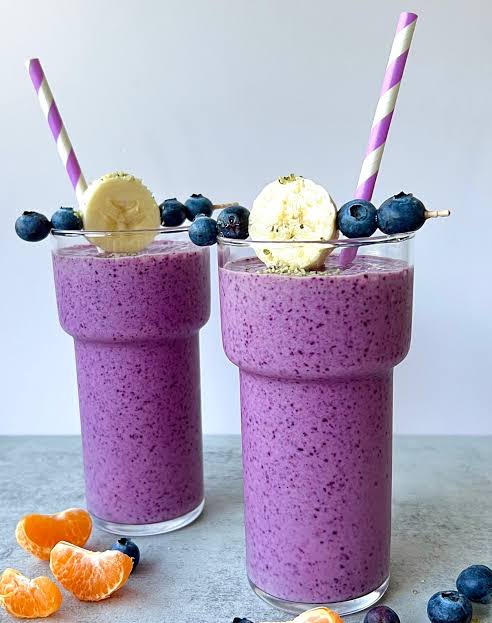
Ingredients
-1 cup of frozen blueberries
-1 medium of ripped banana (fresh or frozen)
-½ cup of plain or greek yogurt
-¾ cup of milk (dairy or plant-based)
-1 teaspoonful of honey or maple syrup (optional)
Preparation
-Wash all ingredients into a bowl
-Blend blueberries and banana.
-Add plain yogurt and cup of milk
-Blend on high speed until completely smooth and creamy.
-Pour into a glass and serve right away
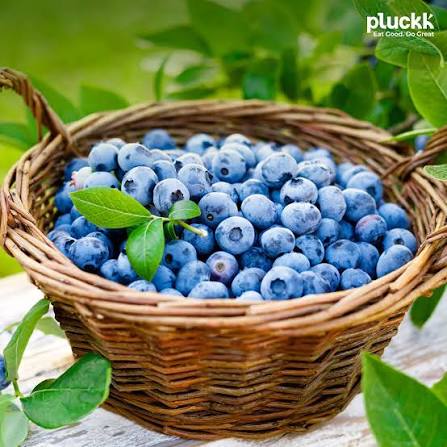
Blueberries have one of the highest antioxidant levels among commonly consumed fruit and vegetables. This is typically referred to as the ORAC score. They are extremely rich in naturally occurring plant compounds called phytochemicals, such as ellagic acid and anthocyanidins. These phytochemicals are responsible for the blue, indigo and red colouring of the berry. They have also been extensively researched for their protective properties.
-Controls blood pressure
Research has shown that anthocyanidins, which are found in berry fruits, supports the cardiovascular system. It supports the health of blood vessels and reducing the arterial stiffness associated with ageing. This is especially useful for post-menopausal women.
Reduce the risk of heart disease
The phytochemicals in blueberries have been seen to prevent oxidative damage to cholesterol. According to research rich in anthocyanins may help lower the risk of heart attacks.
-Regulates blood sugar
Blueberries are both low in sugar and a good source of fibre; as a result, they have a low glycaemic index (GI). This, together with their high flavonoid content, helpsimprove insulin sensitivity, which is important for managing blood sugar levels.
-Maintain eye health
Adding blueberries to diet regularly improve vision and guard against age-related macular degeneration. It improves blood and oxygen flow to the eyes, and the antioxidant protection help to reduce the likelihood of cataract and macular degeneration.
-Reduces gastrointestinal symptoms
Studies suggest the polyphenol and fibre content of blueberries help relieve gut symptoms and improve general well-being in those with abdominal symptoms from gut disorders.
– Ease urinary tract infection symptoms
Many people turn to berries such as cranberries to help prevent urinary tract infections (UTI). Blueberries contain similar compounds to those in cranberries. These compounds may help prevent the bacteria responsible for UTIs from adhering to the bladder wall.
-Reduce muscle damage after exercise
Strenuous physical activity or exercise may lead to soreness and inflammation. Consuming blueberries in a smoothie, for example, before and after such an event may help promote recovery and reduce inflammatory markers.
-Promote healthy ageing
A number of studies suggest that both whole blueberries, their juice and the concentrated powdered form may help reduce oxidative damage. Such damage is an inevitable part of everyday life, but is a key driver in ageing and the development of disease.Bbc.com

 Entertainment1 week ago
Rhythms On Da Runway returns November 28 with 16th edition themed ‘Unbound’
- News1 week ago
48 Engineer Regiment to be major sub-contractor on Accra-Kumasi Expressway, $2bn ready- Prez Mahama
- Entertainment1 week ago
Ohemaa Mercy’s Tehillah Experience outfit was priestly regalia, not costume – Management clarifies