Nutrition
Galamsey: Stealing nutrition from Ghana’s children

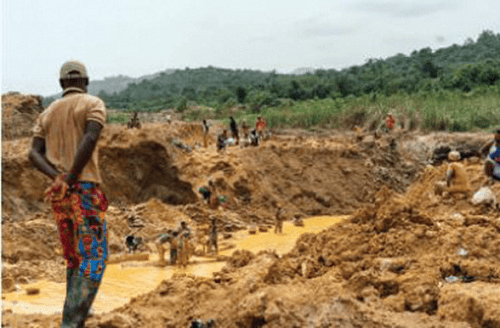
On the banks of the River Pra, Ama, a mother of three, points to the murky water flowing past her village. “We used to drink from this river. We used to fish here,” she says. “Now, even our crops die when we use it to water them.” Ama’s children rarely eat fish anymore, and vegetables from her once-fertile farm are scarce. Their daily meals now consist mostly of cassava and a little palm oil which is filling, but far from nutritious.
Ama’s story is not unique. Across Ghana’s mining communities, illegal small-scale mining, or galamsey, is robbing families of the very resources they need to eat well and stay healthy. The focus of public debate has often been on the destroyed forests, poisoned rivers, and billions lost in gold revenue. But beneath the surface lies a quieter tragedy: a nutrition crisis with lasting consequences for Ghana’s children.
With rivers poisoned by mercury and cyanide, farming and fishing have collapsed in many galamsey zones. Families that once relied on fish as a key source of protein now go without. Crops watered with polluted streams fail to thrive, while fertile cocoa and vegetable farms have been dug up and abandoned. With food production disrupted, prices climb, and poor households are forced to rely on cheap, starchy meals with little nutritional value.
The impact is already showing. Health workers in mining areas report higher cases of child stunting, anaemia among women, and underweight children compared to farming districts. Pregnant women face greater risks during childbirth, while children raised on nutrient-poor diets struggle with growth, learning, and long-term productivity.
The problem stretches far beyond the mining pits. When rivers like the Pra, Ankobra, and Offin are polluted, irrigation systems and fisheries downstream are also destroyed, threatening food supplies in entire regions. In the long run, galamsey doesn’t just damage land, it undermines Ghana’s fight against hunger, malnutrition, and poverty.
If Ghana is serious about protecting its people, tackling galamsey cannot be seen only as an environmental or economic battle. It must also be seen as a public health and nutrition emergency. Safeguarding rivers and farmland means safeguarding the right of every child to eat a balanced diet and grow to their full potential.
Ama’s children, and thousands like them, deserve more than poisoned water and barren fields. They deserve safe food, clean water, and a future free from malnutrition. Ending galamsey is not just about saving the land; it is about saving Ghana’s nutritional future and the next generation.
We call on government to deploy multi-sector response teams that include health and agriculture officials, establish mobile nutrition clinics in affected areas, and mandate nutrition impact assessments for all mining permits. We urge traditional authorities and assemblies to enforce local bylaws and support community-led river monitoring systems.
We challenge citizens to demand quarterly transparency reports on galamsey enforcement and nutrition indicators from their MPs and district assemblies and we encourage the media to continue investigating the financial networks behind illegal mining. Ghana has the laws and resources, what’s missing is the political courage to enforce them. Ama’s village, and countless others like it, cannot wait any longer.
Feature Article by Women, Media and Change under its Nourish Ghana: Advocating for Increased Leadership to Combat Malnutrition Project
Join our WhatsApp Channel now!
https://whatsapp.com/channel/0029VbBElzjInlqHhl1aTU27


Ingredients
-Oil
-1 large onion
-2 cups of rice
-Salt
-2 cups of wheat
Preparation
-In a medium saucepan, heat oil over medium-low heat
-Add the onion and cook, stirring frequently, until soft and turns golden brown
-Wash rice and wheat and put into pan. Sauté for two to three minutes, until toasty and fragrant
-Add water and salt and allow to boil.
– Reduce heat to low and allow to simmer for 10 to 15 minutes until rice is tender and the water is absorbed.
-Taste the rice/wheat; if it is still a bit firm, add a few more tablespoons of water and cook a few more minutes.
-When the rice/wheat is ready, take it off the fire and serve hot
Benefits of wheat
–Improves digestion: High levels of insoluble fibre- wheat promotes regular bowel movements, prevent constipation, and support a healthy gut microbiome.
-Supports heart health: Whole-grain wheat helps lower LDL (bad) cholesterol, reduces blood pressure, and decreases the risk of stroke and heart disease.
-Aids weight management: Complex carbohydrates and dense fibre slow digestion, increase feelings of fullness, and help prevent sharp blood sugar spikes.
-Lowers type 2 diabetes risk: Steady glucose release and minerals like magnesium improve insulin sensitivity.
– Provides essential vitamins and minerals: Wheat supplies B vitamins, iron, magnesium, phosphorus, zinc, and selenium, which help build bones and boost immune function.
–Delivers Antioxidants: Compounds like phenolic acids, ferulic acid, and lutein protect cells from oxidative stress and support eye health.
SKIP THE QUEUE, TAP THE NEWS
You can now read the Ghanaian Times and The Spectator newspapers from the comfort of your device via TimesNewsPlus.
Join our WhatsApp Channel: https://whatsapp.com/channel/0029VbBElzjInlqHhl1aTU27

Ingredients
-4 cups of crushed corn
-1 cup of sugar
Method:
-Soak crushed corn for two or more days to ferment
-Boil the fermented corn for about 20-30 minutes until foamy substance is dried up
-Pour sugar in a saucepan and heat until almost burnt
-Strain water from the boiled corn and pour in the saucepan containing sugar
-Use a strainer to strain the chaff
-Allow to cool and store in refrigerator
– Serve with milk
By Linda Abrefi Wadie