Fashion
Fashionprenuers focus on rebuilding sector with digital solutions in post-COVID era

- /home/u249204778/domains/spectator.com.gh/public_html/wp-content/plugins/mvp-social-buttons/mvp-social-buttons.php on line 27
Warning: Trying to access array offset on false in /home/u249204778/domains/spectator.com.gh/public_html/wp-content/plugins/mvp-social-buttons/mvp-social-buttons.php on line 27
&description=Fashionprenuers focus on rebuilding sector with digital solutions in post-COVID era', 'pinterestShare', 'width=750,height=350'); return false;" title="Pin This Post">
- Share
- Tweet /home/u249204778/domains/spectator.com.gh/public_html/wp-content/plugins/mvp-social-buttons/mvp-social-buttons.php on line 72
Warning: Trying to access array offset on false in /home/u249204778/domains/spectator.com.gh/public_html/wp-content/plugins/mvp-social-buttons/mvp-social-buttons.php on line 72
&description=Fashionprenuers focus on rebuilding sector with digital solutions in post-COVID era', 'pinterestShare', 'width=750,height=350'); return false;" title="Pin This Post">
The disruption of the COVID-19 pandemic on global value chain and its impact on African businesses is already evident.
As factories close, the border closures and travel restrictions interrupt supply chains, the workers – the most vulnerable and lowest paid people in the fashion supply chain – have been left to feel the worst effects.
To tackle the issue, about 88 attendees last Thursday joined a webinar hosted by the African Development Bank’s Fashionomics Africa initiative in collaboration with the United Nations Environment Programme to find possible solutions.
The webinar among other things, focused on building more resilient value chains through innovative business models that would use renewable materials and recycle old clothes into new products.
The panel was composed of industry experts and creative minds behind sustainable African fashion brands.
It was to enable African entrepreneurs operating in the textile, apparel and accessories industry to create and grow their businesses, with a focus on women and youth.
Participants agreed that it was important to develop a healthy fashion industry in Africa to meet the needs of consumers while others suggested a strong collaboration among fashionpreneurs to help resolve challenges faced in the industry.
As part of the forum, digital experts were also seeking to develop applications to analyse the impact of the textile sector on climate change and environment to help deploy climate-friendly solutions in Africa.
Other contributors indicated that digital tools had become a phenomenon and had revolutionised the way the fashion industry worked, hence the need to educate designers and consumers in the fashion industry.
The Fashionomics Africa initiative intends to contribute to the African Textile, Apparel & Accessories industry by increasing the number of entrepreneurs in the sector, while helping them to access markets through e-commerce capabilities, and boosting their access to finance, as well as technical and business skills, among others.


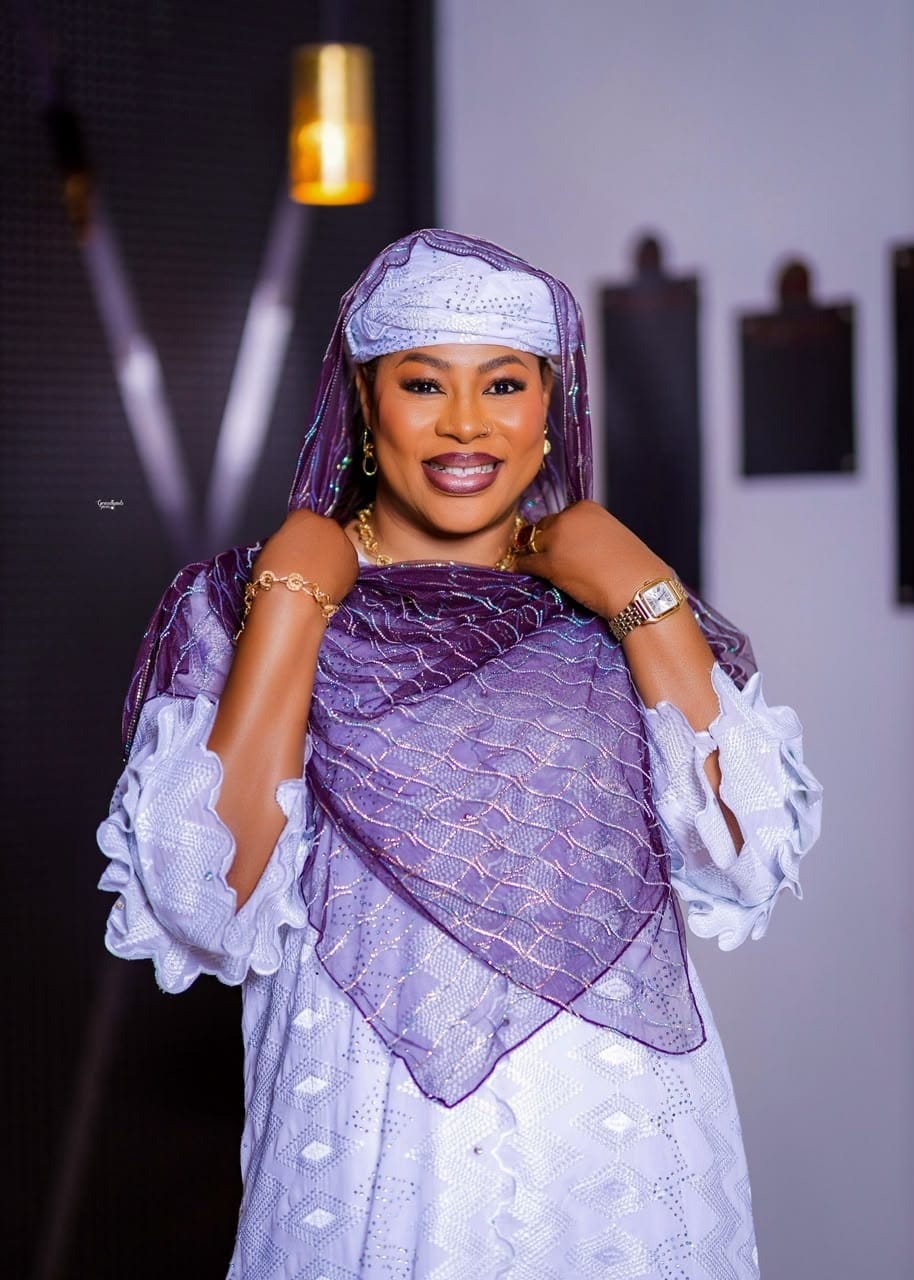
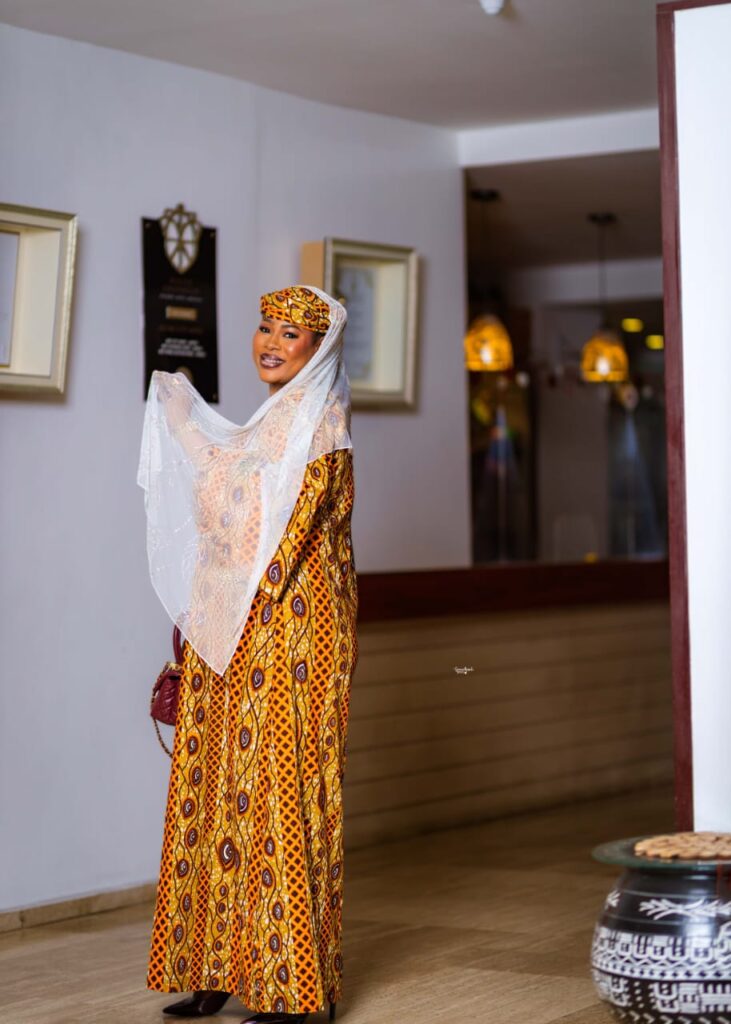
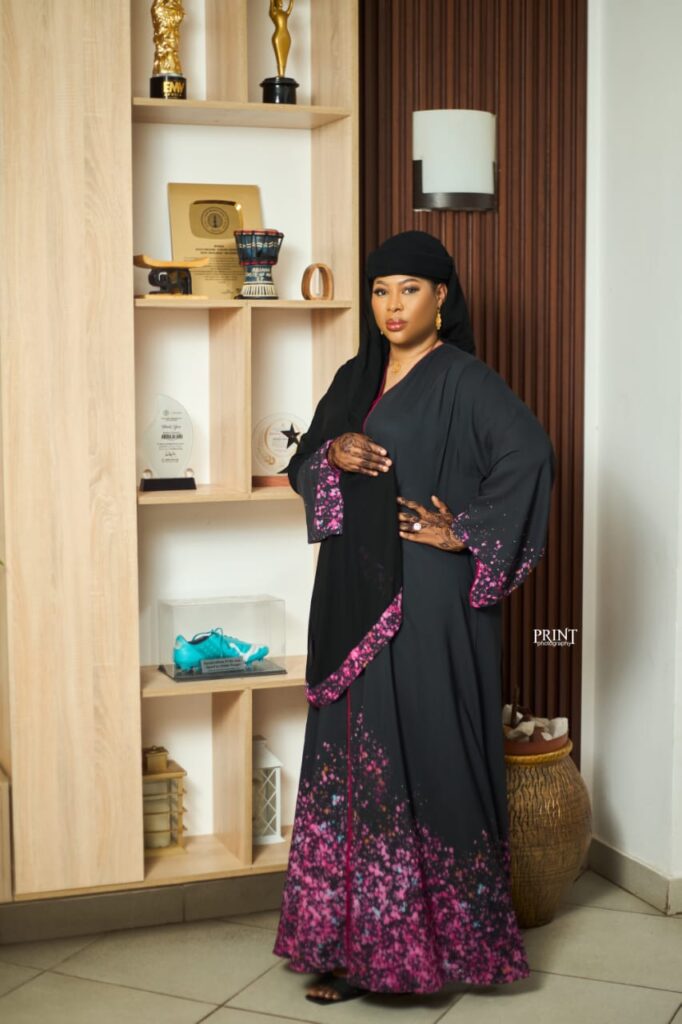
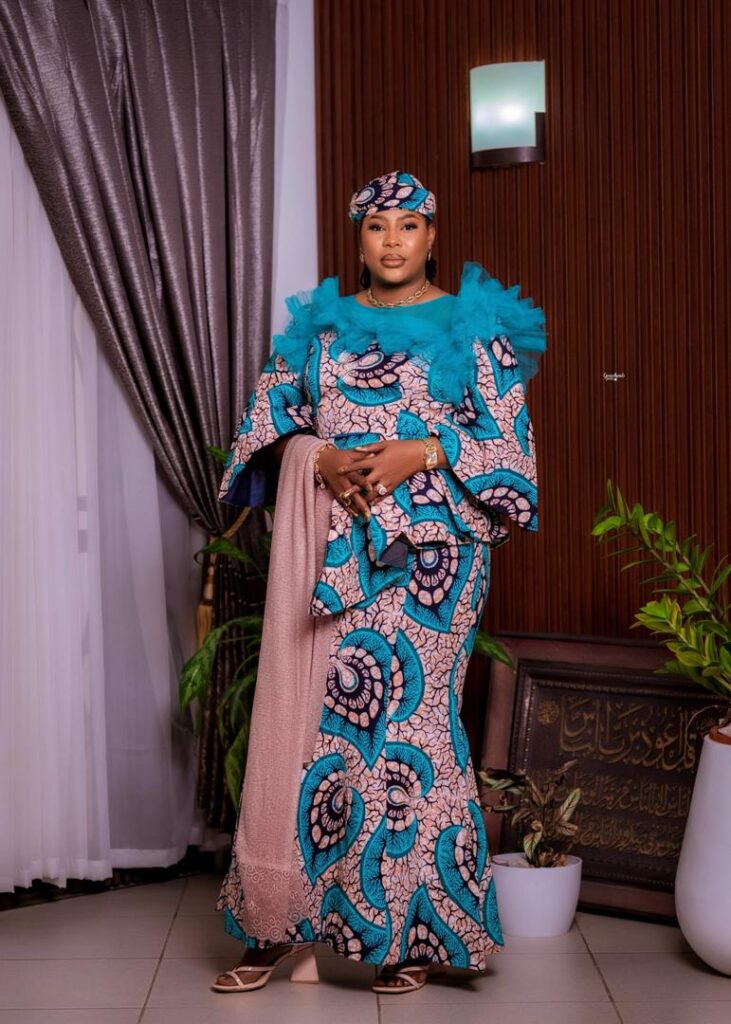
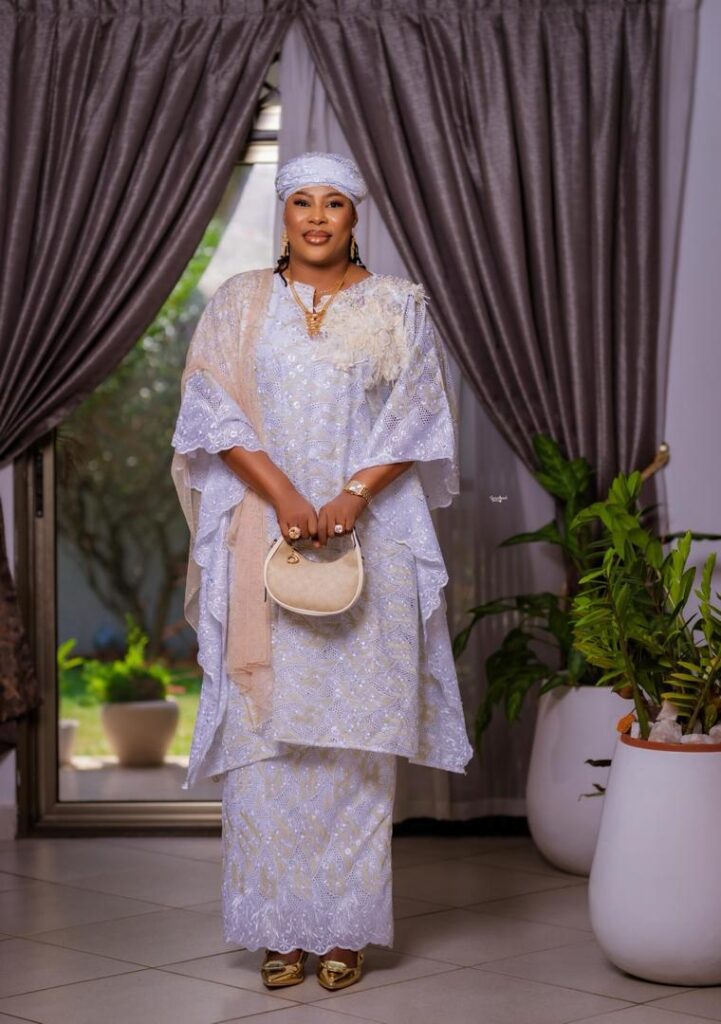
Adiza Ibrahim, is proving what it means to be a modern style icon in Ghana. By day, she commands corporate rooms as a top marketing executive as well as a fashion consultant, boutique owner, and lifestyle strategist.
Her signature looks proves that modesty and high fashion belong on the same runway. She has consistently demonstrated elegance, confidence and a refined sense of fashion in both modern and traditional style.
Adiza is not just a consumer of fashion; she is a critic and an educator. She actively pushes local designers to elevate their craft.
For her, fashion is a tool that demonstrate your cultural identity and make you hold onto your national pride.
Check out some of her outfits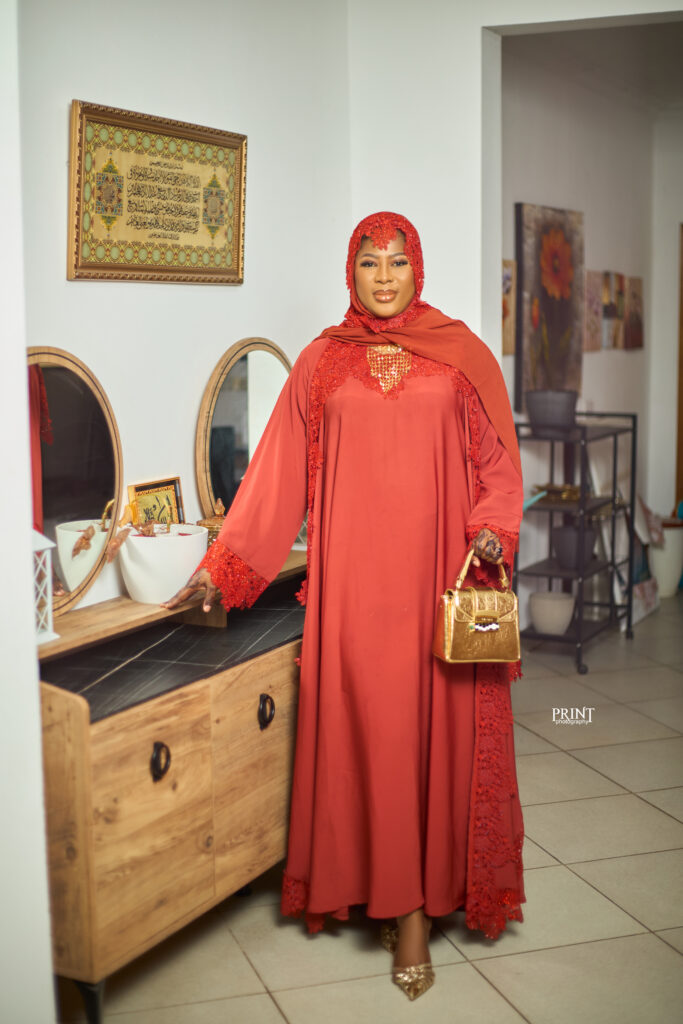
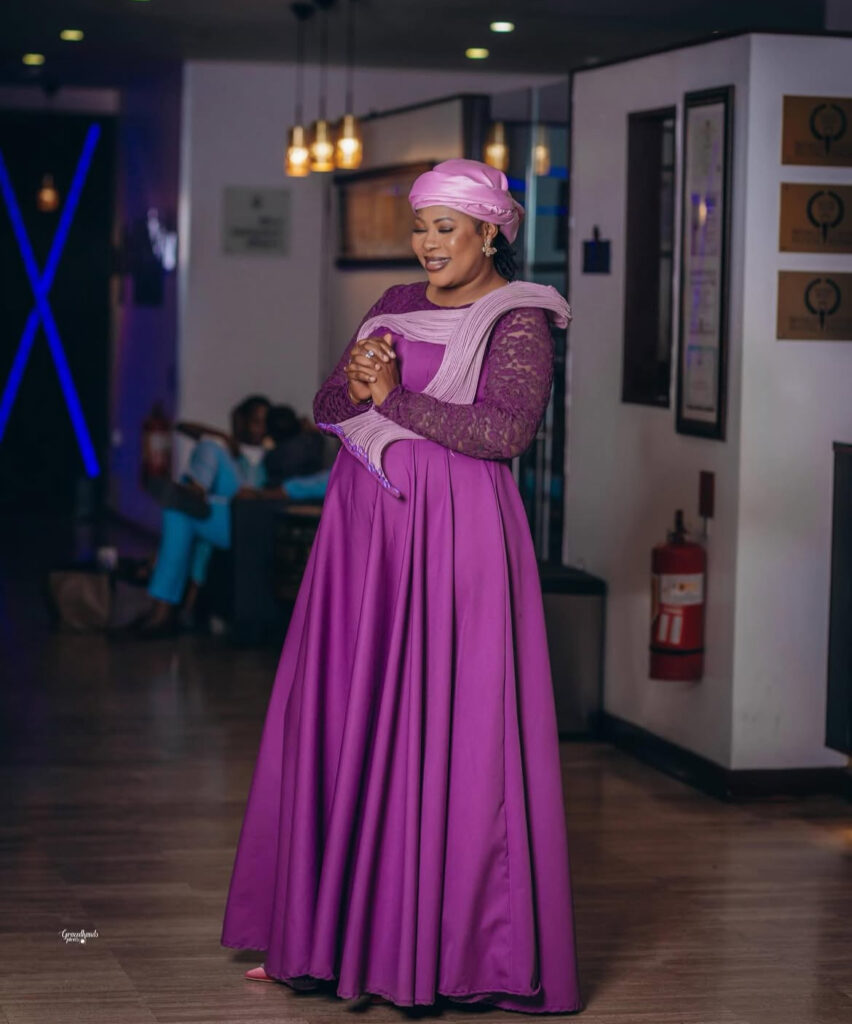
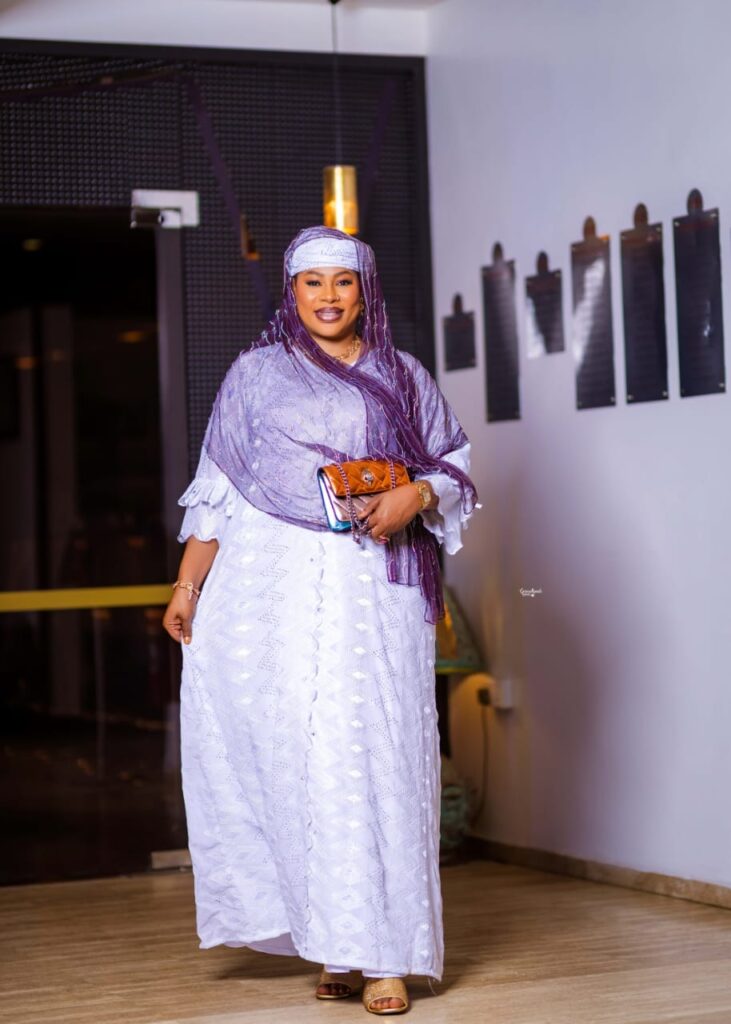

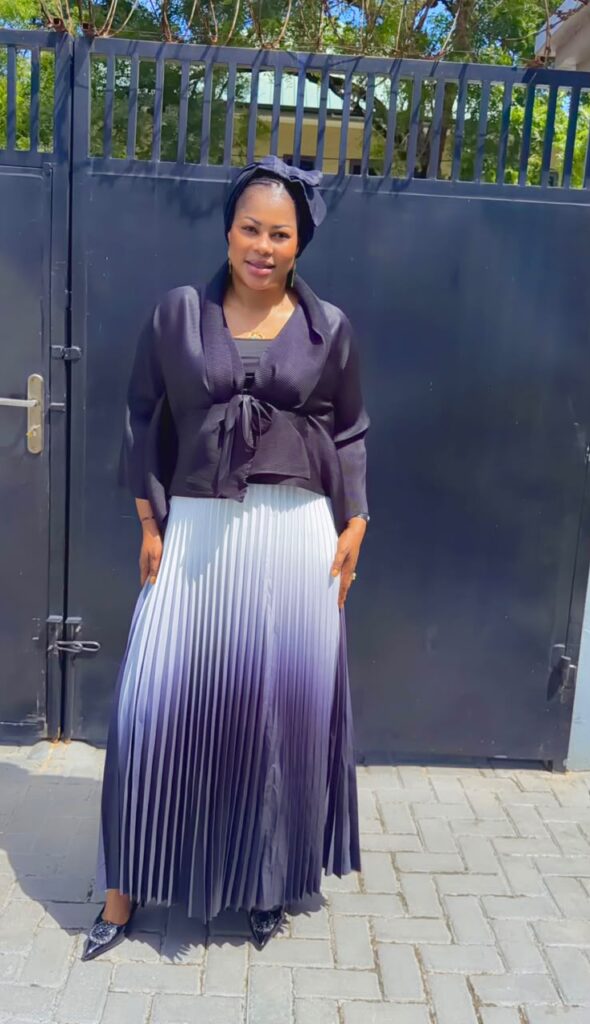
By Desmond Aidoo
SKIP THE QUEUE, TAP THE NEWS
You can now read the Ghanaian Times and The Spectator newspapers from the comfort of your device via TimesNewsPlus.
Join our WhatsApp Channel: https://whatsapp.com/channel/0029VbBElzjInlqHhl1aTU27

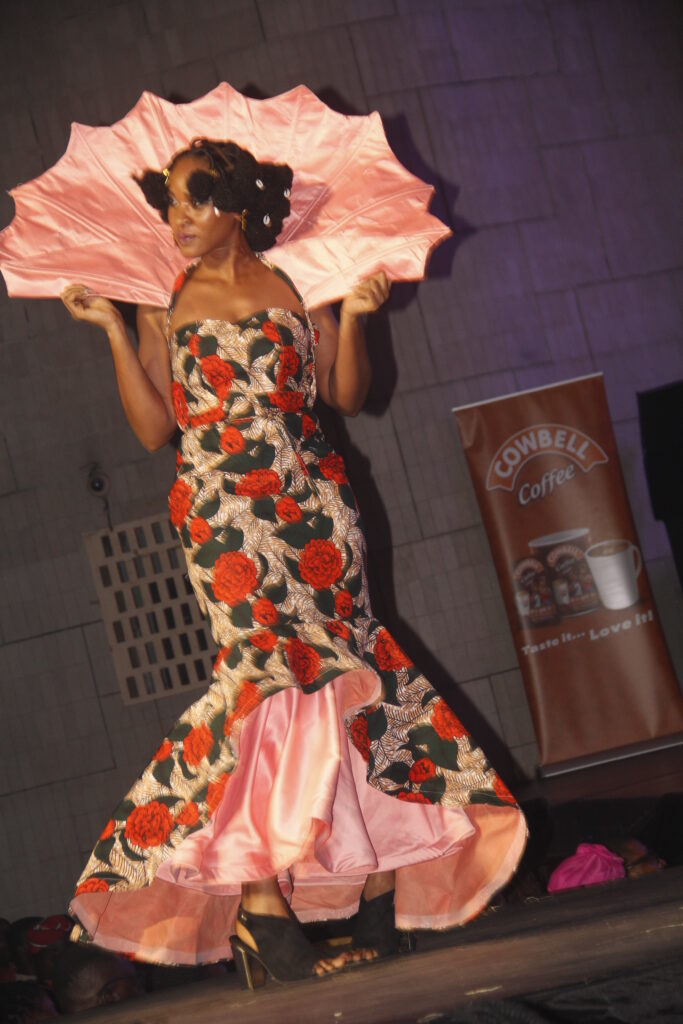
Final-year students of the Accra Technical University (ATU) Department of Fashion Design and Textile Technology on Friday showcased their creativity and craftsmanship in Accra.
The annual event held under the theme: ‘Wear Your Culture: Tradition Meets Modernity,’ saw 366 students showcased various designs as part of their final year practical work.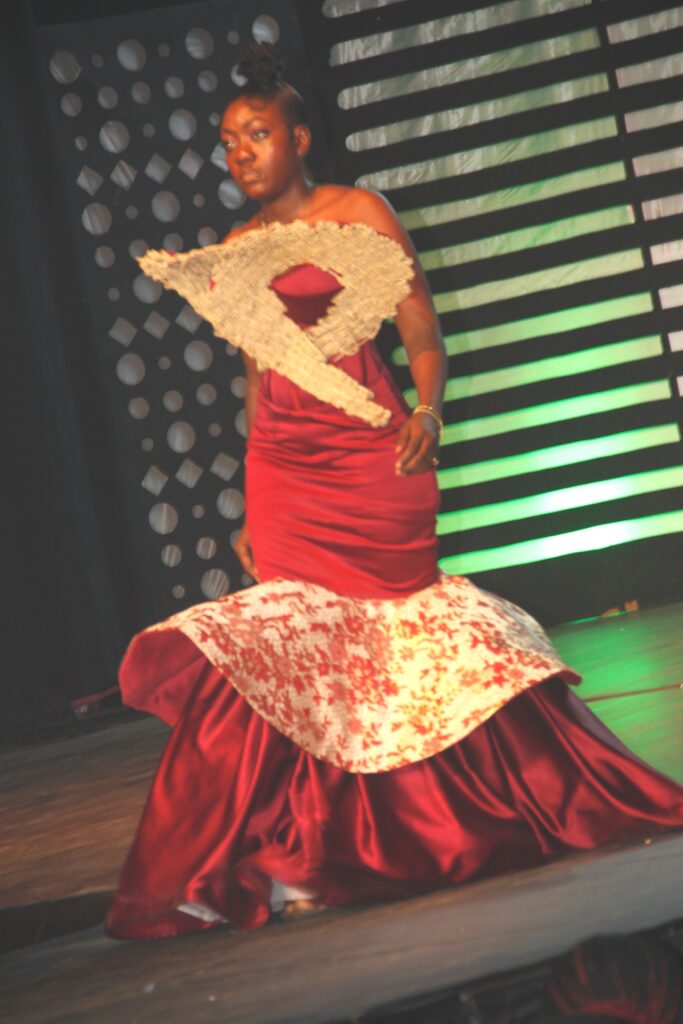
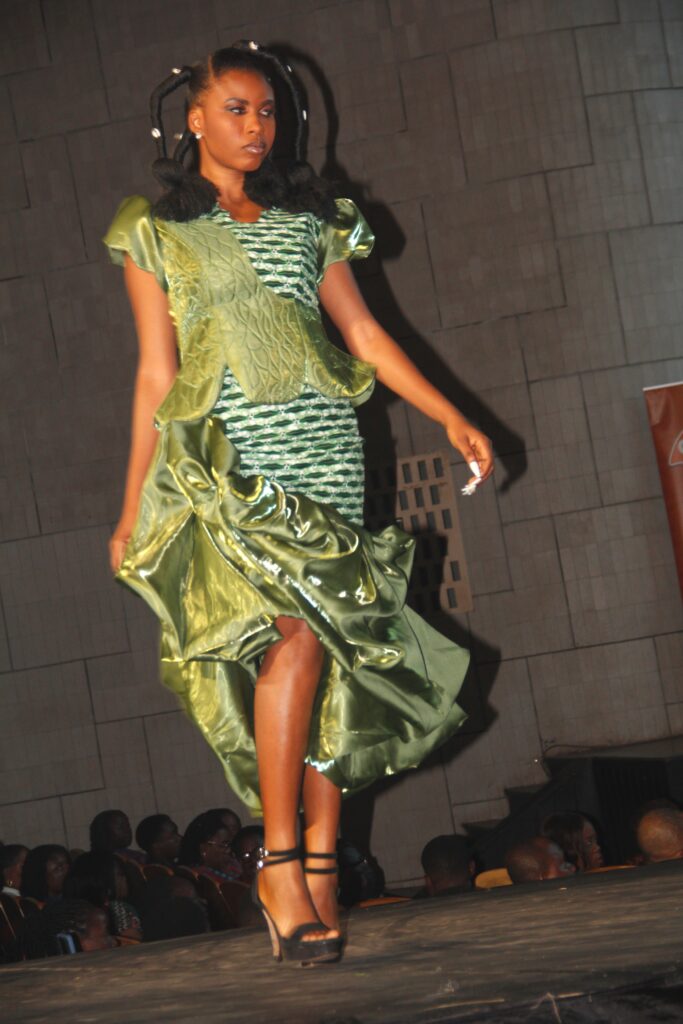

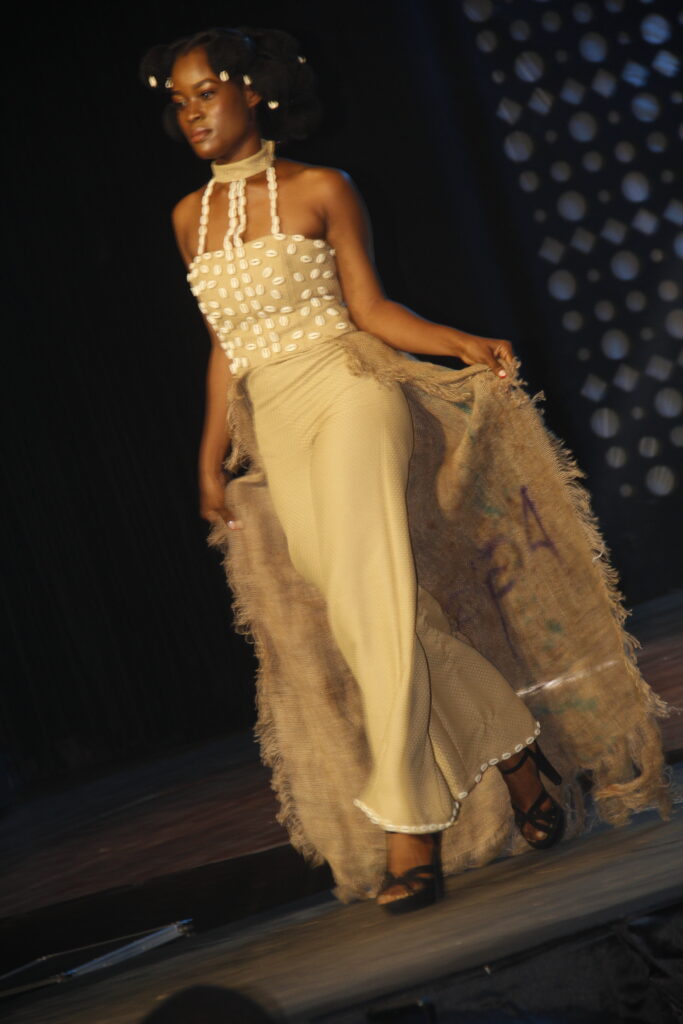
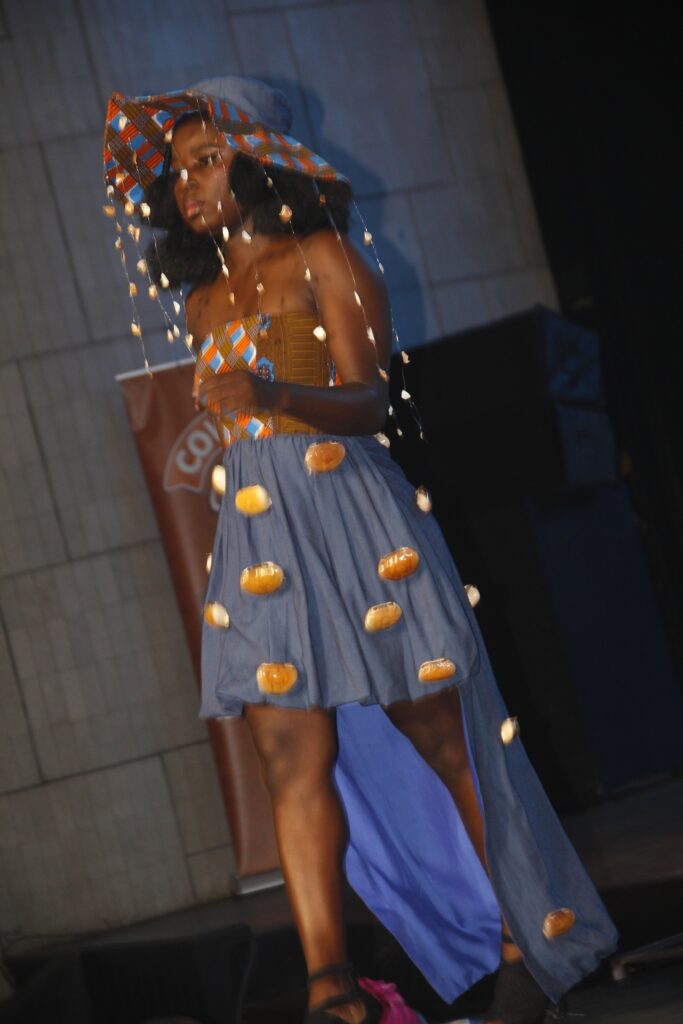
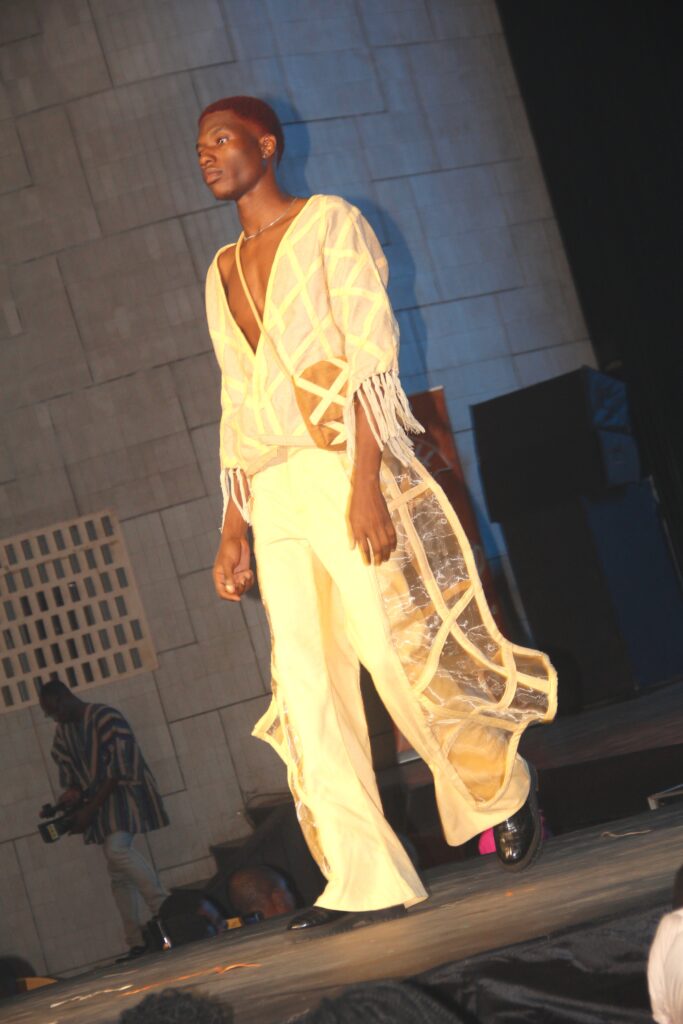
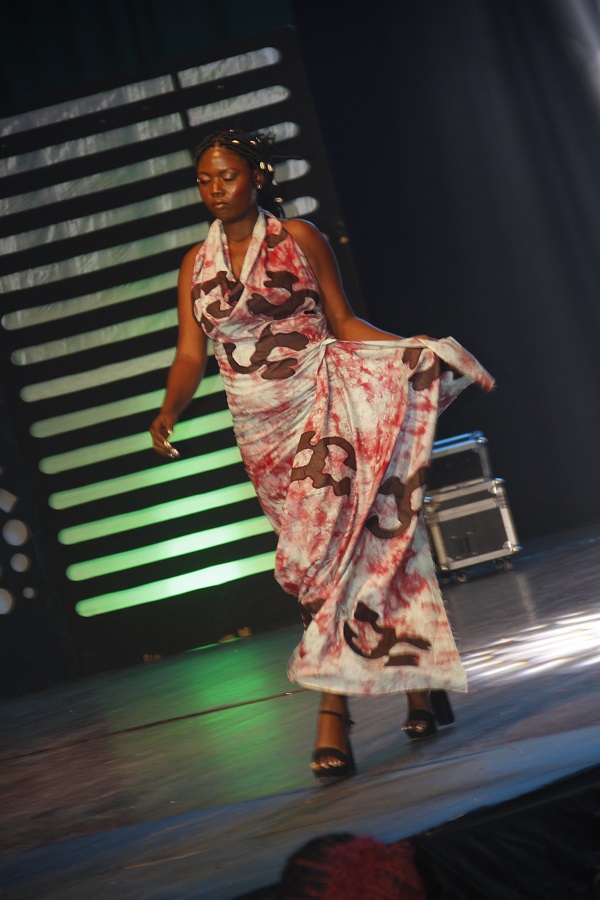
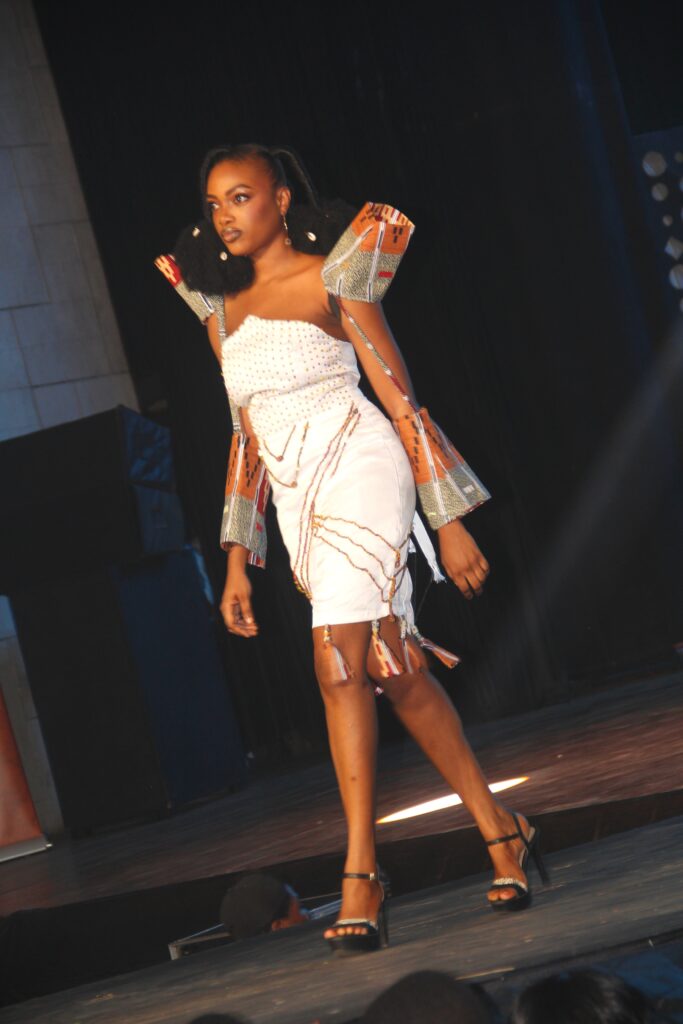
Dean of the Faculty of Applied Arts, Professor George Agyei Osei, explained that the exhibition provided students with an opportunity to demonstrate the skills and competencies they have acquired throughout their training.
Vice Dean of the Faculty of Arts and former Head of Department of Fashion and Textile Technology, Dr Mrs Emma Donkor, said this year’s cohort comprised 366 students, with each student producing four designs, one of which was exhibited at the school’s auditorium while three were presented during the fashion show.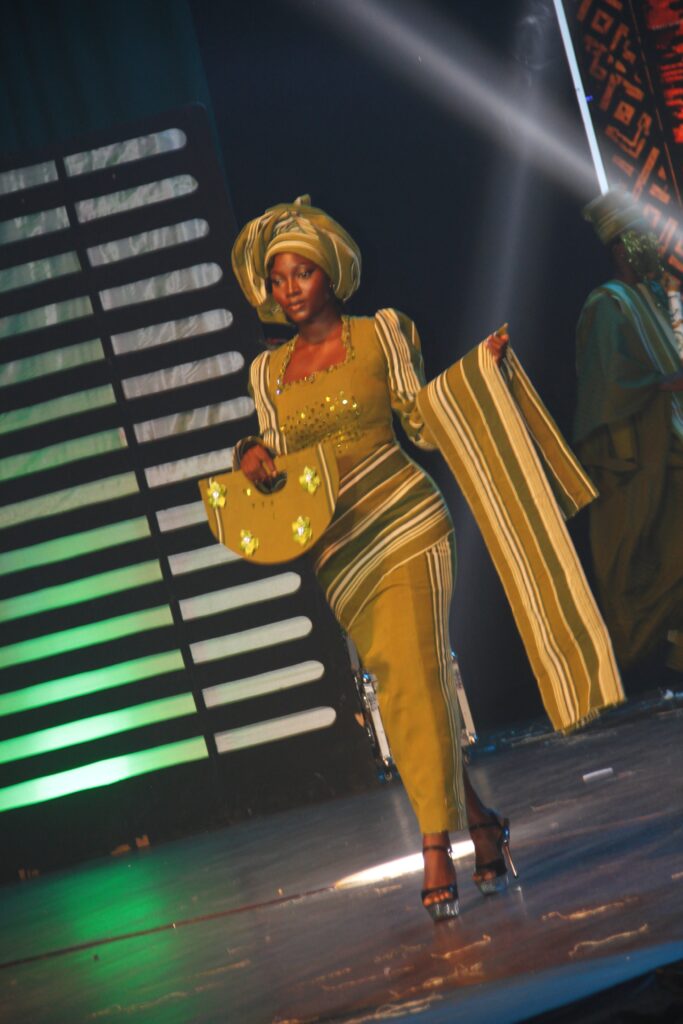
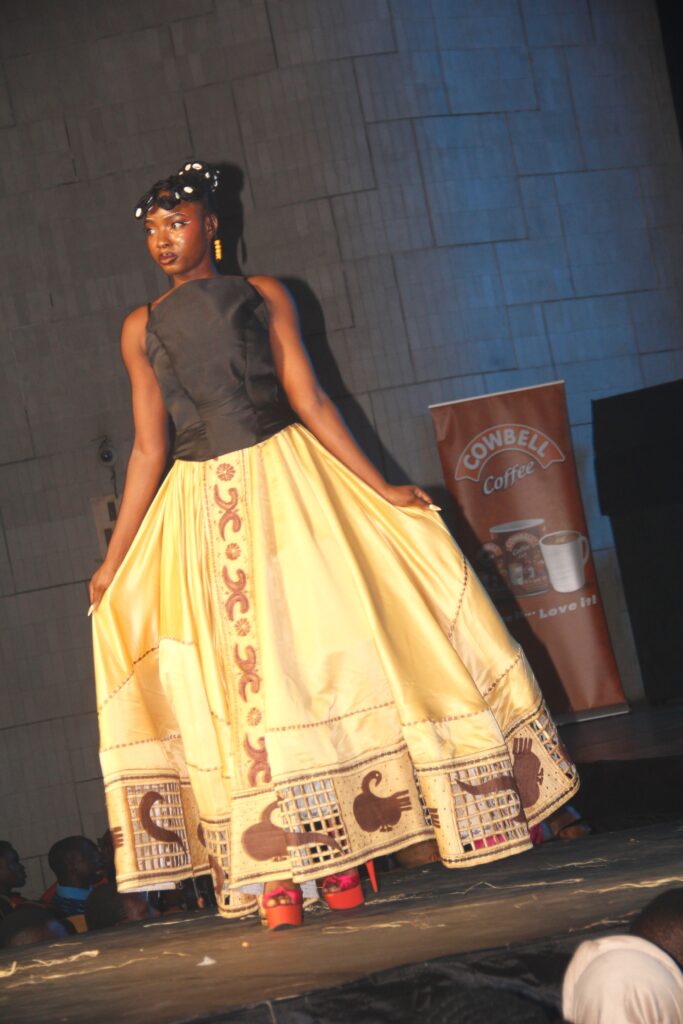
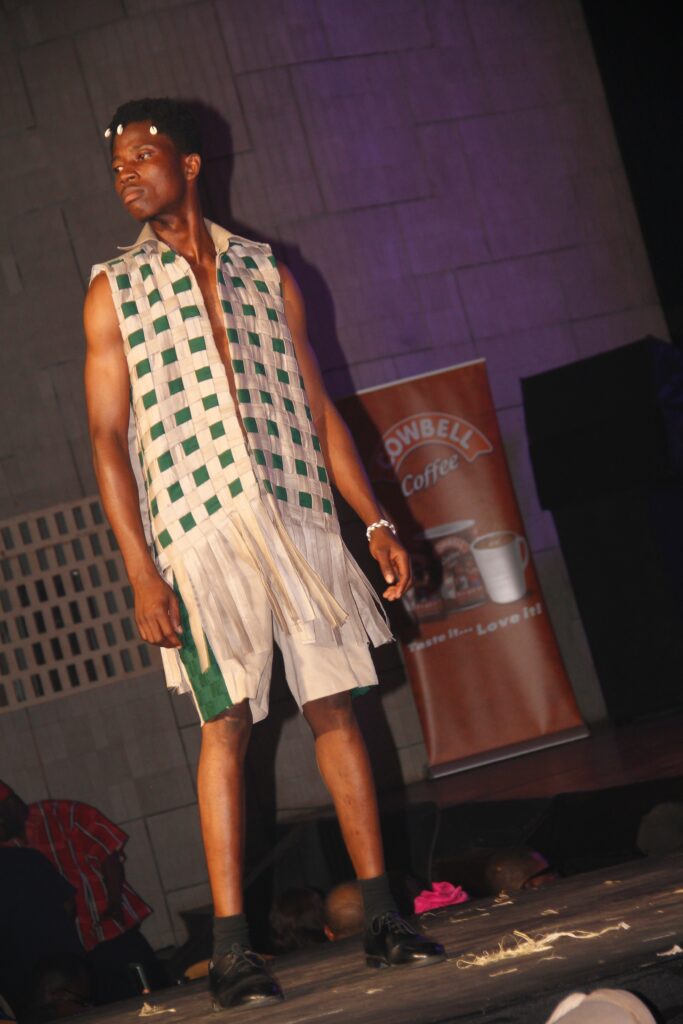
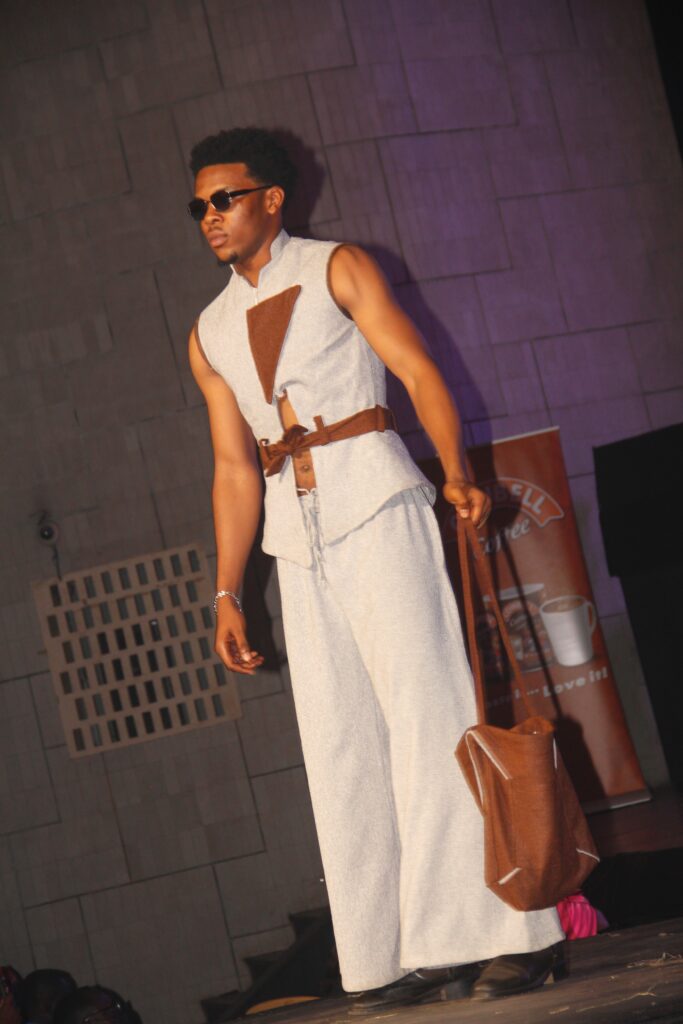
Mrs Donkor encouraged graduating students to build their businesses gradually, noting that a sewing machine and a small workspace could provide the foundation for a successful fashion enterprise.
One of the graduating students, Philipa Adu, said the theme was a reminder to designers not to blindly imitate Western fashion at the expense of African culture.
By Linda Abrefi Wadie

 Entertainment1 week ago
Fiifi Coleman Productions adapt ‘I Told You So’ stage play into feature film
- News7 days ago
48 Engineer Regiment to be major sub-contractor on Accra-Kumasi Expressway, $2bn ready- Prez Mahama
- Entertainment6 days ago
Rhythms On Da Runway returns November 28 with 16th edition themed ‘Unbound’