Nutrition
Fact sheet about sweet potato, groundnut and cowpea in Ghana

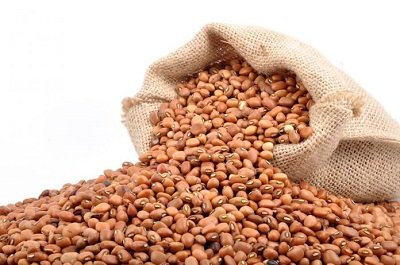
It is interesting to note that:
- CRI-Vern Gracen, CRI-AGRA SP09, CRI-AGRA SP13 and CRI-Kofi Annan, all improved high-yielding, non-sweet sweet potatoes varieties, were released in 2017. They have staple taste, higher storage root yield, that is 19 to 39t/ha, sugar content is 14.47- 18.12 per cent, early-maturing (four to five months), and higher tolerance to the sweet potato virus (SPVD), sweet potato weevils (Cylas sp.) and alcidodes. They are suitable for all five eco zones in Ghana. The varieties can be used for fufu, French fries chunk[1]fried, ampesi (boiled/steamed), crispy chips, for bread and pastries, yoghurt, baby foods and juice gluten-free noodles. They are also potential enzyme source for breweries and other industries.
- WAAPP Piesa 1, Manga-moya, Maa-Lana, Naachem-Tiir and Nutsugah Piesa, all Frafra potato varieties, were released in 2017. Their ovoid tubers are up to eight centimetres in length. Besides, their raw tubers are exceptionally nutritious, resistant to diseases and pests. They mature from107 to 113 days. The varieties are applicable to Guinea Savanna, Sudan Savanna, Coastal Savanna and forest zones. They can be used for thick porridge, tuo-zaafi, amongst others.
- Sweet potato: CSIR-SA[1]RI Nan variety was released in 2018. This variety is resistant to diseases and pests, climate-smart, orange fleshed, high dry matter: 26-29.5 per cent, drought-tolerant and yields 24t/ha. It is suitable for Guinea and Sudan Savanna agro-ecological zones of Ghana. It can be used for thick porridge, tuo-zaafi, etc.
- Sweet potato: CSIR-SARI Diedi variety was released in 2018. It is purple fleshed, tolerant to SPVD, yields 14t/ha and drought-tolerant. Applicable to Guinea and Sudan Savanna agro-ecological zones of Ghana. It can be used for ampesi.
- Sweet potato: CSIR-SARI Nyumengre variety was released in 2018. It is white fleshed, resistant to diseases and pests, drought-tolerant and yields 16t/Ha. The variety is suitable for Guinea and Sudan Savanna agro-ecological zones of Ghana. It can be used for ampesi.
- Sweet potato: Micro-propagation protocol for the mass generation of planting material of sweet potato (Ipomoea batatas) variety. The protocol supports the production of planting material to address the inadequate supply of sweet potato vines and storage roots. The procedure eliminates disease-causing organisms, giving the resulting plant[1]lets more vigorous growth and increased yield. Use of the protocol/method generates pathogen-free material which prevents the transfer of diseases and pests from one point to the other and allows easy international exchange of sweet potato germplasm. The protocol can be a foundation for downstream research applications including genetic transformation activities. The variety is applicable to Guinea Sudan Savanna agro-ecological zones of Ghana. Advantages: Mass production of true-to-type disease-free planting material for existing and newly released varieties. Additionally, it enhances rapid international germplasm exchange (limited quarantine requirements)
- Munikpa groundnut variety was released in 2005. It matures in 90 days, yields 2.0 t/ha, kernels are of very large size, very high oil content (51.8 per cent) and moderately resistant to early and late leaf spot. Munikpa is suitable for Guinea Savanna ecology. Besides, it is suitable for oil production and confectionary products
- Kpanielli groundnut variety was released in 2005. It matures in 120 days, yields 2.4 t/ha, kernels are of very large size, very high oil content (51.8 per cent), suitable for commercial production and resistant to early and late leaf spot. Kpanielli is applicable to Guinea Savanna ecology. It can be used for confectionary trade, has better resistance to Cercospora disease, has good resistance to foliar diseases and it is dry season feed for livestock.
- Jusie Balin groundnut variety was released in 2005. It matures in 100 days, yield of 2.0 t/ha, oil content is 47 per cent. Jusie Balin is applicable to Guinea Savanna ecology. Has better resistance to Cercospora leaf spot disease. It is good field dormancy.
- Edorkpo-mu nikpa groundnut variety was released in 2005. It matures in 90 days, yield of 2.0 t/ha, yields between eight to 12 bags in half an acre. It is suitable for all agro ecological zones of Ghana. Edorkpo-mu[1]nikpa is resistant to Cercospora leaf spot diseases, it is good field dormancy and can delay harvesting up to 10 days without germinating.
- SARINUT 1 SARINUT 2 groundnut variety was released in 2019. It matures in 90 days, adaptable to climate change, high in protein and oil and yield between 8-12 bags/ half acre. It is applicable to Northern agro ecological zones of Ghana. Has a higher oil content of 51 per cent, resistant to Cercospora leaf spot diseases and can delay harvesting up to 14 days without germinating.
- Bawutawuta cowpea variety was released in 2008. It is resistant to striga, medium-to-late maturing, has high biomass, yields 3.0 t/ha, has erect plant stature with few runners and small leaves and matures in 69-75 days. Bawutawuta is suitable for Guinea and Sudan Savannah zones. It has resistance to striga and resistant to most insects and diseases.
- Songotra cowpea variety was released in 2008. It has erect plant stature with no vines and small leaves, matures in 62-65 days, majority of the pods are slightly above the canopy, seed shape is fairly round, the seed coat colour is creamy white and has potential yield of 2.0 t/ha. Songotra is applicable toSahel, Sudan and Savanna zones. It is highly resistant to striga. Besides, it is moderately resistant to most insects and diseases.
- Padi-tuya cowpea variety was released in 2008. It has erect plant stature with few vines and large thick leaves, matures in 64-67 days, seed shape is round to kidney shape and yield potential is 2.4 t/ha. Padi-tuya is suitable for Sahel, Sudan, Guinea Savanna zones and humid areas. It has short cooking time. Besides, it is moderately resistant to insects, diseases and striga. The per cent harvest in total yield (determinacy) is moderate (about 72 per cent).
- Zaayura Pali, Diffeele, Soo-Sima, Wang Kae and Kirk[1]house benga-1 cowpea varieties were released in 2016. They are resistant to cowpea aphid and striga. The varieties are adaptable over northern Ghana. They are good source of iron.
Source: Manual of Agricultural Technologies developed by
CSIR, MAG and MoFA
Page: 98-102, 54-56 & 48-49


Ingredients
-Oil
-1 large onion
-2 cups of rice
-Salt
-2 cups of wheat
Preparation
-In a medium saucepan, heat oil over medium-low heat
-Add the onion and cook, stirring frequently, until soft and turns golden brown
-Wash rice and wheat and put into pan. Sauté for two to three minutes, until toasty and fragrant
-Add water and salt and allow to boil.
– Reduce heat to low and allow to simmer for 10 to 15 minutes until rice is tender and the water is absorbed.
-Taste the rice/wheat; if it is still a bit firm, add a few more tablespoons of water and cook a few more minutes.
-When the rice/wheat is ready, take it off the fire and serve hot
Benefits of wheat
–Improves digestion: High levels of insoluble fibre- wheat promotes regular bowel movements, prevent constipation, and support a healthy gut microbiome.
-Supports heart health: Whole-grain wheat helps lower LDL (bad) cholesterol, reduces blood pressure, and decreases the risk of stroke and heart disease.
-Aids weight management: Complex carbohydrates and dense fibre slow digestion, increase feelings of fullness, and help prevent sharp blood sugar spikes.
-Lowers type 2 diabetes risk: Steady glucose release and minerals like magnesium improve insulin sensitivity.
– Provides essential vitamins and minerals: Wheat supplies B vitamins, iron, magnesium, phosphorus, zinc, and selenium, which help build bones and boost immune function.
–Delivers Antioxidants: Compounds like phenolic acids, ferulic acid, and lutein protect cells from oxidative stress and support eye health.
SKIP THE QUEUE, TAP THE NEWS
You can now read the Ghanaian Times and The Spectator newspapers from the comfort of your device via TimesNewsPlus.
Join our WhatsApp Channel: https://whatsapp.com/channel/0029VbBElzjInlqHhl1aTU27

Ingredients
-4 cups of crushed corn
-1 cup of sugar
Method:
-Soak crushed corn for two or more days to ferment
-Boil the fermented corn for about 20-30 minutes until foamy substance is dried up
-Pour sugar in a saucepan and heat until almost burnt
-Strain water from the boiled corn and pour in the saucepan containing sugar
-Use a strainer to strain the chaff
-Allow to cool and store in refrigerator
– Serve with milk
By Linda Abrefi Wadie