Profile
Face behind Ghana’s “Akwaaba” portrait shares her story

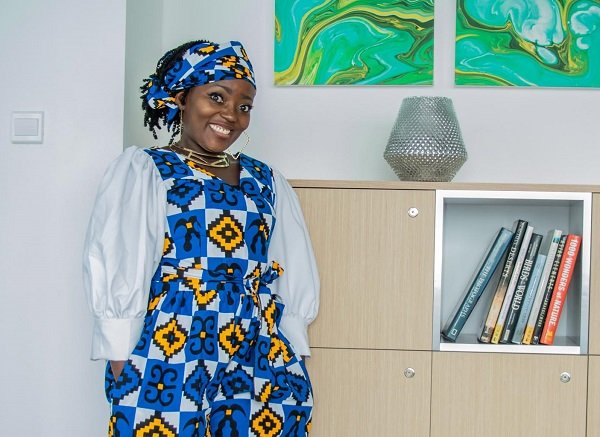
Something which started as a usual photo shoot for a portrait to be placed in the hall of their room and her album, surprisingly ended up becoming a ‘national project’.
Interestingly, the photograph meant for her private use rather became a national symbol of welcoming guests to Ghana, and some countries abroad.
To her surprise, it ended up at various places being used on calendars, bags, dresses, gift items, among other artefacts.
Ms. Angelina Nana Akua Oduro, now 39, took the iconic photograph in 1999 at age 18, but because it was not copyrighted, she does not receive any royalties from the commercialisation of her image.
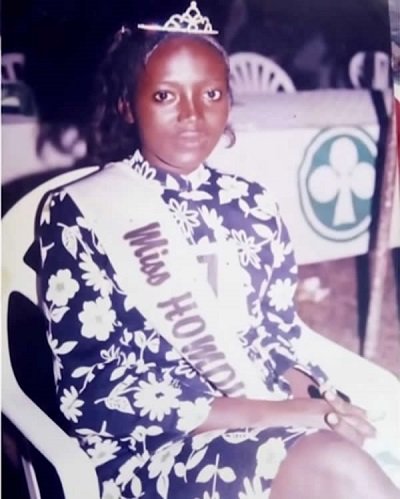



She shares her story with The Spectator newspaper.
Family
Ms. Angelina Nana Akua Oduro whose parents hail from Obo Kwahu and Akyem Pramkese in the Eastern Region was born at North Kaneshie Dans Bar, affectionately referred to as Ga-Mantse in Accra.
Her parents are Mr. Daniel Oduro a contractor, and Madam Janet Oduro, anad was born into a family of seven for which she is the penultimate last but one born of the four women and three men.
She was once married with two kids but divorced along the way
Education
Ms Angelina Oduro commenced her educational journey at St. Monica’s at Awudome in Accra for her basic education and continued to a government school at Awudome Two Junior High School.
Her dream to further her education at Okuapeman Senior High School in the Eastern Region was dashed due to financial problems at home, but this notwithstanding, his brother suggested a fashion school to her.
With to her love for fashion, Angelina heeded to the advice and was enrolled into a fashion school, Fashion Africa, at Swanlake by her elder brother, where she studied Modelling, Fashion Design and Embroidery.
After the school she did her attachment at Tetteh Praha Designs, where the interest in fashion grew stronger.
Akwaaba Photo
Touching on the genesis of the Akwaaba photo, she said, at Tetteh Praha, they attended fashion shows, did TV commercials and this kept replaying in her head after school.
This pushed her not to renege on all the beautiful things she learnt from the fashion school.
“My mother used to send me to buy Kenkey for her and there was this photograph of a lady pouring palm wine leaning on a wall at a drinking bar around our house, due to my fashion background, I appreciated it and wanted to take a similar one,” she revealed.
According to here, she shared the story with a photographer friend who later linked her to another photographer, by name Mr.Joe Osae.
“We then went to Makola, and other places where necklaces, bangles, cloths and pots among others were sold to facilitate the photo shoot. Afterwards we went to Mr.Joe Osae at Ceejay multimedia at Lapaz,” she said.
She stated that, they took some of the photos at the studio, Osu, the beach and later selected the best ones
“The intention was to fill my album and hang it in our rooms but later other people started showing interest, so Mr.Osae told me and started selling it, and at times gave me some proceeds, even though it was not on a large scale,” Ms. Oduro stressed.
Suddenly, it was everywhere, the photograph was circulating which was something her father was not happy about considering the spiritual implication which could follow .
However, her father was later convinced about the positives for which he understood.
“There were times some friends who have travelled would inform me about where they have found my portrait, which made me excited. If I look back I feel I have marketed Ghana with my image,” she noted.
Future
Talking about the future plans, she said “we are coming out with a documentary of my life, a clothing line and some cartoon filled with our cultural values to inculcate in the children at a tender age, because I love children.”
Ms.Angelina Oduro has called on well wishers to sponsor her to achieve these goals.
“I do fascinators, makeups and used to train models,” she added.
She has further called on authorities to recognise her contribution in marketing the country,
“Some people even thought I was dead or it was some painting, I would be glad if I am given an ambassadorial role to properly sell Ghana,” she suggested.
Ms. Oduro has appealed to Ghanaians to patronise made in Ghana products because through that, a lot of employment would be created to improve the per capita income of the citizens and boost the economy as well.
She thanked Mr. Osae, the photographer, for making her dreams come to pass.
Ms. Angelina Oduro fellowships with Love Community Chapel International at Ogre Road, in Accra,
Hobbies and favourite food
She loves to watch documentaries and cartoons and her favourite food is Kenkey with fried fish.
By Edem Mensah-Tsotorme


IN the annals of Ghana’s sporting history, certain individuals stand out not merely for participating in sport, but for transforming it.
Rev. Emmanuel D. Niikoi is one such figures. Revered as the father of modern netball in Ghana, is widely credited with rescuing the game from near extinction and transforming it into a vibrant, structured and nationally recognised sports discipline.
His journey reflects vision, resilience and an unwavering commitment to youth and sports development.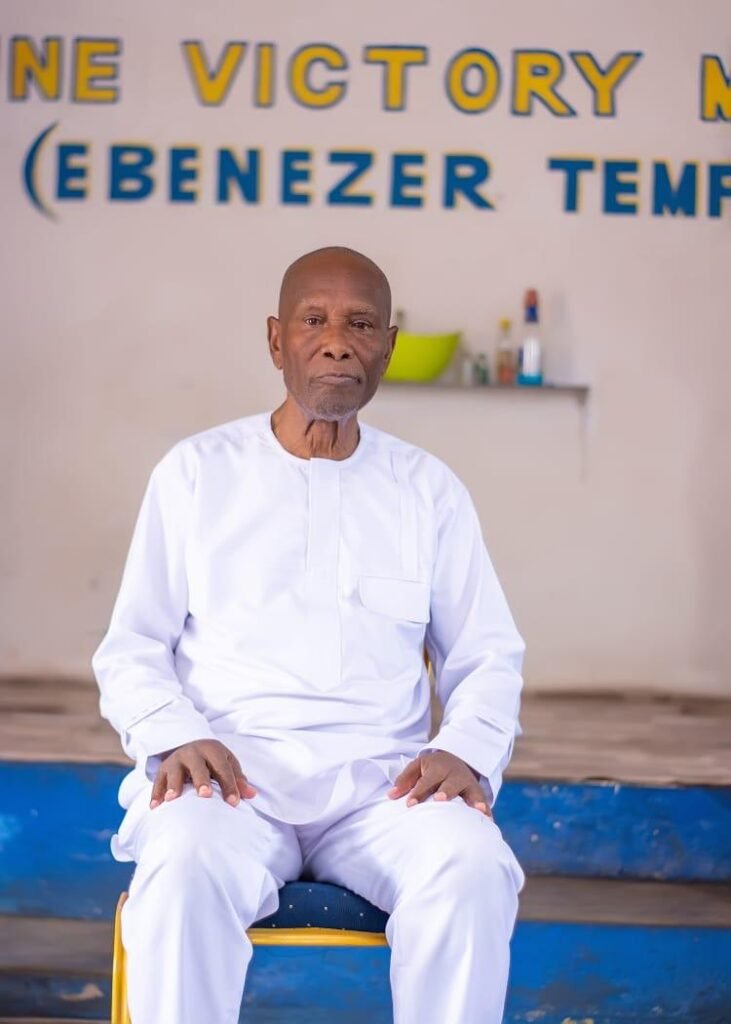
Netball was introduced to the then Gold Coast by Christian missionaries alongside formal education. By the 1960s and early 1970s, the sport had gained remarkable popularity in schools and colleges, ranking second only to football and, in some institutions, rivaling it in appeal.
However, during the 1974/75 academic year, the Ghana Education Service (GES) took a policy decision to step down netball in favour of basketball development. The decision dealt a severe blow to the sport.
Between 1975 and 1985, competitive netball virtually disappeared from Ghana’s sporting calendar.
That decision of the GES can be blamed for the current state of the sports that is producing heroines across the globe.
The revival of the game can be traced to 1985 during the Golden Jubilee celebration of the Ghana Broadcasting Corporation (GBC).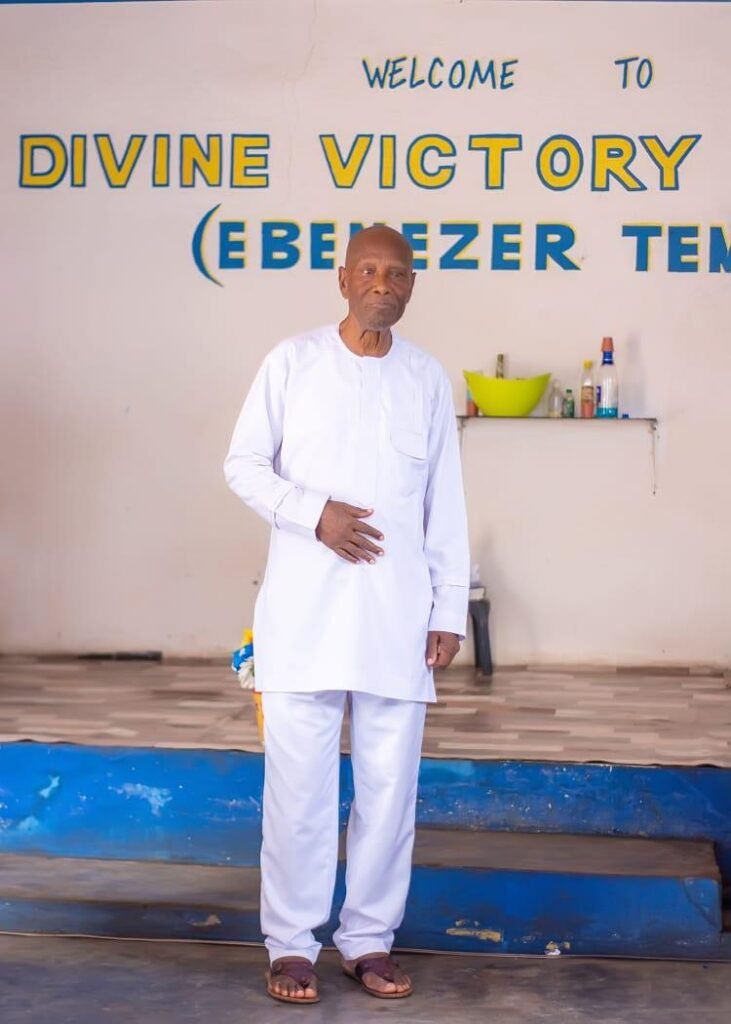
At the time, Rev. Niikoi was serving as Chief Editor (News) in the Radio Newsroom. Understanding both the historical importance and untapped potential of netball, he championed the inclusion of a netball tournament as part of the anniversary celebrations. The event reignited public interest and reminded many of the sport’s former glory.
Crucially, Rev. Niikoi did not allow the momentum to fade after the festivities. The GBC netball team formed for the tournament, aptly named “Golden Hands,” became the cornerstone of a national revival campaign.
With determination and personal sacrifice, he led tours across the country, using the team as a practical training platform.
He personally taught sports teachers under the GES the official rules of netball, reintroduced structured competition, and restored confidence in the sport’s viability.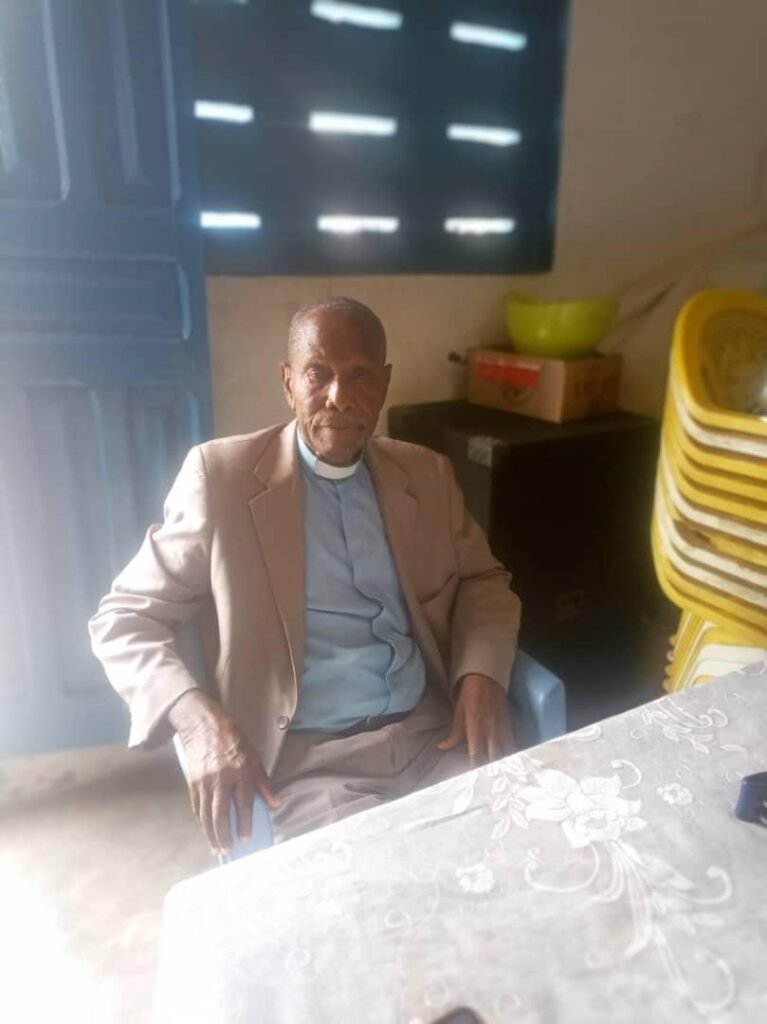
These efforts culminated with the formation of the Netball Association of Ghana in 1988, now known as the Netball Federation of Ghana.
In 1990, the association gained formal recognition from the National Sports Authorities, previously known as the National Sports Council (NSC), restoring netball’s status as an official sporting discipline.
This milestone marked the rebirth of organised netball in Ghana and cemented Rev. Niikoi’s place as founder of the national governing body.
Revival soon transitioned into consolidation. Over the years, Rev. Niikoi consistently lobbied educational and sports authorities to reintegrate netball into major school competitions.
His advocacy led to the sport’s reintroduction into the National Basic Schools Sports Festival, the Senior High and Technical Schools Sports Festival, the Colleges of Education games, and competitions under the Ghana University Sports Association (GUSA).
Today, netball is played across the entire educational structure in Ghana, from basic schools to public universities, a testament to his sustained and strategic efforts.
On the continental and global front, Ghana is a full member of World Netball and was a founding member of the Confederation of Africa Netball Associations (CANA), now Africa Netball.
In 2004, Ghana hosted the inaugural Africa Netball Cup of Nations in Accra and emerged champions after defeating Namibia in the final. The victory not only boosted Ghana’s sporting image but also validated years of groundwork.
In 2007, Rev. Niikoi was elected Director of Marketing and Media for CANA, serving a four-year term and contributing to the sport’s development across the continent.
In 2019, following governance reforms required by the International Olympic Committee to lift sanctions related to state interference in sports administration, national federations were mandated to adopt independent constitutions. Under this new framework, the Netball Federation of Ghana successfully drafted its constitution and conducted elections.
On June 19, 2019, Rev. Niikoi was elected the federation’s first President under the independent constitutional order which is symbolic and deserved recognition of decades of service.
Beyond netball administration, Rev. Niikoi also served two terms spanning eight years from March 2018 to March 2025 as an Executive Board Member of the Ghana Olympic Committee.
His presence on the board ensured that netball maintained visibility within Ghana’s broader Olympic movement.
A Bachelor of Arts graduate in Combined Honours (History and Law), Rev. Emmanuel D. Niikoi has trained numerous coaches and umpires nationwide, strengthening the sport’s technical foundation and ensuring sustainability.
His leadership style combines administrative discipline with grassroots engagement, making him both a strategist and a mentor.
From dormancy to dynamism, the resurgence of netball in Ghana bears his unmistakable imprint. Through advocacy, institution-building and capacity development, Rev. Niikoi has secured a lasting legacy.
Today, every netball match played in Ghana, whether at a basic school court or a university festival stands as living testimony to his vision and perseverance.
By Esinam Jemima Kuatsinu
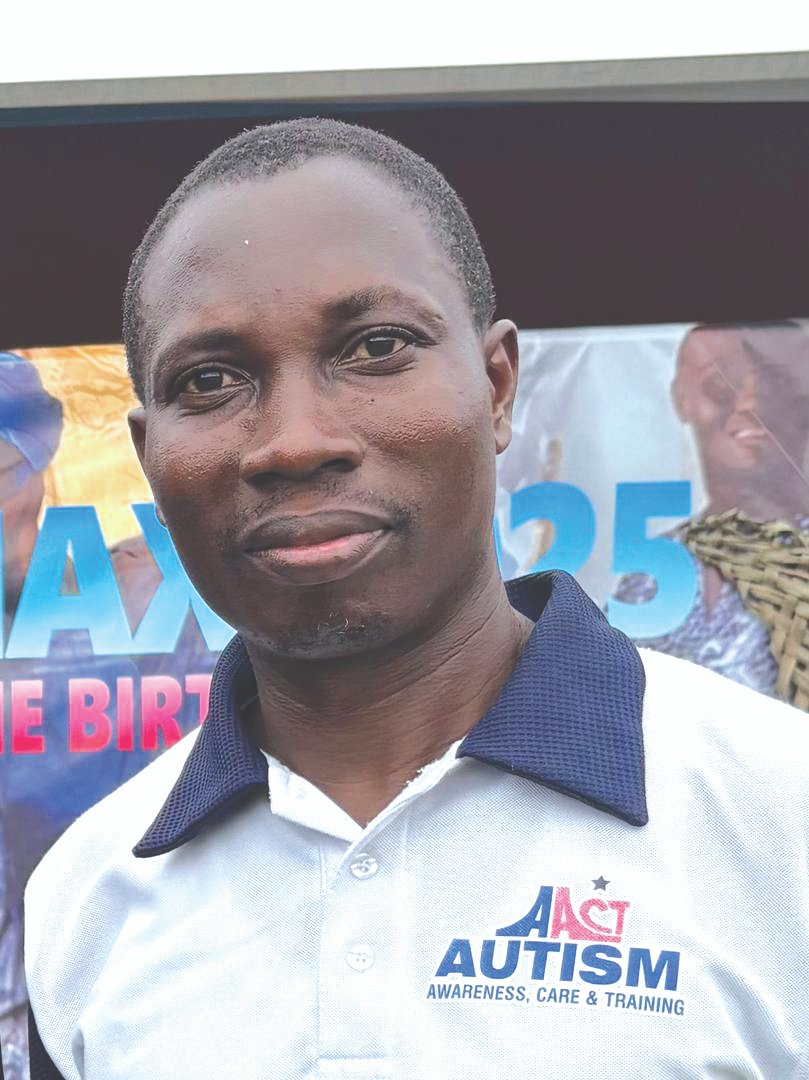
AUTISM Awareness Care and Training (AACT) is Ghana’s first autism-focused centre, playing a pioneering role in the care, education, and advocacy for children on the autism spectrum and their families.
Established in 1998, AACT began as a parent-support and training initiative at a time when autism was poorly understood in Ghana. Many families raising autistic children faced stigma, isolation, and limited access to information or professional assistance.
Over the years, the organisation has evolved into a full-fledged autism care and training centre, responding to the growing demand for specialised services and sustained nationwide awareness.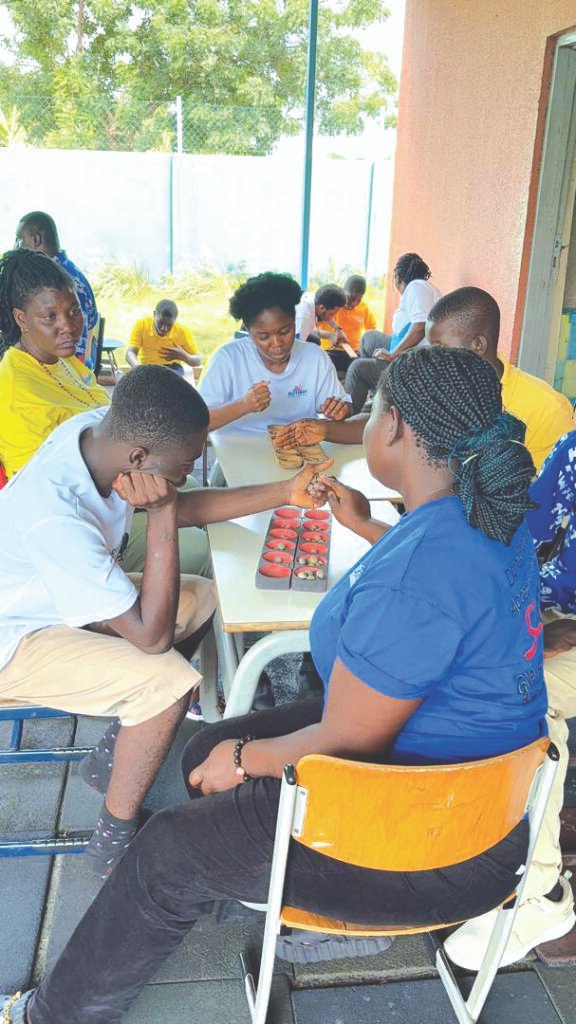
AACT is currently located in Haatso, Accra, where it operates a structured day programme serving about 25 learners daily. The centre provides a safe, inclusive, and supportive environment where children with autism are guided to develop essential life, social, and functional skills.
Programmes at the centre focus on independent living skills, vocational and pre-vocational training, functional academic skills, and therapeutic interventions. These activities are tailored to the individual needs of each learner, recognising that children on the autism spectrum learn and develop at different paces.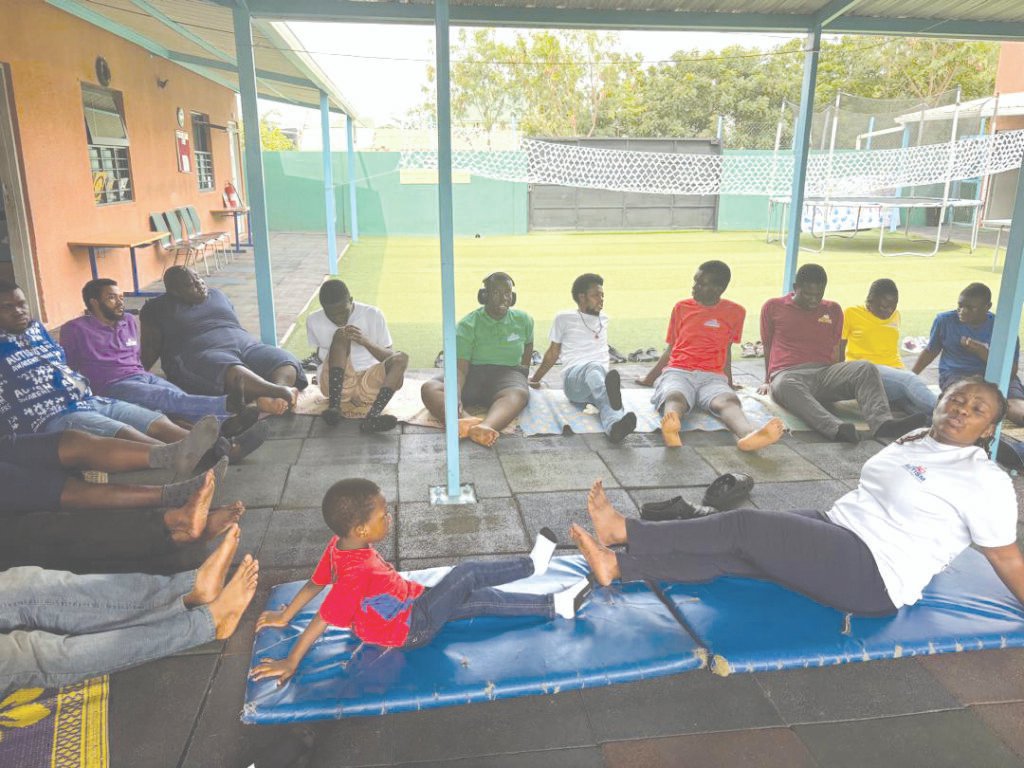
According to Abeiku Grant, Head of Programmes at AACT, the centre’s philosophy is centred on ability rather than limitation.
“Every autistic child is different,” he said. “Our work is to support them at their own pace and help them discover what they can do, not to focus on what they cannot do.”
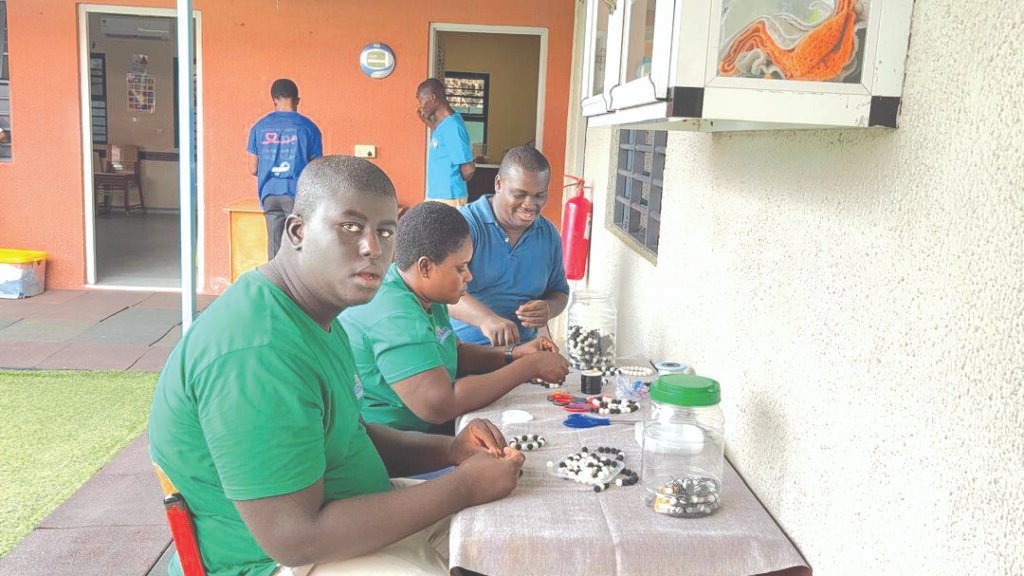
Beyond centre-based services, AACT places strong emphasis on autism awareness and advocacy, particularly within schools and communities. Many children with autism in Ghana continue to face rejection and exclusion due to stigma, misinformation, and the lack of trained personnel in educational institutions.
In 2025, AACT reached over 20 schools across the country, providing autism education to teachers, students, and school administrators.
The organisation also runs free teacher training programmes, equipping educators with practical knowledge and basic tools to support autistic learners in inclusive classroom settings.
“Many schools tell us they are not resourced or trained to handle autistic learners,” Mr Grant explained. “Instead of waiting for change, we decided to go to them and train teachers for free.”
AACT also engages learners directly, addressing widespread misconceptions about autism, including the false belief that autism is contagious or caused by bad parenting. These outreach programmes aim to build empathy among students and promote peer support for autistic learners in mainstream schools.
Another major challenge confronting families is limited access to autism services, especially outside Accra. With most autism centres concentrated in the capital, many families from other regions are forced to travel long distances or keep their children at home due to cost, stigma, or lack of support.
“Education is not meant only for typical children,” Mr Grant stressed. “Children with autism also have the right to education and care. No child should be hidden because of lack of understanding or opportunity.”
As part of its outreach work, AACT supports parents to overcome stigma and encourages social interaction for children with autism, believing that community engagement is essential for development and confidence building.
In December 2025, the centre received what it described as its largest donation of the year, raised by children from the Unmasked Mentoring initiative. According to the organisation, the donation was particularly significant as it demonstrated empathy and social responsibility among young people.
As a non-governmental, non-profit organisation, AACT depends largely on donations, partnerships, and goodwill to sustain and expand its work. Current needs include a minibus for community-based social activities, expansion of its facility to accommodate more learners, sponsorship support for children from financially challenged families, and funding to scale autism awareness programmes nationwide.
Looking ahead, AACT envisions a Ghanaian society that is inclusive, informed, and supportive of persons with autism.
“Our goal is a Ghana where children with autism are accepted and supported,” Mr Grant said. “Every child has potential. All they need is understanding, opportunity, and care.”
By Esinam Jemima Kuatsinu
Join our WhatsApp Channel now!
https://whatsapp.com/channel/0029VbBElzjInlqHhl1aTU27