News
Experts Call for Urgent Attention to Young People’s Mental Health


- /home/u249204778/domains/spectator.com.gh/public_html/wp-content/plugins/mvp-social-buttons/mvp-social-buttons.php on line 27
https://spectator.com.gh/wp-content/uploads/2026/01/Prof-Quarshie.webp&description=Experts Call for Urgent Attention to Young People’s Mental Health', 'pinterestShare', 'width=750,height=350'); return false;" title="Pin This Post">
- Share
- Tweet /home/u249204778/domains/spectator.com.gh/public_html/wp-content/plugins/mvp-social-buttons/mvp-social-buttons.php on line 72
https://spectator.com.gh/wp-content/uploads/2026/01/Prof-Quarshie.webp&description=Experts Call for Urgent Attention to Young People’s Mental Health', 'pinterestShare', 'width=750,height=350'); return false;" title="Pin This Post">
Mental health experts and advocates have called for urgent national attention to the mental well-being of young people, warning that neglecting their struggles could have devastating consequences later in life.
Professor Emmanuel Nii-Boye Quarshie, President of the Association for Suicide Prevention Ghana (GASP), said adolescents and young adults remained the most vulnerable group globally when it came to deaths by suicide, driven by a complex mix of social, economic and personal pressures.
Prof Quarshie made the call on the sidelines of a capacity-building workshop for media practitioners held in Accra on Friday. The workshop was organised by GASP in collaboration with the World Health Organisation (WHO) Ghana Office and the Department of Psychology of the University of Ghana.
The programme sought to raise awareness of the WHO guidelines on suicide reporting and to educate participants on the application of localised reporting guidelines within the Ghanaian context.
Prof Quarshie noted that while bullying existed in earlier generations, today’s youth faced additional challenges such as cyberbullying and the pressure of unrealistic lifestyles portrayed on social media.
“Many of our young people are losing their self-esteem and sense of self-worth in silence, particularly in the virtual world,” he said.
“Unaddressed mental health challenges in the early years often persist into adulthood with serious consequences.”
He explained that evidence showed most mental health conditions began early in life and that failure to intervene promptly could lead to crises marked by hopelessness and loss of meaning, sometimes with fatal outcomes.
Worsening economic conditions, unemployment, poverty and difficulties in accessing education were additional stressors confronting young people, he said, adding that even families benefiting from the Free Senior High School programme still struggled to provide basic support for their children.
Prof Quarshie therefore called for deliberate efforts to build resilience, strengthen life-skills education and introduce safeguards within the digital space to protect young people’s mental health.
Sharing a personal account, Dr Pokua Osei Yeboah, who lost her son to suicide, stressed the importance of open and consistent communication between parents and their children.
She said many parents failed to engage their children in honest one-on-one conversations, often missing warning signs until it was too late.
“Checking in is very important. We need to ask questions about their lives, their struggles, school, relationships and whether they are being bullied,” Dr Osei Yeboah said.
“Parents should also ask directly if their children are having thoughts of harming themselves.”
She admitted that cultural attitudes and traditional parenting styles sometimes discouraged openness, causing emotional distress to be dismissed as weakness.
“Looking back, I didn’t see the danger coming, even though his struggles started when he was an adolescent. He never shared, and I never pushed the conversation. I have learnt my lessons after the passing of my son,” she said.
Dr Osei Yeboah called for increased public education, improved funding for mental health services, reduced stigma and the establishment of a national crisis hotline similar to emergency services available in other countries.
Dr Johnny Andoh-Arthur, Secretary to GASP, highlighted the lack of reliable national data on suicide and attempted self-harm, noting that most available figures were derived from media and police reports.
“As a country, we do not have a dedicated system for recording these cases, and without data, prevention becomes difficult,” he stated.
Dr Andoh-Arthur noted that although Ghana decriminalised attempted suicide about two to three years ago, implementation remained incomplete without adequate investment in mental health services.
He expressed concern that less than two per cent of the national health budget was allocated to mental health, limiting the ability of health facilities to provide timely and effective support.
He stressed that with the decriminalisation, people in crisis should be encouraged to seek help without fear of punishment, which would require well-resourced facilities, trained professionals and accessible services.
While the decriminalisation marked important progress, he said sustained national commitment, data-driven policies and compassionate support systems were necessary to protect young people’s mental health and prevent avoidable loss of life. — GNA
SEO Key Phrase
young people’s mental health in Ghana
SEO Description
Mental health experts warn of rising risks among Ghana’s youth, calling for urgent national action, better funding, data systems and support services to prevent suicide and protect young lives.


The 29th Annual Dagaaba-Frafra Friendly Games have once again demonstrated that sports can be a powerful vehicle for cultural preservation, business networking, friendship and peaceful coexistence.
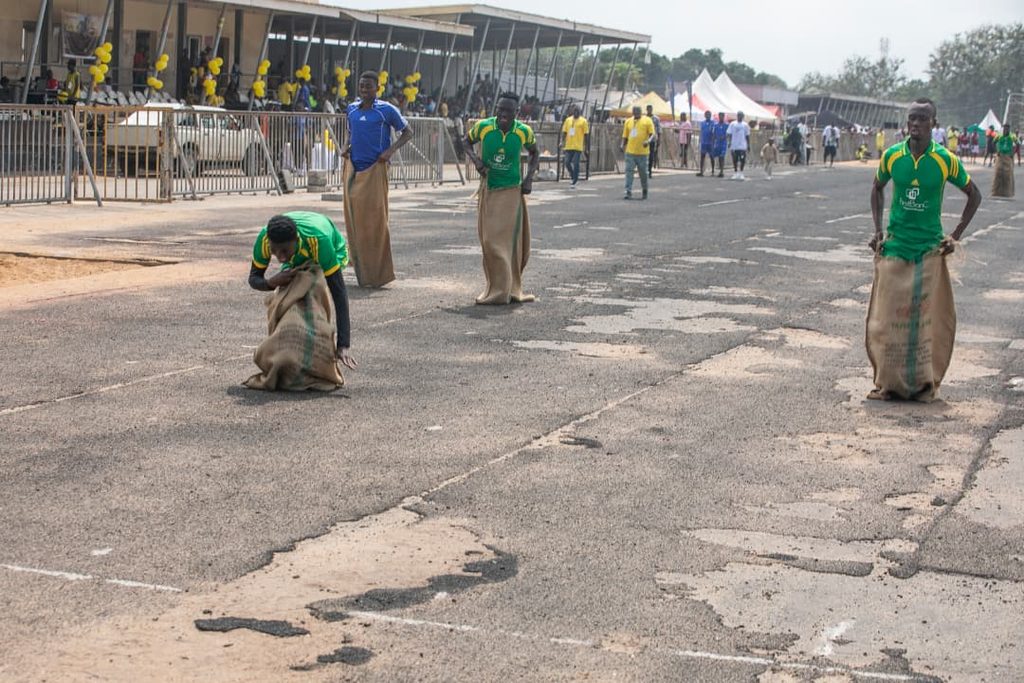
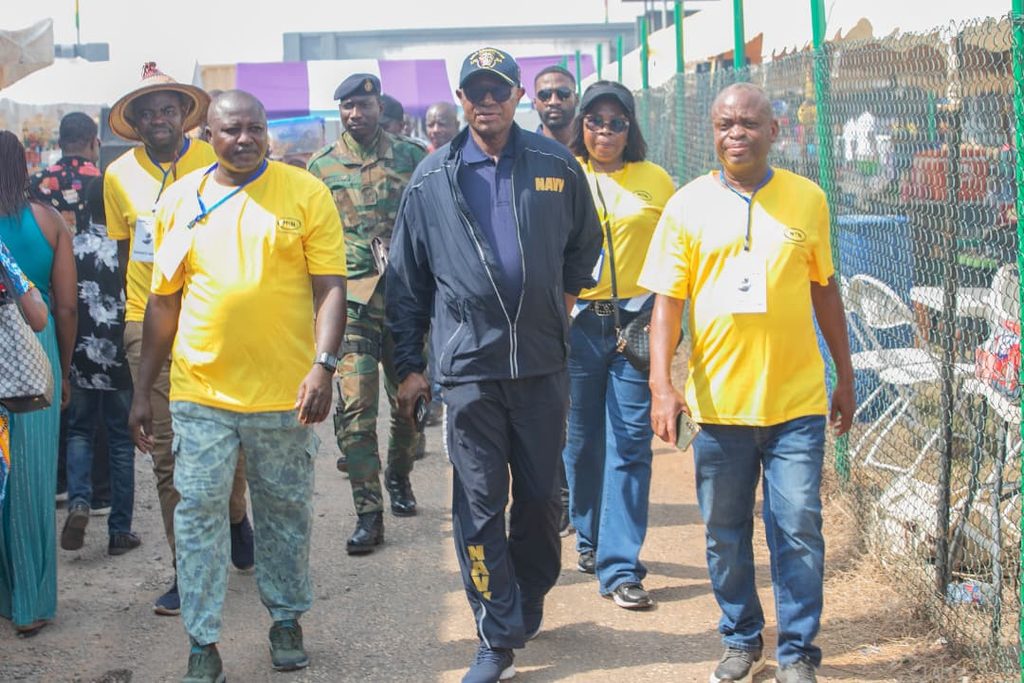
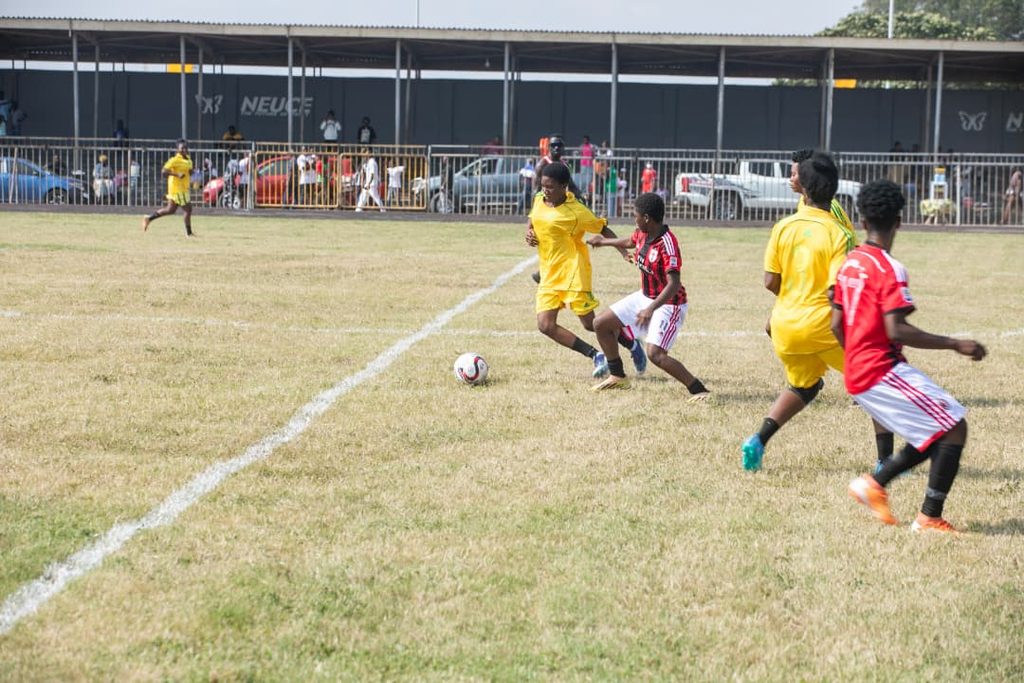
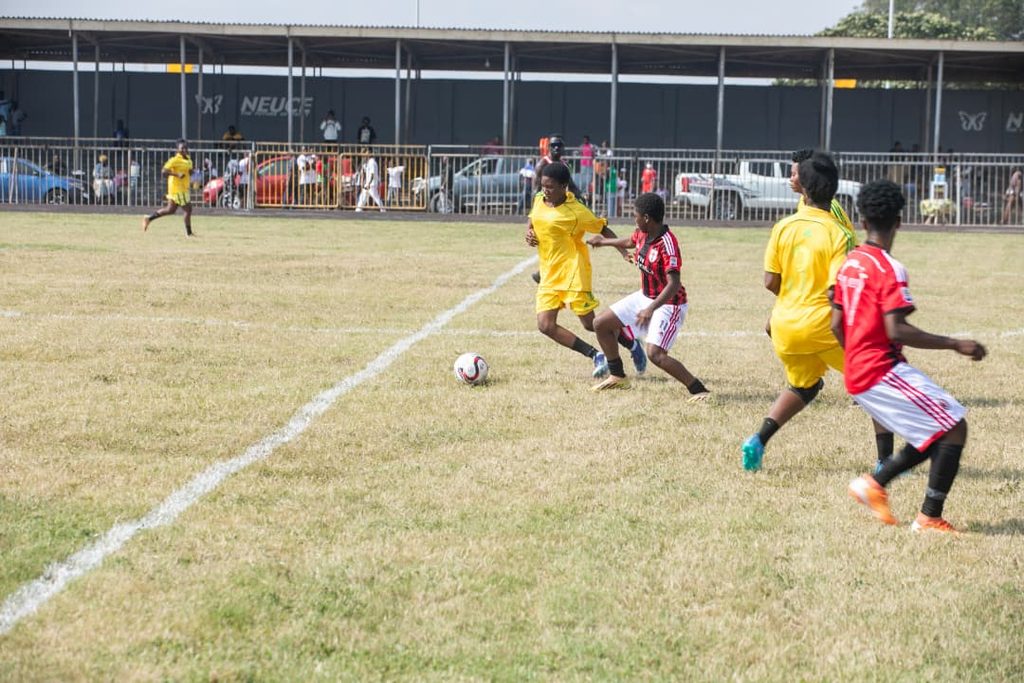
Held at the El-Wak Sports Stadium in Accra last Saturday, the games brought together members of the two ethnic groups from across Ghana and abroad for a colourful celebration under the theme, “Unity in Diversity: The Dagaaba-Frafra Model for Peaceful Co-existence.”


The event, which has evolved from a friendly football match into a major annual gathering, featured football, volleyball, sack races, lime and spoon, tug-of-peace and a penalty shootout for senior citizens.
At the end of the competitions, the Frafra won four events, while the Dagaaba secured victories in five, with the men’s soccer match ending in a draw.
The Frafra triumphed in the men’s lime and spoon, men’s sack race, women’s sack race and women’s soccer, while the Dagaaba won the women’s lime and spoon, men’s volleyball, women’s volleyball, women’s tug-of-peace and the senior citizens’ penalty shootout.


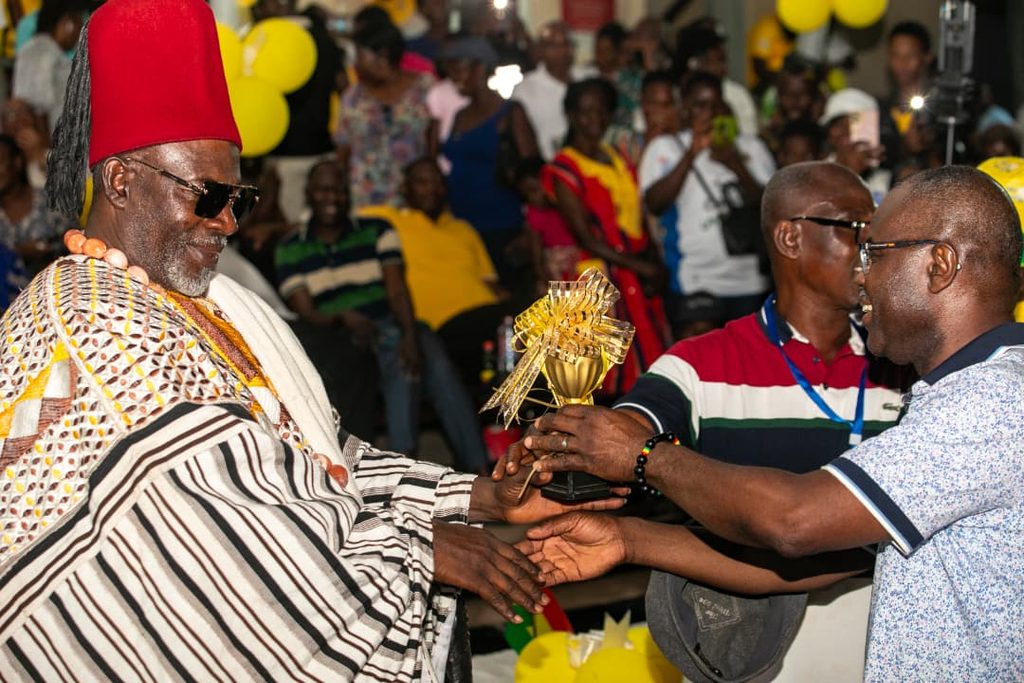

However, the games extended far beyond the sporting arena. The stadium grounds and surrounding spaces became a vibrant marketplace, with patrons enjoying and purchasing a variety of traditional foods, drinks and cultural products.
Local delicacies, including TZ, tubaani, bambara beans, pork, guinea fowl, local fowls, dog meat and kosie, were sold alongside traditional alcoholic beverages. Traditional dresses and other culturally inspired items also attracted buyers, turning the gathering into an important platform for small businesses and vendors to make sales while promoting northern Ghanaian culture.
The cultural exchange continued long after the final sporting contests, as patrons remained at the venue to eat, drink, socialise, dance and party well into the night.
In her remarks, the Guest of Honour, Dr Matilda Aberese-Ako, said the gathering represented much more than competition, describing the Dagaaba-Frafra relationship as a historic bond that had evolved into a modern sporting tradition and an instrument for peace.
MTN Ghana has been the headline sponsor for the games for the past 10 years.
By Gordon Wellu
By Gordon Wellu
SKIP THE QUEUE, TAP THE NEWS
You can now read the Ghanaian Times and The Spectator newspapers from the comfort of your device via TimesNewsPlus.
Join our WhatsApp Channel: https://whatsapp.com/channel/0029VbBElzjInlqHhl1aTU27

MTN Ghana has undertaken a tree-planting exercise at the Chipa Forest Reserve as part of its commitment to protecting the planet and support the restoration of degraded sections of the forest.
The activity forms part of the company’s 2026 Sustainability Month celebration held under the theme “Small Actions: Big Impact,” and its 30th anniversary celebration.


It was held in partnership with the Forestry Commission (FC) and the Rainforest Alliance with MTN Ghana supporting the restoration of approximately two hectares of degraded forest through the planting of 1,666 trees.
Due to the current dry weather conditions, 833 trees were planted during the exercise, with the remaining 833 to be planted when the rain commences.
The exercise brought together MTN employee volunteers, officials from the Forestry Commission and representatives of the Rainforest Alliance, demonstrating the importance of collaboration in driving environmental sustainability.
Speaking at the event, the Acting General Manager for Sustainability and Shared Value at MTN Ghana, Georgina Asare Fiagbenu, emphasized the critical role trees play in sustaining life and protecting the environment.
“Trees are essential to human survival and healthy ecosystems. They absorb carbon dioxide, release oxygen, regulate temperatures, protect soil, support biodiversity and provide habitats for many species. They also conserve water, reduce erosion and help communities adapt to the effects of climate change,” she said.
The District Manager of the Tema-Ada Forest Services Division of the Forestry Commission, Linda Ansah, welcomed MTN Ghana’s support, describing it as a valuable contribution to efforts aimed at restoring degraded sections of the reserve.
The Country Director of the Rainforest Alliance, Nicholas Jengri, also welcomed the partnership and emphasised the importance of collective action in addressing environmental challenges.
SKIP THE QUEUE, TAP THE NEWS
You can now read the Ghanaian Times and The Spectator newspapers from the comfort of your device via TimesNewsPlus.
Join our WhatsApp Channel: https://whatsapp.com/channel/0029VbBElzjInlqHhl1aTU27