News
Deputy Health Minister calls for stronger use of technology in malaria prevention

- /home/u249204778/domains/spectator.com.gh/public_html/wp-content/plugins/mvp-social-buttons/mvp-social-buttons.php on line 27
https://spectator.com.gh/wp-content/uploads/2026/02/WhatsApp-Image-2026-02-16-at-12.49.40-1000x600.jpeg&description=Deputy Health Minister calls for stronger use of technology in malaria prevention', 'pinterestShare', 'width=750,height=350'); return false;" title="Pin This Post">
- Share
- Tweet /home/u249204778/domains/spectator.com.gh/public_html/wp-content/plugins/mvp-social-buttons/mvp-social-buttons.php on line 72
https://spectator.com.gh/wp-content/uploads/2026/02/WhatsApp-Image-2026-02-16-at-12.49.40-1000x600.jpeg&description=Deputy Health Minister calls for stronger use of technology in malaria prevention', 'pinterestShare', 'width=750,height=350'); return false;" title="Pin This Post">
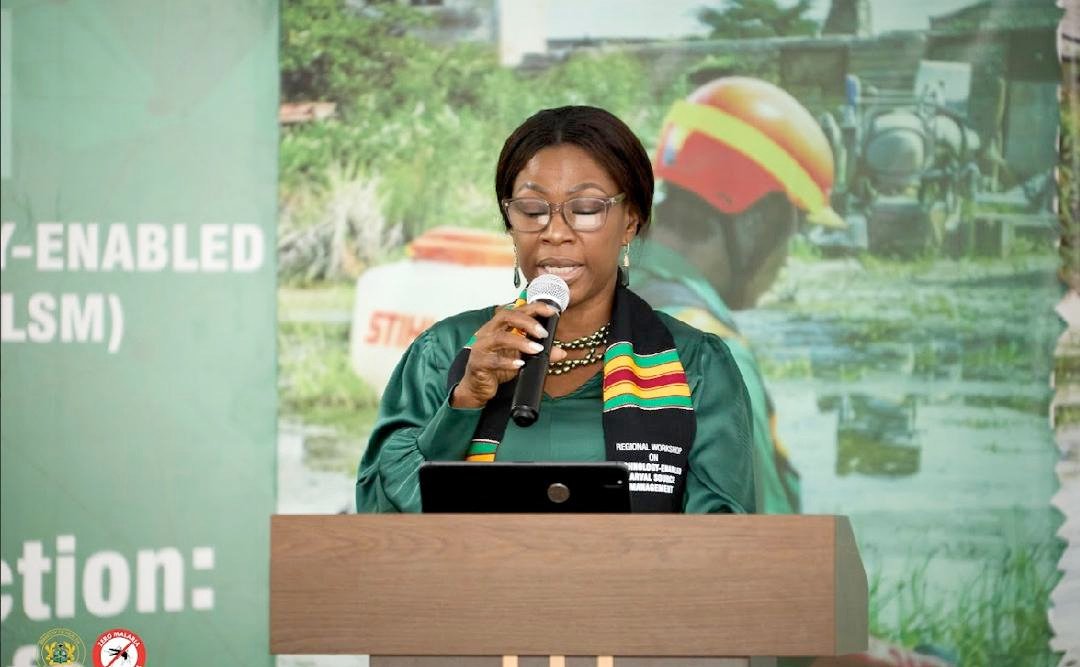
The Deputy Minister of Health, Dr Grace Ayensu-Danquah has called for stronger use of technology in malaria prevention, urging African countries to focus on stopping the disease at its source rather than relying mainly on treatment.
She made the remarks while delivering the keynote address at a regional workshop on Tech Enabled Larval Source Management held at The Palms by Eagle Hotel in Accra.
The two day event brought together health officials, technical experts and innovators from across the continent.
The workshop was organised by the National Malaria Elimination Programme of the Ghana Health Service in partnership with AGAMAL and SORA Technology.
It was held under the theme Prevention at the Source.
In her address, the Deputy Minister stressed Ghana’s commitment to shifting toward proactive prevention strategies that target mosquito breeding sites before malaria transmission occurs.
“If we are to end malaria, we must outpace it,” she stated.
She explained that advances in technology now make it possible to predict, detect and respond to malaria risks with greater precision.
She added that prevention at the source is both a strategy and a responsibility.
The Deputy Minister commended the collaboration between public health institutions and technology partners. She emphasised that eliminating malaria will require cooperation among countries, shared expertise and strong political support.
She noted that the workshop demonstrated Africa’s growing role in developing its own solutions to public health challenges.
Participants were introduced to a range of digital tools designed to improve larval source management.
These included drone mapping and artificial intelligence systems to help identify mosquito breeding grounds, digital micro planning to guide resource allocation using real time data, and real time monitoring systems to support faster field interventions.
The event also served as a platform for knowledge exchange, with stakeholders discussing how digital innovation can improve malaria control efforts. Officials indicated that such approaches could help make prevention more targeted, efficient and community focused.
By: Jacob Aggrey







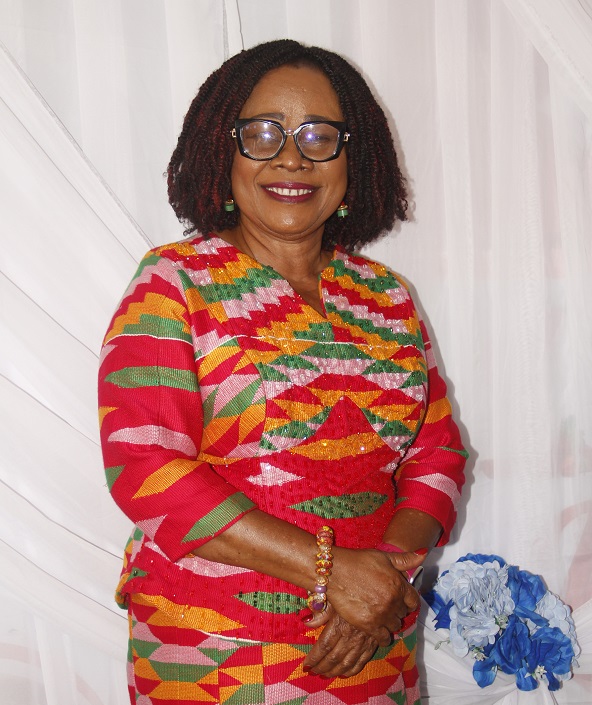
A nine-member board for the New Times Corporation (NTC), publishers of The Ghanaian Times and The Spectator newspapers was sworn into office on Thursday with a call to strengthen the governance of the Corporation.![Dr. Binka (seated second from right) with Dr Okpoti [right] the board and Management of NTC photos Okai Elizabeth.](https://spectator.com.gh/wp-content/uploads/2026/08/Dr.-Binka-seated-second-from-right-with-Dr-Okpoti-right-the-board-and-Management-of-NTC-photos-Okai-Elizabeth-1024x683.jpg)
The new NTC board is chaired by Dr Charity Binka and has Very Rev. Helena Amma Serwah Opoku-Sarkodie, Mr Tito Kojo Voegborlo Esq and Naana Aklerh Amenyah Kubi I as members. Read More
SKIP THE QUEUE, TAP THE NEWS
You can now read the Ghanaian Times and The Spectator newspapers from the comfort of your device via TimesNewsPlus.
Join our WhatsApp Channel: https://whatsapp.com/channel/0029VbBElzjInlqHhl1aTU27

Christians have been urged to demonstrate a living faith in Jesus Christ by allowing their confession of Him as Lord and Saviour to reflect in their daily lives.
According to the Kaneshie District Pastor of the Evangelical Presbyterian Church, Ghana (EPCG), Rev. Dzidzor Nathaniel Affram, a genuine Christian’s confession should go beyond words and be demonstrated through obedience to God, love for others and service to the Church.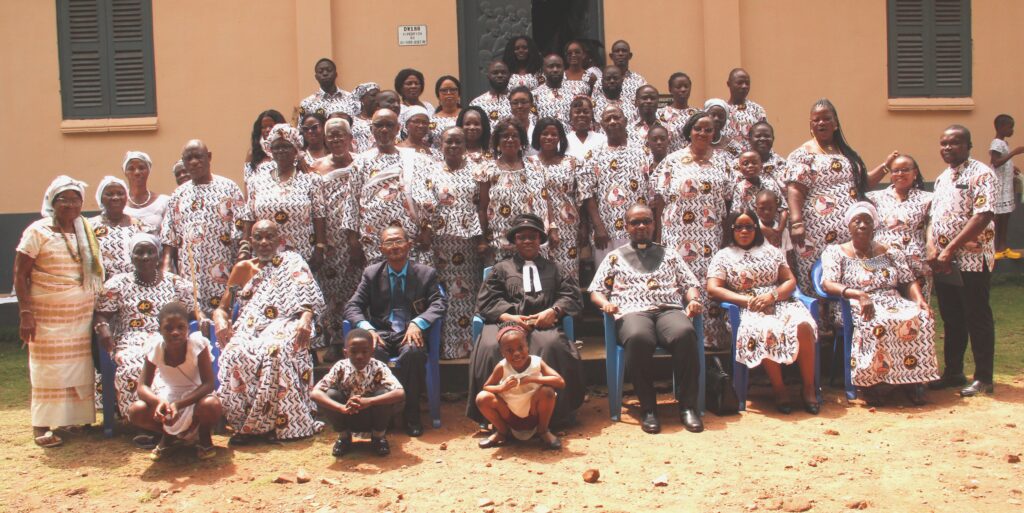
He made the call at the 40th anniversary remembrance service for the late Wesley Kwasi Kwadzo at the Evangelical Presbyterian Church, Ghana, Maranatha Congregation at Awudome Avenui in the Volta Region.
Speaking on the theme, “The Church Built on a Living Confession,” Rev. Affram said life would continually present challenges capable of testing Christians’ faith, making it necessary for believers to hold firmly to their confession that Jesus Christ is Lord.
He explained that accepting Jesus Christ as Lord and Saviour required Christians to live according to His teachings, stressing that their faith must be evident in their conduct.
“A living confession listens to God and not man,” he said, urging Christians to remain obedient to God even when faced with difficulties and pressures.
Rev. Affram further encouraged the congregation to care for vulnerable people and demonstrate concern for others, adding that such acts were practical expressions of Christian faith.
He also urged Christians to identify and use their God-given gifts to build the Church.
He said every member of the Church had a role to play and cautioned Christians against looking down on others because of their status or abilities.
The remembrance service brought together family members, friends, members of the congregation and sympathisers to commemorate the 40th anniversary of the late Wesley Kwasi Kwadzo.
By Lizzy Okai