News
Dawadawa makes a comeback …Savannah spice redefining Ghanaian cooking

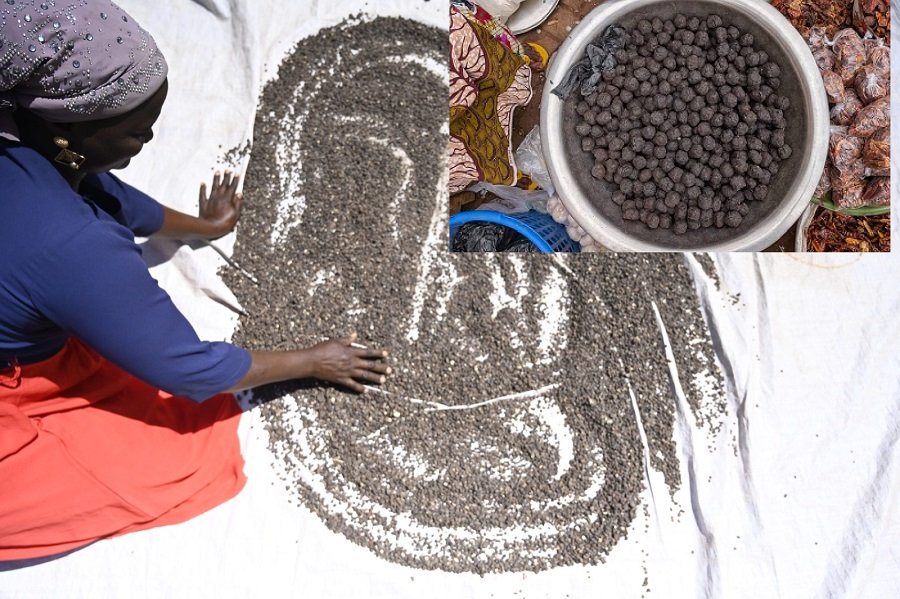
Once overshadowed by bouillon cubes and synthetic seasonings, Dawadawa the aromatic, fermented seed of the African locust bean tree is staging a flavourful return to Ghanaian kitchens.
Once seen as old-fashioned, it is now gaining recognition as a superfood, appreciated not only for its rich, umami depth but also for its health benefits.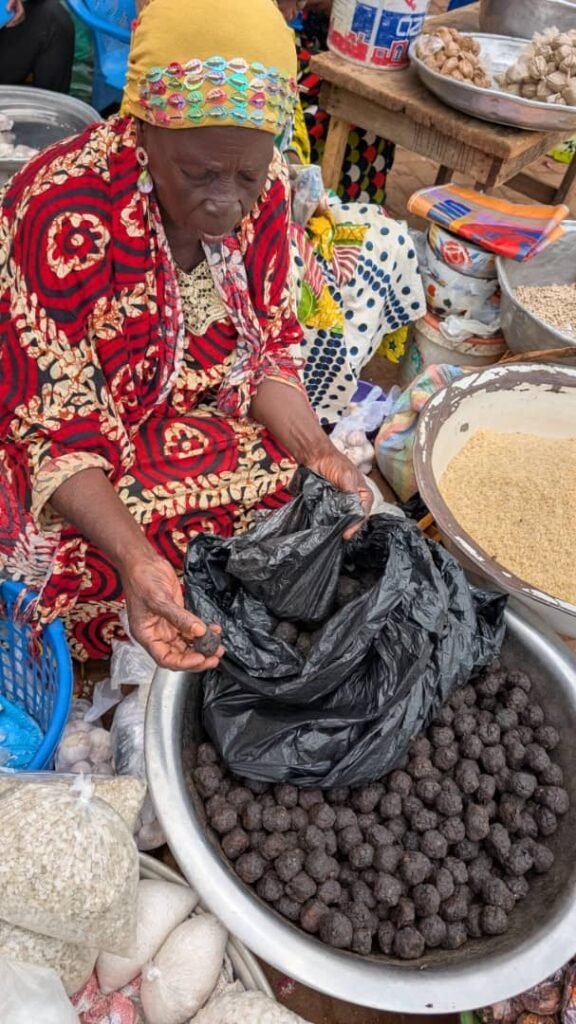
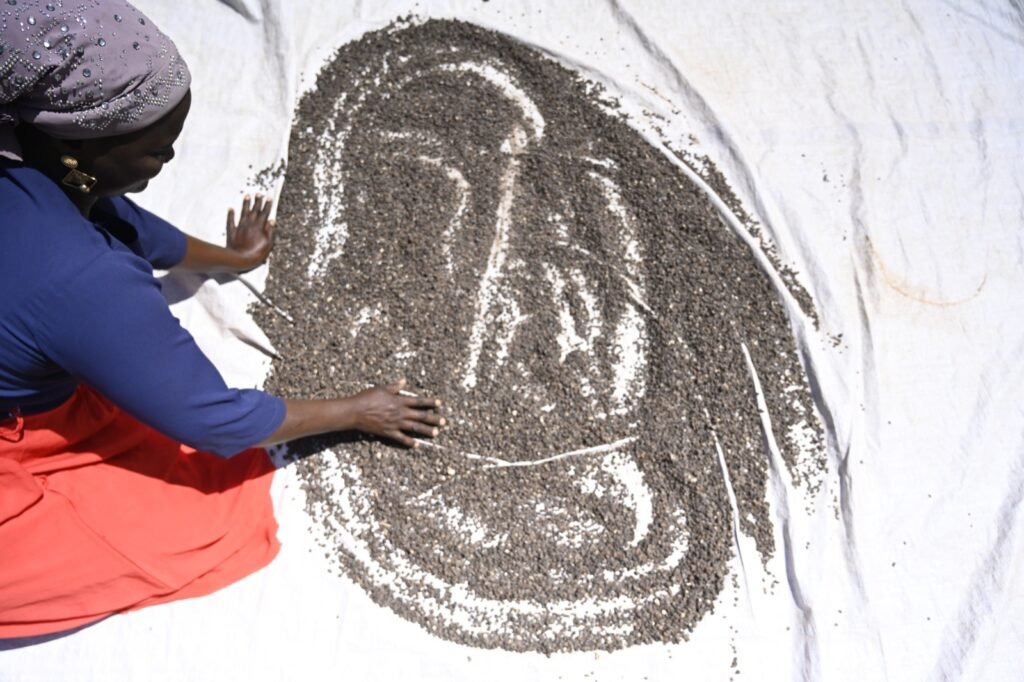
At the Aboabo market in Tamale, Hajia Fati, a vendor who has been selling Dawadawa for over 16 years, has noticed the shift.
“These days, more people come asking for it not just for soup and stew, but even for jollof,” she said, proudly pointing to her handwoven basket filled with the brown, pungent balls of fermented seeds.
Known across West Africa as iru or ogiri, Dawadawa is produced by boiling, fermenting, and drying the seeds of the Parkia biglobosa tree. Its distinct earthy aroma and flavour were once a staple in traditional cooking. Now, health-conscious cooks are reviving it as a natural alternative to artificial additives.
Madam Esther Boateng, owner of Estjoy Eatery & Supermarket, told The Spectator that changing consumer habits are driving this comeback.
“People are reading food labels now. They’re more aware of what goes into their bodies,” she explained. “Dawadawa is rich in natural protein, calcium, antioxidants, and prebiotics. It helps with digestion, regulates blood pressure, and boosts the immune system.”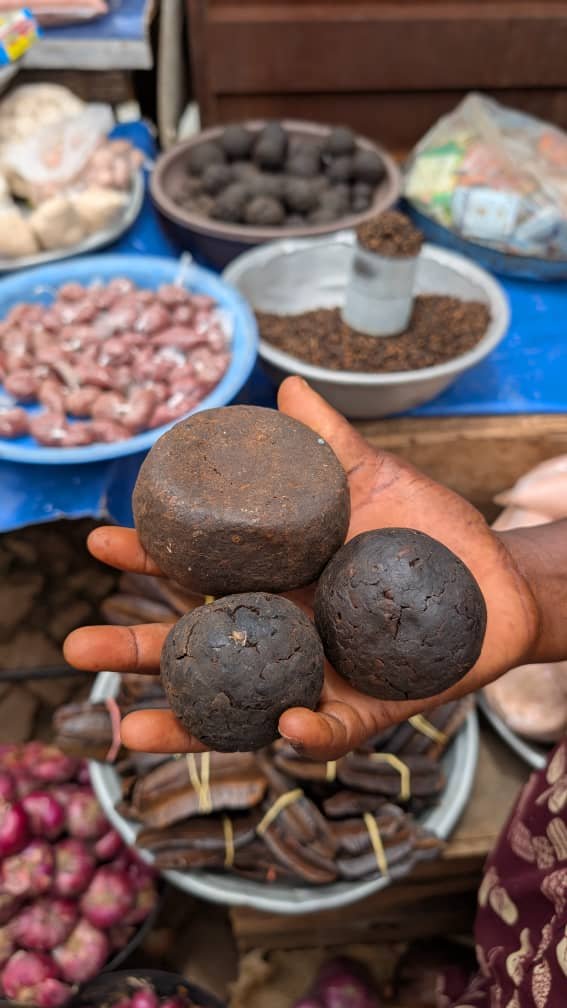
In a twist on Ghana’s beloved rice dish, Dawadawa paste or powder is now being used in place of seasoning cubes, lending the jollof a deeper, more authentic flavor.
“The jollof tastes richer more Ghanaian,” said Madam Matilda, who runs a popular restaurant in Tamale. “Customers love it. They’re becoming more conscious of what they eat, and they’re coming back for more.”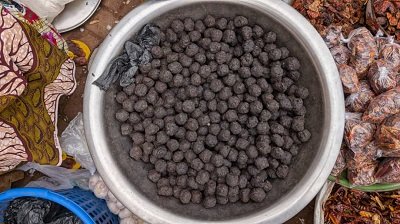
Across social media, food bloggers and home chefs are sharing recipes featuring Dawadawa, pairing it with smoked fish, Kontomire, and even plant-based proteins.
In Accra, Kumasi, and even some UK shops, branded and hygienically packaged Dawadawa is now available-complete with expiry dates and nutritional labels.
“Before, it was just raw balls on trays,” Hajia Fati recalled. “Now, we label them and package them properly. People want clean, trustworthy local products.”
The revival is not just culinary; it’s cultural and economic. Women’s cooperatives in Northern Ghana are producing Dawadawa under improved sanitary conditions, creating jobs and preserving indigenous knowledge.
However, the Parkia biglobosa tree is under threat. It takes years to mature and is increasingly endangered due to bushfires, logging, and climate change. Conservationists warn that protecting this tree was key to ensuring the spice’s future.
As Ghana looks inward for healthier, homegrown ingredients, Dawadawa is proving it has more to offer than just taste. It is a symbol of sustainability, local innovation, and culinary pride.
From stews and soups to the growing trend of Dawadawa jollof, this humble seed is reclaiming its status not just as a seasoning, but as a cornerstone of a healthier, more authentic Ghanaian diet.
From Geoffrey Buta, Tamale










A member of the National Democratic Congress (NDC), Dr. Sammy Ayeh has picked up nomination forms to contest for the position of Deputy National Communications Officer position.
Announcing his intention, Dr. Ayeh said he is offering himself to help communicate the party’s vision clearly and connect its message with the aspirations of Ghanaians.
He expressed deep gratitude to the party’s National Communications Officer, Lawyer Sammy Gyamfi, describing him as an able leader on whose shoulders he has risen.
“His exceptional leadership, mentorship and confidence in me have shaped my journey and strengthened my resolve to serve,” Dr. Ayeh stated.
He said if elected, he will seek to build on that foundation by strengthening research-driven communication, empowering grassroots communicators, and enhancing strategic media engagement.
Dr. Ayeh humbly appealed to party members and supporters for their support.
By Edem Mensah-Tsotorme

The Data Protection Commission has called on the Minority Caucus in Parliament, the Ministry of Foreign Affairs, JoyNews and other media houses to protect the personal information of 1,964 Ghanaians evacuated from South Africa.
In a press release issued on Tuesday, October 20, 2026, the Commission expressed concern over the public disclosure of the evacuees’ personal details, including their names, signatures and records of financial assistance received.
It warned that making such information public could expose the affected individuals to identity theft, fraud and other forms of harm, especially given the threats to their safety that some of them may have faced.
The Commission explained that the 1992 Constitution protects the dignity and privacy of every individual. It also cited the Data Protection Act, 2012 (Act 843), which sets out rules for the lawful collection, use and disclosure of personal information.
While acknowledging the importance of transparency, parliamentary oversight, the right to information and press freedom, the Commission stressed that these principles do not automatically justify the unrestricted publication of personal details.
It said the disclosure of the records by the Minority Caucus, the Ministry of Foreign Affairs, JoyNews and other media organisations must be assessed based on the law, the purpose of the disclosure and the privacy rights of the individuals involved.
The Commission further noted that although the Ministry of Foreign Affairs and Parliament are registered data controllers in good standing, their registration does not exempt them from their legal responsibilities under the Data Protection Act.
It has therefore urged all the parties involved to take appropriate steps to protect the affected individuals, including immediately restricting access to or removing personal details from publicly available records where their continued disclosure is not legally justified.
The Commission announced plans to conduct a regulatory review to determine whether the disclosures had a lawful basis, what safeguards were applied and whether the privacy rights of the evacuees had been adequately protected.
It said it would engage the relevant parties as part of the review and take appropriate regulatory action if any breach of the law is established.
The Commission reiterated that protecting personal information and respecting human dignity must remain central to efforts to promote public accountability.
By: Jacob Aggrey