News
Ghana to host Africa’s creative elite as AMC Season 3 welcomes President Mahama’s 2027 AU chairmanship


- /home/u249204778/domains/spectator.com.gh/public_html/wp-content/plugins/mvp-social-buttons/mvp-social-buttons.php on line 27
https://spectator.com.gh/wp-content/uploads/2026/06/WhatsApp-Image-2026-06-23-at-15.51.57.jpeg&description=Ghana to host Africa’s creative elite as AMC Season 3 welcomes President Mahama’s 2027 AU chairmanship', 'pinterestShare', 'width=750,height=350'); return false;" title="Pin This Post">
- Share
- Tweet /home/u249204778/domains/spectator.com.gh/public_html/wp-content/plugins/mvp-social-buttons/mvp-social-buttons.php on line 72
https://spectator.com.gh/wp-content/uploads/2026/06/WhatsApp-Image-2026-06-23-at-15.51.57.jpeg&description=Ghana to host Africa’s creative elite as AMC Season 3 welcomes President Mahama’s 2027 AU chairmanship', 'pinterestShare', 'width=750,height=350'); return false;" title="Pin This Post">
Ghana is set to host the highly anticipated third season of the Africa Monologue Challenge (AMC), a landmark event that brings together the continent’s most promising creative talents in a celebration of Pan-African storytelling, cultural exchange, and economic integration.
The season, themed “Using Africa’s Creative Economy to Promote Intra-African Trade,” aligns with Ghana’s growing role as a hub for continental integration and comes as the nation prepares to celebrate President John Dramani Mahama’s assumption of the African Union Chairmanship in 2027.
The Africa Monologue Challenge, which was initiated by MK Casting in partnership with the African Chamber of Content Producers (ACCP) and the National Film Authority of Ghana, has quickly become a premier platform for discovering and nurturing African creative talent.
Season 1, held in Ghana, saw an Ugandan emerge as the winner. Season 2, hosted in Uganda under the auspices of the President of Uganda and the Uganda Communications Commission, witnessed an Ivorian finalist, sponsored by the Ministry of Culture and Francophonie, take the crown.
Though Ivory Coast, through its Ministry, was originally scheduled to host Season 3, the Ministry and the organizers mutually agreed to shift the event to Ghana.
This decision allows the Ivorian finalist to symbolically present the torch to the next winner in Ghana, celebrating Ghana’s upcoming AU chairmanship in 2027 and reinforcing the spirit of continental solidarity that the AMC embodies.
Season 3 of the Africa Monologue Challenge is currently under the auspices of the Diaspora Affairs Office of the President, the National Film Authority of Ghana, the Ghana Tourism Authority, and the Africa Prosperity Network, with support from the Black Star International Film Festival, Creators Festival, Bombo Investments, Platinum Bay Hotel, the International Expat Center, and other valued partners.
The program will bring together 12 finalists from across Africa and the diaspora for a transformative one-month Pan-African House residency in Ghana. Participating countries include Ghana as the host nation, Nigeria, South Africa, Zambia, Kenya, Botswana, the Republic of Congo, Benin, Senegal, Ivory Coast, Cameroon, and a representative from the United States diaspora.
During their residency, the finalists will engage in a rich program of activities designed to deepen their understanding of Pan-Africanism, build cross-cultural bonds, and equip them with skills for the creative economy.
Daily sessions exploring the history, philosophy, and contemporary relevance of Pan-Africanism will foster a shared continental identity among the participants, while tours of Ghana’s iconic heritage sites,including the Cape Coast and Elmina Castles, the Kwame Nkrumah Mausoleum, and other cultural landmarks will promote Ghana’s tourism offerings and position the finalists as ambassadors for the country’s rich cultural heritage.
Each finalist will also have the opportunity to present their home country to fellow participants and invited guests, showcasing their nation’s culture, tourism potential, and investment opportunities in dedicated country marketing sessions.
Beyond cultural immersion, the residency will feature engagements with renowned Ghanaian entrepreneurs and business leaders, providing practical insights into business development, branding, and the realities of building a creative enterprise.
The finalists will also interact with traditional rulers and cultural custodians to deepen their understanding of African customs, governance systems, and the role of tradition in contemporary African identity, while meetings with members of the diplomatic community in Ghana will offer lessons in international relations, cultural diplomacy, and the strategic use of soft power to advance Africa’s interests on the global stage.
According to the organizers, the residency will culminate in the production of a feature short film, created collaboratively by the finalists and Ghanaian creatives.
The film will be submitted to international festivals as a powerful reflection of Africa’s solidarity and shared creative vision, while also marketing Ghana as the host country and a premier destination for creative collaboration and business investment.
Other key events during the finalists’ month-long stay in Ghana will include the Pan-African Actors Masterclass, facilitated by MK Casting in partnership with the Casting Society of America (CSA) and the International Casting Directors Association (ICDA), as well as the Africa Image Conference, facilitated by the African Chamber of Content Producers(ACCP) and Africa Image Ambassadors.
The AMC Season 3 Grand Finale will be a spectacular showcase of African talent, featuring the 12 finalists competing for the coveted crown.
Beyond the individual winner, the finale will also determine which country will host Season 4 of the Africa Monologue Challenge, continuing the tradition of rotating the event across the continent and strengthening the bonds of creative collaboration between African nations.
The AMC Season 3 committee brings together some of Africa’s most respected figures in the creative industry.
Veteran media personality and Chairman of the ACCP Media and Cultural Sector, Harold Roger Quartey, who is leading efforts to assist the African Union and the President in achieving the objectives that led to the establishment of the African Continental Free Trade Area (AfCFTA), emphasized the importance of the AMC.
“The Africa Monologue Challenge discovers talent, tells our stories, and builds the bridges that will make the AfCFTA a reality,” Mr Roger Quartey stated.
Madam Juliet Asante, a committee member and founder of the Black Star International Film Festival, revealed that they are working together to harness Africa’s soft power for the benefit of the continent and its people.
“We are using the creative economy to project a united Africa to the world. The AMC is a reflection of what we can achieve when we work together.”
Other distinguished committee members include Fred Nii Amugi, veteran Ghanaian actor; Caleb Kwaku Afaglo, President of the Chamber of Digital Assets and Blockchain Innovations (CDABI); Dr. Nana Owusu Ensaw, renowned medical practitioner and entrepreneur; Mawuko Kuadzi, CEO of MK Casting and the first African to win the Artios Award in its 40-year history; Myna Otoo, renowned Ghanaian filmmaker and entrepreneur; Peter Ritchie, renowned Ghanaian actor and insurance expert; Nana Kofi Opoku-Agyemang, Director of International Expat Center; Barima Amoaning Samuel, founder and CEO of Entamoty Media Limited; and Nana Dwomoh-Doyen Benjamin, President of the African Chamber of Content Producers.
The Africa Monologue Challenge has consistently championed the theme of intra-African trade, recognizing the creative economy as a powerful vehicle for economic integration and cultural exchange.
By bringing together creatives from across the continent, the AMC fosters the networks and collaborations that are essential for building a unified African market.
Members of the ACCP across the world have already expressed excitement about the prospects the AMC will unlock for Africa’s creative economy.
The challenge is expected to generate significant economic activity, create opportunities for collaboration, and project a positive image of Africa to the global community.
According to the coalition of Africa Image Ambassadors, AMC Season 3 is a practical step towards building a connected African creative industry.
The challenge is expected to generate new collaborations, showcase African talent to a global audience, and demonstrate the economic potential of the continent’s creative economy and soft power activation.
By: Jacob Aggrey






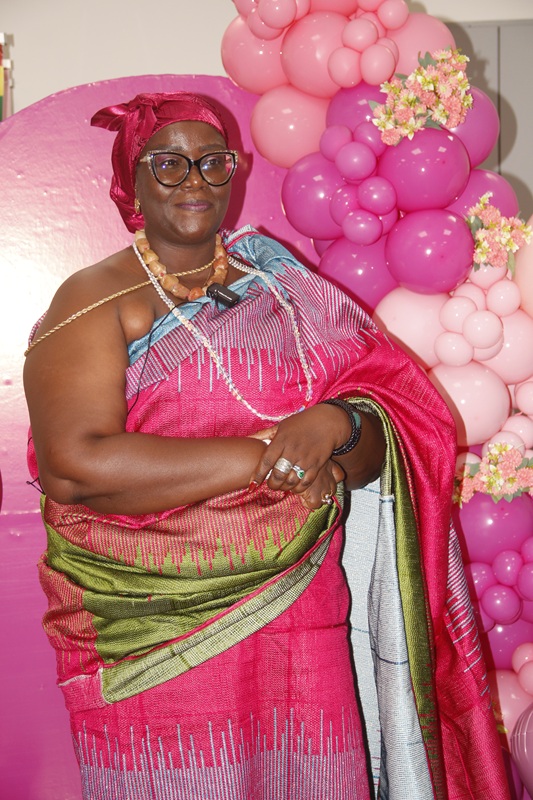
Women have been asked not to dismiss painless lumps in the breast, as the absence of pain does not mean a lump is harmless.
A Specialist Radiation Oncologist at the Korle-Bu Teaching Hospital, Dr Mary Ann Dadzie, said women should seek medical attention promptly whenever they noticed any unusual changes in the breast.
“A painless lump is not a harmless lump. You need to take action and not wait for pain,” she said.![Prof.Dr.Grace Ayensu-Danquah [middle] launching of Breast Cancer Awarencss Mouth with Dr.Caroline Reindorf Amissah[second from right] and other officials Photo Okai Elizabeth.](https://spectator.com.gh/wp-content/uploads/2026/10/Prof.Dr_.Grace-Ayensu-Danquah-middle-launching-of-Breast-Cancer-Awarencss-Mouth-with-Dr.Caroline-Reindorf-Amissahsecond-from-right-and-other-officials-Photo-Okai-Elizabeth.jpg)
Dr Dadzie made the call at the 2026 national launch of Breast Cancer Awareness Month, held on the theme, “early action, better outcomes.”
She expressed concern that about 45 per cent of breast cancer patients seen at Korle-Bu failed to return after starting treatment.
According to her, some patients began treatment but later stopped reporting to the hospital, leaving health professionals uncertain about their wellbeing.
She attributed the situation to several factors, including fear of death, financial difficulties, long distances to health facilities, lack of time and stigma.
Dr Dadzie urged women to know their breasts and seek medical attention within two weeks of noticing any abnormality.
She said warning signs could include a lump or thickening in the breast or armpit, changes in breast size, an inverted nipple, nipple discharge and changes in the skin, including redness, sores or an orange-peel appearance.
She cautioned women not to assume they were safe simply because they had no family history of breast cancer, explaining that only about five to 10 per cent of women with the disease had a familial or genetic mutation.
Dr Dadzie encouraged women to undergo regular clinical breast examinations and discuss appropriate screening options, including mammography and ultrasound, with health professionals.
She also called on families, particularly husbands and partners, to support women who needed breast examinations or treatment.
“Home is where the support begins,” she said, urging families to provide practical assistance such as transportation and childcare.
Dr Dadzie further appealed for breast cancer services to be brought closer to communities through increased access to mammography, ultrasound and biopsy services, as well as the training of more health professionals.
The Deputy Minister of Health, Prof. Dr Grace Ayensu- Danquah, said breast cancer remained a major health concern among women in Ghana, with an estimated 4,650 new cases and about 2,060 deaths recorded annually.
She said Ghana’s breast cancer response focused on prevention, early detection, equitable access to treatment and compassionate care.
Dr Ayensu-Danquah said the country was working to strengthen awareness, clinical breast examinations, referral systems, pathology and diagnostic services to improve breast cancer outcomes.
The World Health Organisation (WHO) representative, Dr Joana Ansong, said too many women continued to present with advanced breast cancer, resulting in avoidable suffering and deaths.
She called for stronger health education, timely diagnosis, rapid referral and equitable access to comprehensive treatment and support.
Dr Ansong said breast cancer awareness should move beyond campaigns to sustained action involving government, communities, health professionals, civil society organisations, the private sector and families.
By Esinam Jemima Kuatsinu
Authorities of Percheyire R/C Basic School in the Yilo Krobo District of the Eastern Region are concerned about the safety of teachers and learners of the school, as reports of the condition of the structure appear to have fallen on deaf ears.
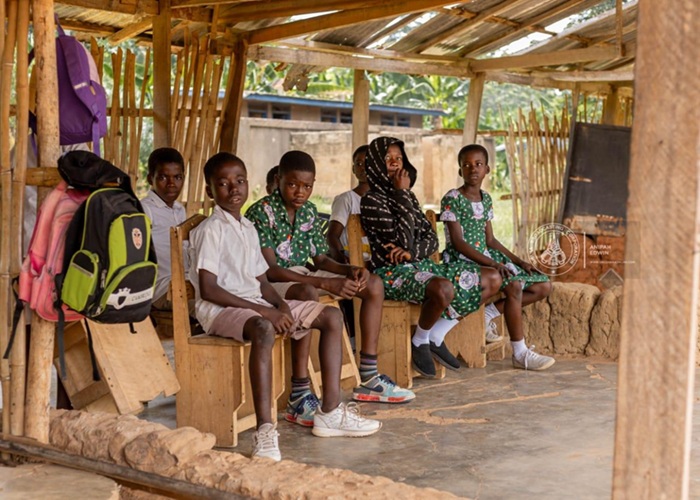
The ramshackle classroom structure looks like one that could cave in in the case of a heavy storm and, according to the teachers, teaching and learning become impossible when the rains set in.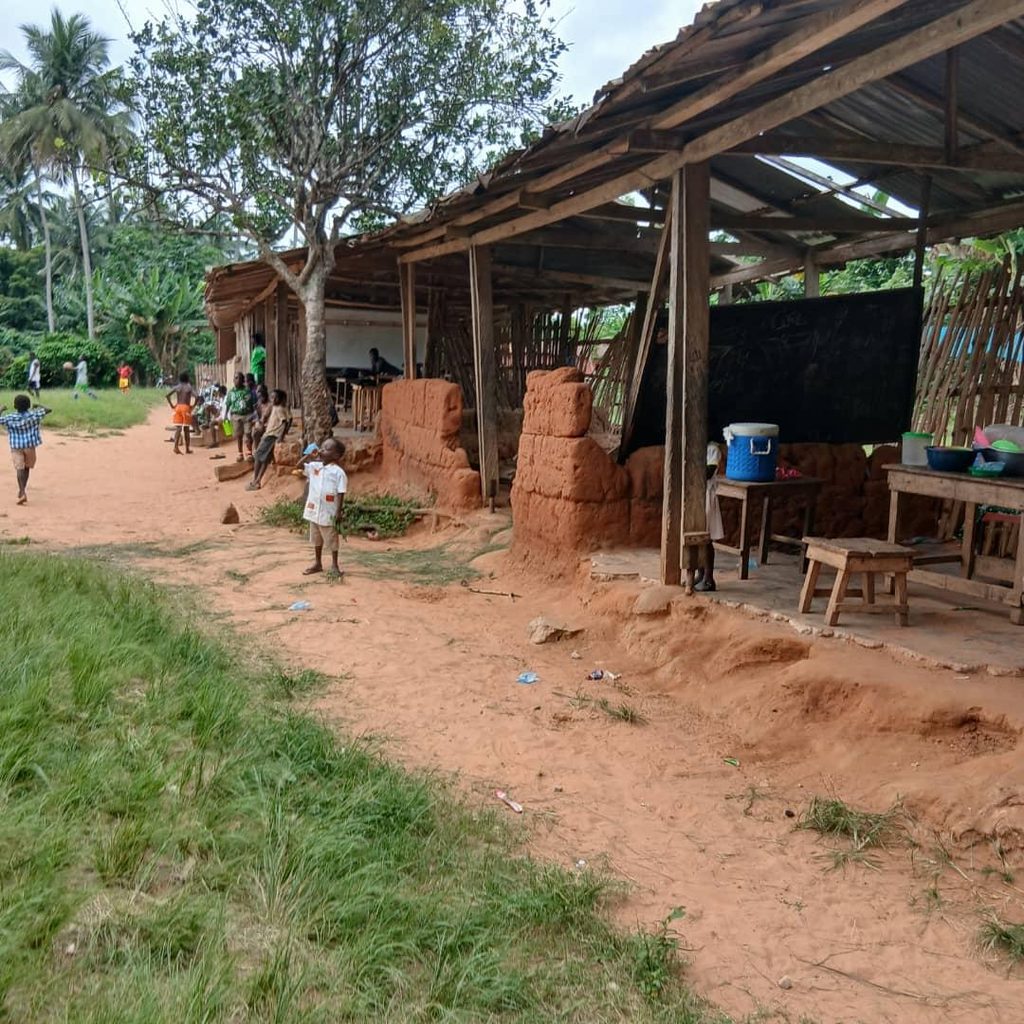
The structure, which accommodates pupils from Primary Four to Six, has worn-out roofing sheets, mud walls and sections supported by wood used as pillars.
A source at the school, who requested anonymity, told The Spectator in an interview that the situation was particularly difficult during the rainy season.
“When it rains, it means teaching and learning would come to an end,” he said.
The source explained that the challenge affected only the upper primary section, as pupils from Kindergarten to Primary Three were housed in a relatively better block.
According to the source, about 30 pupils from Primary Four to Six currently use the dilapidated structure, but expressed grave concern about its condition.
The source, however, said that the safety of the pupils, their furniture and books remained a concern, particularly during heavy rains.
The source said the situation had been reported to the relevant authorities and was hopeful that the structure would eventually be reconstructed.
Some pupils sitting in one of the classrooms
Despite the visit to the school, authorities indicated that work would be undertaken, but the school was yet to receive further information on when the project would begin.
The source also identified the poor road network to the school as another challenge affecting enrolment, saying the school serves pupils from Percheyire and three neighbouring communities.
It also emerged that an enrolment drive embarked upon in one of the communities, Togodo, showed that more than 60 school-going children lived in the community, but were unable to attend the school regularly because of the distance and poor road.
The school currently has about 110 pupils from Kindergarten through Junior High School, according to the source.
The source said improving both the classroom infrastructure and the road network would help create a more conducive learning environment and potentially improve enrolment.
A former teacher of the school, Rev. Elizabeth Korasare, said she was surprised to find the structure still in use after 38 years.
“I was surprised to see that the classroom I sat in 38 years ago is in the same state. Even though there are some new blocks, the upper primary is still housed in that same dilapidated structure,” she told The Spectator.
She therefore appealed to the relevant stakeholders to support the school by building a modern structure and improving the road network.
By Esinam Jemima Kuatsinu
SKIP THE QUEUE, TAP THE NEWS
You can now read the Ghanaian Times and The Spectator newspapers from the comfort of your device via TimesNewsPlus.
Join our WhatsApp Channel: https://whatsapp.com/channel/0029VbBElzjInlqHhl1aTU27