News
COTA moves to tackle insecurity, leadership disputes in Teshie

THE Coalition of Teshie Associations (COTA) has announced plans to address longstanding leadership disputes and security concerns in the Teshie community while promoting peace and youth empowerment ahead of the 2026 Homowo Festival.
The coalition said the initiative formed part of efforts to foster unity among the five quarters of Teshie, namely Kle Musum, Lenshie, Agbawe, Krobo, and Gbugbla.
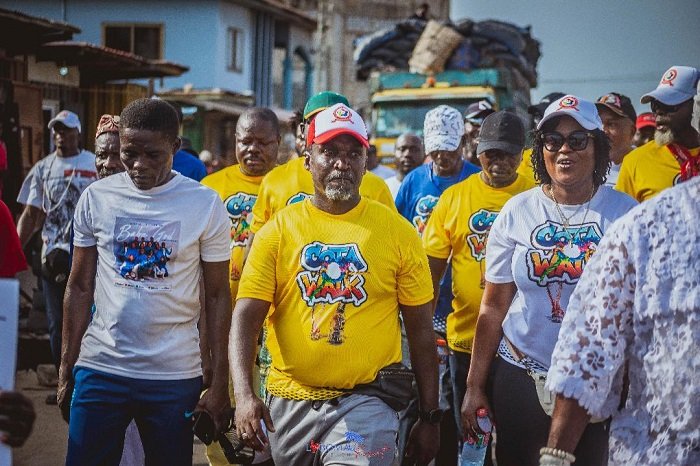
The announcement was made during a unity walk, organised in collaboration with COTA and Laboma Beach Resort, on Saturday in Accra. The event was sponsored by the Chief Executive Officer (CEO) of the Resort, Dr Albert Tetteh Kwarshie Botchway.
More than 2,000 participants joined the walk through the principal streets of Teshie, starting from the Laboma Beach Resort, to promote peace and highlight the need for harmony within the community.
Addressing the gathering, Dr Botchway said peace among the youth was essential for the development of the community. He noted that when young people embraced peace, it creates an enabling environment for development and improved social interventions in the area.
He also indicated that several activities had been planned to promote unity and harmony in the community ahead of the Homowo Festival in August 2026. These would include indoor and outdoor games, competitive sports among community groups, and weekly peace messages broadcast through the public address system.
In his remarks, the Chairman of COTA, Alfred Amarh Lienks, explained that the leadership disagreements among the various quarters had in the past created uncertainty for investors and organisations seeking to support development in Teshie. He, however, stated that the situation was not driven by ill intent but rather by the desire of different leaders to see development in the community.
According to him, the coalition was working to strengthen coordination among community leaders to create a more unified front for development initiatives. To address the situation, he revealed that the coalition was establishing a task force that would be stationed at key junctions in the community to enhance security and protect both residents and ride-hailing drivers.
Meanwhile, the Kpeshie Divisional Commander, ACP Emmanuel Odonkor Baah, urged the youth to stay away from violent activities and support efforts to maintain peace in the community.
By Stephanie Birikorang


THE East Legon enclave in the Greater Accra Region is noted for housing the influential and affluent in society.
The area is synonymous with luxury mansions and ‘big-time’ businesses.
But within the same territory lies ‘Mempeasem,’ a community with a striking contradiction; it tells a totally different story.
‘Mempeasem’ translates from Twi, a local dialect, to “I don’t want trouble,” but the reality, however, is that the neighborhood is currently defined by a troubling disconnect between the admired reputation and its deteriorating infrastructure.
After publishing concerns expressed by a student in its ‘Write to the Editor’ column, The Spectator followed up to present detailed scenes of the sanitation problems in the area.

Residents are increasingly vocal about the lack of drainage systems, a deficiency that turns moderate rainfall into a logistical nightmare.
Without engineered channels for runoff, water settles in stagnant pools, eventually eroding roads.
The irony is sharp: billion-cedi homes often stand adjacent to clogged gutters and makeshift refuse sites.
The lack of public sanitation facilities and a centralised sewage system means that the environmental health of the area is constantly under threat, undermining the quality of life for its high-net-worth inhabitants and local workers alike.
Beyond waste and water, the community faces a broader infrastructure deficit.
Concerns about the prevalence of wooden structures in close proximity to refuse dump sites, where waste material is burnt, were raised; it’s a recipe for disaster.
The situation in Mempeasem is detrimental to public health and safety and serves as a wake-up call for urban planners and local authorities.
By Spectator Reporter
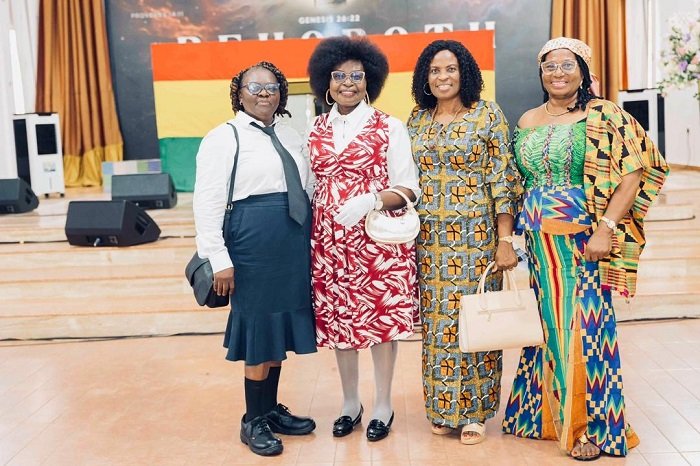
REDEEMED Baptist Church (RBC), located at Ogbojo in the La Nkwantanang–Madina Municipal Assembly (LANMMA), Madina, has marked its Old School Sunday as part of its Ghana Month celebrations, with members beautifully dressed in vintage and free-style African attire.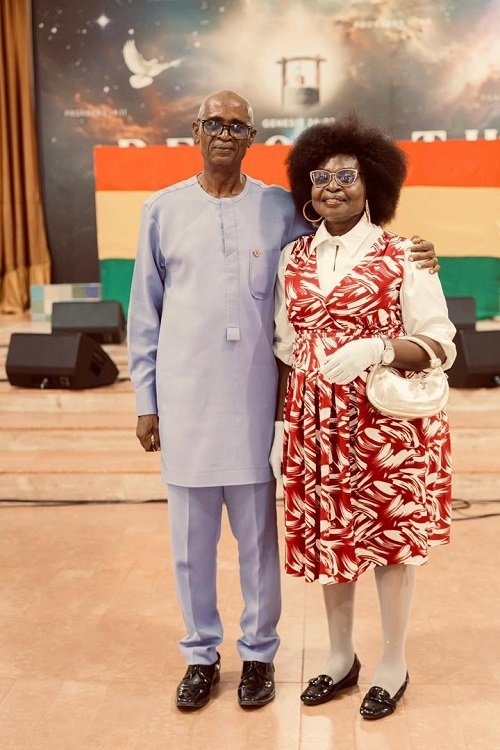
The service featured a sermon on “The Role of the Church in Nation Building and Economic Development,” highlighting the church’s vital role in shaping values, promoting integrity and contributing to national growth.
The celebration seamlessly blended culture and faith, reinforcing the impact of Christian living on Ghana’s development.
RBC has dedicated the month of March to the celebration of Ghana, a period of reflection on the nation’s heritage and the role of Christian values in national development.
Led by the Pastorate and organised by the church’s Ghana Month Committee, the initiative brings together members of the congregation to celebrate Ghana’s culture while examining how faith can positively influence patriotism, leadership, and community life.

The celebration is being held under the theme: ‘Making Room for Jesus in Our Culture and Tradition for Nation Building.’
Throughout the month, Sunday teachings focus on topics such as Christianity and Patriotism, Christianity in the Context of Our Culture and Tradition, The Role of the Church in Nation Building and Economic Development, Transforming the Nation through a Transformed Lifestyle, and The Impact of Our Mother Tongue in Interpreting the Great Commission.
The members of the Ghana Month committee are Rev. Abu Ibrahim, Senior Associate Pastor of RBC; Mrs Audrey Azinogo, Chairperson; Ms Sackeybea Botchway, Organiser; Mr Maxwell Kofi Alorwornu, Mr Bright Nyarko Obeng, Mr Witfield Kwablah, and Mr Emmanuel Som Ntow.
By Spectator Reporter