News
Consortium of NGOs from five West African countries call for an end to FGM

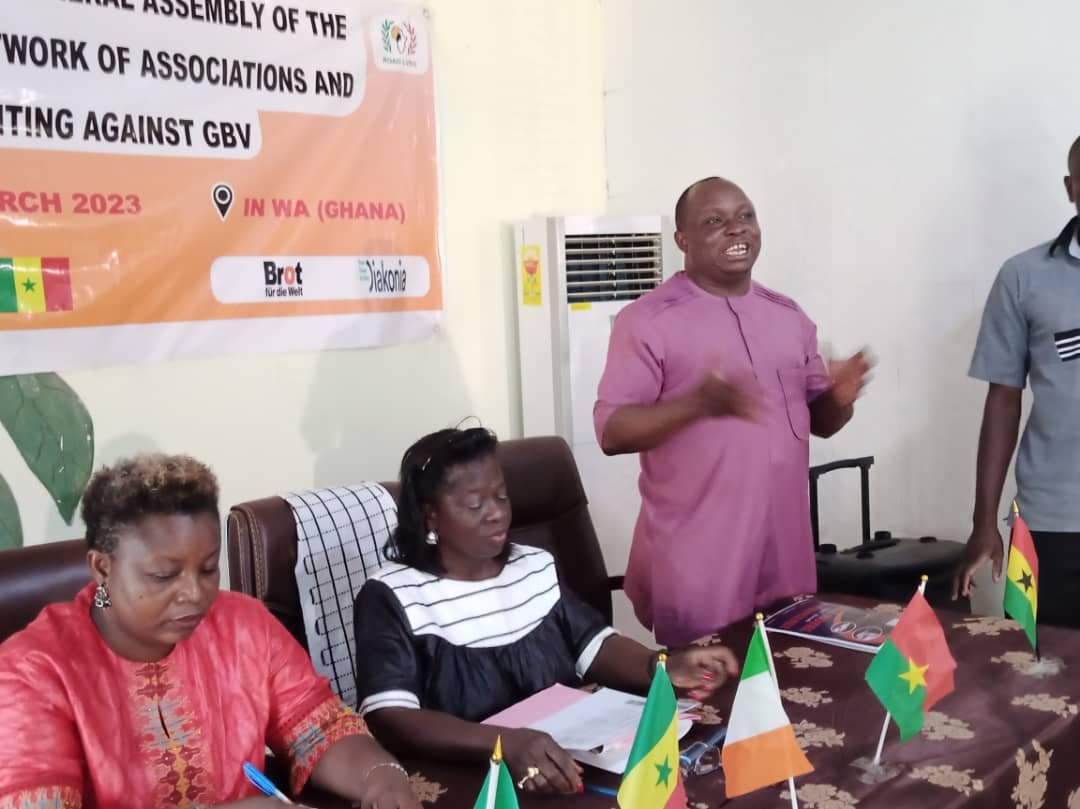
A consortium of non-governmental organizations working in the field of gender-based violence (GBV) from five West African countries on Tuesday held their second ordinary meeting in Wa in the Upper West Region with a call for an end to female genital mutilation (FGM) to restore the dignity of women and also protect their sexual rights.
Christened the West African Network of Associations and NGOs Fighting Against GBV, the consortium consists of countries namely Ghana, Senegal, Mali, Burkina Faso and Cote D’Ivoire.
The Vice President of the Network, Mr Salifu Kanton who is also the Executive Director of the Community Development Alliance (CDA) said the network was formed to foster unity and harmonise interventions and efforts dedicated to fighting FGM across the West African sub-region.
He explained that the practice which was common among residents of border towns would only go extinct if the partners worked together to ensure that FGM was not migrated to other countries.
“We share cross-border similarities and cross-border challenges that affect all of the sub-regions so NGOS within the sub-regions came together in 2019 after a meeting in Cote D’Ivoire to influence change and impact communities to address sexual and gender-based violence with a particular focus on eliminating FGM”, he said.
Mr Kanton expressed that since the countries shared common traits such as local languages, socio-cultural networks and arrangement as well as belief systems, the network was necessary to ensure that people who would want to leave the region to another country to perpetrate the act were identified and stopped.
“People no longer do the cutting in the open because of the criminalisation of the practice but FGM is still prevalent because of certain social norms and cultural beliefs”, he stated.
One of the key measures adopted by the Network, he noted was to identify the circumcisers who were mostly women, persuade them to abandon the practice and use them as ambassadors to drive the change after issuing them certificates and awards for stopping the practice.
“We are not looking at getting people prosecuted but getting them to accept that what they are doing is bad and has health implications and implications on the dignity of the girls”, he said.
He mentioned that the meeting was to review the work done by the respective organisations in each member country towards eliminating FGM in line with the United Nations timeline of 2030.
“Our contribution is to try and accelerate the pace and make sure that no girl living in the West African sub-region is subjected to this inhuman practice and we do this by sharing experience and tracking the gains; especially on our porous borders so that if Ghana is making effort, the circumcisers do not cross to Burkina Faso and vice versa”, he explained.
He added that with the rise in violent extremism in these countries, they were also looking at alternative ways to bring calm without resorting to a military approach which according to him had failed in addressing the conflicts and had rendered people more alienated and vindictive.
“We believe in social cohesion, fostering peacebuilding and accepting differences to reduce radicalization of young people into extremist groups; CDA for instance is empowering women through networking for peacebuilding by targeting female leaders in communities to become peace ambassadors to address the underlying causes of radicalization “, he added.
Some participants in Mali and Burkina Faso who shared their work said they were helping to rehabilitate people affected by violent extremism but said the insecurity and tensions had affected community engagement as well as donor support for their activities.
FROM LYDIA DARLINGTON FORDJOUR, WA

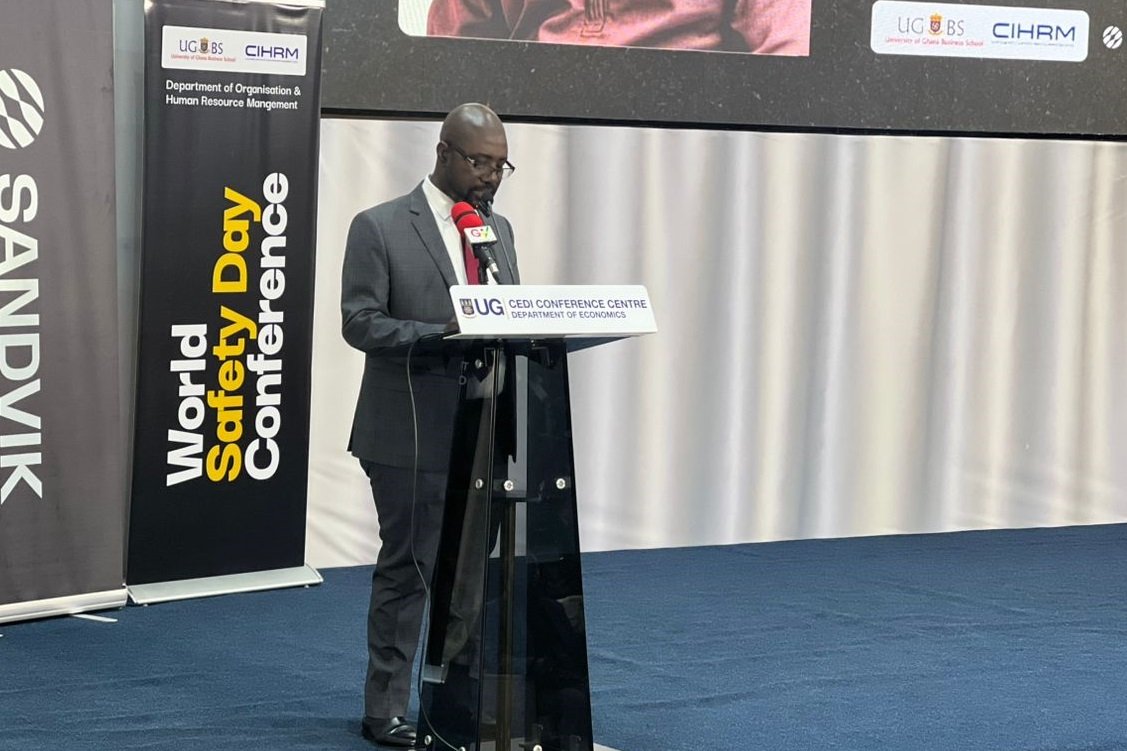
The Ghana Tourism Development Company Limited (GTD) in collaboration with the Department of Organisation and Human Resource Management, University of Ghana Business School (UGBS) has marked the 2026 World Safety Day Celebration in Accra.
The event held on Tuesday, April 28, 2026 at the Cedi Conference Centre, Legon was under the theme “Good Psychosocial Working Environment: A Pathway to Thriving Workers and Strong Organizations.”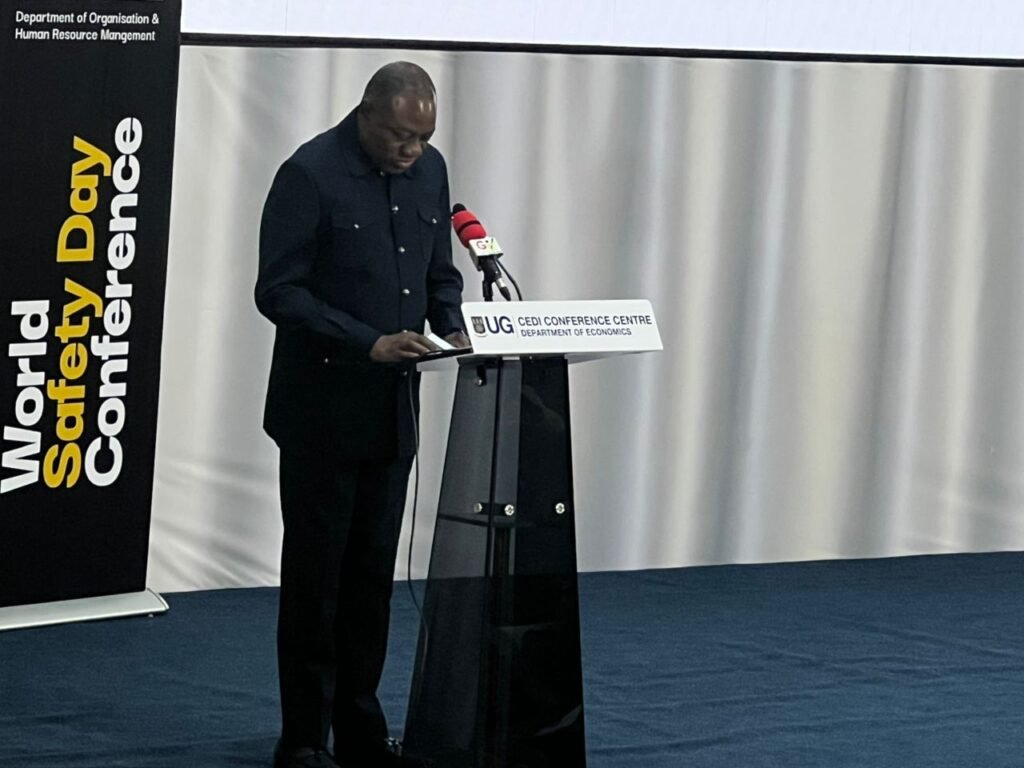
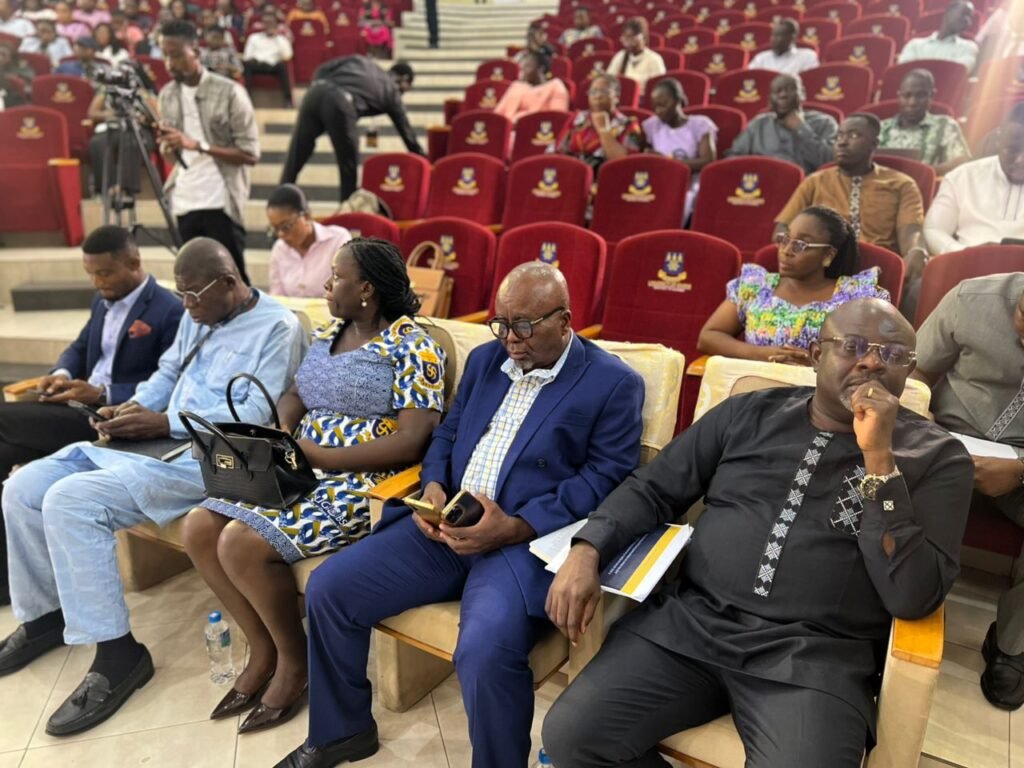
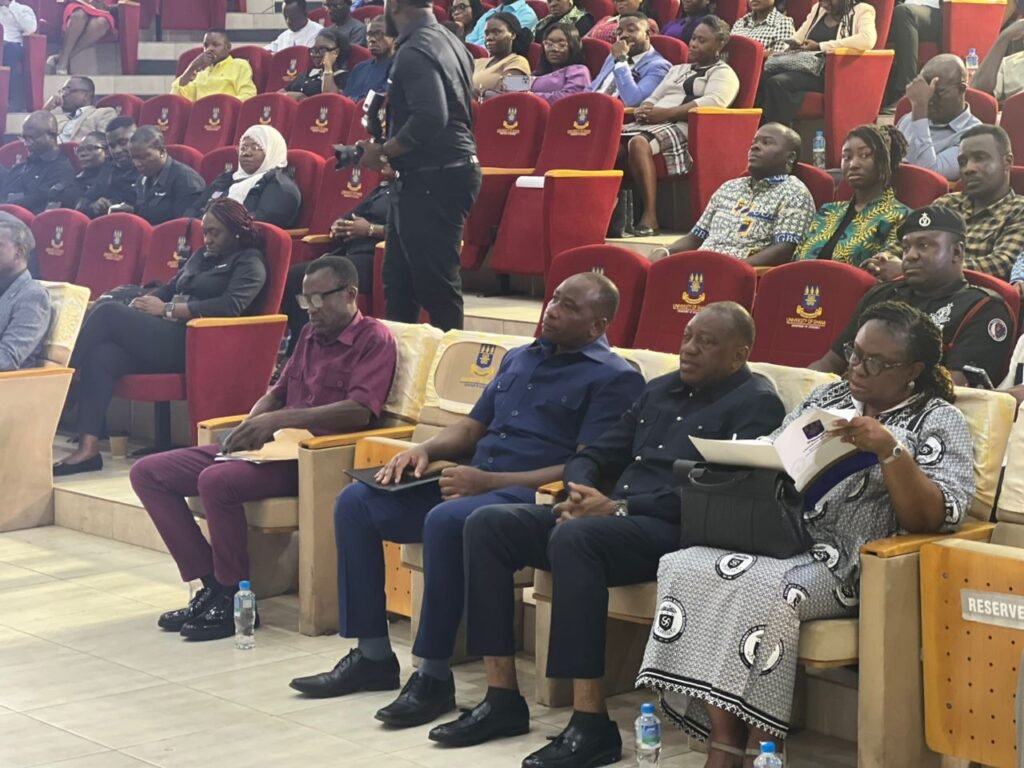
The day is observed globally to promote safe and healthy working conditions and to raise awareness about both physical and psychological risks at the workplace.
The event formed part of efforts by stakeholders to deepen national conversations on workplace safety, particularly the growing concern about psychosocial well being.
In his keynote address, the Minister for Labour, Jobs and Employment, Dr Abdul Rashid Hassan Pelpuo stressed that workers must not be treated as machines but as human beings with dignity, rights and families.
He explained that unsafe work environments marked by fear, harassment, intimidation and excessive pressure reduce productivity and weaken organisations.
He noted that although physical hazards such as faulty equipment and unsafe buildings remain a concern, psychological risks including excessive workload, bullying, job insecurity and toxic communication are equally dangerous and must be addressed.
According to him, psychological hazards are real, measurable and preventable, and should be treated with the same urgency as physical risks.
He maintained that safe and healthy working conditions are not a luxury but a fundamental right that supports productivity and social justice.
Dr Pelpuo further stated that the government remains committed to strengthening occupational safety and health systems, adding that worker wellbeing is a core responsibility of leadership and not a public relations issue.
He urged employers to create environments where dignity is protected, and workers are empowered to speak without fear.
The Dean of University of Ghana Business School, Prof Ernest Y Tweneboah Koduah noted that the school is committed to shaping a better world of work that is equitable, productive and sustainable.
He announced that the school has secured accreditation from the Ghana Tertiary Education Commission to introduce a programme in organisational health and safety.
He explained that gaps in workplace safety in Ghana are linked to weak enforcement, underreporting and limited professional training.
He added that the new programme will equip graduates with the skills to prioritise employee wellbeing as a key organisational responsibility.
Prof Tweneboah Koduah urged organisations to assess psychosocial risks, invest in human resource capacity and create environments where workers can openly discuss mental health concerns.
He emphasised that collaboration between academia and industry is essential to addressing workplace safety challenges.
Delivering remarks on behalf of the Vice Chancellor, the Registrar of the University of Ghana, Emelia Naa Kwantsua Agyei Mensah described the event as historic, noting that it is the first time the university is marking the global observance.
She explained that the focus on psychosocial wellbeing reflects current realities in the world of work.
She stated that employee health, including mental and emotional wellbeing, directly affects productivity, morale and institutional performance.
Mrs Agyei Mensah added that the university is committed to creating a safe and supportive environment for staff and students, beyond minimum legal requirements.
She called on leaders to reflect on the kind of workplaces they create and to prioritise the wellbeing of employees.
CEO of the GTDC, Prof Kobby on his part noted that its participation aligns with its commitment under the Riyadh Declaration, which calls on member states to improve infrastructure and public safety, as well as enhance services, transport, connectivity and accessibility.
He indicated that the company intends to use the platform to highlight Ghana’s readiness to implement the declaration, with a strong focus on worker safety and wellbeing as a foundation for sustainable tourism development.
The event brought together policymakers, academics, industry players and students to discuss strategies for improving workplace safety and promoting healthier work environments across the country.
By: Jacob Aggrey
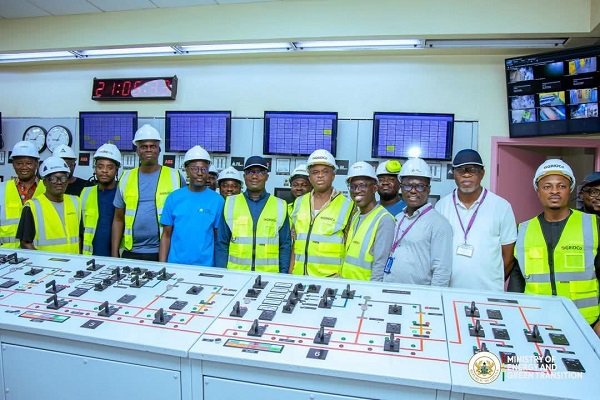
The Minister for Energy, John Abdulai Jinapor, has praised engineers and technical teams working to restore electricity after a fire at the Akosombo Substation disrupted power supply.
He said this after visiting the facility on Monday night to assess ongoing repair works following the incident, which affected the control room and caused the loss of more than 1,000 megawatts of power to the national grid.
During the visit, he interacted with engineers and technicians who have been working continuously under difficult conditions to restore operations.
He said he was impressed by their dedication, courage, and professionalism despite the challenges.
The minister commended the teams for their resilience and sacrifice, noting that their efforts reflect a strong sense of duty and commitment to national service.
He assured them of the government’s full support as they continue with the restoration work.
He also assured the public that authorities are doing everything possible to restore stable electricity supply as soon as possible.
By: Jacob Aggrey