Fashion
A Symbolic Islamic art form celebrating culture, beauty, and spirituality

- /home/u249204778/domains/spectator.com.gh/public_html/wp-content/plugins/mvp-social-buttons/mvp-social-buttons.php on line 27
https://spectator.com.gh/wp-content/uploads/2025/06/ar-3.webp&description= A Symbolic Islamic art form celebrating culture, beauty, and spirituality', 'pinterestShare', 'width=750,height=350'); return false;" title="Pin This Post">
- Share
- Tweet /home/u249204778/domains/spectator.com.gh/public_html/wp-content/plugins/mvp-social-buttons/mvp-social-buttons.php on line 72
https://spectator.com.gh/wp-content/uploads/2025/06/ar-3.webp&description= A Symbolic Islamic art form celebrating culture, beauty, and spirituality', 'pinterestShare', 'width=750,height=350'); return false;" title="Pin This Post">
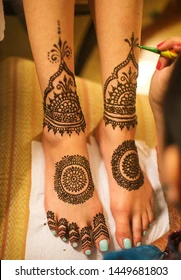
In many Muslim communities across the world, celebrations are not complete without the graceful adornment of stylish art ‘Lele’.
Most commonly associated with detailed henna designs applied to the hands and feet, Lele represents more than decoration; it is a sacred expression of identity, beauty, and belief.
Traditionally, it is most prominently showcased during festive occasions such as Eid celebrations, weddings, and naming ceremonies, where women and girls alike embrace the tradition to mark moments of joy, transition, and spirituality.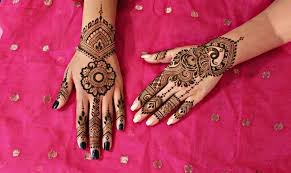
While Lele is often admired for its visual appeal, its significance runs much deeper.
The designs are constructed around Islamic artistic principles, repetitive patterns, calligraphy, and geometric arrangements.
These motifs are not merely decorative; they are symbolic. Patterns may represent eternal life, divine wisdom, interconnectedness, and the infinite nature of Allah.
Some designs include verses from the Qur’an or scriptural allusions, transforming the wearer’s body into a living canvas of spiritual meaning.
Women who wear Lele do so with pride, not just as an enhancement of physical beauty, but as a reflection of their cultural roots and inner faith.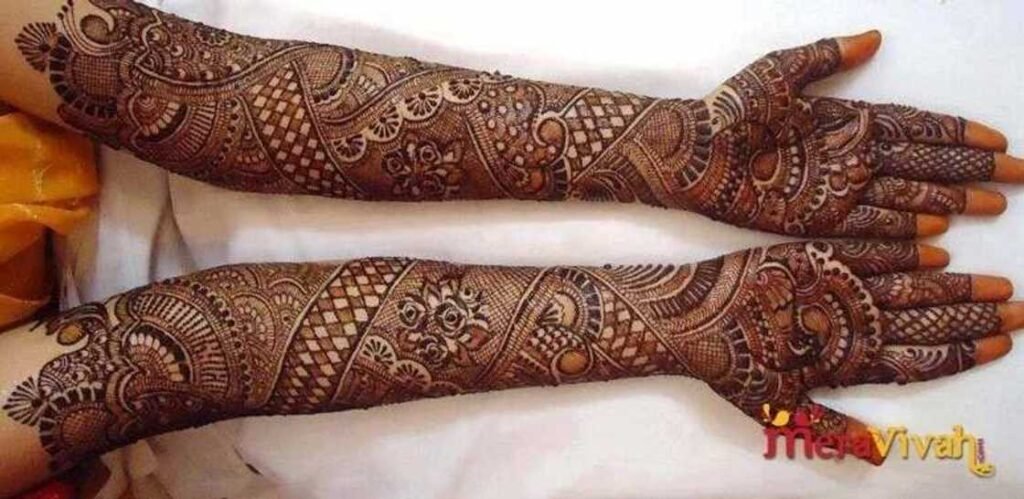
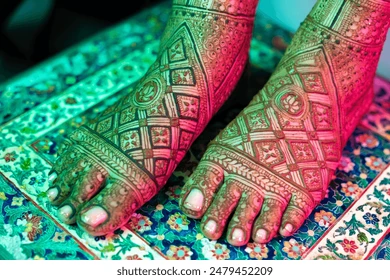
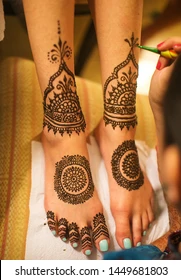

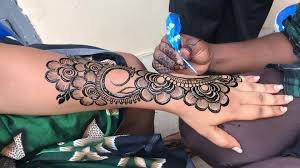
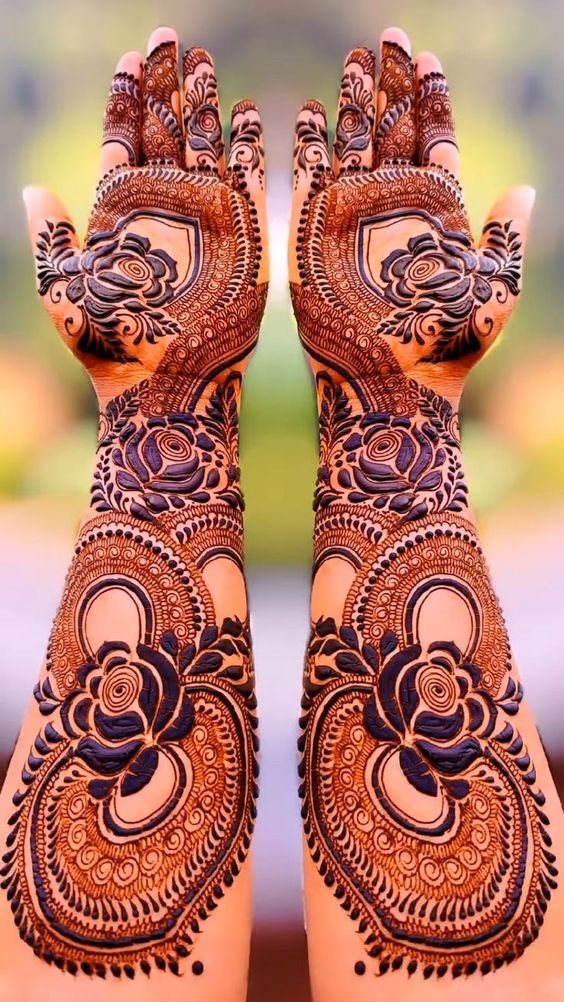
From mothers to young daughters, the practice is passed down like a treasured legacy.
Despite the growing popularity of modern body art, Lele retains its unique cultural importance. It is not just a beauty trend, but a continuing practice that speaks to generations of tradition.
By Georgina Boadiwaa Ntim

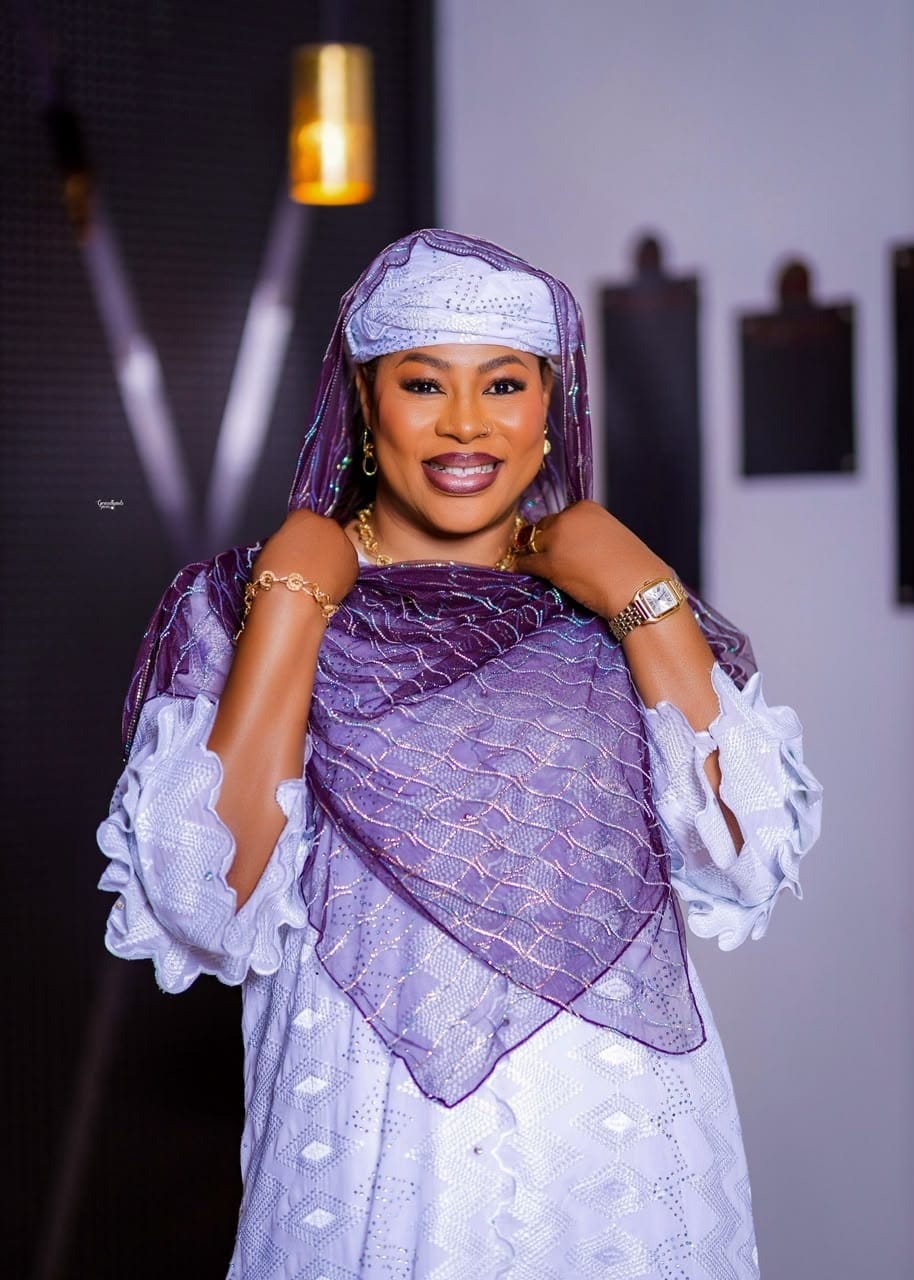
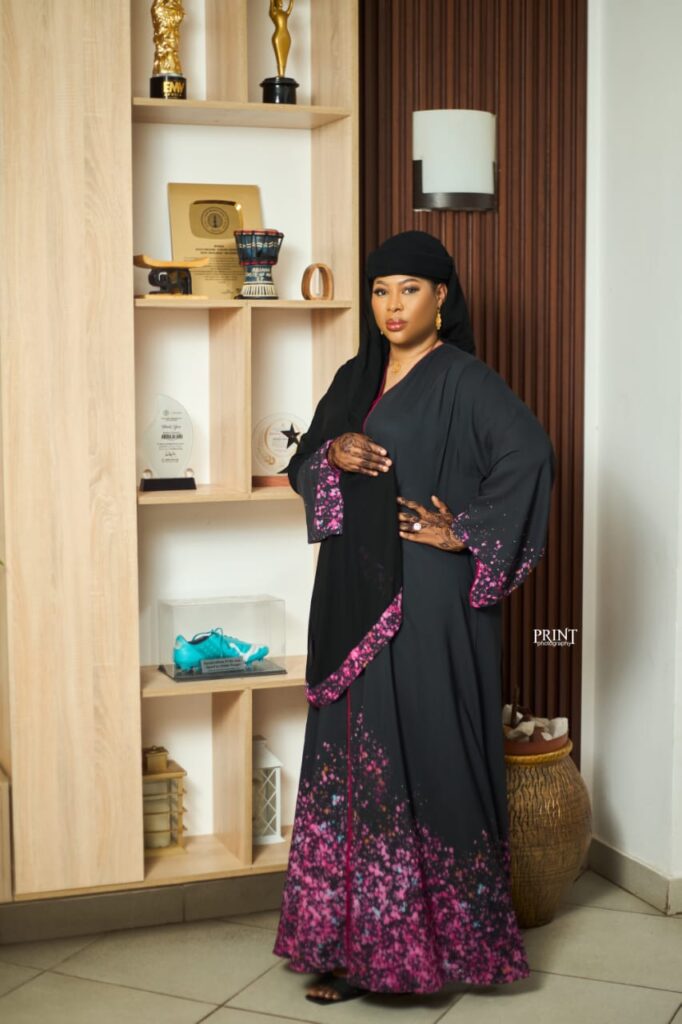
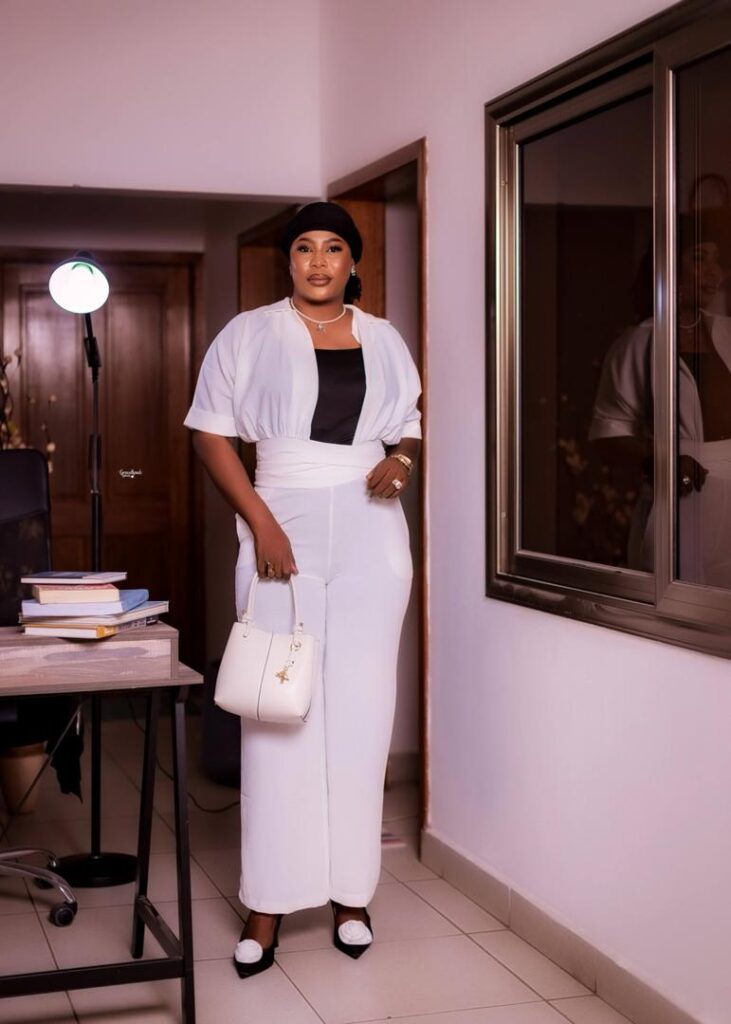
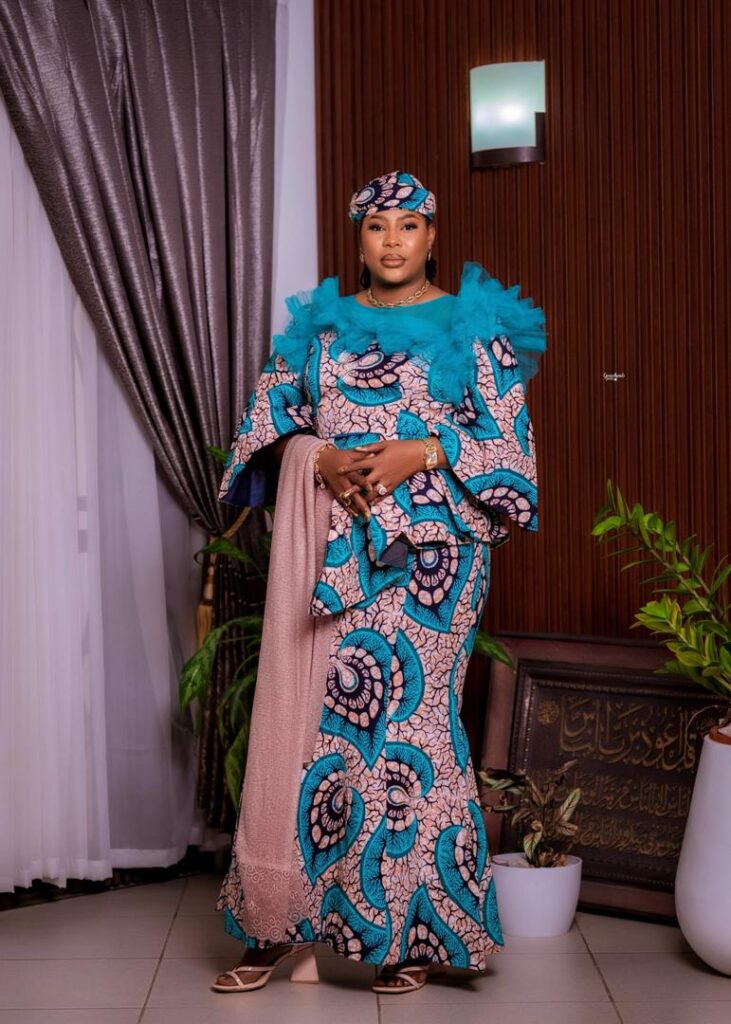
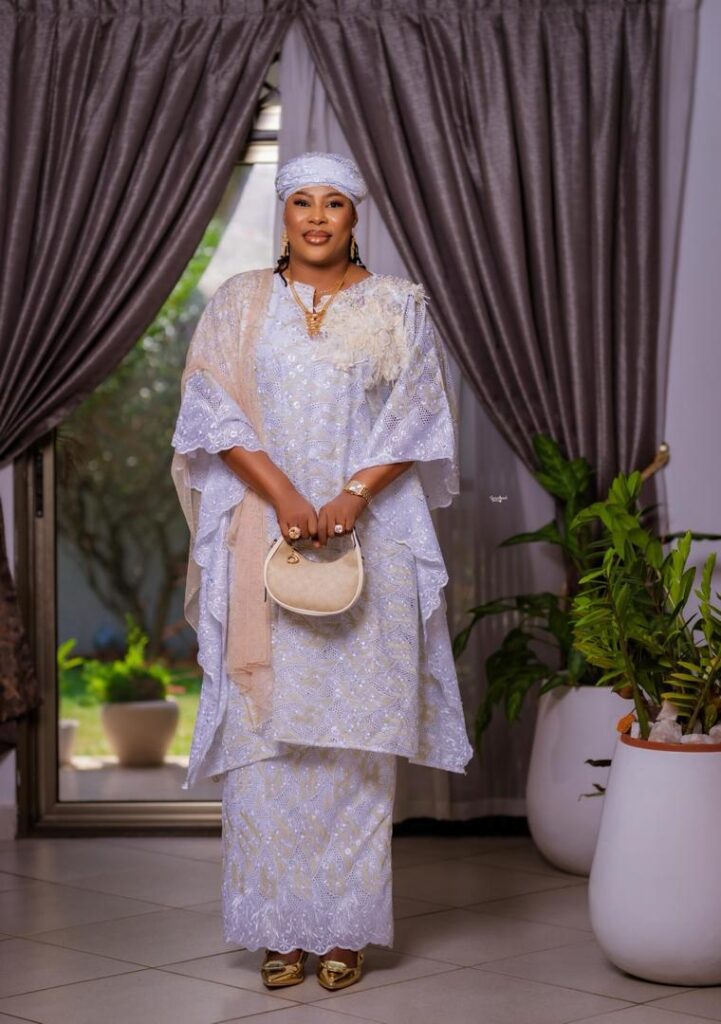
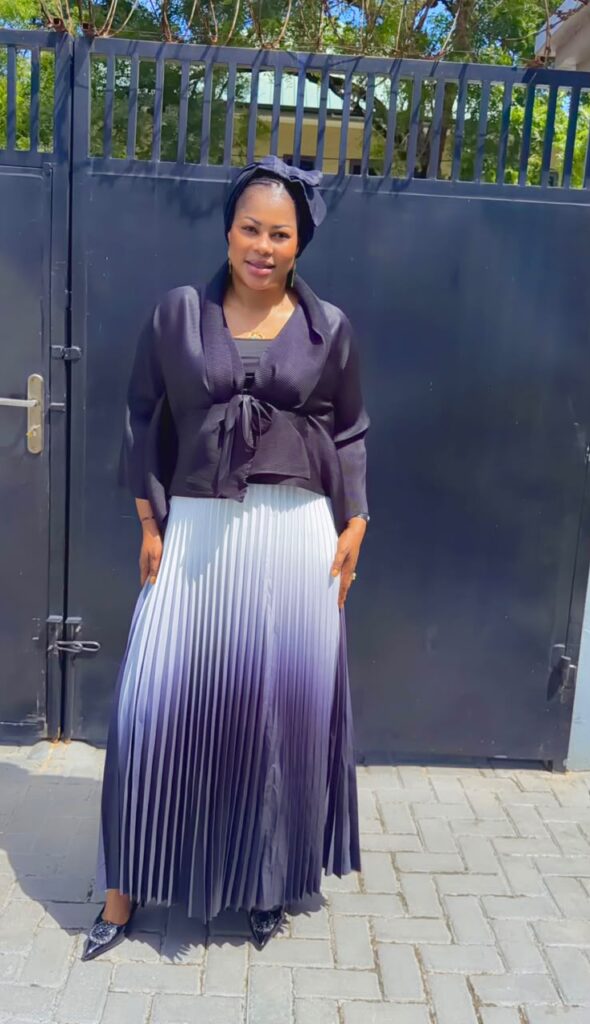
Adiza Ibrahim, is proving what it means to be a modern style icon in Ghana. By day, she commands corporate rooms as a top marketing executive as well as a fashion consultant, boutique owner, and lifestyle strategist.
Her signature looks proves that modesty and high fashion belong on the same runway. She has consistently demonstrated elegance, confidence and a refined sense of fashion in both modern and traditional style.
Adiza is not just a consumer of fashion; she is a critic and an educator. She actively pushes local designers to elevate their craft.
For her, fashion is a tool that demonstrate your cultural identity and make you hold onto your national pride.
Check out some of her outfits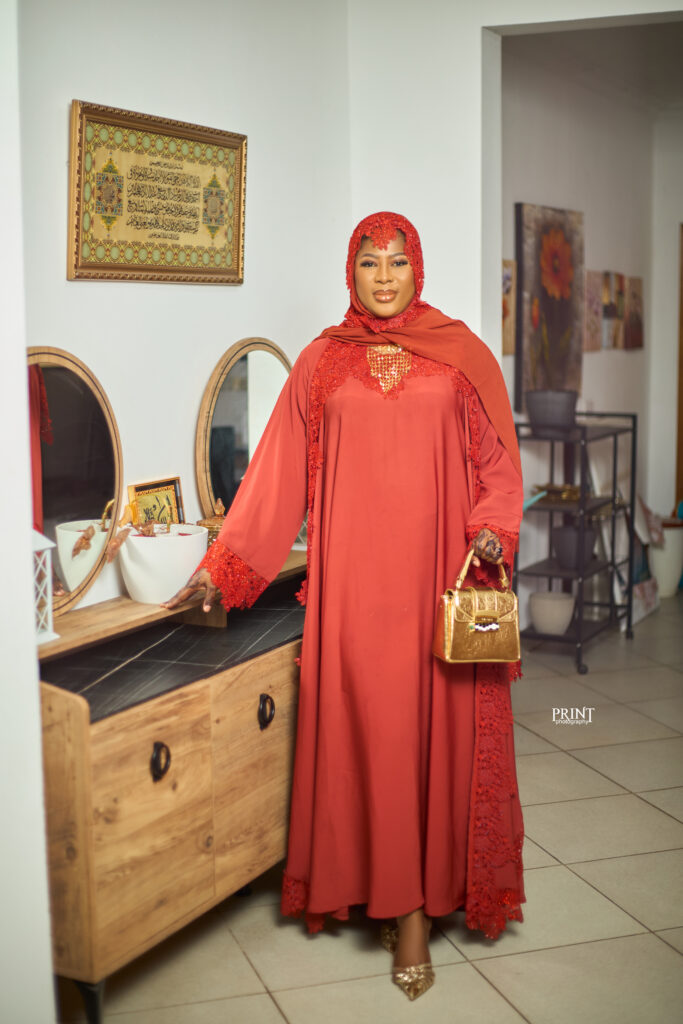
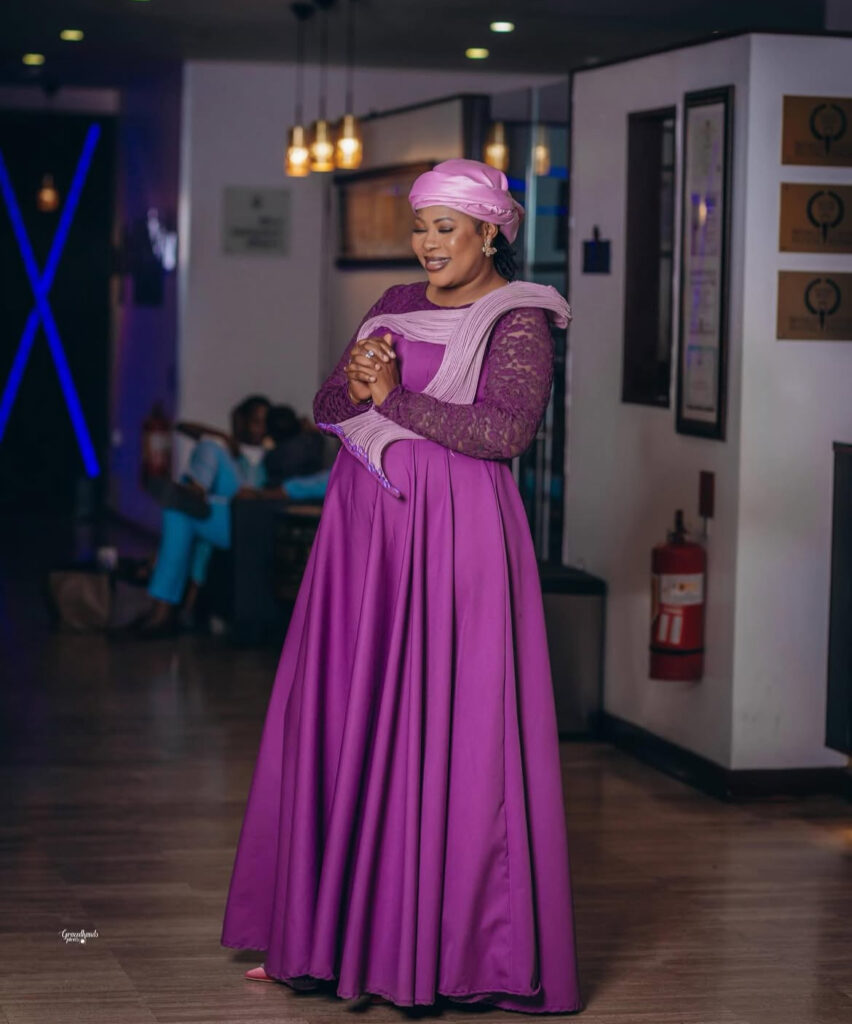
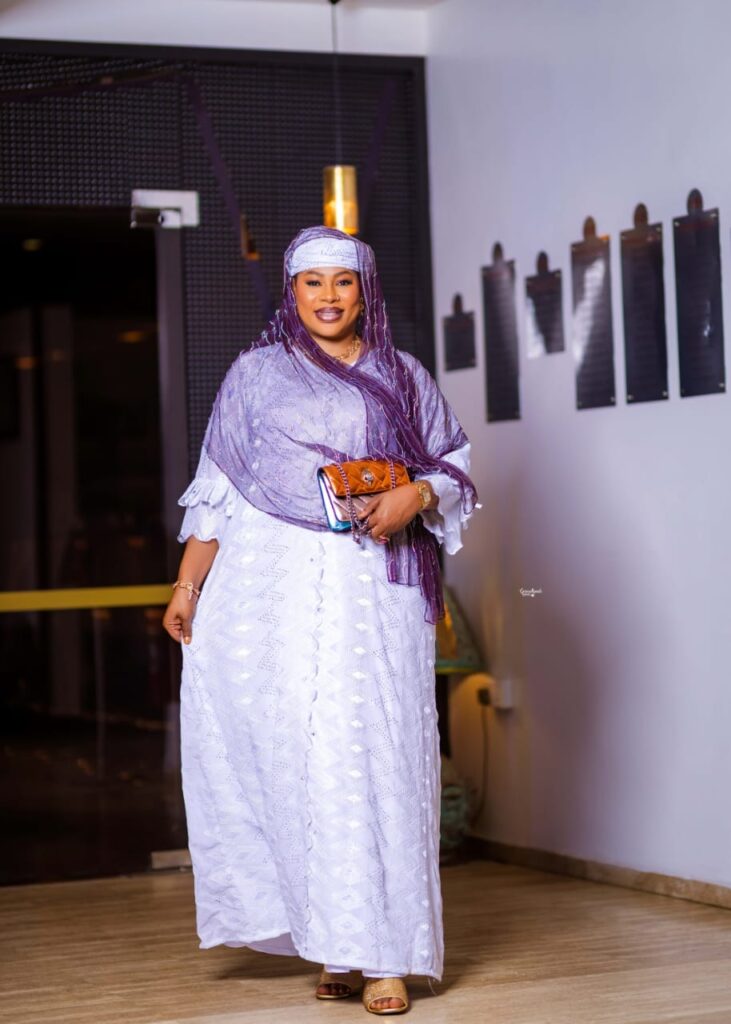
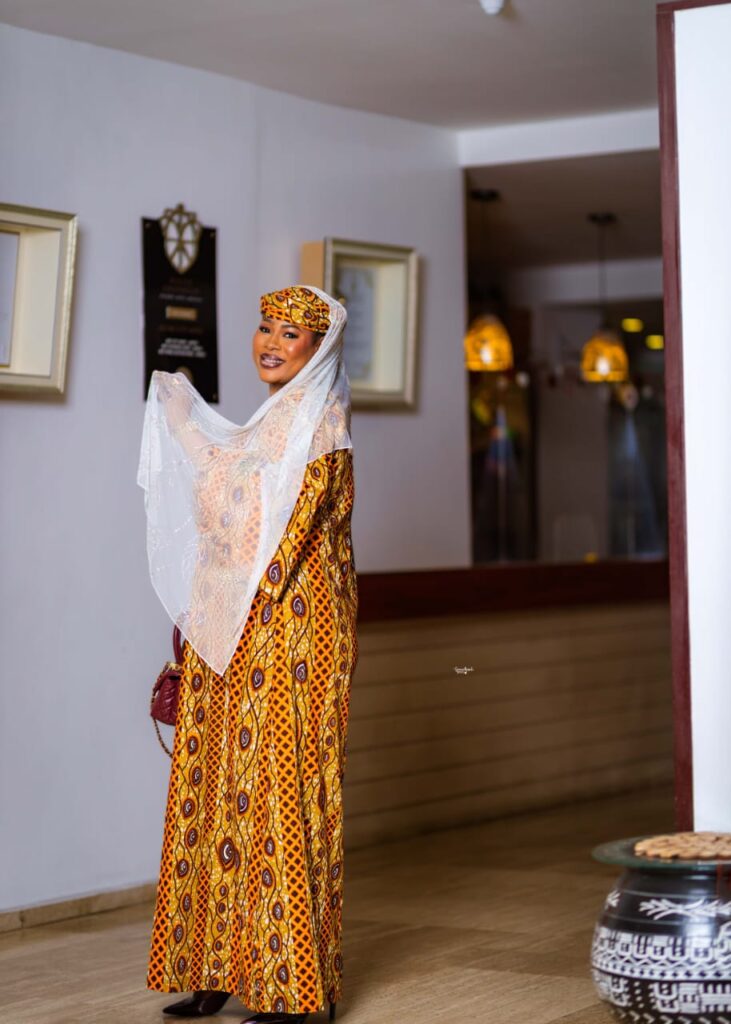
By Desmond Aidoo
SKIP THE QUEUE, TAP THE NEWS
You can now read the Ghanaian Times and The Spectator newspapers from the comfort of your device via TimesNewsPlus.
Join our WhatsApp Channel: https://whatsapp.com/channel/0029VbBElzjInlqHhl1aTU27
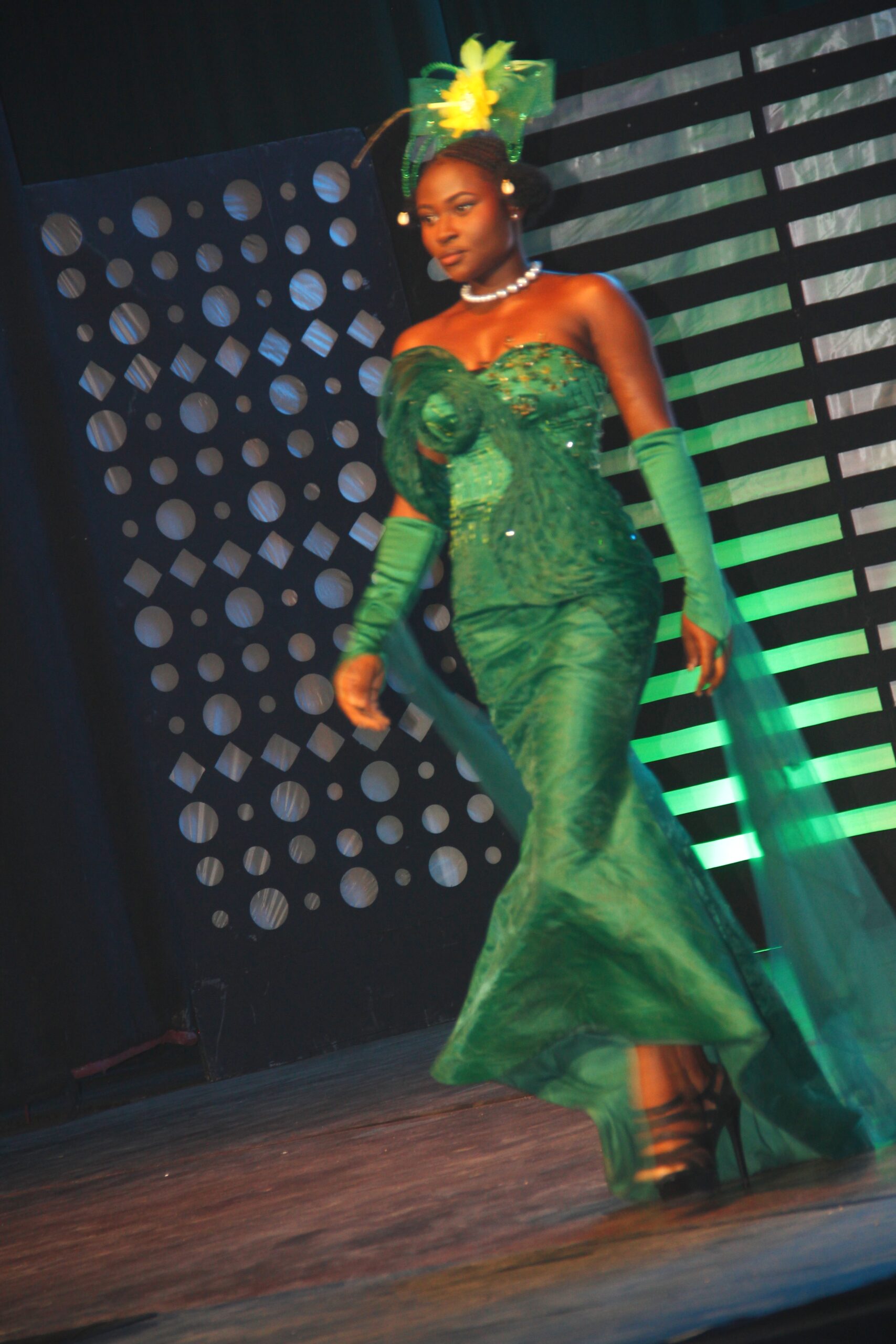
Final-year students of the Accra Technical University (ATU) Department of Fashion Design and Textile Technology on Friday showcased their creativity and craftsmanship in Accra.
The annual event held under the theme: ‘Wear Your Culture: Tradition Meets Modernity,’ saw 366 students showcased various designs as part of their final year practical work.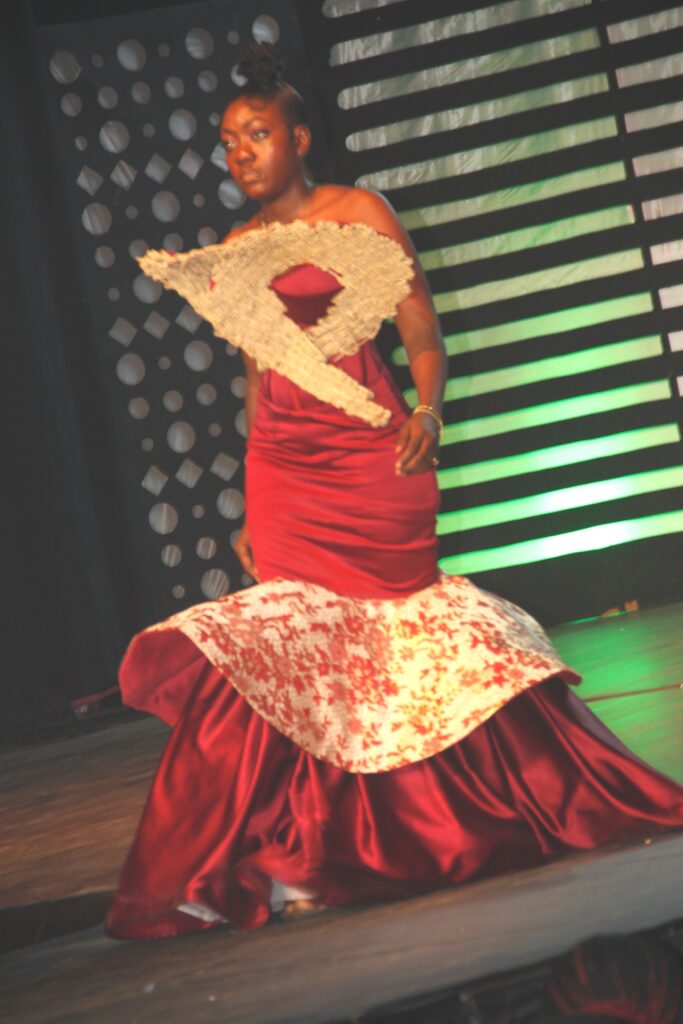
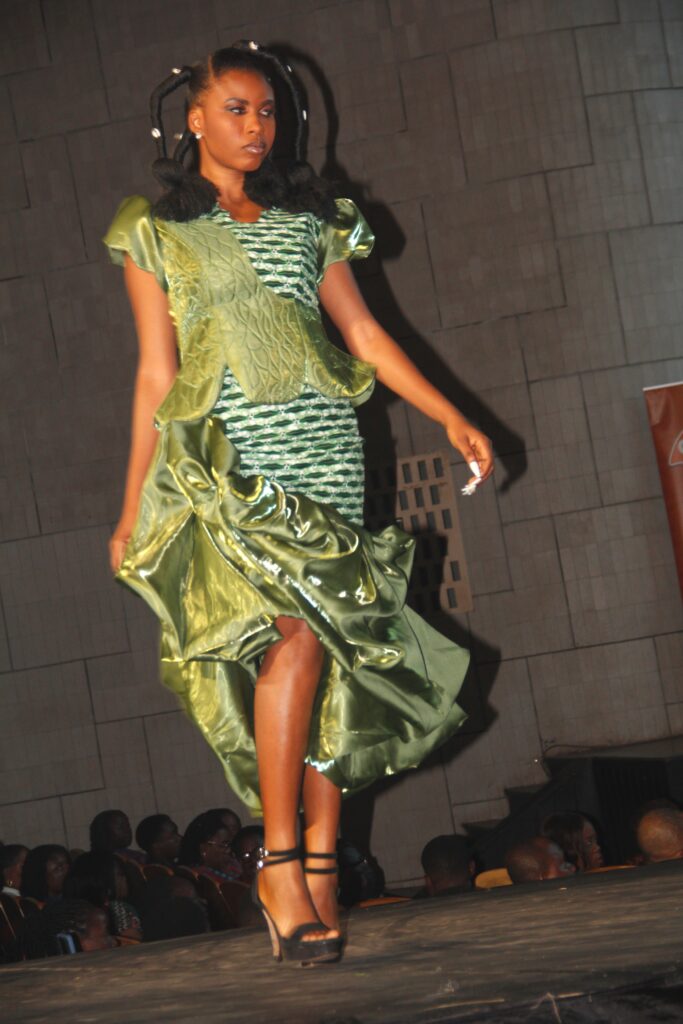
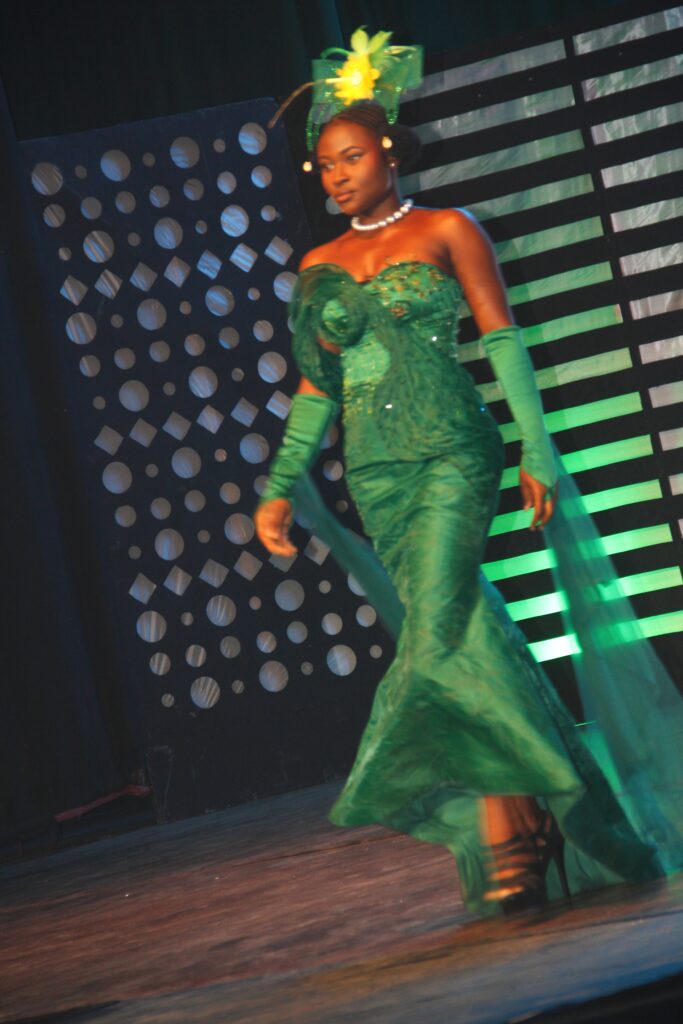
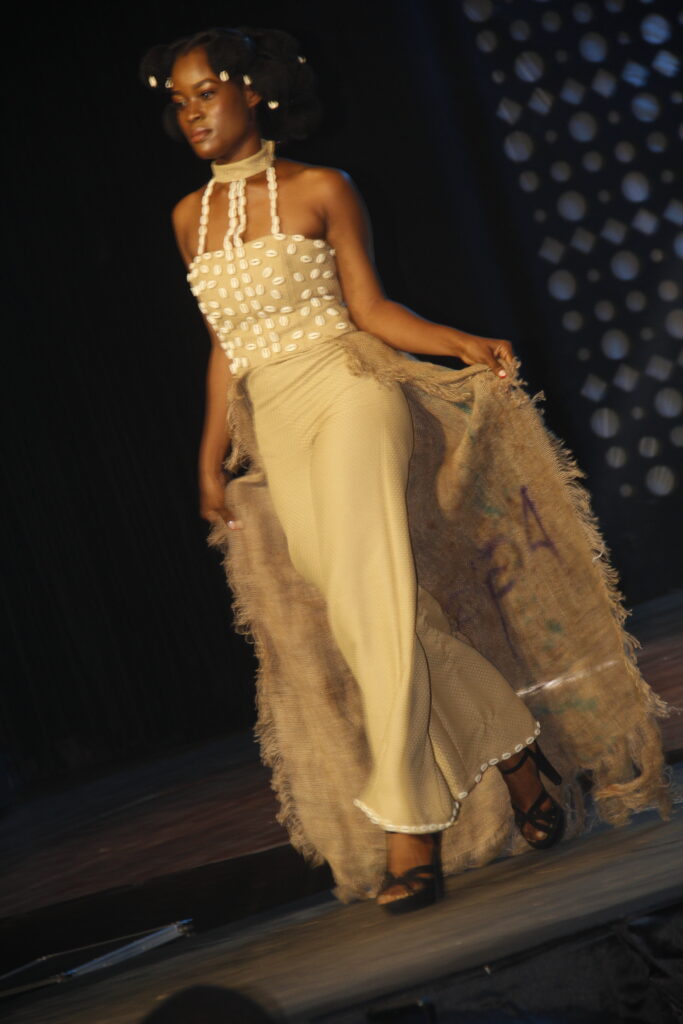
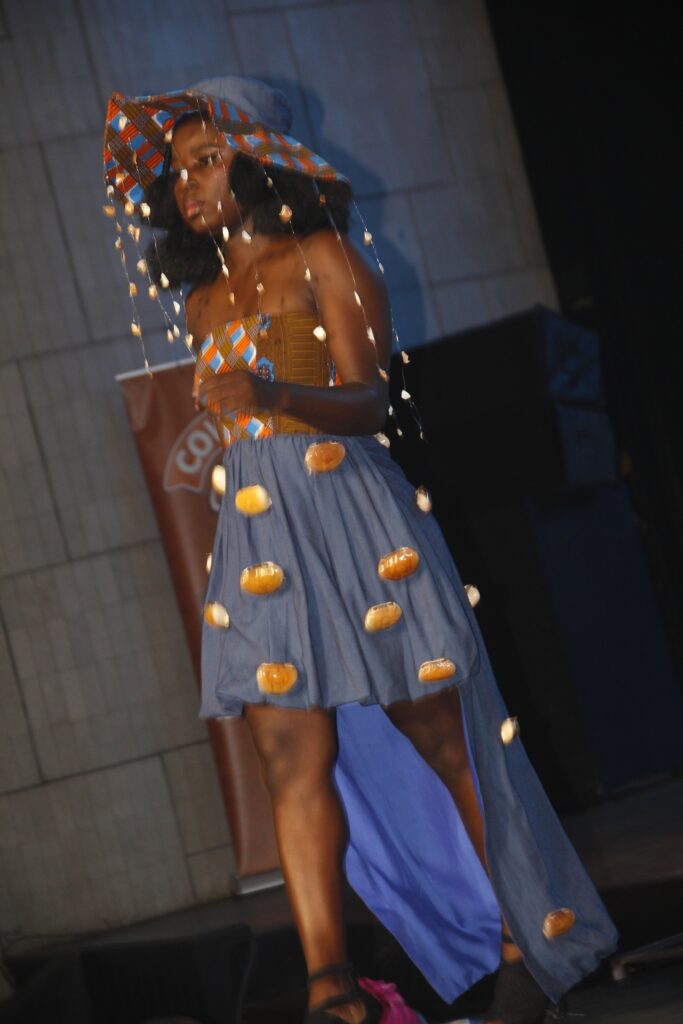
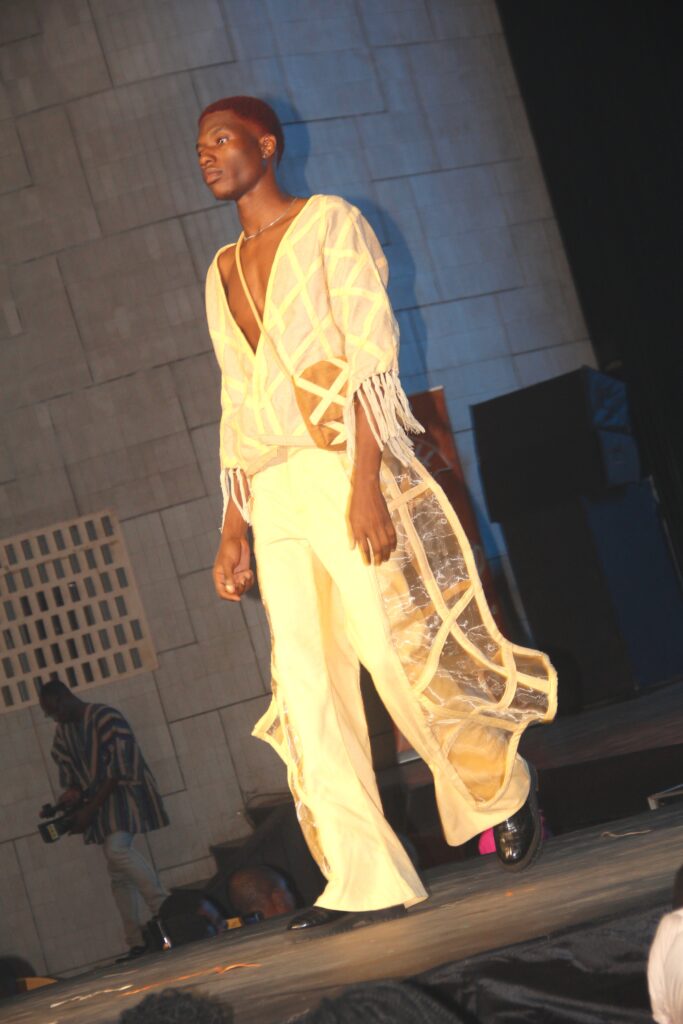
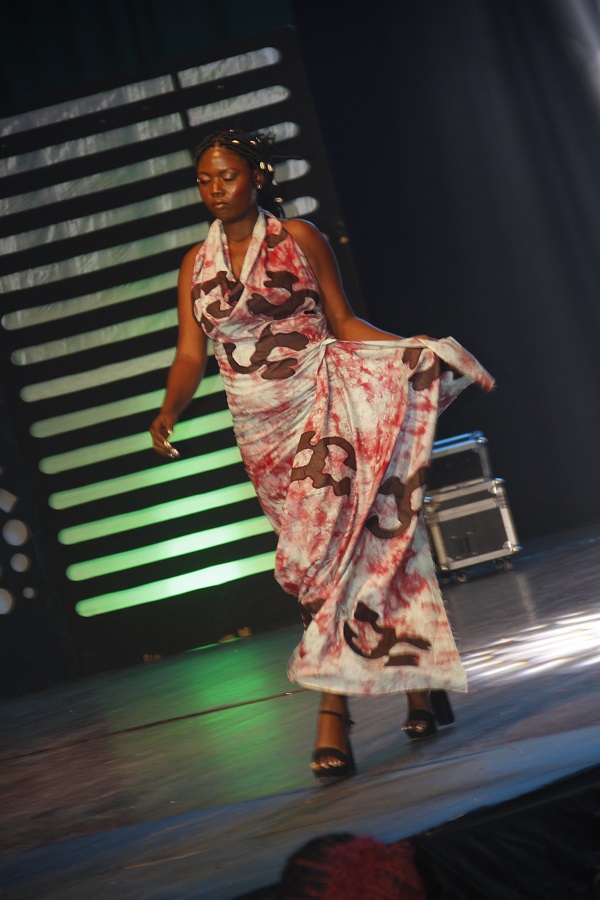
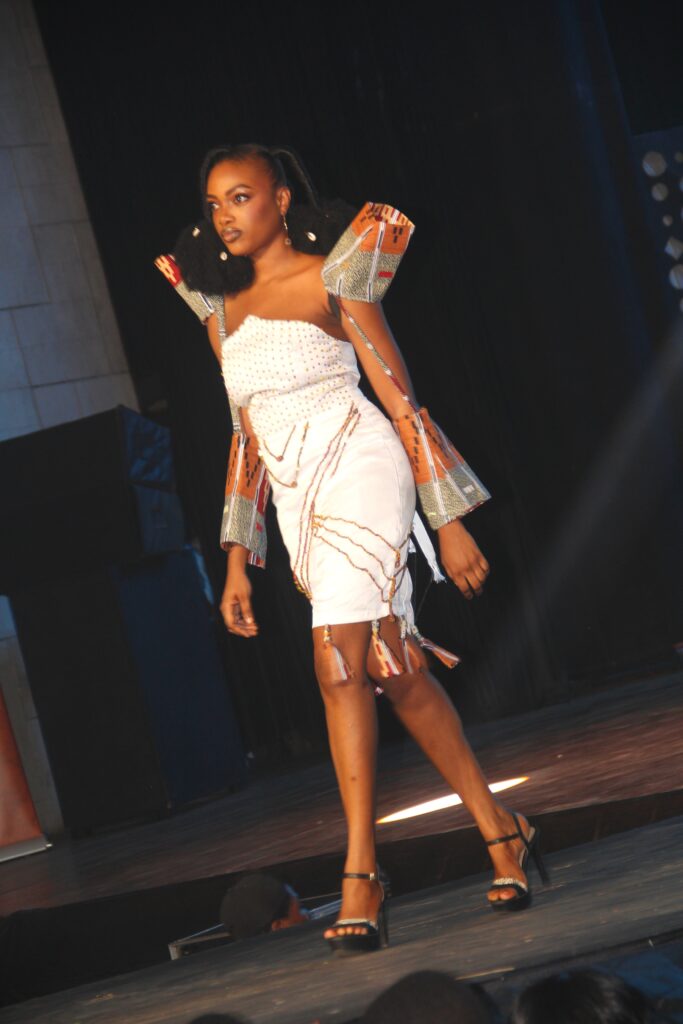
Dean of the Faculty of Applied Arts, Professor George Agyei Osei, explained that the exhibition provided students with an opportunity to demonstrate the skills and competencies they have acquired throughout their training.
Vice Dean of the Faculty of Arts and former Head of Department of Fashion and Textile Technology, Dr Mrs Emma Donkor, said this year’s cohort comprised 366 students, with each student producing four designs, one of which was exhibited at the school’s auditorium while three were presented during the fashion show.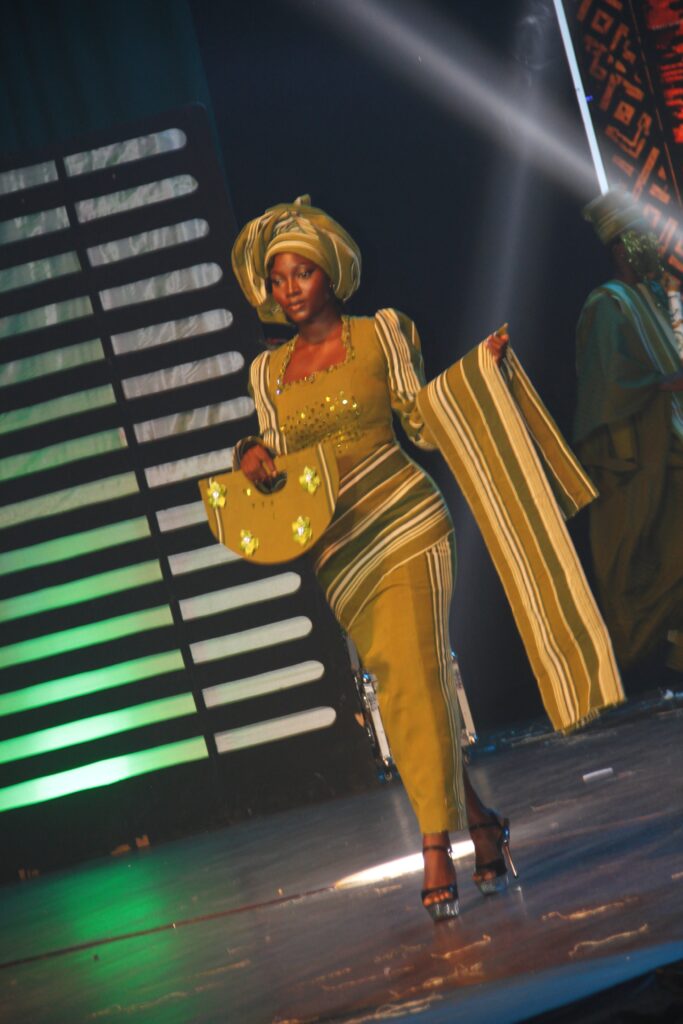
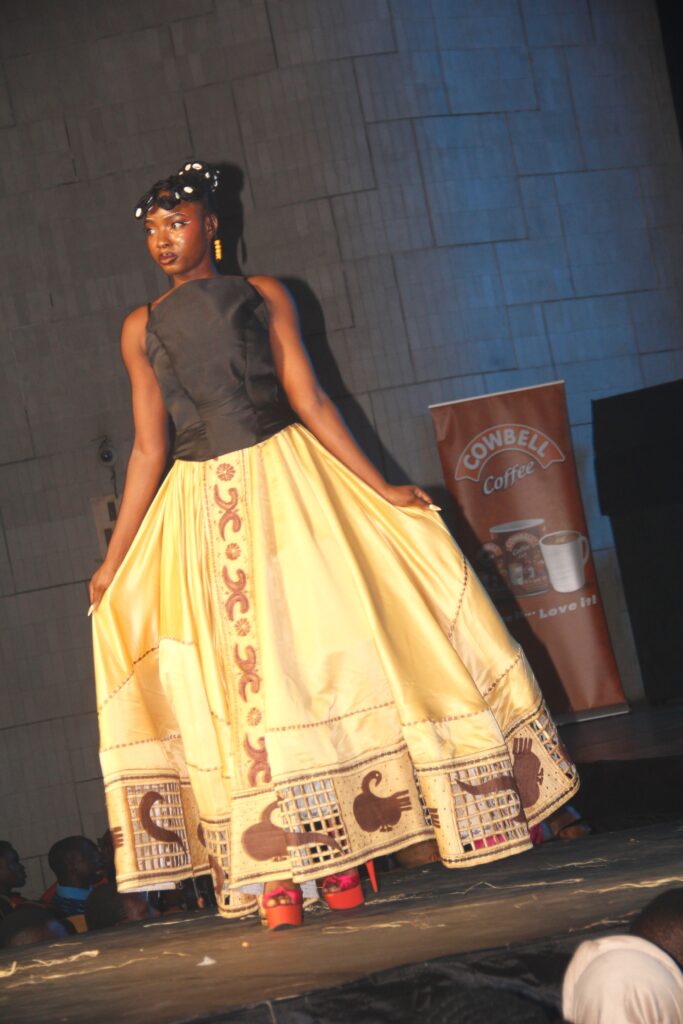
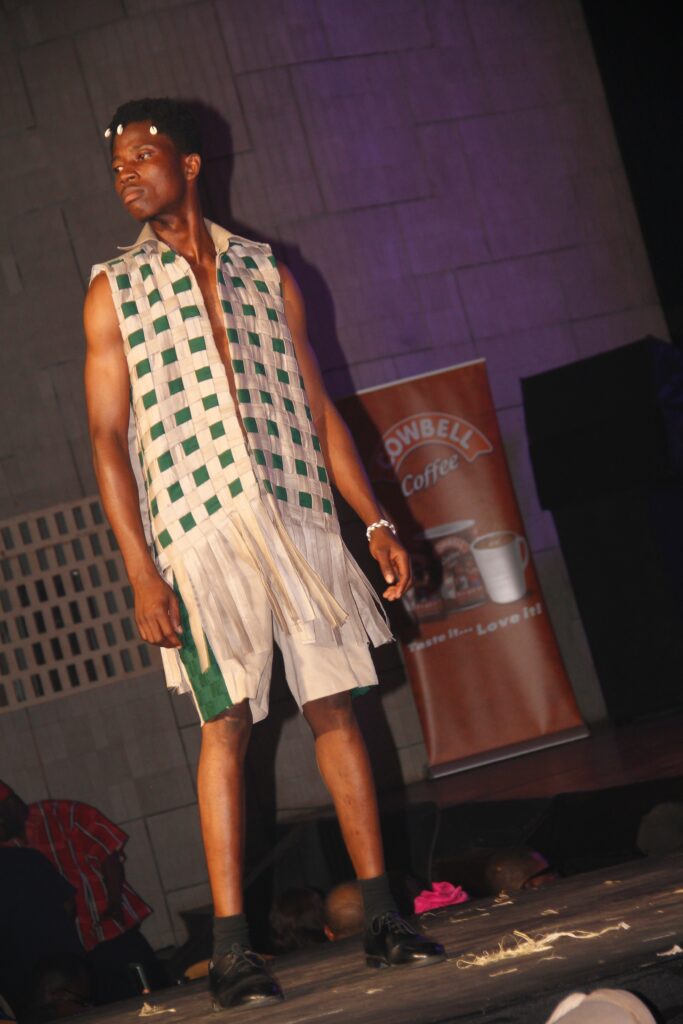
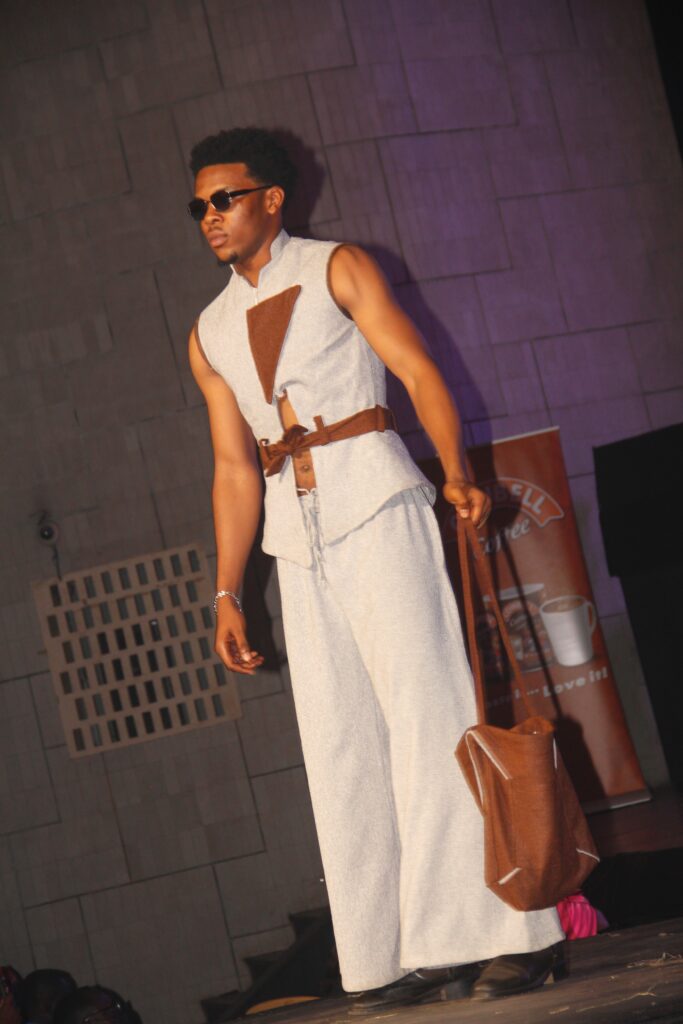
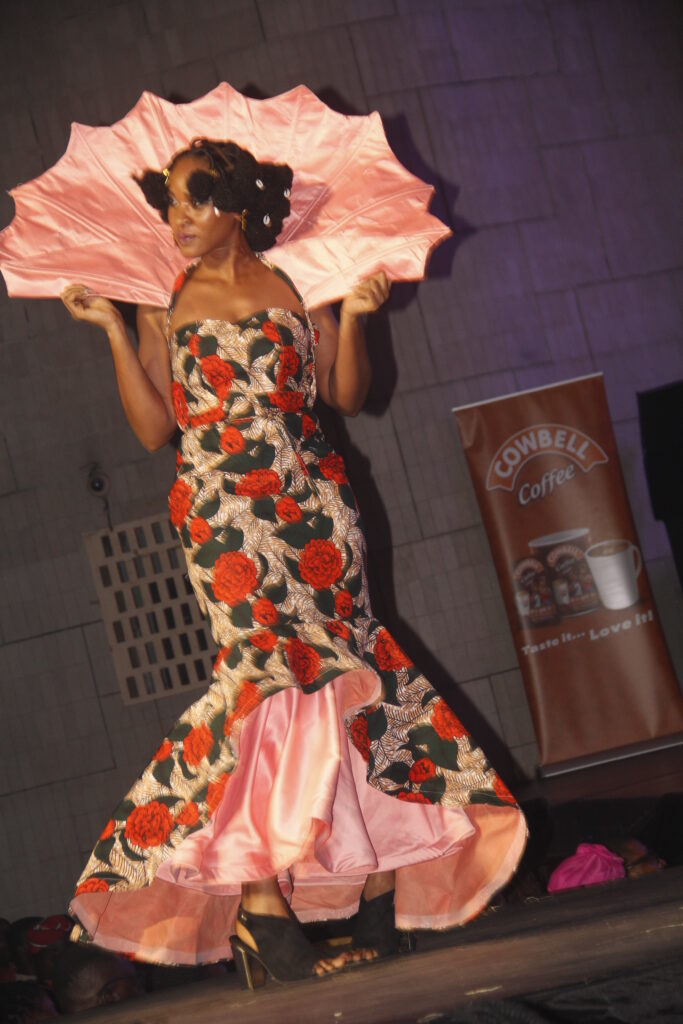
Mrs Donkor encouraged graduating students to build their businesses gradually, noting that a sewing machine and a small workspace could provide the foundation for a successful fashion enterprise.
One of the graduating students, Philipa Adu, said the theme was a reminder to designers not to blindly imitate Western fashion at the expense of African culture.
By Linda Abrefi Wadie