Profile
Dr Okai-Mensah spearheading attainment of SDG 12 in Ghana

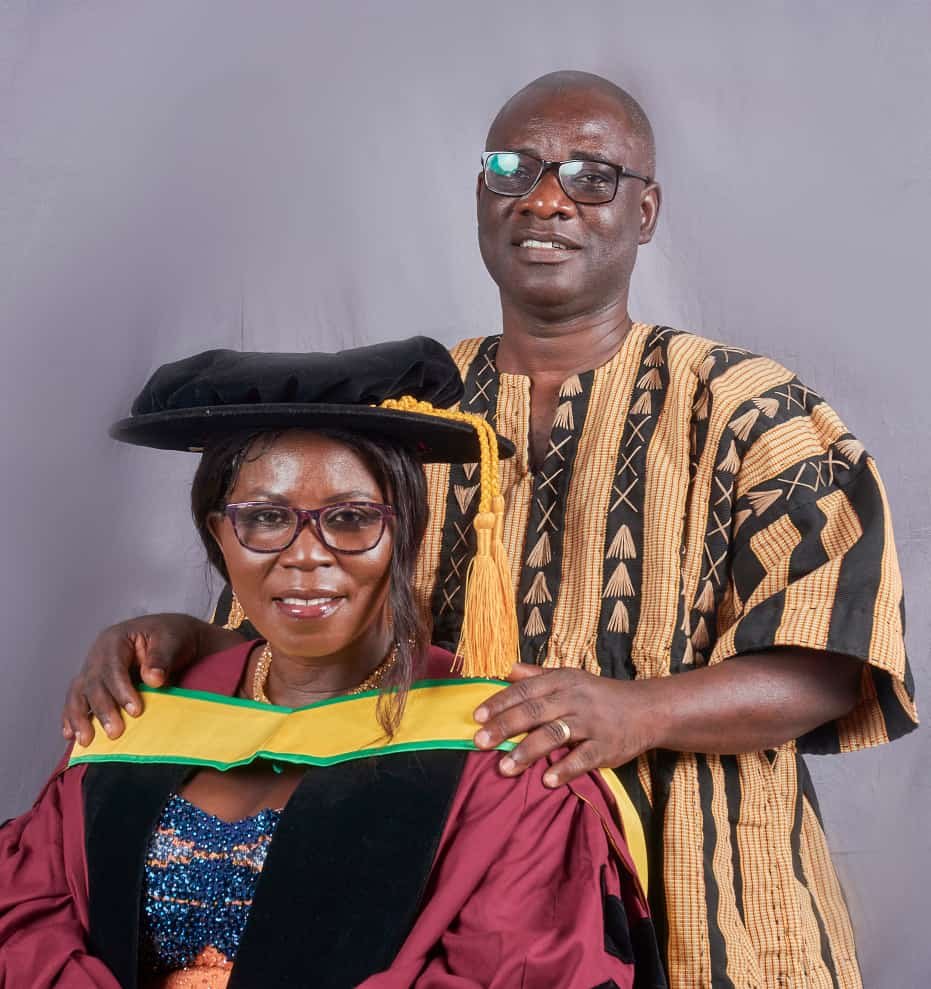
It has long been the passion of Dr Mrs Christiana Konamah Okai-Mensah to contribute meaningfully to national development, particularly through Sustainable Development Goal (SDG) 12: Responsible Consumption and Production.
This goal emphasises the importance of efficient resource use, waste reduction, and the promotion of sustainable practices.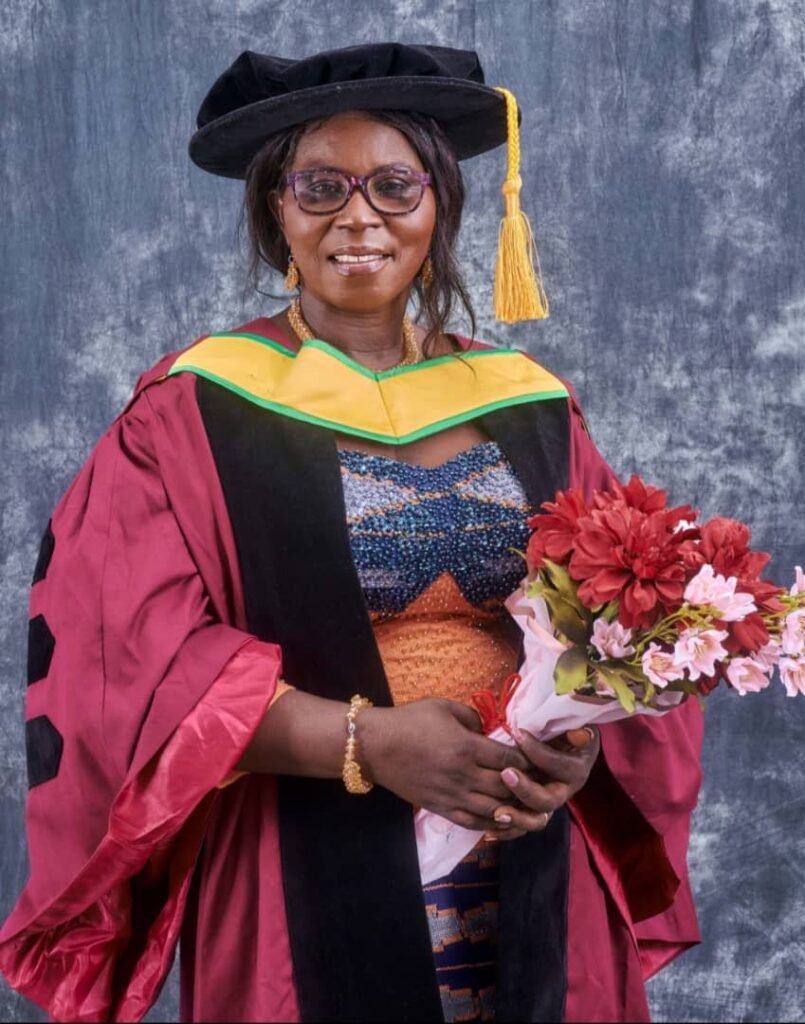
Inspired by a heartfelt birthday message from Rev. David Aboagye Danquah, a Presbyterian Minister, Dr Okai-Mensah, was further encouraged to turn her vision into action—transforming textile waste into valuable products to benefit society and the environment.
The beginning of a vision
Dr Okai-Mensah’s journey began with a simple but impactful initiative at Accra Technical University (ATU), where she works as a lecturer.
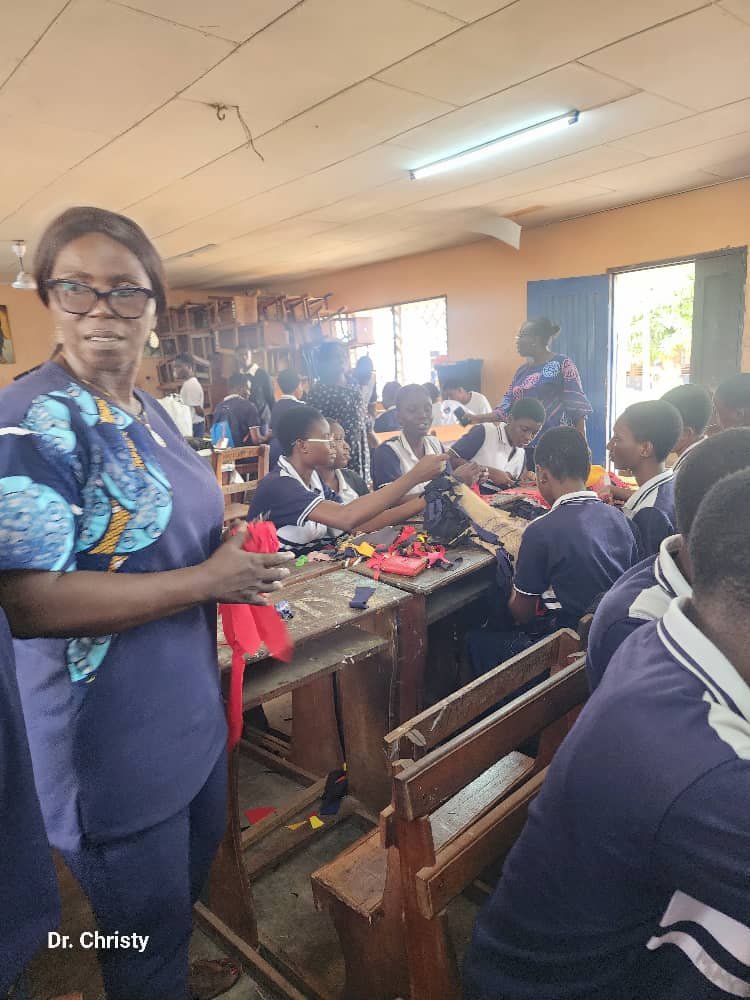
She founded a student club that focused on incorporating waste textiles into fashion projects. This laid the foundation for what would become the Reclaim Textile Network (RTN) Ghana, a non-governmental organisation dedicated to combating textile waste through upcycling, sustainable fashion education, and inclusive community innovation.
In an interview with The Spectator, Dr Okai-Mensah said with over 92 million tons of textile waste generated globally each year, much of it is offloaded onto developing nations.
She said Ghana, and its cities, particularly Accra, has become a major dumping ground for discarded second-hand clothing—putting immense pressure on landfills sites and governments as a whole.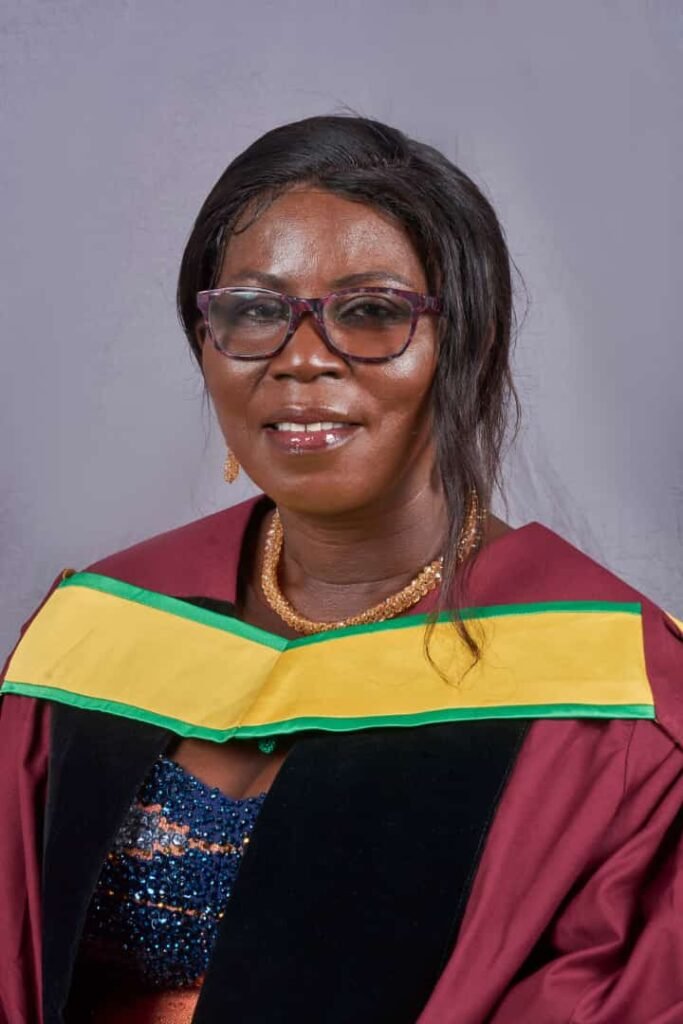
The Reclaim Textile
Network (RTN)
Established as a response to this growing crisis, she said RTN Ghana aims to divert textile waste from landfills and instead channel it into creative reuse programmes.
According to her the organisation empowers youth, artisans, students, women, and underserved communities to transform fabric cut-offs into eco-conscious products with both social and economic value.
Dr Okai-Mensah who is a lecturer at Accra Technical University said RTN’s objective was to showcase up-cycled products, highlight student creations, launch the Textile Waste-to- Product challenge, and promote community training and advocacy
“In just one year, RTN has reached over 1,500 students across 11 institutions, including five senior high schools, tertiary institutions, two churches, and a rehabilitation centre,” she said.
These engagements, she said have built practical skills and raised awareness about sustainable practices.
Challenges and call for support Despite the significant impact RTN has made, Dr Okai-Mensah notes that the organisation faces serious challenges, primarily due to limited resources.
Currently, RTN operates with only one full-time staff member and three part-time assistants, with fabric waste collected manually using her private vehicle.
“So far, funding has come entirely from my personal resources, with support from my husband, Mr Kwasi Okai-Mensah,” she revealed. “We need stakeholders to come on board to scale this impact.”
Dr Okai-Mensah advocates the integration of textile upcycling into school curricula, citing its affordability and environmental benefits. She calls on the government, private sector, and corporate organisations to support RTN’s initiatives.
Academic and
Professional contributions
Dr Okai-Mensah is a distinguished academic and leader in textiles and fashion design technology. Her research spans sustainable textile practices, design innovation, and the technological advancement of Ghana’s textile and fashion industry.
She has published extensively and participated in numerous international conferences.
Educational Background
Dr Okai-Mensah has an MPhil in Art Education, Kwame Nkrumah University of Science and Technology (KNUST), 2013–2015, MA in Adult Education, University of Ghana, Legon, 2011–2012, BA in Art (Textiles), KNUST, 1996–2000, Teacher’s Certificate A, 1989–1992
Global recognition
In 2007, she proudly represented Ghana in the Thread Project – One World, One Cloth (Lienzo Luminoso – Cloth of Light), a global initiative promoting unity through textiles.
Her leadership and experience continue to earn her recognition as a valuable advisor and thought leader in sustainability and education.
Personal Life
Born in Berekum in the Bono Region, Dr. Okai-Mensah is married to Mr Kwesi Okai-Mensah and blessed with three sons. Her hobbies include singing and mentoring young minds. Her favourite dish is fufu with chicken light soup.
By Linda Abrefi Wadie


He once sold kenkey to pay his school fees, and now wears the rank of Deputy Commissioner of Police. DCOP Kofi Sarpong, police officer and award winning gospel musician is charting a journey few could script.
In an interview with The Spectator chronicling his rise, the newly promoted DCOP took us on his journey through the ranks.
Early Life
“I was born in Berekum in the Bono Region, then Brong Ahafo, to Comfort Yeboah, affectionately called Maame Yaa, and the late Chief Inspector Kofi Sarpong,” he said.

His family story is one of resilience. His mother had two children before her husband died in an accident. She later married Kofi Sarpong’s father, a police officer, and had two more, himself and his junior brother. “So we are four, unfortunately one is deceased, just last year, so we are three now.”
School and struggle
He started at Berekum Methodist Primary under the old ‘Sito’ system. In Form Two, he moved to Obuasi to stay with a guardian for his Form Three education, then returned to Berekum for Form Four. He later attended Berekum Senior High School where he studied General Arts and shone as an athlete, a sprinter in the 100m, 200m and 4x400m relay.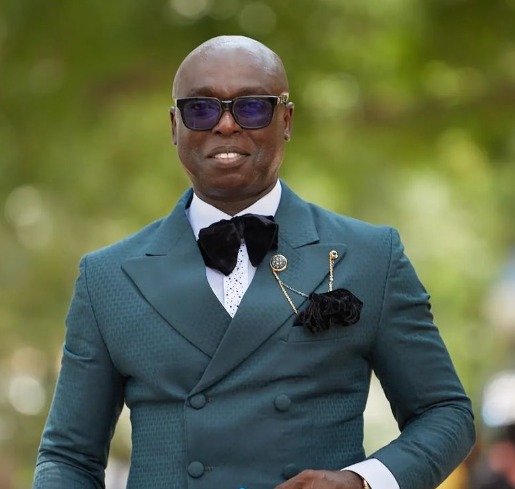
After O-Levels, his batch was the last to write the exams, his dream was to become a teacher because of his love for children. But financial hardship forced a detour.
“I decided to help myself by going to buy maize and started preparing kenkey to sell at lorry parks and markets in Berekum,” he recalled.
According to him, the people from Berekum know this story. “I can make all types of kenkey, Fante Kenkey, Ga Komi and others. Don’t be surprised to see Kofi Sarpong Kenkey one day.” The proceeds paid his upkeep.
For this reason, he advised the youth “Don’t see life as a smooth journey but find something prudent to do to help yourself in difficult times.”
After grinding his education to a halt due to financial challenges, he now holds a Degree in Public Administration from GIMPA, a Master’s in International Relations and Diplomacy and Project Management, plus other higher certificates, with more in the offing.
The Police Call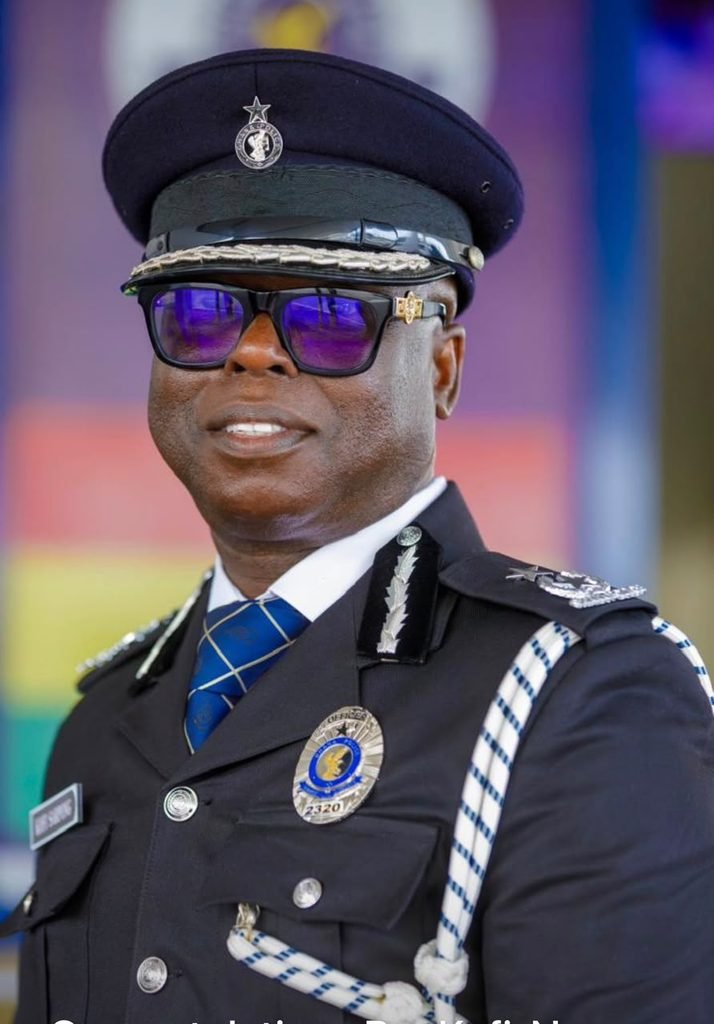
When teaching did not materialise immediately, he moved to stay with his father at Osu, Accra. In 1994, he visited former IGP Nana Owusu-Nsia at Police Headquarters, who told about ongoing police enlistment.
In his head he declined, but outwardly he accepted to try reluctantly. Later, watching TV news and seeing long queues of young people aspiring to join the Police, he was inspired to reconsider.
He went to Berekum for his certificate. Accra enlistment had closed, so he joined the Kumasi exercise. He was selected, passed the exams and went to the Koforidua Police Training School, Galloway. After passing out, he was posted to the Logistics Unit at Police Headquarters.
At Headquarters, a senior officer encouraged young constables to further their education. He took a course in Purchasing and Supply via distance learning from a UK institution. 
Upon completion, the Police administration promoted him from Constable Class One to Chief Inspector, a leap that paved the way for him to enrol at the Police Academy. He graduated as ASP, and the climb to DCOP began.
“The officer corps starts from Assistant Superintendent of Police (ASP) from the cadet,” he explained. “When you graduate from the Police Academy, you are awarded ASP, and you move to Deputy Superintendent of Police (DSP), that’s when I released album to start my music career professionally.”
From there, he rose to Superintendent of Police (SP), Chief Superintendent, Assistant Commissioner of Police (ACP), and now Deputy Commissioner of Police (DCOP). Next is Commissioner of Police (COP).
Music found him in Sudan
On peacekeeping duty in Sudan, officers from different nations came together to hold fellowship led by a Nigerian officer. In December that year, with top-ranked officers present, Kofi Sarpong led the service to the admiration of all.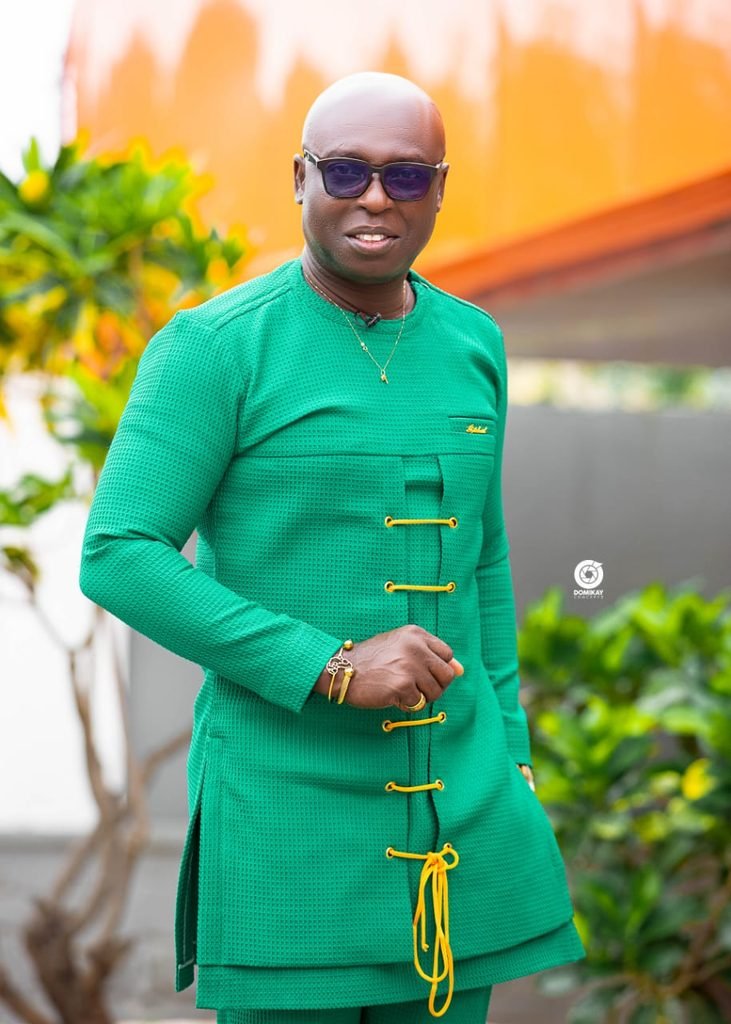
On his return to Ghana, a Colonel, who was a Matron at 37 Military Hospital and a member of the 37 Methodist-Presbyterian Church invited him to their harvest service. He ministered, and as he stepped out of church, a man approached him with an offer to record him. He declined.
Days later, at the office, the man, Ernest Kwesi, who owned Media Excel Production sent an elderly man to pursue him. He still declined. This compelled Ernest Kwesi himself to visit him at the office. “He told me he had seen something in me.”
Just after Ernest Kwesi left,Kofi Sarpong wrote to then Director General/Welfare, Mohammed Alhassan, and Paul Tawiah Quaye the Inspector General of Police (IGP) at the time. “He opened the letter and said he had been waiting all this while because he had seen me perform at police officers’ events.”
He was summoned to the IGP’s office, a call which scared him, however, it was a good news; his request was approved. Against this backdrop, he informed Ernest Kwesi who quickly visited that evening with highlife musician Akwaboah Jnr., who taught him his first song, ‘Me ko nso hw3 mu’, and they went to the studio.
A song earlier recorded in reggae by Zapp Mallet was totally transformed by Nacee, so they released both versions on the album. Nacee, he says, hugely supported promotion, as did Mark Okraku-Mantey.
He also acknowledge Oware Jnr. who also wrote songs for him.
After his maiden album’s success, police leadership congratulated him. He says he is happy to have inspired other officers to write to the Service to pursue other interests.
An autobiography, he reveals, is in the offing.
Family and food
He is married to Mrs Salomey Sarpong with three children, two boys and a girl: Nana Nketiah, Maame Afia Yeboah Sarpong and Papa Kwabena Aseda Sarpong.
His hobbies are watching athletics and being with family. His favourite foods are fufu and konkonte with groundnut soup.
On music, he teased a collaboration with a top Nigerian artiste, promising fans “hot praises” soon.
He concluded by thanking Ghanaians for their support since his promotion, and thanked the Inspector General of Police for his guidance.
By Edem Mensah-Tsotorme
SKIP THE QUEUE, TAP THE NEWS

You can now read the Ghanaian Times and The Spectator newspapers from the comfort of your device via TimesNewsPlus.
Join our WhatsApp Channel: https://whatsapp.com/channel/0029VbBElzjInlqHhl1aTU27
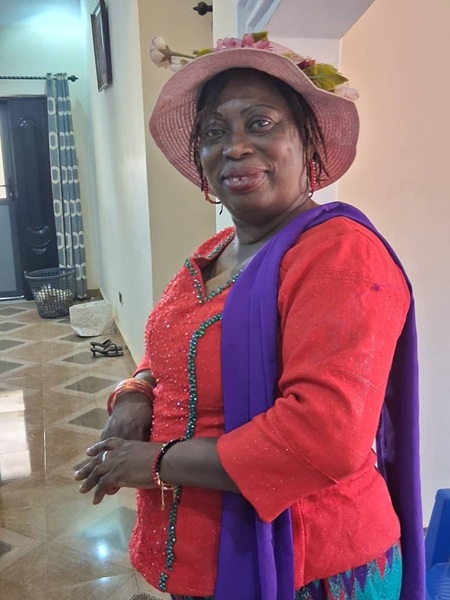
WHEN some of her pupils failed to show up at school, Mary Adotei did not always assume they were absent. Sometimes, she went looking for them.
In the communities where she taught, getting a child into the classroom could require more than preparing lessons. Mrs Adotei remembers occasions when she had to visit the homes of pupils, bathe them, prepare them and bring them to school herself.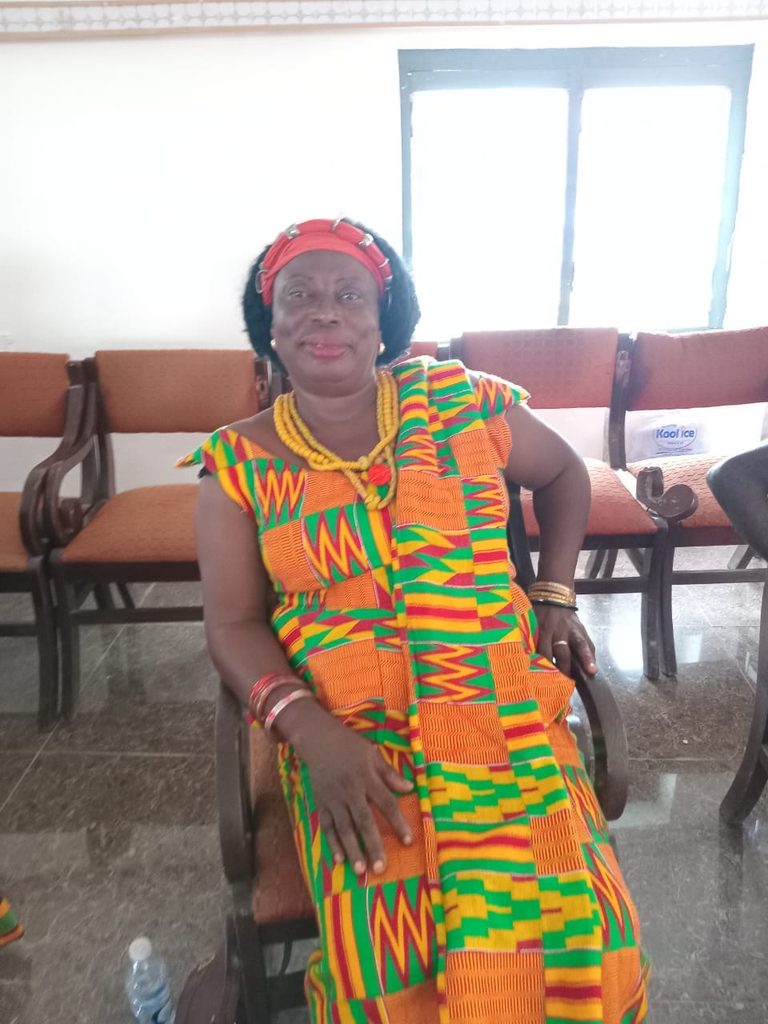
“There were times I had to go to the homes of some of the children, bathe them and bring them to school,” she recalled.
It is a memory that captures much of her journey over the years as a teacher, a profession she entered without knowing it would become central to her identity.
Now, after years of working with children and communities, Mrs Adotei is taking lessons from the classroom into a new arena.
She is contesting the position of Women’s Organiser of the National Democratic Congress (NDC) in the Asikuma Odoben Brakwa (AOB) Constituency in the Central Region, hoping to use her experience working with people to contribute to the welfare of women in the constituency.
But her story begins in the classroom.
After completing her basic and secondary education, Mrs Adotei spent 12 years working as a pupil teacher before she had the opportunity to receive professional training.
In 2006, she entered Fosu College of Education and completed her training in 2011 with a Diploma in Basic Education.
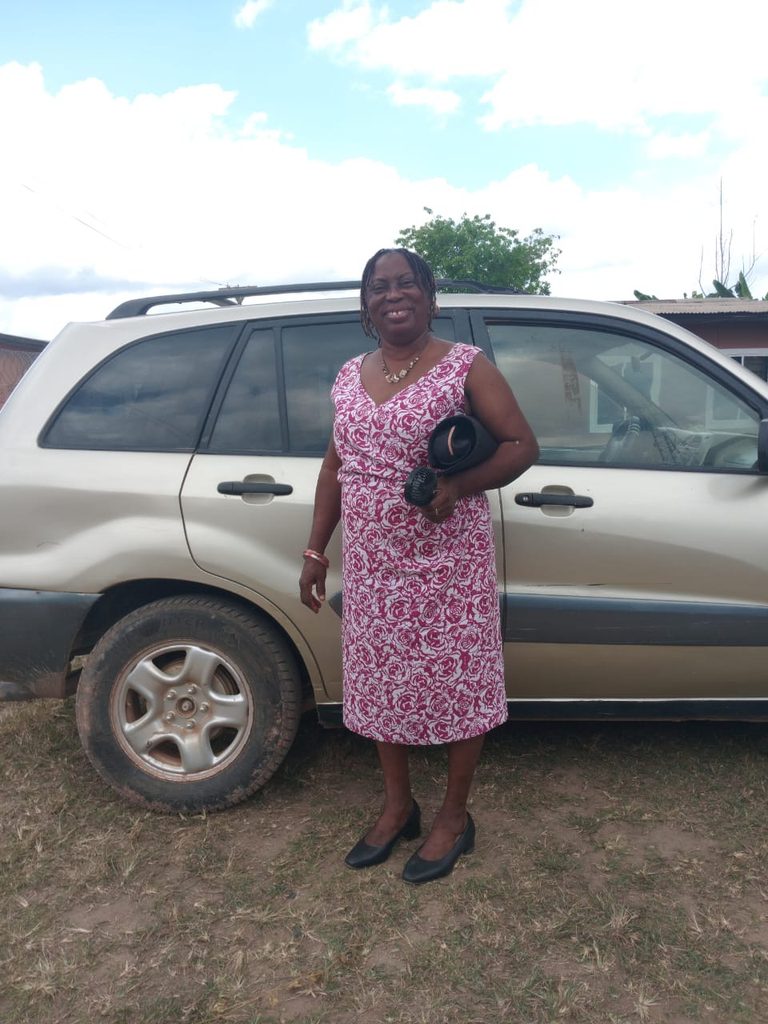
She returned to the classroom and has remained there since, teaching in different communities before moving to her current school, Catholic Boys Basic School in Breman Asikuma, in 2019.
The years have given her a front-row seat to the transformation education can bring.
Some of the children she once taught have grown into professionals, carrying the lessons they learnt in her classroom into hospitals, schools, offices and other workplaces.
Mrs Adotei said she had encountered former pupils who were now doctors, nurses, teachers and even a lawyer.
For a teacher, she said, such moments bring a special kind of satisfaction and reinforce the reason she remains passionate about education.
Her journey, however, has not been without difficult moments.
Teaching in local communities sometimes meant dealing with circumstances that went beyond academic work. Some pupils needed encouragement, personal attention and practical help before they could even settle down to learn.
Those experiences taught her that the challenges confronting people cannot always be solved from a distance. That understanding has followed her into her political activities.
Mrs Adotei has been involved in the NDC for years and previously served as a branch treasurer. She has also supported women in her branch, including assisting some to access medical treatment and providing help to families when the need arose.
She is now making her third attempt at becoming the constituency’s Women’s Organiser.
Her motivation is linked to what she has seen around her.
Mrs Adotei wants women in the constituency to have access to skills and opportunities that can help them become more economically independent.
She believes her years as a teacher have prepared her for the work, too, because the profession has taught her to listen, communicate, understand different circumstances and work patiently with people.
For her, the transition from teacher to political organiser is therefore not a complete departure from the path she has followed.
The classroom taught her to work with individuals. Politics, she hopes, will give her the opportunity to work with a wider group of women.
If elected, Mrs Adotei intends to continue teaching while taking up her political responsibilities. She said she would organise her time to attend meetings and constituency activities without abandoning her duties to her pupils.
Away from school and politics, she is a wife and mother of two sons who are pursuing their degrees at university.
Her message to young girls is shaped by everything she has seen education do for the children she has taught.
For Mrs Adotei, education remains one of the strongest tools available to young people, especially girls seeking to build better futures.
She wants them to stay in school, pursue further education and acquire skills that will prepare them for the future.
“Nowadays, you cannot go forward without education,” she said.
By Esinam Jemima Kuatsinu
SKIP THE QUEUE, TAP THE NEWS
You can now read the Ghanaian Times and The Spectator newspapers from the comfort of your device via TimesNewsPlus.
Join our WhatsApp Channel: https://whatsapp.com/channel/0029VbBElzjInlqHhl1aTU27