Nutrition
How to spice Sallah meat

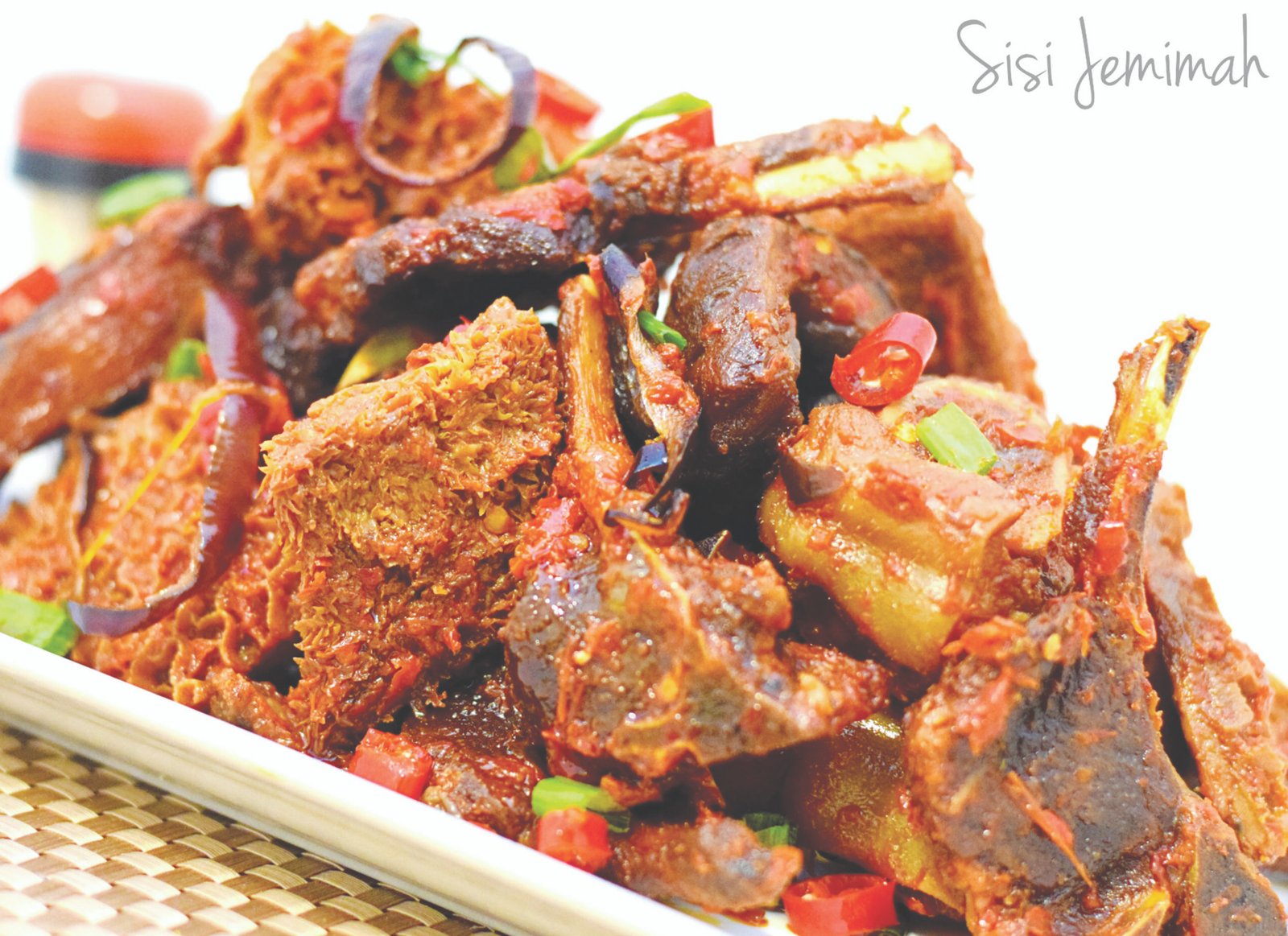
Eid al-Adha is one of the biggest occasions on the Muslim calendar.
During this occasion, Muslims across the country sacrifice an animal, usually a ram, cow, or camel, to commemorate Prophet Abraham’s great act of genuine submission to the will of God.
Also portion of the meat prepared is for yourself, another portion for the neighbours and friends, while the last portion is for the less privileged.
Muslims prepare different kinds of meals with the meat.
The Spectator’s nutrition column is here to give readers creative ways of spicing up meat dishes to last longer.
-Grilled meat can be grilled as it involves direct dry heat to make the meat tender. The meat is cut into sizeable amount, seasoned and grilled until cooked.
-Fried meat: Another way of preserving meat is by frying. This is one of the oldest and simplest methods of spicing meat. Meat is steamed and fried for 30 minutes.
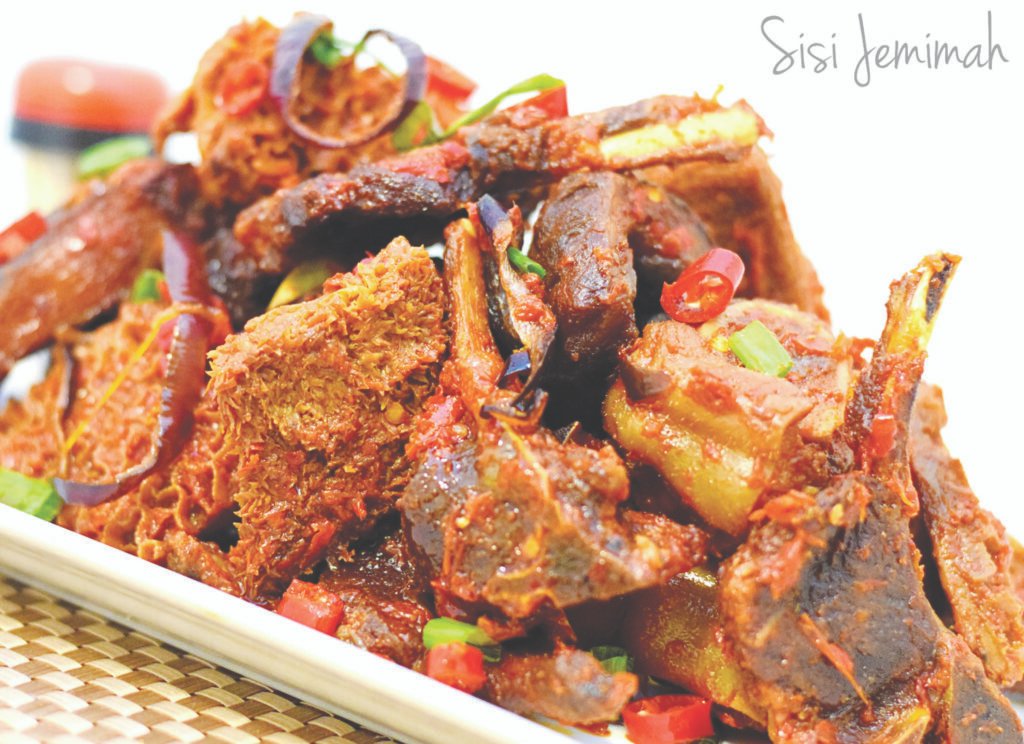
-Peppered meat: The peppered meat is another delicacy that can be prepared using the Sallah meat. First, wash the meat, cut and season with the ingredients allow it to marinate. This marinating process helps the meat not only to be well seasoned, but to be tender.
-Meat stew can be used to prepare tomato stew. When slices of meat are stewed they add flavour to the stew and become tender and delicious to eat.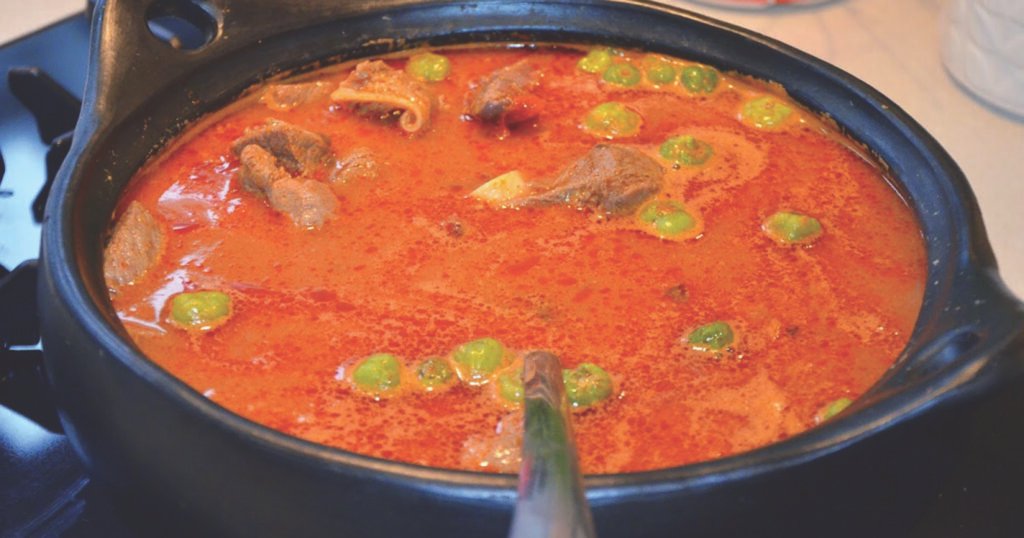
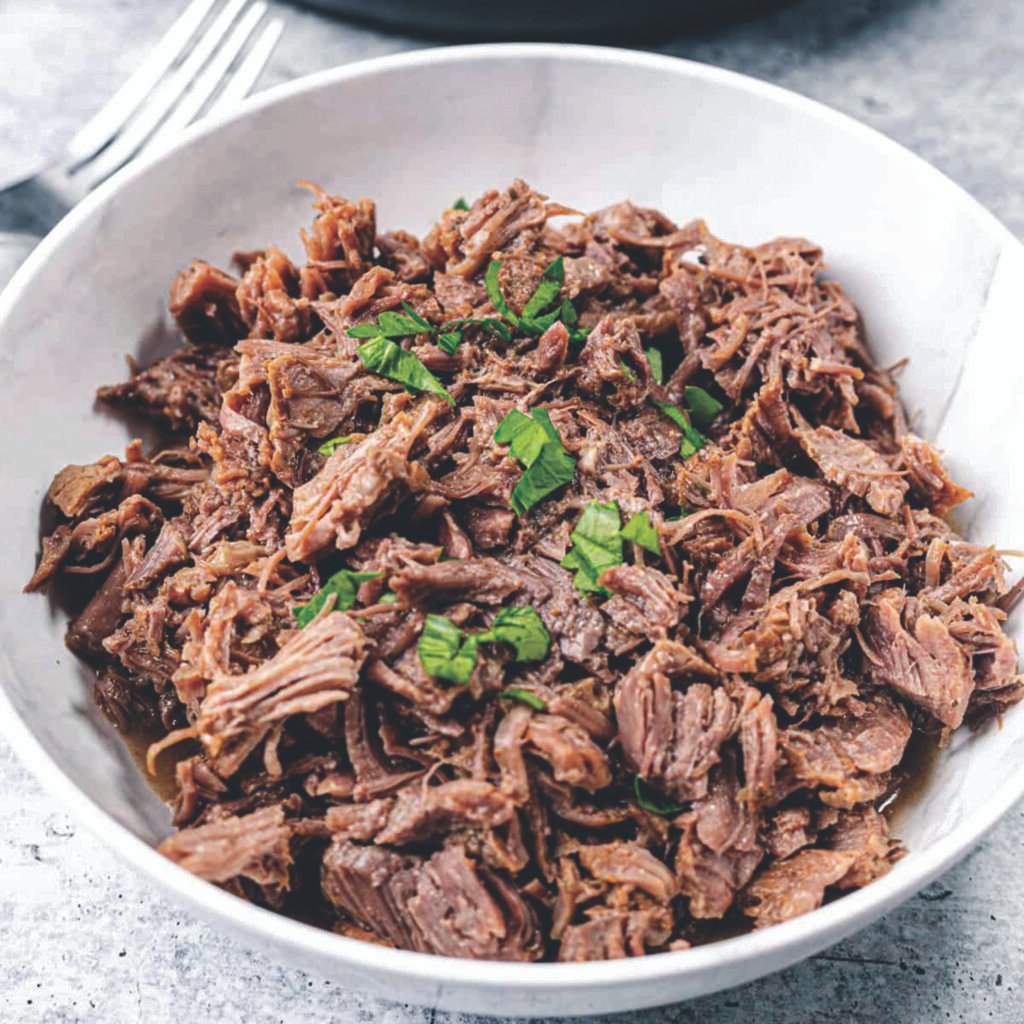
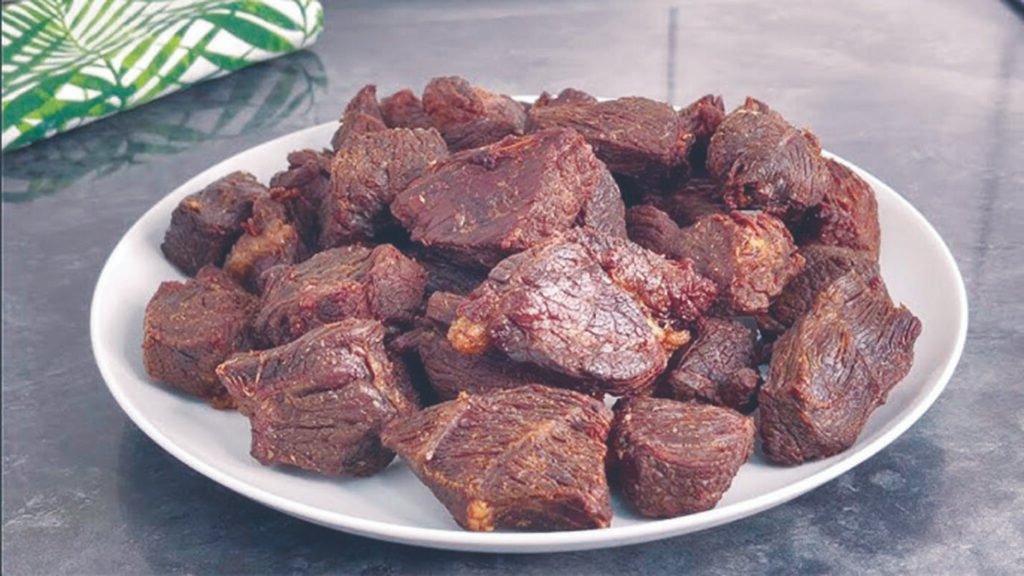

-Shredded meat: This beef recipe is from the Northern part of the country. The dried, shredded meat floss can be eaten as a snack or sprinkled over rice or stuffed inside bread. It also goes along so well with ‘masa’ (baked rice or corn flour).
-Pepper soup: The ram head and legs can also be used to prepare pepper soup. After scrapping the hair, the ram head could be cut into pieces, making sure that the essential parts are properly washed and used for pepper soup.
By Linda Abrefi Wadie

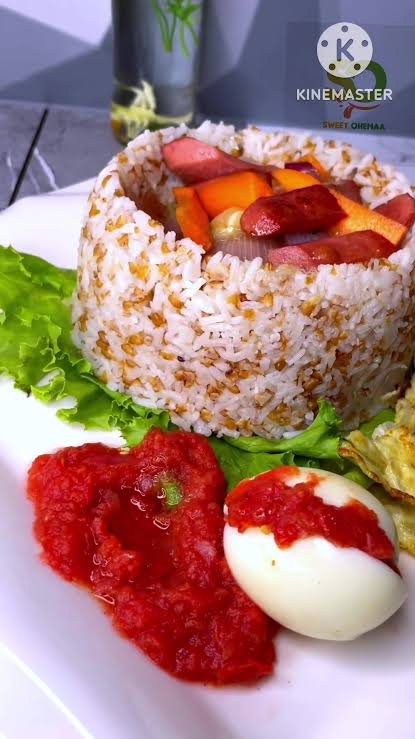
Ingredients
-Oil
-1 large onion
-2 cups of rice
-Salt
-2 cups of wheat
Preparation
-In a medium saucepan, heat oil over medium-low heat
-Add the onion and cook, stirring frequently, until soft and turns golden brown
-Wash rice and wheat and put into pan. Sauté for two to three minutes, until toasty and fragrant
-Add water and salt and allow to boil.
– Reduce heat to low and allow to simmer for 10 to 15 minutes until rice is tender and the water is absorbed.
-Taste the rice/wheat; if it is still a bit firm, add a few more tablespoons of water and cook a few more minutes.
-When the rice/wheat is ready, take it off the fire and serve hot
Benefits of wheat
–Improves digestion: High levels of insoluble fibre- wheat promotes regular bowel movements, prevent constipation, and support a healthy gut microbiome.
-Supports heart health: Whole-grain wheat helps lower LDL (bad) cholesterol, reduces blood pressure, and decreases the risk of stroke and heart disease.
-Aids weight management: Complex carbohydrates and dense fibre slow digestion, increase feelings of fullness, and help prevent sharp blood sugar spikes.
-Lowers type 2 diabetes risk: Steady glucose release and minerals like magnesium improve insulin sensitivity.
– Provides essential vitamins and minerals: Wheat supplies B vitamins, iron, magnesium, phosphorus, zinc, and selenium, which help build bones and boost immune function.
–Delivers Antioxidants: Compounds like phenolic acids, ferulic acid, and lutein protect cells from oxidative stress and support eye health.
SKIP THE QUEUE, TAP THE NEWS
You can now read the Ghanaian Times and The Spectator newspapers from the comfort of your device via TimesNewsPlus.
Join our WhatsApp Channel: https://whatsapp.com/channel/0029VbBElzjInlqHhl1aTU27

Ingredients
-4 cups of crushed corn
-1 cup of sugar
Method:
-Soak crushed corn for two or more days to ferment
-Boil the fermented corn for about 20-30 minutes until foamy substance is dried up
-Pour sugar in a saucepan and heat until almost burnt
-Strain water from the boiled corn and pour in the saucepan containing sugar
-Use a strainer to strain the chaff
-Allow to cool and store in refrigerator
– Serve with milk
By Linda Abrefi Wadie