Entertainment
Black Sherif makes it double, wins TGMA27 Artiste of the Year


Mohammed Ismail Sherif, known in showbiz circles as ‘Black Sherif,’ on Saturday made history by joining the elite list of musicians to achieved the ‘sophomore’ feat by winning the Artiste of the Year title on two occasions.
Black Sherif first won the Artiste of the Year title in 2023, shortly after his explosive entry into the music scene.
On Saturday night, May 9, at the Grand Arena of the Accra International Conference Centre, the ‘Iron Boy’ hitmaker overcame a strong field of contenders, including Medikal, Wendy Shay, Sarkodie, Stonebwoy, and Diana Hamilton, to reclaim the crown.
On the night, Black Sherif was the biggest winner, walking away with a total of five awards.
In addition to the ultimate prize, he also won the Album/EP of the Year – Iron Boy, Songwriter of the Year – for his song ‘Sacrifice,’ Afropop Song of the Year – ‘Sacrifice’ and Hip-Hop Song of the Year – ‘Where Dem Boys.’
The win cements his legacy as the youngest artist to win the top honour twice, at just 24 years old, placing him alongside legends like Sarkodie, Stonebwoy, and VIP/VVIP.
Receiving his awards, the Konongo-born star expressed profound gratitude to God, his family, and his fans. In a standout moment of generosity, he requested that his GH¢100,000 sponsorship package from Guinness Ghana be shared with rising artists Arathejay and Gonaboy to support their upcoming projects and listening parties.
The 27th edition of the Telecel Ghana Music Awards (TGMA) also saw other notable wins, including Medikal taking home four awards, Kofi Kinaata and Kojo Blak securing two on a night that celebrated the continued global rise of Ghanaian music.
Wendy Shay, Keche, Moliy, Piesie Esther, Diana Hamilton, Kofi Owusu Peprah, Kwabena Kwabena and others also picked up awards.
Patrons enjoyed mind-blowing performances from Black Sherif, Wendy Shay, Lasmid, Okyeame Kwame, Ras Kuuku, Kofi Kinaata, Medikal, Samini and others.

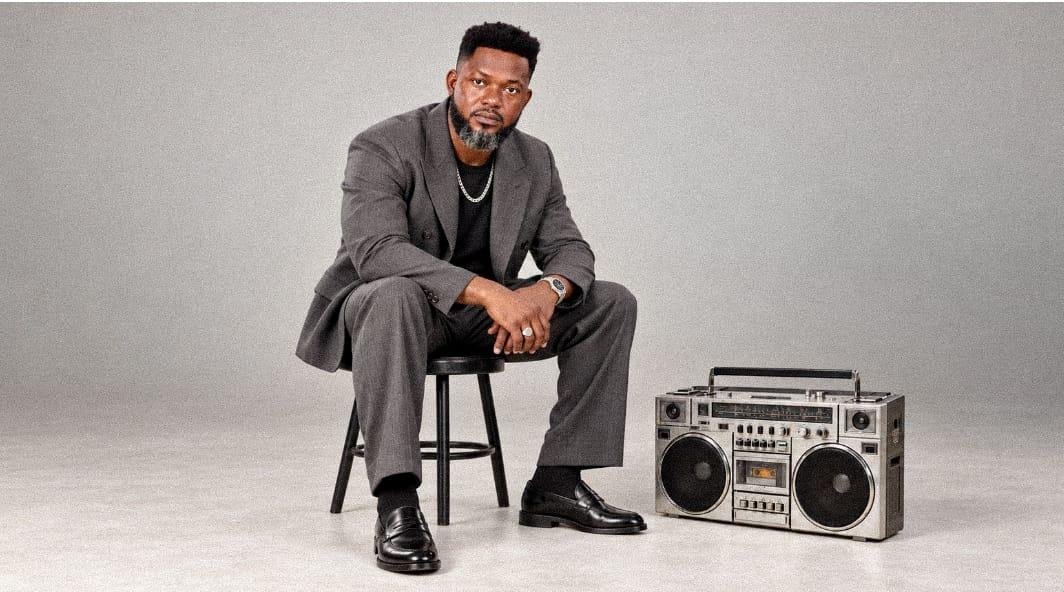
Ghanaian musician Sparqlyn is set to release another big hit.
His latest release, ‘Rosina,’ features Germany-based Ghanaian musician, video director, and sound engineer TEENO (known privately as Eric Kwame Tamakloe).
TEENO’s project ‘Signs’ was recently accepted by the Grammys for official consideration in the ‘Album of the Year’ category. Now, ‘Rosina’ is making serious waves across the airwaves.
Coming shortly after the impressive reception to his previous single ‘Fameko,’ ‘Rosina’ is already receiving strong attention from music lovers and radio listeners.
This new song carries an infectious Afrobeats and Hiplife feel while maintaining the romantic direction that characterised ‘Fameko,’ Sparqlyn’s 2026 Highlife collaboration with Ziya.
‘Fameko’ marked an important moment in Sparqlyn’s musical journey, with the love-themed highlife record receiving positive reactions from music lovers and media platforms following its June 2026 release.
The song became one of the highlights of his 2026 output, ranking high on multiple charts.
‘Fameko’ has also bagged Sparqlyn two top nominations: “Highlife Song of the Year” and “Artist of the Year” at the 2026 Stars Awards.
The combination of a romantic storyline, Afrobeats rhythm, and Hiplife influence give the song a sound that fits comfortably into the current Ghanaian music landscape.
The timing of the song’s release could also prove significant for the award-winning artiste. Sparqlyn recently secured two nominations at the 2026 Ghana Youth Empowerment Awards, where he is in contention for Youth Empowerment Advocate of the Year and Outstanding Youth Personality of the Year.
With ‘Fameko’ having established strong momentum earlier in the year and ‘Rosina’ now beginning to enjoy significant airplay, Sparqlyn appears to be ending another eventful chapter of his musical career on a high note.
SKIP THE QUEUE, TAP THE NEWS

You can now read the Ghanaian Times and The Spectator newspapers from the comfort of your device via TimesNewsPlus.
Join our WhatsApp Channel: https://whatsapp.com/channel/0029VbBElzjInlqHhl1aTU27

Ghanaian highlife and Afrobeats singer Kuami Eugene Marfo known in showbiz circles as Kuami Eugene has urged fellow musicians and entertainers to use their influence on social media and other platforms to champion causes that positively impact society.
The award-winning artiste made the call during a UNICEF Ghana birth registration advocacy campaign in Bepoase in the Ayensuano District of the Eastern Region, where he joined officials from UNICEF Ghana and the Births and Deaths Registry to raise awareness about the importance of registering children at birth.
He explained that artistes wield significant influence and should leverage platforms such as TikTok, Facebook and Instagram to amplify important social initiatives and encourage behavioural change.
The musician, who has partnered UNICEF Ghana on several child-focused campaigns, said he had a special interest in issues affecting children and was committed to supporting efforts that improved their welfare and future opportunities.
He noted that birth registration was critical because it established a child’s legal identity and ensured recognition as a Ghanaian citizen.
The advocacy drive forms part of UNICEF Ghana’s efforts to improve birth registration rates across the country through community engagements, public education and collaboration with traditional authorities.
The musician said he remained focused on creating quality music while continuing to support social causes that contribute to national development, particularly initiatives aimed at improving the lives of children. –GNA
SKIP THE QUEUE, TAP THE NEWS
You can now read the Ghanaian Times and The Spectator newspapers from the comfort of your device via TimesNewsPlus.
Join our WhatsApp Channel: https://whatsapp.com/channel/0029VbBElzjInlqHhl1aTU27