Entertainment
Ghana’s Nana Akua Addo stuns AMVCA red carpet with Cathedral-Inspired dress

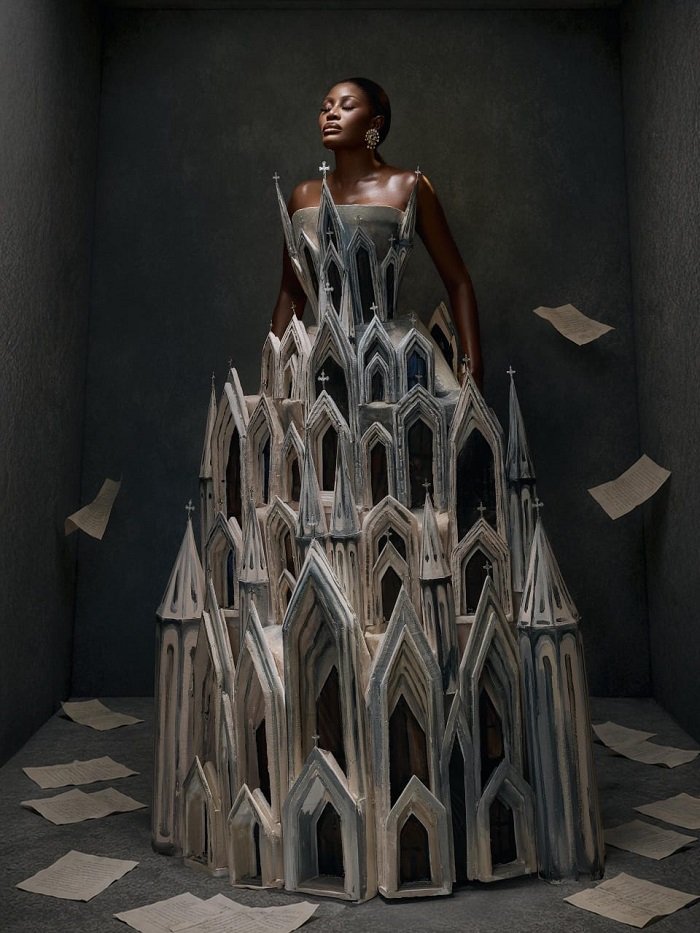
The red carpet of the Africa Magic Viewers’ Choice Awards (AMVCA) was lit up with a mind-blowing exhibition of creativity this Saturday in Nigeria, as Ghana’s Nana Akua Addo stunned everyone with her jaw-dropping fashion choices.
The AMVCA is an annual, prestigious awards ceremony presented by MultiChoice. It recognises outstanding achievements in African television, film, and digital content creation across the continent.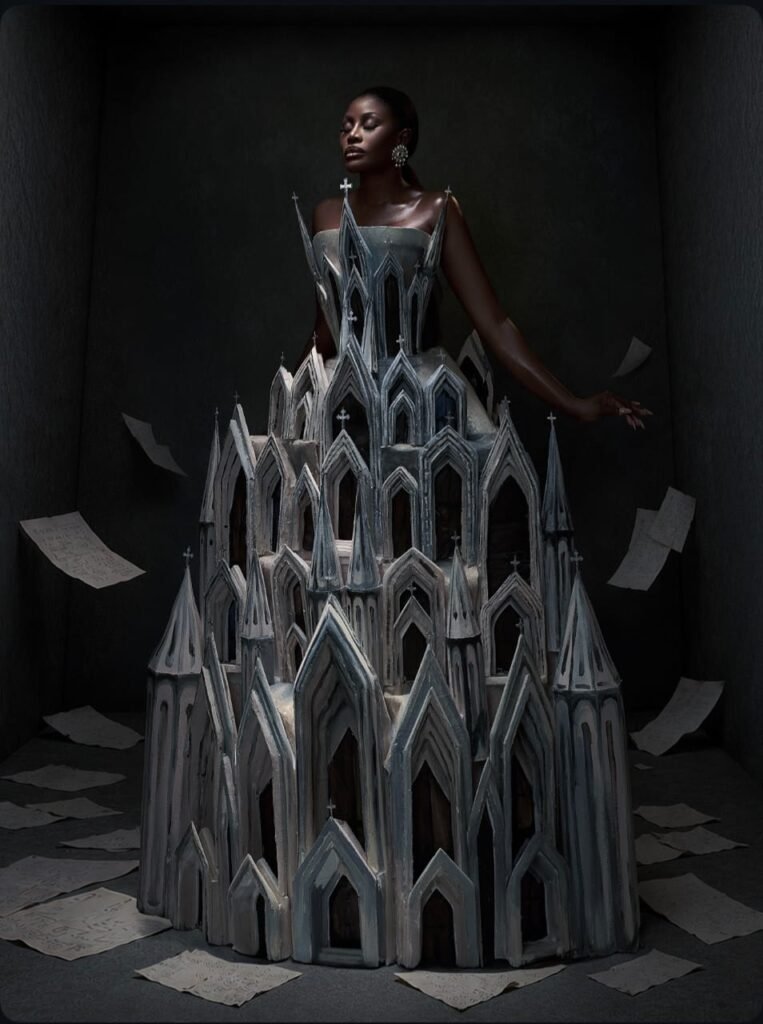
The Ghanaian actress and global fashion icon has, over the years, taken centre stage of the AMVCA red carpet each year.
She consistently pushes the boundaries of avant-garde style, making her one of the most anticipated stars of the night.
The Talk of the Red Carpet This year, her main outfit silver architectural dress, inspired by Cologne Cathedral in Germany became the absolute talk of the red carpet.
The breathtaking, structured silver gown featured intricate, three-dimensional details mimicking towering gothic spires and pointed arches.
The structural design transformed the style icon into a walking piece of art, requiring assistance from her team to navigate the venue smoothly.
The masterpiece was brought to life by Nigerian designer, Mohammed Abbas (Abasswoman), who revealed that the complex design process began back in November.
A Night of multiple looks true to her reputation as a fashion chameleon, the cathedral gown was not Nana Akua Addo’s only statement of the evening.
She further disrupted the event by debuting two other high-concept structural ensembles.
Attendees and digital audiences were treated to a visual feast as she also appeared in, The Spiral Outfit, a futuristic, swirling conceptual piece that captivated onlookers.
Also, she was seen in the Living Stone Outfit, a heavily textured, sculptural dress that blended natural geometry with high fashion.
Nana Akua Addo’s triple-threat appearance solidified Ghana’s dominant style presence on the pan-African stage, proving once again that she does not just attend the red carpet, she defines it.
By Edem Mensah-Tsotorme










Ghanaian musician Sparqlyn is set to release another big hit.
His latest release, ‘Rosina,’ features Germany-based Ghanaian musician, video director, and sound engineer TEENO (known privately as Eric Kwame Tamakloe).
TEENO’s project ‘Signs’ was recently accepted by the Grammys for official consideration in the ‘Album of the Year’ category. Now, ‘Rosina’ is making serious waves across the airwaves.
Coming shortly after the impressive reception to his previous single ‘Fameko,’ ‘Rosina’ is already receiving strong attention from music lovers and radio listeners.
This new song carries an infectious Afrobeats and Hiplife feel while maintaining the romantic direction that characterised ‘Fameko,’ Sparqlyn’s 2026 Highlife collaboration with Ziya.
‘Fameko’ marked an important moment in Sparqlyn’s musical journey, with the love-themed highlife record receiving positive reactions from music lovers and media platforms following its June 2026 release.
The song became one of the highlights of his 2026 output, ranking high on multiple charts.
‘Fameko’ has also bagged Sparqlyn two top nominations: “Highlife Song of the Year” and “Artist of the Year” at the 2026 Stars Awards.
The combination of a romantic storyline, Afrobeats rhythm, and Hiplife influence give the song a sound that fits comfortably into the current Ghanaian music landscape.
The timing of the song’s release could also prove significant for the award-winning artiste. Sparqlyn recently secured two nominations at the 2026 Ghana Youth Empowerment Awards, where he is in contention for Youth Empowerment Advocate of the Year and Outstanding Youth Personality of the Year.
With ‘Fameko’ having established strong momentum earlier in the year and ‘Rosina’ now beginning to enjoy significant airplay, Sparqlyn appears to be ending another eventful chapter of his musical career on a high note.
SKIP THE QUEUE, TAP THE NEWS

You can now read the Ghanaian Times and The Spectator newspapers from the comfort of your device via TimesNewsPlus.
Join our WhatsApp Channel: https://whatsapp.com/channel/0029VbBElzjInlqHhl1aTU27

Ghanaian highlife and Afrobeats singer Kuami Eugene Marfo known in showbiz circles as Kuami Eugene has urged fellow musicians and entertainers to use their influence on social media and other platforms to champion causes that positively impact society.
The award-winning artiste made the call during a UNICEF Ghana birth registration advocacy campaign in Bepoase in the Ayensuano District of the Eastern Region, where he joined officials from UNICEF Ghana and the Births and Deaths Registry to raise awareness about the importance of registering children at birth.
He explained that artistes wield significant influence and should leverage platforms such as TikTok, Facebook and Instagram to amplify important social initiatives and encourage behavioural change.
The musician, who has partnered UNICEF Ghana on several child-focused campaigns, said he had a special interest in issues affecting children and was committed to supporting efforts that improved their welfare and future opportunities.
He noted that birth registration was critical because it established a child’s legal identity and ensured recognition as a Ghanaian citizen.
The advocacy drive forms part of UNICEF Ghana’s efforts to improve birth registration rates across the country through community engagements, public education and collaboration with traditional authorities.
The musician said he remained focused on creating quality music while continuing to support social causes that contribute to national development, particularly initiatives aimed at improving the lives of children. –GNA
SKIP THE QUEUE, TAP THE NEWS
You can now read the Ghanaian Times and The Spectator newspapers from the comfort of your device via TimesNewsPlus.
Join our WhatsApp Channel: https://whatsapp.com/channel/0029VbBElzjInlqHhl1aTU27