Nutrition
Benefits of blueberries


- /home/u249204778/domains/spectator.com.gh/public_html/wp-content/plugins/mvp-social-buttons/mvp-social-buttons.php on line 27
https://spectator.com.gh/wp-content/uploads/2026/09/Blueberries-smoothie-492x600.jpg&description=Benefits of blueberries', 'pinterestShare', 'width=750,height=350'); return false;" title="Pin This Post">
- Share
- Tweet /home/u249204778/domains/spectator.com.gh/public_html/wp-content/plugins/mvp-social-buttons/mvp-social-buttons.php on line 72
https://spectator.com.gh/wp-content/uploads/2026/09/Blueberries-smoothie-492x600.jpg&description=Benefits of blueberries', 'pinterestShare', 'width=750,height=350'); return false;" title="Pin This Post">
Blueberries have one of the highest antioxidant levels among commonly consumed fruit and vegetables. This is typically referred to as the ORAC score. They are extremely rich in naturally occurring plant compounds called phytochemicals, such as ellagic acid and anthocyanidins. These phytochemicals are responsible for the blue, indigo and red colouring of the berry. They have also been extensively researched for their protective properties.
-Controls blood pressure
Research has shown that anthocyanidins, which are found in berry fruits, supports the cardiovascular system. It supports the health of blood vessels and reducing the arterial stiffness associated with ageing. This is especially useful for post-menopausal women.
Reduce the risk of heart disease
The phytochemicals in blueberries have been seen to prevent oxidative damage to cholesterol. According to research rich in anthocyanins may help lower the risk of heart attacks.
-Regulates blood sugar
Blueberries are both low in sugar and a good source of fibre; as a result, they have a low glycaemic index (GI). This, together with their high flavonoid content, helpsimprove insulin sensitivity, which is important for managing blood sugar levels.
-Maintain eye health
Adding blueberries to diet regularly improve vision and guard against age-related macular degeneration. It improves blood and oxygen flow to the eyes, and the antioxidant protection help to reduce the likelihood of cataract and macular degeneration.
-Reduces gastrointestinal symptoms
Studies suggest the polyphenol and fibre content of blueberries help relieve gut symptoms and improve general well-being in those with abdominal symptoms from gut disorders.
– Ease urinary tract infection symptoms
Many people turn to berries such as cranberries to help prevent urinary tract infections (UTI). Blueberries contain similar compounds to those in cranberries. These compounds may help prevent the bacteria responsible for UTIs from adhering to the bladder wall.
-Reduce muscle damage after exercise
Strenuous physical activity or exercise may lead to soreness and inflammation. Consuming blueberries in a smoothie, for example, before and after such an event may help promote recovery and reduce inflammatory markers.
-Promote healthy ageing
A number of studies suggest that both whole blueberries, their juice and the concentrated powdered form may help reduce oxidative damage. Such damage is an inevitable part of everyday life, but is a key driver in ageing and the development of disease.Bbc.com

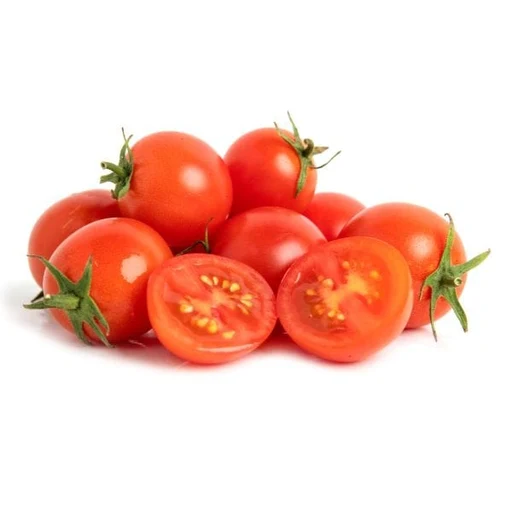
Help prevent heart disease
Regularly eating tomatoes may help lower blood pressure and improve cholesterol levels. The health benefits of tomatoes are mainly due to lycopene and other antioxidants, which help reduce inflammation and protect cells from oxidative damage, two key drivers of chronic disease.
Boost brain health
Growing evidence suggests that tomatoes support brain health by protecting nerve cells and reducing damage linked to ageing. A 2025 study involving rats found that lycopene improved memory and learning and reduced markers associated with Alzheimer’s disease, although these effects have not been established in humans.
Studies have also found that regular tomato consumption may be associated with a reduced risk of stroke. This may partly be due to lycopene’s potential to support blood vessel function.
Reduce cancer risk
Tomatoes contain nutrients and natural compounds that may help protect cells from damage and influence processes involved in abnormal cell growth. However, more research is needed to establish the extent to which eating tomatoes can reduce cancer risk.
Antioxidant protection
The vibrant red colour of tomatoes comes from lycopene, a powerful antioxidant that helps protect cells from damage and reduce inflammation. Tomatoes are also good sources of other antioxidants, including vitamins A and C, which contribute to healthy skin, immunity and overall well-being.
Improve vision and eye protection
Vitamin A is essential for good vision, and tomatoes provide nutrients that support eye health. They also contain compounds such as lutein and zeaxanthin, which help protect the eyes from oxidative damage. These nutrients may contribute to long-term eye health.
Potential anti-cancer benefits
Growing evidence suggests that antioxidants in tomatoes may be associated with a lower risk of certain cancers, particularly prostate cancer. Lycopene has been studied for its potential protective effects, although research has not established that eating tomatoes prevents cancer.
Support skin health
Rich in vitamin C, tomatoes help support collagen production, which keeps the skin firm and healthy. Vitamin C also contributes to skin repair and helps protect cells from oxidative damage caused by exposure to sunlight.
Support bone health
Tomatoes provide vitamin K and small amounts of calcium, two nutrients involved in maintaining healthy bones. Vitamin K contributes to normal bone metabolism, while calcium helps maintain bone strength. However, tomatoes alone cannot prevent or treat osteoporosis.
SKIP THE QUEUE, TAP THE NEWS
You can now read the Ghanaian Times and The Spectator newspapers from the comfort of your device via TimesNewsPlus.
Join our WhatsApp Channel: https://whatsapp.com/channel/0029VbBElzjInlqHhl1aTU27

With many students set to enter second-cycle and tertiary institutions this year, parents and guardians are already preparing to provide their wards with the essentials they need for school. The Nutrition page has a simple method of preparing shito.
Shito is a Ghanaian hot pepper sauce made with ingredients such as dried chilli peppers, dried fish, ginger and oil. It is used in various dishes, especially rice-based meals and swallows.
Ingredients
- 1 litre of oil
- 70 grams of fresh onion
- 100 grams of tomato paste
- 40 grams of powdered pepper
- 30 grams of ginger
- 30 grams of fish powder
- 10 grams of powdered garlic
- 30 grams of powdered shrimps
- 30 grams of powdered herrings
- Salt to taste
Preparation
- Pound or blend dry hot pepper together with fresh ginger.
- Pound or blend dry shrimps and dried herrings.
- Grind onion, garlic and hot pepper.
- Heat oil.
- Add the ground or blended onions, garlic and pepper.
- Allow it to cook for a while.
- Add powdered shrimps and powdered dried herrings.
- Cover and allow to cook further until all the water has evaporated.
- Add pounded hot pepper, stir, cover and allow to cook.
- Add fish powder and continue stirring to avoid burning.
- Cook until the sauce is dark brown in colour. Take off the heat and serve with rice, waakye, gari, jollof rice, etc.
- By Linda Abrefi Wadie
- SKIP THE QUEUE, TAP THE NEWS
Advertisement
You can now read the Ghanaian Times and The Spectator newspapers from the comfort of your device via TimesNewsPlus.
Join our WhatsApp Channel: https://whatsapp.com/channel/0029VbBElzjInlqHhl1aTU27