Nutrition
Benefits of fish


- /home/u249204778/domains/spectator.com.gh/public_html/wp-content/plugins/mvp-social-buttons/mvp-social-buttons.php on line 27
https://spectator.com.gh/wp-content/uploads/2026/10/Fish-is-good-for-the-skin.jpg&description=Benefits of fish ', 'pinterestShare', 'width=750,height=350'); return false;" title="Pin This Post">
- Share
- Tweet /home/u249204778/domains/spectator.com.gh/public_html/wp-content/plugins/mvp-social-buttons/mvp-social-buttons.php on line 72
https://spectator.com.gh/wp-content/uploads/2026/10/Fish-is-good-for-the-skin.jpg&description=Benefits of fish ', 'pinterestShare', 'width=750,height=350'); return false;" title="Pin This Post">
Fish is packed with many nutrients. This includes high quality protein, iodine, and various vitamins and minerals.
Fatty species are sometimes considered the healthiest. That’s because fatty fish, including salmon, trout, sardines, tuna, and mackerel, are higher in fat-based nutrients.
This includes vitamin D, a fat-soluble nutrient that many people are deficient in.
Fatty fish also boast omega-3 fatty acids, which are crucial for optimal body and brain function and strongly linked Trusted Source to a reduced risk of many diseases.
-Lower risk of heart attacks and strokes
Fish is considered one of the most heart-healthy foods you can eat.
Researchers believe that fatty types of fish are even more beneficial for heart health due to their high omega-3 fatty acid content. In a 2020 review study, researchers concluded that fish consumption is associated with a lower incidence of Coronary Heart Disease (CHD) and mortality.
– Growth and development nutrients
Omega-3 fatty acids are essential for growth and development.
The omega-3 fat docosahexaenoic acid (DHA) is especially important for brain and eye development. Another omega-3 fat, eicosapentaenoic acid (EPA), is important to take during pregnancy.
For this reason, it’s often recommended that pregnant and breastfeeding women eat enough omega-3 fatty acids.
However, some fish are high in mercury, which is linked to brain developmental problems.
– Boost brain health
The brain function often declines with aging. While mild mental decline is normal, neurodegenerative ailments such as Alzheimer’s disease also exist.
A research showed that people who ate more fish were linked to slower rates of mental decline.
Studies also reveal that people who eat fish twice per week are more likely to have more gray matter compared to people who eat fish less than once weekly.
– Help alleviate depression symptoms
Numerous studies reveal that omega-3 fatty acids may help defend against depression and significantly increase the effectiveness of antidepressant medications.
Fish and omega-3 fatty acids may also aid other mental health conditions, such as bipolar disorder.
– A good dietary source of vitamin D
Vitamin D deficiency remains prevalent worldwide, affecting up to 1 billion peopleTrusted Source in both developed and developing countries.
Fish and fish products are among the best dietary sources of vitamin D. Fatty fish like salmon and herring contain the highest amounts.
A single 4-ounce (113-gram) serving of cooked salmon contains 127 per cent of the recommended intake of vitamin D for adults younger than 70 years, and 95 per cent of the recommended intake for adults older than 70 years.
Some fish oils, such as cod liver oilTrusted Source, are also very high in vitamin D, which provides 170 per cent of the Daily Value (DV) in a single tablespoon (15 mL).
-Prevent asthma in children
A 2018 meta-analysis Trusted Source suggests that introducing fish early in life (ages six to nine months) and regularly consuming all fish (once weekly) may reduce asthma and wheezing in children up to 4.5 years old, while fatty fish intake may be beneficial in older children.
A 2019 study Trusted Source suggests that a higher consumption of fish and seaweed may lower the prevalence of asthma in children.
-Protect vision as an older adult
Age-related macular degeneration (AMD) is a leading cause of vision impairment and blindness in older adults.
Some evidence suggests that fish and omega-3 fatty acids may protect against this disease.
-Fish may improve sleep quality
Sleep disorders have become incredibly common worldwide.
Increased exposure to blue light may play a role, but some researchers believe that vitamin D deficiency may also be involved.
A 2024 review and meta-analysis on the effect of omega-3 fatty acids on sleep suggests that omega-3s may improve sleep quality.
A 2017 study Trusted Source indicated that fish consumption may improve neurodevelopmental outcomes not only by directly affecting cognitive processes but also by improving sleep .healthline.com


Ingredients
-5-medium-sized tilapia descaled and entrails removed
– 1 lemon or lime to wash the fish
– 3 large onions
– Salt to taste
– 3 cloves of garlic
-3 tablespoonful of vegetable oil
-5 ginger cubes
– Scotch bonnets
Preparation
-Clean tilapia with water mixed with lemon or lime juice
-Score the fish twice on each side
-Blend all the ingredients for the marinade
-Spread the marinade all over the fish making sure it gets to every part of it
-Leave to marinate for at least two hours (ideally this can be done overnight in the fridge)
-Using a brush or a small piece of paper towel, brush the fish grill baskets with some oil. Brush the grill with some oil as well.
-Place the fish into the grill baskets and make sure they are secured
-Leave to room temperature and grill with moderate heat
-Turn regularly so that the fish cooks evenly. The fish is ready once it flakes off easily and is no longer opaque
-Serve with banku, rice, akple, attieke, fried yam, or kenkey and shito or fresh ground pepper
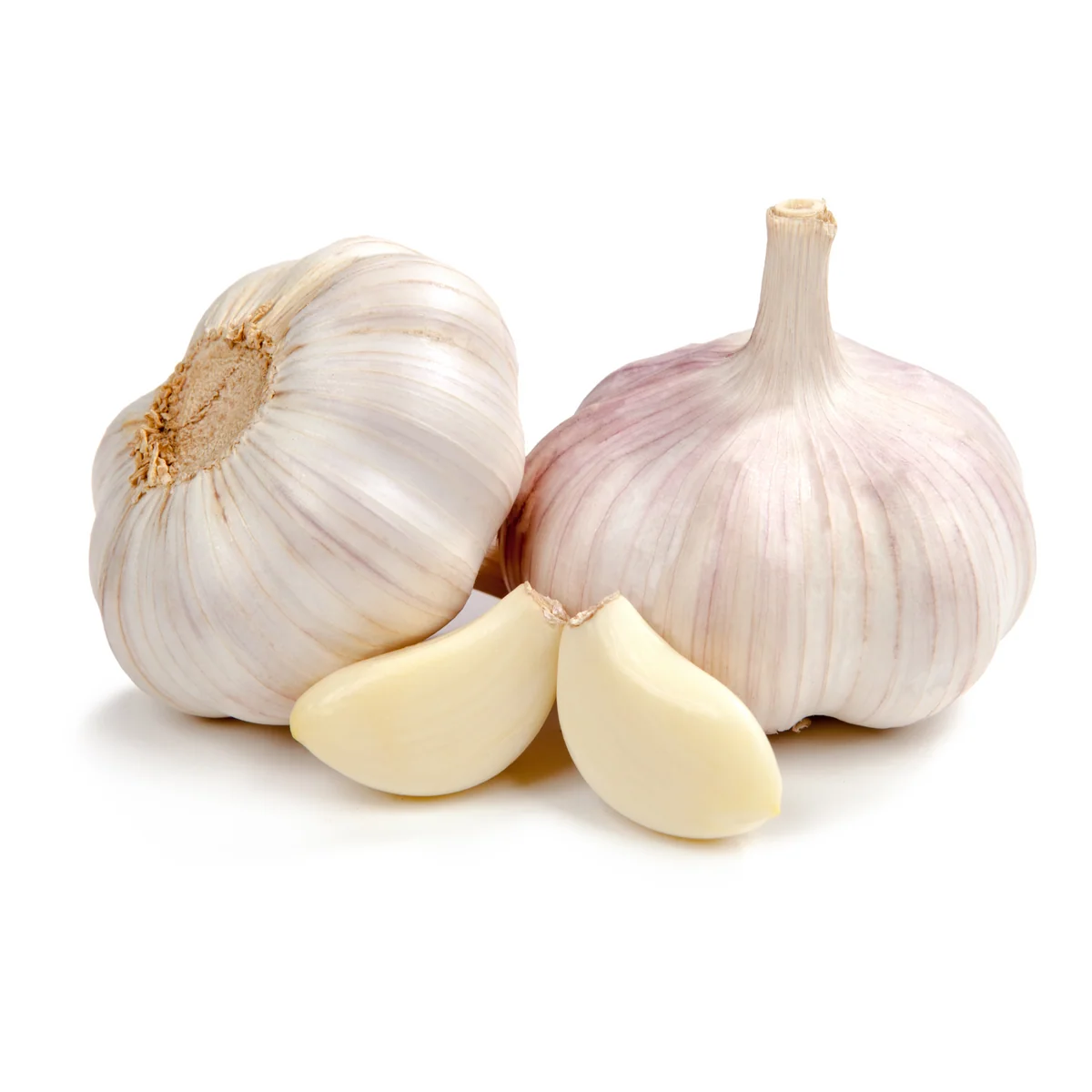
Garlic is a common cooking ingredient with numerous health benefits. Examples include managing cholesterol, boosting heart health, supporting the immune system, protecting against the common cold, and more. Much of garlic’s therapeutic acclaim is down to an active compound called allicin. This sulphur-containing compound gives garlic its pungent smell and distinctive taste.
Luckily for cooks, the action of chopping or crushing stimulates the production of allicin. But it is thought that the application of heat may inhibit some of the perceived medicinal properties, making it best to add garlic late in the cooking process.
– Reduces the risk of heart attacks
Much research has focused on garlic’s potential in reducing the risk of heart disease and helping to manage cholesterol levels. Several studies suggest that garlic makes platelets (the cells involved in blood clotting) less likely to clump together and accumulate on artery walls; this means garlic acts like an anticoagulant and by so doing reduces the risk of heart attacks.
–Manages blood pressure
Garlic may also lower blood pressure through its ability to widen blood vessels, allowing blood to flow more freely.
– Have anti-cancer properties
The sulphurous compounds in garlic have been studied for their ability to inhibit cancerous cells and block tumours. That said, much of the evidence for garlic in relation to colon, prostate, oesophageal and renal cancer is observational, with only small numbers of subjects included in the studies. As a result, the effect garlic has in relation to cancer remains uncertain and more studies are needed.
– Has antimicrobial and antifungal properties
Garlic has a long history of use as an infection fighter against viruses, bacteria and fungi. Some skin conditions, such as warts and insect bites, may also respond to garlic oil or a crushed raw garlic clove.
-Supports bone health
Animal studies suggest garlic may minimise bone loss by increasing oestrogen levels in female rodents. A study in post-menopausal women found a similar effect when a daily dose of dry garlic extract (equivalent to 2g of raw garlic) was consumed.
– Support healthy joints
Studies suggest the consumption of garlic provides some relief from the inflammatory symptoms of arthritis.
-Protects against common cold
Garlic helps to prevent and reduce the severity of illness from flu and the common cold.
– Protects brain
Garlic contains protective compounds that help protect against the cognitive decline associated with ageing. This may slow the progression of conditions such as Alzheimer’s and dementia.
bbcgoodfood.com