
Nutrition
Benefits of garlic

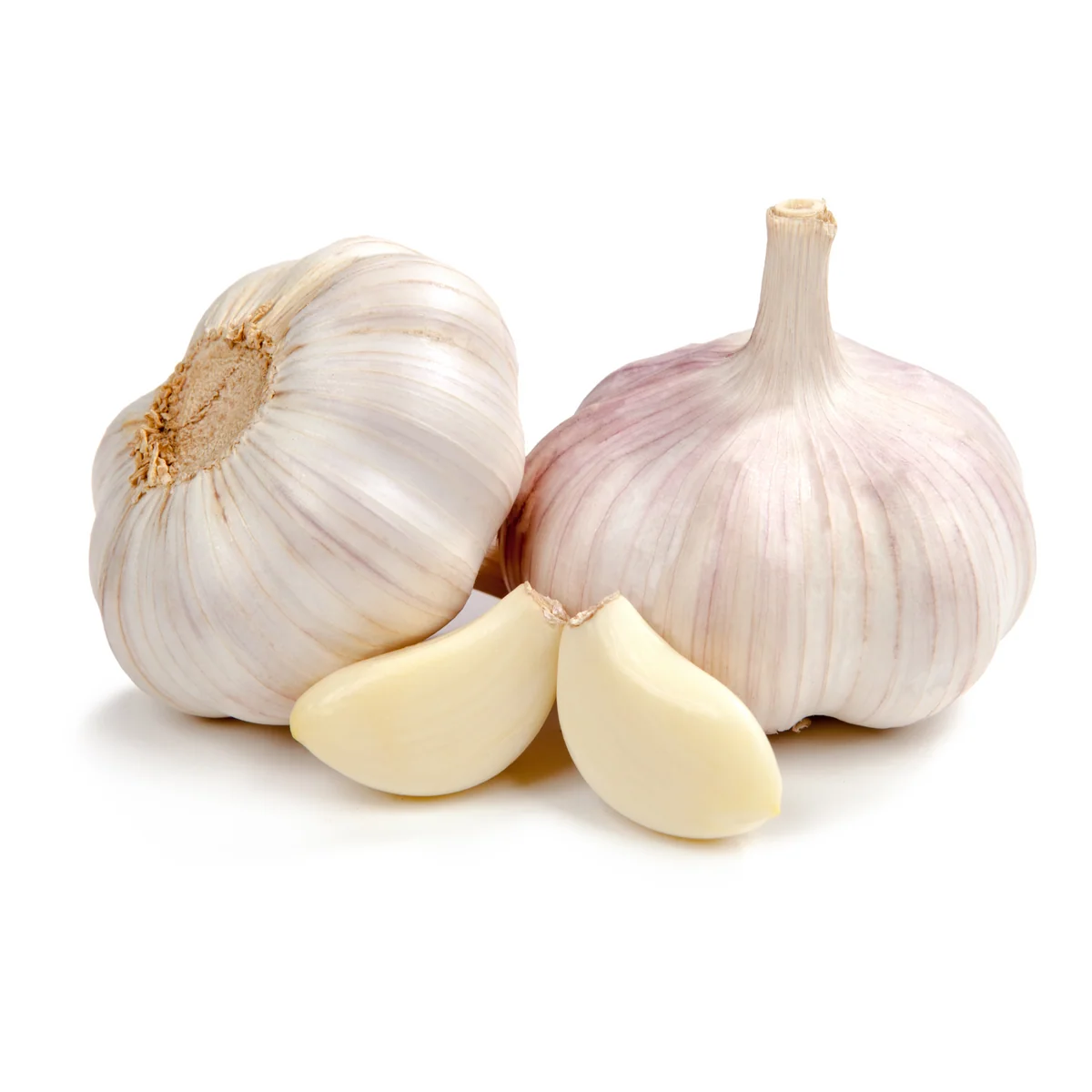
Garlic is a common cooking ingredient with numerous health benefits. Examples include managing cholesterol, boosting heart health, supporting the immune system, protecting against the common cold, and more. Much of garlic’s therapeutic acclaim is down to an active compound called allicin. This sulphur-containing compound gives garlic its pungent smell and distinctive taste.
Luckily for cooks, the action of chopping or crushing stimulates the production of allicin. But it is thought that the application of heat may inhibit some of the perceived medicinal properties, making it best to add garlic late in the cooking process.
– Reduces the risk of heart attacks
Much research has focused on garlic’s potential in reducing the risk of heart disease and helping to manage cholesterol levels. Several studies suggest that garlic makes platelets (the cells involved in blood clotting) less likely to clump together and accumulate on artery walls; this means garlic acts like an anticoagulant and by so doing reduces the risk of heart attacks.
–Manages blood pressure
Garlic may also lower blood pressure through its ability to widen blood vessels, allowing blood to flow more freely.
– Have anti-cancer properties
The sulphurous compounds in garlic have been studied for their ability to inhibit cancerous cells and block tumours. That said, much of the evidence for garlic in relation to colon, prostate, oesophageal and renal cancer is observational, with only small numbers of subjects included in the studies. As a result, the effect garlic has in relation to cancer remains uncertain and more studies are needed.
– Has antimicrobial and antifungal properties
Garlic has a long history of use as an infection fighter against viruses, bacteria and fungi. Some skin conditions, such as warts and insect bites, may also respond to garlic oil or a crushed raw garlic clove.
-Supports bone health
Animal studies suggest garlic may minimise bone loss by increasing oestrogen levels in female rodents. A study in post-menopausal women found a similar effect when a daily dose of dry garlic extract (equivalent to 2g of raw garlic) was consumed.
– Support healthy joints
Studies suggest the consumption of garlic provides some relief from the inflammatory symptoms of arthritis.
-Protects against common cold
Garlic helps to prevent and reduce the severity of illness from flu and the common cold.
– Protects brain
Garlic contains protective compounds that help protect against the cognitive decline associated with ageing. This may slow the progression of conditions such as Alzheimer’s and dementia.
bbcgoodfood.com


Ingredients
-Oil
-1 large onion
-2 cups of rice
-Salt
-2 cups of wheat
Preparation
-In a medium saucepan, heat oil over medium-low heat
-Add the onion and cook, stirring frequently, until soft and turns golden brown
-Wash rice and wheat and put into pan. Sauté for two to three minutes, until toasty and fragrant
-Add water and salt and allow to boil.
– Reduce heat to low and allow to simmer for 10 to 15 minutes until rice is tender and the water is absorbed.
-Taste the rice/wheat; if it is still a bit firm, add a few more tablespoons of water and cook a few more minutes.
-When the rice/wheat is ready, take it off the fire and serve hot
Benefits of wheat
–Improves digestion: High levels of insoluble fibre- wheat promotes regular bowel movements, prevent constipation, and support a healthy gut microbiome.
-Supports heart health: Whole-grain wheat helps lower LDL (bad) cholesterol, reduces blood pressure, and decreases the risk of stroke and heart disease.
-Aids weight management: Complex carbohydrates and dense fibre slow digestion, increase feelings of fullness, and help prevent sharp blood sugar spikes.
-Lowers type 2 diabetes risk: Steady glucose release and minerals like magnesium improve insulin sensitivity.
– Provides essential vitamins and minerals: Wheat supplies B vitamins, iron, magnesium, phosphorus, zinc, and selenium, which help build bones and boost immune function.
–Delivers Antioxidants: Compounds like phenolic acids, ferulic acid, and lutein protect cells from oxidative stress and support eye health.
SKIP THE QUEUE, TAP THE NEWS
You can now read the Ghanaian Times and The Spectator newspapers from the comfort of your device via TimesNewsPlus.
Join our WhatsApp Channel: https://whatsapp.com/channel/0029VbBElzjInlqHhl1aTU27

Ingredients
-4 cups of crushed corn
-1 cup of sugar
Method:
-Soak crushed corn for two or more days to ferment
-Boil the fermented corn for about 20-30 minutes until foamy substance is dried up
-Pour sugar in a saucepan and heat until almost burnt
-Strain water from the boiled corn and pour in the saucepan containing sugar
-Use a strainer to strain the chaff
-Allow to cool and store in refrigerator
– Serve with milk
By Linda Abrefi Wadie





