News
Eat healthily, rest well to avoid diabetes, hypertension- Endocrinologist

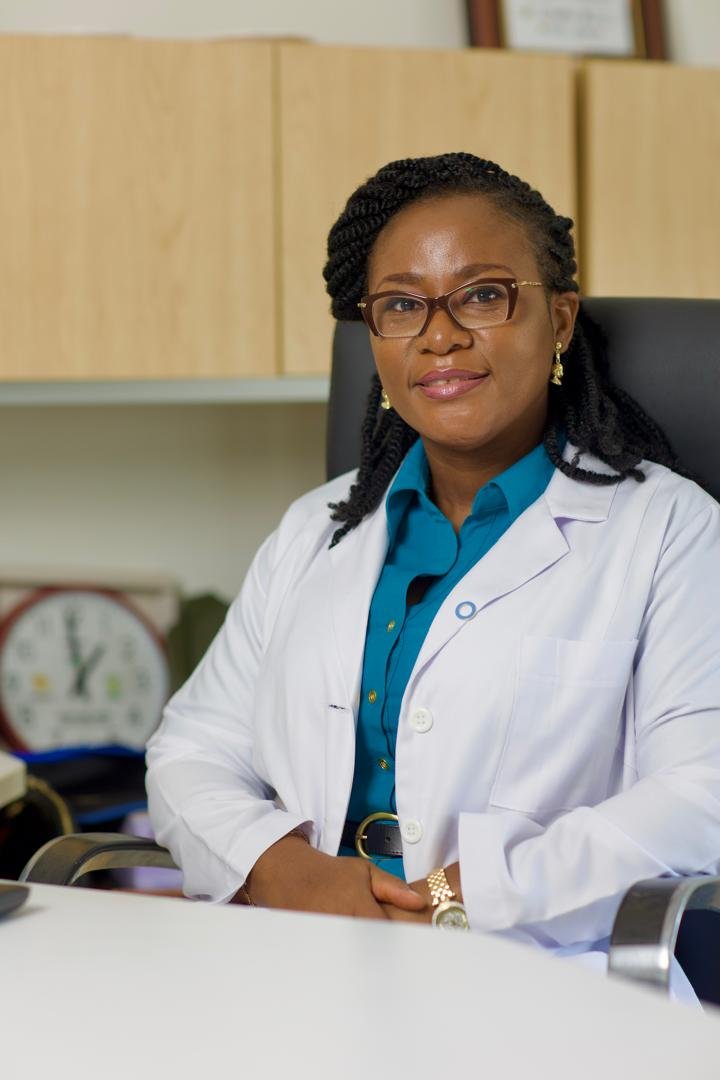
The Head of the Department of Medicine at the Greater Accra Regional Hospital, Dr Cecilia Kootin-Sanwu, has called for urgent lifestyle changes and early screening to curb the rising cases of diabetes and hypertension in Ghana.
Dr. Kootin-Sanwu, an Endocrinologist and Senior Physician Specialist, described Type 1 and Type 2 diabetes as ‘silent killers’ that can go unnoticed for years until complications set in.
She explained that while there are different types of diabetes, about 90 per cent of cases seen are Type 2. Type 1 diabetes, she said, mostly occurs in children but can also occur in adults.
“Type 1 and 2 at times start in a very subtle way, and so it can go for years without giving you many symptoms, and by the time the patient goes to the hospital, he or she might have already developed some complications,” she said.
According to her, patients may urinate more frequently, drink a lot of water, and experience blurred vision, signs many, especially men, dismiss as ageing until vital organs are affected.
She noted that other warning signs include wounds that take long to heal and recurring candidiasis (white) in women, which should prompt immediate medical attention.
On hypertension, Dr Kootin-Sanwu said it is difficult to detect without measuring blood pressure because it often presents no symptoms, but occasionally headaches and blurred vision.
“Without knowing the numbers, you may not know whether something is happening. The typical Ghanaian is not the type that will just go for a checkup when well. We wait for something very serious,” she noted.
She further added that “for many, the first sign may be a stroke or heart attack, which can kill immediately, but that person might have had high blood pressure for a long time.”
Linking Ghanaian diets to the rising trend, she said staples like fufu, banku, and rice among others contain heavy carbohydrates consumed in large portions.
“When you have eaten all these things, your body breaks them down into sugar. It goes into the blood and becomes fuel. The body produces insulin to send the glucose to the cells. When you expose yourself to such high carbohydrate at once, the pancreas overworks, gets tired, and is not able to produce enough insulin. The sugar in the blood goes up and gradually starts destroying organs,” she explained.
“So we need to cut down on the amount of fat we like to see on our foods. Soups with a lot of oil on top, we do our Kontomire stew, we put a lot of oil on top. All these are excess energies that the body doesn’t need,” she cautioned.
Dr Kootin-Sanwu advised Ghanaians to incorporate more local vegetables such as garden eggs and okro, among others to reduce carbohydrates and fats, as well as engage in 30 minutes of walking daily or at least five times a week to reduce diabetes risk.
For hypertension, she urged people to cut down on salt and high-sodium spices.
She also stressed the importance of rest, noting that stress raises cortisol levels, which increases blood sugar, while lack of sleep keeps blood pressure high.
“Six to eight hours of sleep in adults affects blood sugar and pressure a lot,” she said.
The medical specialist further noted that the old perception that diabetes and hypertension are diseases of the elderly has changed. While these conditions were previously common in people aged 50 and above, stroke cases are now being recorded in people as young as 30, 35 and 40.
She also disclosed that even children are now being diagnosed with adult-type diabetes, which was not the case in the past due to sedentary lifestyle and ultra-processed foods among other causes.
“They are consuming ultra-processed foods and drinks, and on top of that, they live sedentary lifestyles. They sit in air-conditioned cars, stay indoors behind gadgets, and get little to no physical activity. Unfortunately, in an attempt to give their children a good life, parents end up contributing to obesity,” she disclosed.
Dr Kootin-Sanwu further called on policymakers to prioritse prevention by strengthening primary healthcare to include routine screening covered by the National Health Insurance Scheme, arguing that early detection was cheaper than treatment.
She also called for sustained public education through the media to enlighten Ghanaians on the prevalence and dangers of diabetes and hypertension as well as prevention.
By Edem Mensah-Tsotorme
SKIP THE QUEUE, TAP THE NEWS
You can now read the Ghanaian Times and The Spectator newspapers from the comfort of your device via TimesNewsPlus.
Join our WhatsApp Channel: https://whatsapp.com/channel/0029VbBElzjInlqHhl1aTU27





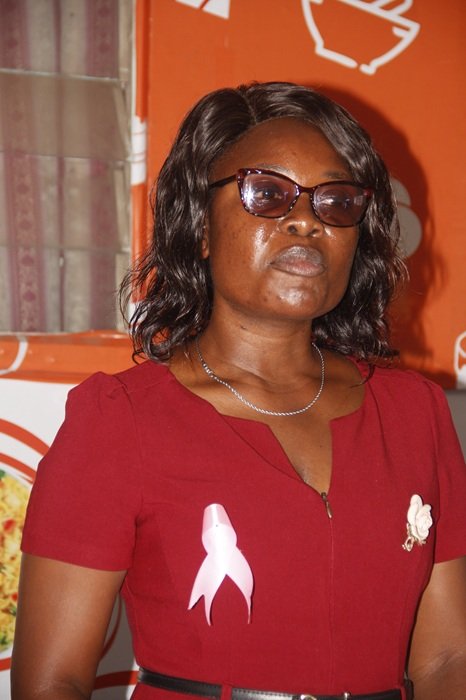
Medical Doctor and dietician, Dr Bernice Korkor Asare, has urged women to take greater responsibility for their lifestyle choices, particularly their eating habits and levels of physical activity, to help reduce their risk of developing breast cancer.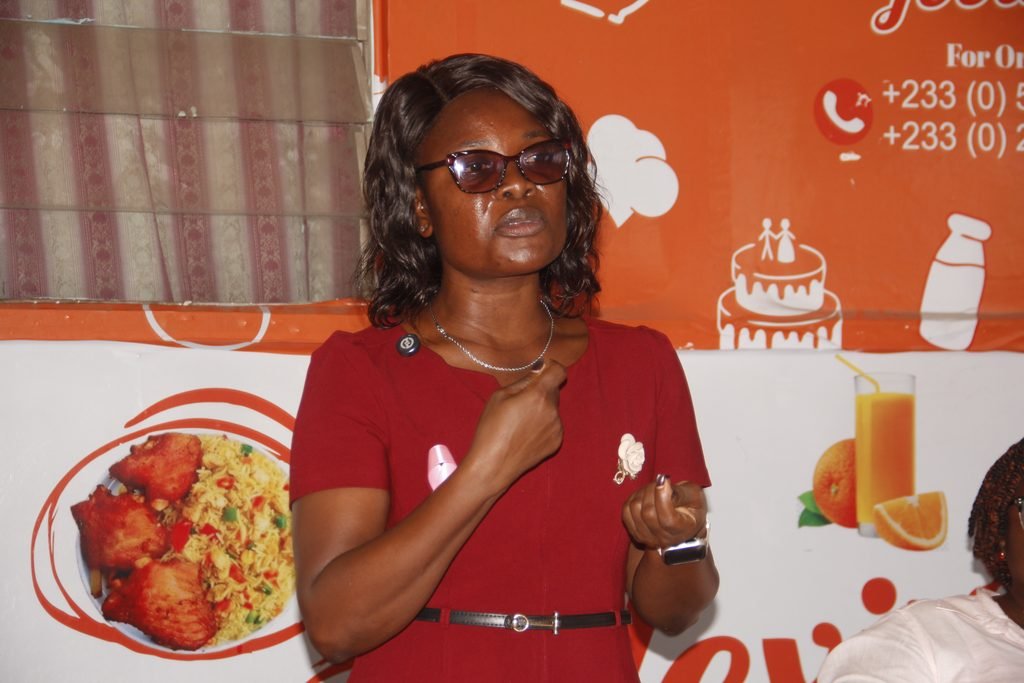
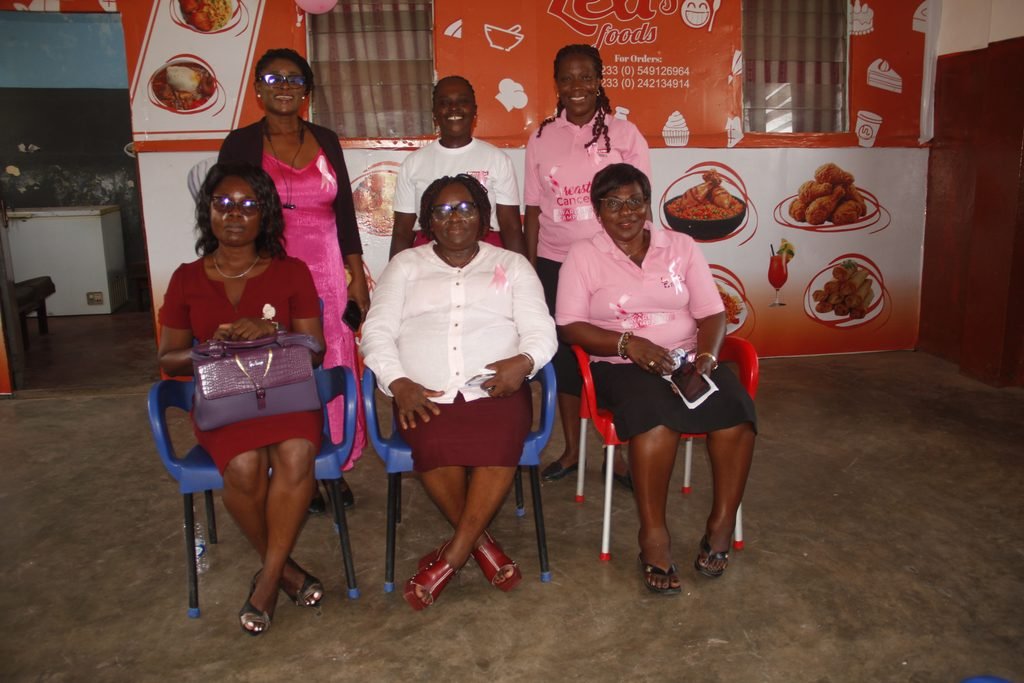
According to her, although, some breast cancer risk factors, such as family history and certain reproductive factors, may not be within an individual’s control, lifestyle choices offer an opportunity for people to take preventive action.
She made this known during a talk on the topic: “Role of diet in breast cancer prevention” organised by Times Ladies Association of the New Times Corporation, publishers of The Ghanaian Times and The Spectator, in Accra on Thursday.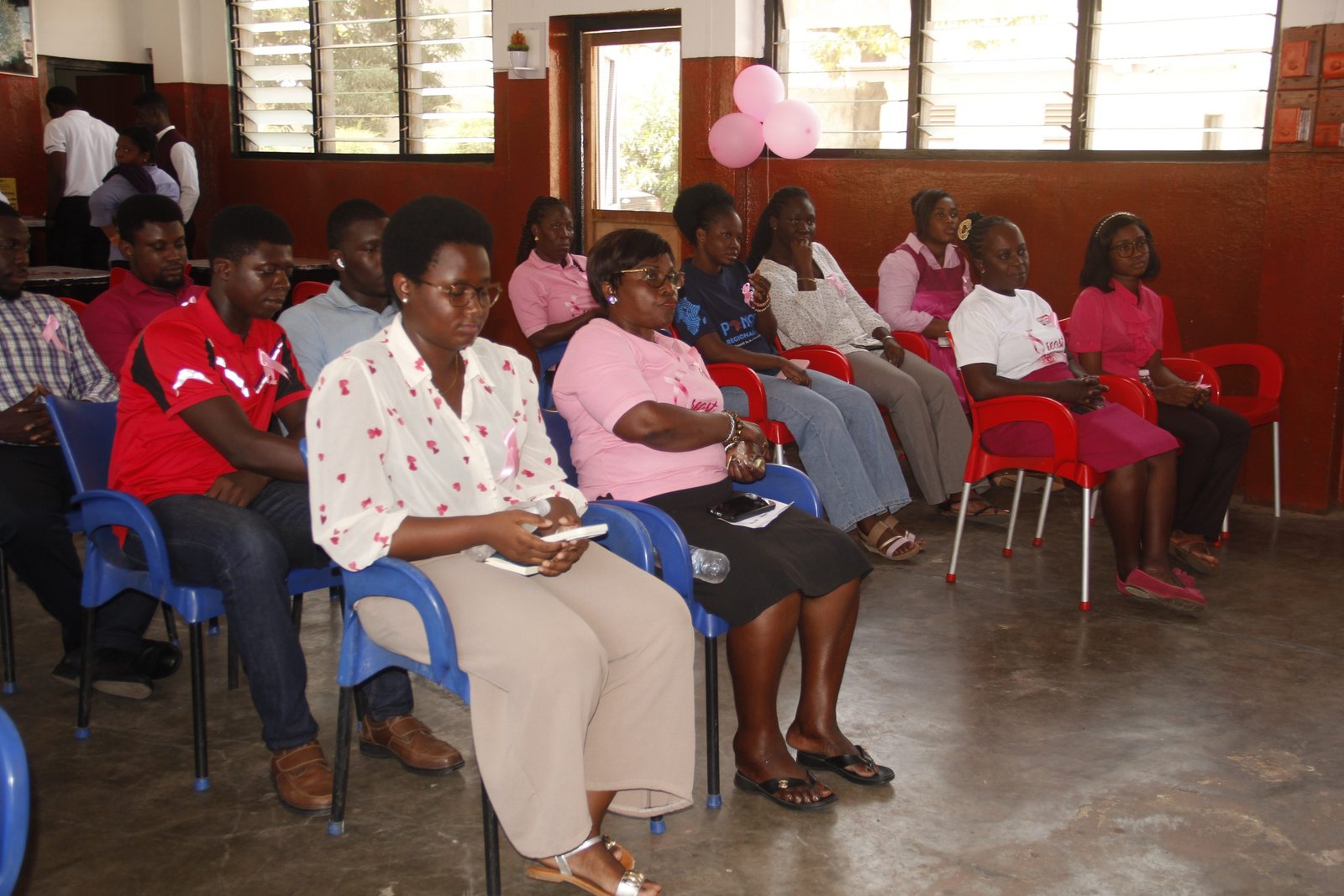
The event themed “Breast Cancer Awareness- Promoting Early Detection, Healthy Eating and Prevention.” 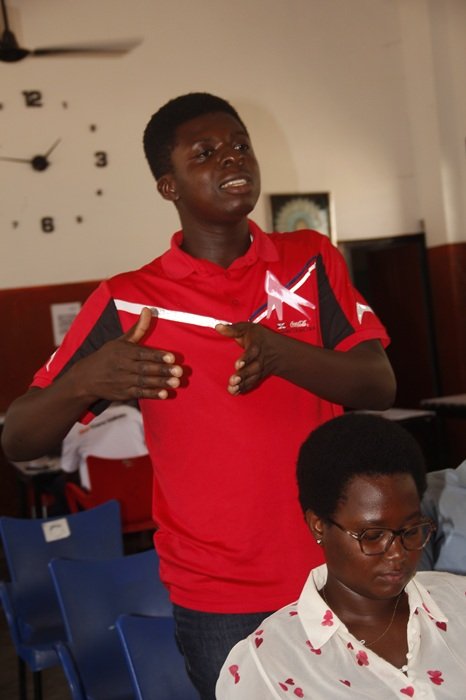
She noted that having a risk factor did not automatically mean a person would develop breast cancer, but could increase the likelihood of developing the disease compared with someone without that particular risk factor.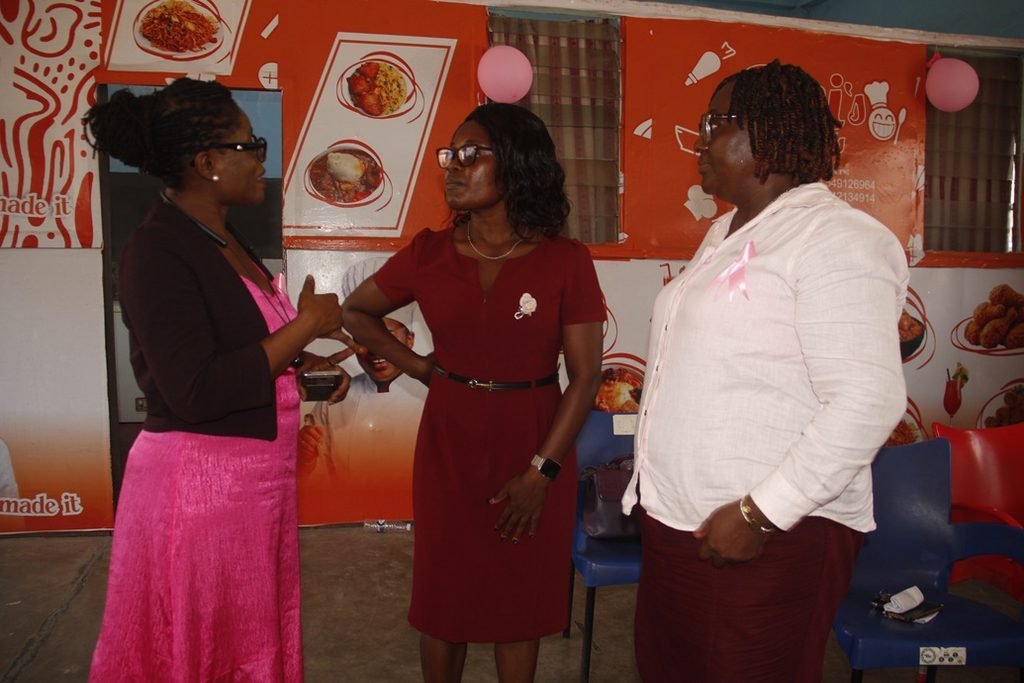
“Having close relatives who have had breast cancer, particularly a mother, sister or daughter, may increase the risk, although not everyone with a family history will develop the disease,” Dr Asare opined. Read More.
By Adizatu K. Munkaila
SKIP THE QUEUE, TAP THE NEWS
Read Daily News
You can now read the Ghanaian Times and The Spectator newspapers from the comfort of your device via TimesNewsPlus.
Buy Maps
Join our WhatsApp Channel: https://whatsapp.com/channel/0029VbBElzjInlqHhl1aTU27
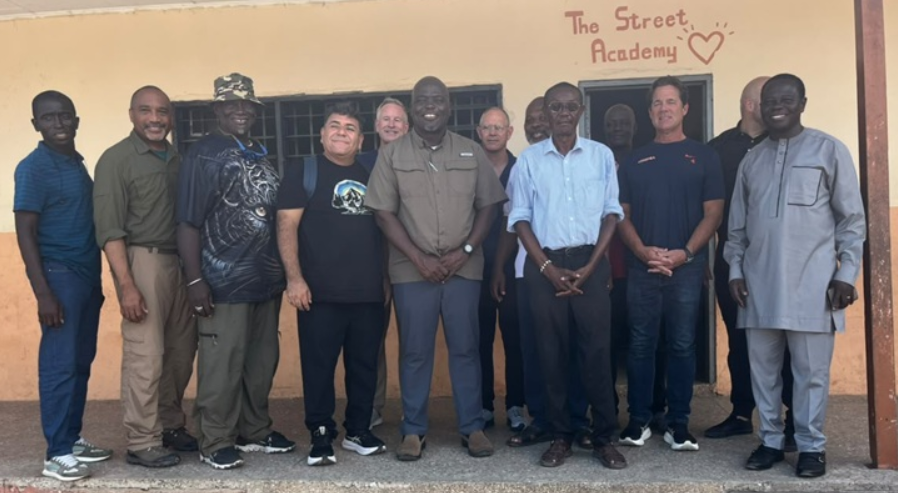
A group of compassionate friends from Innovation Gospel Impact last Friday visited the management, teachers and learners of the Street Academy in Accra.
The visit was to interact to get a deeper insight into the operations of the Academy that houses hundreds of street and underprivileged children and find ways to support them.
The team was led by Rev. Dr Isaac Apenteng Yeboah, a former Director for West African Mailbox Club and Director for Prisons Support Foundation, and Rev. Dale Sutherland from Washington DC.
The call, according to the visitors was occasioned by reports about the struggles of the Academy despite the occasional support it enjoys from individuals and some corporate entities.
Briefing them, the Founder and Executive Director of the Academy, Dr Ataa Lartey, thanked them for the concern showed, indicating that “this is a major boost for both teachers and learners; knowing that their plight is known by people outside their premises.”
According Dr Lartey, the Academy had planned to undertake a number of project to enhance teaching and learning and also procure facilities for the children with keen interest in sports but had to shelve those plans for lack of finance.
He told the team that their biggest concerns were the monthly utility bills that takes a toll on their finances.
“We have a piece of land we planned to turn into an astro turf pitch to train the younger ones whose interests lies in making a career out of football, however, we have been unable to commence because there is no money now,” he said.
Dr Lartey expressed gratitude to the teachers who have dedicated their lives to training these children, rather than going for well-paying jobs and hoped that with time, their conditions of engagement would improve.
Moved by the plight of the Academy, the group donated a cash amount of Gh₵3,000 to settle its water bills.
They described as unfortunate the conditions of learners and teachers of the Academy and pledged to continuously support their operations to realize the dream to build a better future for the unfortunate children.
The group offered to support the school with its monthly utility bills, feeding and staff allowance and urged the Academy staff to remain in constant touch with them.
The Street Academy is located at the Accra Art Center and offers brilliant but needy the chance to pursue their educational dreams by enrolling them in public schools with others offered training in sports and cultural activities.
By Spectator Reporter
SKIP THE QUEUE, TAP THE NEWS
You can now read the Ghanaian Times and The Spectator newspapers from the comfort of your device via TimesNewsPlus.
Join our WhatsApp Channel: https://whatsapp.com/channel/0029VbBElzjInlqHhl1aTU27