Health Essentials
Proof’d

Teenage Hypertension: The silent threat to Ghana’s young generation
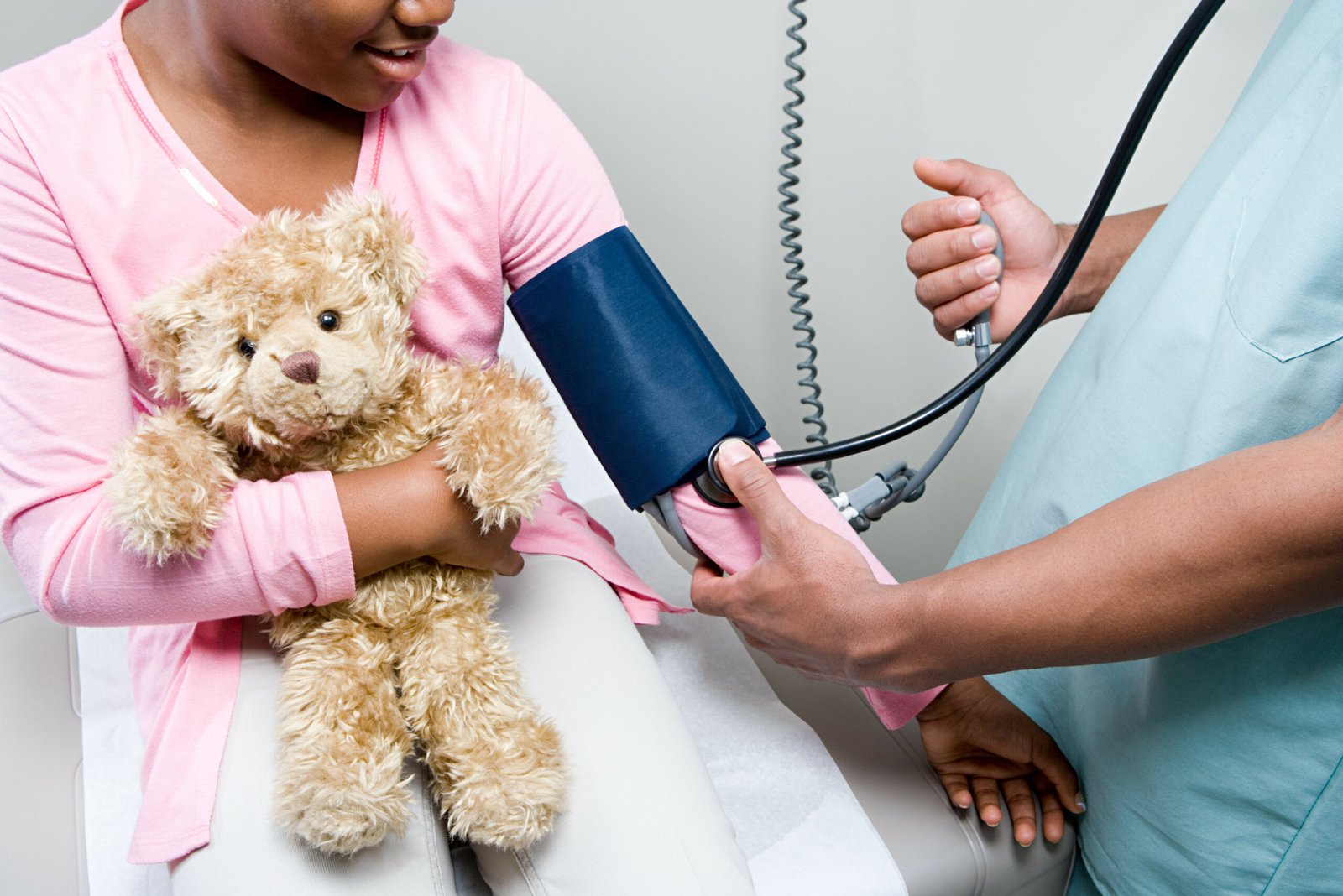
For many Ghanaian teenagers, high blood pressure may seem like a health problem for their parents and grandparents. But as unhealthy eating habits, excess weight and increasingly sedentary lifestyles become concerns for younger populations, protecting heart health during adolescence deserves greater attention.
The danger is that hypertension can develop without obvious symptoms. A teenager may feel perfectly healthy while elevated blood pressure goes undetected, potentially delaying medical assessment and appropriate care.
Although not every teenager with unhealthy habits will develop hypertension, early awareness, healthy lifestyle choices and appropriate blood pressure checks can help reduce future cardiovascular risks.
A growing concern
Hypertension, commonly known as high blood pressure, is a major public health concern worldwide. The World Health Organisation identifies it as an important contributor to premature death, largely because it increases the risk of serious cardiovascular complications.
While the condition is often associated with adulthood, the factors that contribute to its development can begin much earlier in life.
Frequent consumption of foods high in salt, poor dietary habits, excess body weight and insufficient physical activity can undermine cardiovascular health. Family history and certain underlying medical conditions may also increase an individual’s risk.
For teenagers, therefore, the conversation about hypertension should extend beyond hospital visits and include the everyday habits that shape their health.
When lifestyle choices become a concern
Adolescence is a period when young people begin making more independent decisions about what they eat, how they spend their leisure time and how physically active they are.
Convenience foods, processed meals, salty snacks and sugary drinks may become regular features of their diets. At the same time, long hours spent on mobile phones, computers and other digital devices can leave less time for physical activity.
Academic demands and inadequate sleep may further affect their general well-being.
These habits do not automatically lead to hypertension. However, when unhealthy diets and physical inactivity contribute to excess weight, they can increase the risk of high blood pressure, particularly among people with other predisposing factors.
Recognising these risks early offers families, schools and health professionals an opportunity to encourage healthier choices before unhealthy patterns become established.
What Ghana’s cardiovascular health figures reveal
A cardiologist and Senior Lecturer at the University of Ghana Medical School, Professor Alfred Doku, in an interview highlighted the seriousness of cardiovascular disease in Ghana, citing figures indicating that it accounted for approximately 43 to 50 per cent of deaths in the country.
He also stated that about 30 per cent of Ghanaian adults had hypertension, with approximately 70 per cent of those affected unaware of their condition.
Although these figures concern adults and the wider population rather than teenagers specifically, they point to the importance of improving awareness, screening and early detection of high blood pressure.
Professor Doku urged people to know their blood pressure readings and monitor other important health indicators, including blood sugar, cholesterol levels and body weight.
His advice underscores the importance of understanding personal health risks rather than waiting for illness to become apparent before seeking medical attention.
For adolescents, any blood pressure reading that raises concern should be assessed by a qualified health professional. Because blood pressure varies with age, growth and other factors, its interpretation in children and teenagers requires appropriate clinical assessment.
The danger of a condition without obvious symptoms
The Head of the National Cardiothoracic Centre, Dr Kow Entsua-Mensah, also stressed the importance of awareness and early detection in addressing cardiovascular disease.
He explained that hypertension could remain undetected for years because affected individuals might not experience noticeable symptoms.
Dr Entsua-Mensah noted that several factors, including diabetes, high cholesterol, obesity, physical inactivity, unhealthy diets, tobacco use and harmful alcohol consumption, could contribute to cardiovascular damage over time.
He called for greater public awareness of the importance of checking blood pressure and other health indicators before complications develop.
The challenge with hypertension is that the absence of symptoms can create a false sense of security. People may assume they are healthy simply because they feel well, overlooking the need for preventive health checks.
Dr Entsua-Mensah emphasised that addressing cardiovascular disease required cooperation among healthcare professionals, government institutions, schools, businesses, community organisations and the media.
Such collaboration is particularly important for young people, whose health habits are influenced by their homes, schools, peer groups and the wider environment.
Small habits, lasting benefits
Professor Doku said many cases of heart disease and stroke could be prevented or their risks reduced through appropriate lifestyle changes and effective management of contributing factors.
He encouraged young people to reduce their salt intake, eat balanced meals, exercise regularly and avoid smoking.
Describing hypertension as a silent threat, he warned that people should not wait for symptoms before taking their blood pressure seriously.
Hypertension, he stressed, could have serious consequences, including heart failure and stroke, when left undetected or inadequately managed.
For teenagers, protecting heart health does not necessarily require complicated routines. It begins with practical, everyday decisions: eating a balanced diet, choosing foods with less salt, participating in regular physical activity and getting adequate sleep.
Avoiding tobacco products and maintaining a healthy weight are also important steps towards reducing cardiovascular risks.
Young people who are diagnosed with hypertension should follow the advice of their healthcare providers and take prescribed medication as directed. Lifestyle changes can support treatment, but they should not replace medication when it is medically necessary.
Parents have an important role to play by encouraging healthy eating and physical activity at home. Schools can contribute by providing opportunities for exercise, promoting health education and making nutritious food choices more accessible to students.
Healthcare professionals, meanwhile, can help identify young people who may be at risk, assess abnormal readings and guide families on appropriate follow-up care.
Protecting the next generation
Addressing hypertension among young people requires more than individual effort. It calls for a coordinated response involving families, schools, healthcare providers, policymakers and the media.
Public education should challenge the perception that high blood pressure is exclusively an older person’s condition. Teenagers need accurate information about cardiovascular health, the factors that increase their risk and the importance of seeking professional advice when necessary.
Appropriate screening and follow-up care can also help identify elevated blood pressure and ensure that young people who need medical attention receive it.
However, the extent of hypertension among Ghanaian teenagers should not be inferred from statistics relating to adults. Reliable, age-specific national data are needed to establish the scale of the problem and guide targeted interventions.
That evidence gap makes it important to approach the subject with both urgency and accuracy: raising awareness of the risks without exaggerating what is known about their prevalence among adolescents.
For Ghana’s young generation, the message is clear. Feeling healthy does not always mean that blood pressure is normal, and good cardiovascular health should not be left until adulthood.
By encouraging healthier habits, improving access to appropriate health checks and making reliable information available to young people, Ghana can take meaningful steps towards protecting the heart health of its next generation.
By Esinam Jemima Kuatsinu
SKIP THE QUEUE, TAP THE NEWS
You can now read the Ghanaian Times and The Spectator newspapers from the comfort of your device via TimesNewsPlus.
Buy Maps
Join our WhatsApp Channel: https://whatsapp.com/channel/0029VbBElzjInlqHhl1aTU27


Don’t we all dream of a life that is filled with laughter? That may be a reason for chasing big bucks, which like the golden-fleece eludes the majority of us. Financial Wellness is extremely important but there are other factors that make us happy and healthy and eventually wealthy.
You definitely do not need to live in Finland to experience happiness even though many people agree that is the “headquarters” of happiness. The happiness in Finland for instance is based on the provision of basic infrastructure and services, minimal corruption and strong social support among others. These go a long way to minimise anxiety making room for one to enjoy the good things of life.
Then when you live in Sikaman and any of its other cohorts, it is challenging to have those in authority create the environment where you can be happy. That’s why you need to “happy yourself” and the happiness hacks below will help you do just that. Even if you live in Finland, you will gain much more by following these steps.
- Wake-Up Ritual
- Say to yourself that today will be a beautiful day or a great day
- Ask God what He has in store for you. Use me Lord (if not a Christian what you believe in will be useful as well.
- Remind yourself of your purpose in life and get out of bed
- Do not grab your phone as the first thing for the day.
- Pray
- Talking to God has a way of calming our nerves. It brings about unexplained peace and when we add praise and worship then the floodgates open. That is how to win battles against unhappiness.
- Smile
- Definitely floods your body with feel good hormones and insulates you from stress
- Smiling is infectious so the more you smile the better and you set off a smiling OR happiness domino effect.
- Meditate
- Extremely good for your brain and an easy way to start is to do deep-breathing and just focus on your “breath” excluding all others. That is what some will prefer to call mindfulness. Being in the moment has immense benefits. Things you never knew existed suddenly spring up.
- Exercise
- That wonder drug that trumps virtually all others. Like smiling it does pour out feel good hormones. Strength training even goes an extra mile causing our muscles to act as “pharmacies” that pour out life-changing signals every time they contract.
- Be kind to yourself & to others.
- We are often too harsh on ourselves. Give yourself a break. Self-care is the real deal!!
- Being harsh to others has no benefits.
- Spend some time doing nothing
- We need to re-set from time to time. Spend about 10 minutes a day doing absolutely nothing. There is happiness and innovation in “idling”. Do not abuse idling though
- Spend time with loved ones
- This is another powerful happiness “hack”. You have to make time and be intentional about this; talk on phone, send messages, arrange to meet for a drink or meal. Social Wellness ranks very high on the happiness index and it’s fairly easy to plug into it.
- While spending time together remember that your choice of food and drinks also impacts on how happy or sad or anxious you may feel.
- Indulge in a hobby
- Our bodies and brain love variety. Do you have a hobby? Get one
- Write in your gratitude diary
- That is all it takes – keep doing it regularly.
This list is not exhaustive but definitely a good start. Share your happiness hacks with me via email and together we can keep the world smiling and happy.
At the end of each day ask yourself if you did better than the previous day. That is all it takes. Doing better than the previous day for 365 days, for 5 years, 10 years… How amazing that will be!!!
AS ALWAYS LAUGH OFTEN, ENSURE HYGIENE, WALK AND PRAY EVERYDAY AND REMEMBER IT’S A PRICELESS GIFT TO KNOW YOUR NUMBERS (blood sugar, blood pressure, blood cholesterol, BMI)
Dr. Kojo Cobba Essel
Health Essentials Ltd/Medics Clinic
(dressel@healthessentialsgh.com)
*Dr. Essel is a Medical Doctor with a keen interest in Lifestyle Medicine, He holds an MBA and is an ISSA Specialist in Exercise Therapy, Fitness Nutrition and Corrective Exercise. He is the author of the award-winning book, ‘Unravelling The Essentials of Health & Wealth.’
Thought for the week – “There is no magic formula to being happy but making a conscious effort to be happy goes a long way.” – Dr. Kojo Cobba Essel
By Dr. Kojo Cobba Essel
SKIP THE QUEUE, TAP THE NEWS
You can now read the Ghanaian Times and The Spectator newspapers from the comfort of your device via TimesNewsPlus.
Join our WhatsApp Channel: https://whatsapp.com/channel/0029VbBElzjInlqHhl1aTU27

There are thousands of diet plans and some people change them almost as often as they change their underwear. We have fallen in love with pills and injections all in a bid to fast-track the wellness dream. The plastic surgeon’s blade and even prayers have all been called upon to perform miraculous acts. Is there a single path to achieving Wellness or has man found that wonder pill yet?
Is the result of an annual medical examination all that is needed to determine how well one is? Can you have great reviews in the clinic yet feel tired and unhappy? Does wellness obey the all or none law or is it a whole spectrum where majority of us fall within?
Wellness involves at least six (6) areas or pillars that we need to balance since they all work together to make us the best versions of ourselves.
When we fall short in any one of them, it may have consequences in other areas but we don’t need to be perfect in any area; balance is all that is needed. The era of lockdown for instance brought to the fore the importance of Social Wellness; many of us felt isolated when we had to avoid our work colleagues for weeks on end. Even the output of some of us dipped. Oh, you surely are not alone. Even people you detested meeting in the office you now longed to spend time with. Breathe a sigh of relief; that feeling is normal, nothing untoward is happening to you. The majority of us humans are social beings and we blossom when surrounded by family and friends and hugs and handshakes are the norm.
The Six Pillars of Wellness.
- Physical
- Mental
- Social
- Financial
- Digital
- Spiritual
Physical Wellness
Are you taking proper care of your body? Do you exercise, eat right and get your regular medical examinations?
Avoid awkward postures like sitting slouched forwards or bending at the waist to pick an object. Surely you are washing your hands regularly with soap and water. Have you noticed the loud silence from cholera when handwashing was fashionable during the pandemic?
Mental Wellness
The way you think, act or feel falls into this category but it is definitely not an island on its own. Your physical well-being and all the others impact on your mental health.
Time to relax, sleep, manage your time, enjoy nature and be kind to others. These together with deep breathing and laughter, go a long way to keep your mental health in great shape.
Social Wellness
The relationships we have and the way we interact with others. Your mental health, physical health all impact on your relationships. When you exude happiness, people give it right back to you. Build strong relationships; just a few trustworthy people who you can share your challenges with will go a long way to stabilise your mental health and pave the way for all others to flow. When you feel unduly stressed do you have anyone you can speak to before getting professional help? Do not be a loner.
Financial Wellness
How secured is your money? Are we prepared for emergencies in an uncertain future? We need baseline financial security to be able to get all the other pillars working seamlessly. How can you eat well or get medical examinations done with no financial backing? Finances tend to be one of the greatest stressors in life. Do not ignore the need for financial stability, you need it more than you can imagine. Speak to someone who can assist you plan your future TODAY.
Digital Wellness
What measures are you taking that aim at regulating and improving healthy use of technology? If you set virtual meetings, training programmes etc. all day because you are working from home, then when do you get to rest your mind, eyes and back from prolonged sitting among many others? One thing will lead to another. Many of us can hardly unplug. Our phones are on 24/7 and we think sleep is a luxury. NO! Inadequate sleep will open the floodgates to a tonne of health challenges including stress, overeating, alcohol abuse, fatigue and even accidents from fatigue.
Get sleep; it’s a lifeline!
Spiritual Wellness
Are you connected to a greater being who provides us with a sense of purpose, values, principles, morals and beliefs among many others?
If you asked for my opinion, I recommend God. Speak to him daily (prayer) and he will set you on the right path.
In all things do not specialise in one or a few of these pillars of wellness. We should all aim at getting a fair balance in each area and we can be the very best of ourselves. Now do not put unnecessary pressure on yourself; everyone has challenges but taking one step at a time and always remembering that we need different aspects to make life the best that it can be.
AS ALWAYS LAUGH OFTEN, ENSURE HYGIENE, WALK AND PRAY EVERYDAY AND REMEMBER IT’S A PRICELESS GIFT TO KNOW YOUR NUMBERS (blood sugar, blood pressure, blood cholesterol, BMI)
Dr. Kojo Cobba Essel
Health Essentials Ltd/Medics Clinic
(www.healthessentialsgh.com)
*Dr. Essel is a Medical Doctor with a keen interest in Lifestyle Medicine, holds an MBA and is an ISSA Specialist in exercise therapy, fitness nutrition and corrective exercise. He is the author of the award-winning book, ‘Unravelling The Essentisals of Health & Wealth.’
Thought for the week – “Defining health and wellbeing; The World Health Organisation (WHO) defines health as ‘a state of complete physical, mental and social wellbeing and not merely the absence of disease or infirmity’ (WHO, 1948).”
SKIP THE QUEUE, TAP THE NEWS
You can now read the Ghanaian Times and The Spectator newspapers from the comfort of your device via TimesNewsPlus.
Join our WhatsApp Channel: https://whatsapp.com/channel/0029VbBElzjInlqHhl1aTU27