Nutrition
Salt, Sugar and Oil: The three ingredients we need to watch

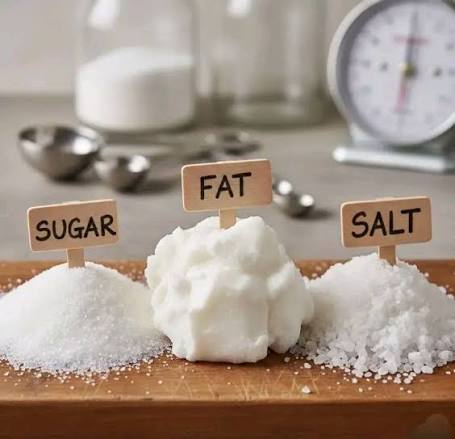
Salt, sugar and cooking oil are ordinary parts of many Ghanaian diets. None needs to be treated as an enemy. The concern arises when they are consumed in excessive amounts, often without us realising how much we are actually eating.
The key is not necessarily to eliminate them, but to understand how much we consume, how often we consume them and where they appear in our diets.
Salt contains sodium, an essential nutrient that the body needs. However, consuming too much sodium can raise blood pressure and increase the risk of cardiovascular disease. The World Health Organization recommends that adults consume less than 2,000 mg of sodium per day, equivalent to less than five grams of salt.
Much of the sodium in our diets may come not only from the salt shaker but also from processed and packaged foods, seasoning products, condiments and heavily salted meals.
One simple step is to taste food before automatically adding extra salt. Using herbs, spices, onions, garlic, ginger, peppers and other flavourful ingredients can help meals remain enjoyable without relying entirely on salt.
For people who regularly use packaged seasoning products, checking the label where one is available can also help identify products that contain higher amounts of sodium.
Sugar presents a different but related challenge. Sugary drinks, sweetened tea, confectionery and many processed foods can add substantial amounts of free sugar to the diet.
Drinks deserve particular attention because they can be consumed quickly and may contain considerable amounts of sugar without creating the same feeling of fullness as a meal.
Water is therefore one of the simplest alternatives. Unsweetened drinks can also help people reduce their intake of added sugar. WHO recommends limiting free sugars to less than 10 per cent of total daily energy intake, with further benefits when intake is reduced to below five per cent.
This does not mean that every sweet food has to disappear from the household. It means paying attention to frequency, portion size and everyday habits.
The body needs dietary fat. Fats provide energy and help the body absorb certain vitamins. However, fats are energy-dense, meaning that relatively small amounts contain substantial amounts of energy.
Deep-fried foods can therefore contribute significantly to overall energy intake, particularly when eaten frequently. Fried foods do not automatically become “bad” foods, but frequency, portion size and cooking methods matter.
A useful strategy is moderation. A household does not necessarily need to stop using cooking oil; it can simply avoid using more than necessary and vary cooking methods where practical.
For families, small changes can add up. Using less salt when cooking, reducing added sugar in drinks, choosing water more often and limiting frequent deep-fried meals are practical steps that do not require an expensive diet.
Nutrition is rarely about one ingredient ruining a meal. It is about patterns.
A little salt, sugar or oil does not define whether a person’s diet is healthy. The bigger questions are how much is consumed, how often it is consumed and what the rest of the diet looks like.
Feature Article by Women, Media and Change
SKIP THE QUEUE, TAP THE NEWS
You can now read the Ghanaian Times and The Spectator newspapers from the comfort of your device via TimesNewsPlus.
Join our WhatsApp Channel: https://whatsapp.com/channel/0029VbBElzjInlqHhl1aTU27


Ingredients
-Oil
-1 large onion
-2 cups of rice
-Salt
-2 cups of wheat
Preparation
-In a medium saucepan, heat oil over medium-low heat
-Add the onion and cook, stirring frequently, until soft and turns golden brown
-Wash rice and wheat and put into pan. Sauté for two to three minutes, until toasty and fragrant
-Add water and salt and allow to boil.
– Reduce heat to low and allow to simmer for 10 to 15 minutes until rice is tender and the water is absorbed.
-Taste the rice/wheat; if it is still a bit firm, add a few more tablespoons of water and cook a few more minutes.
-When the rice/wheat is ready, take it off the fire and serve hot
Benefits of wheat
–Improves digestion: High levels of insoluble fibre- wheat promotes regular bowel movements, prevent constipation, and support a healthy gut microbiome.
-Supports heart health: Whole-grain wheat helps lower LDL (bad) cholesterol, reduces blood pressure, and decreases the risk of stroke and heart disease.
-Aids weight management: Complex carbohydrates and dense fibre slow digestion, increase feelings of fullness, and help prevent sharp blood sugar spikes.
-Lowers type 2 diabetes risk: Steady glucose release and minerals like magnesium improve insulin sensitivity.
– Provides essential vitamins and minerals: Wheat supplies B vitamins, iron, magnesium, phosphorus, zinc, and selenium, which help build bones and boost immune function.
–Delivers Antioxidants: Compounds like phenolic acids, ferulic acid, and lutein protect cells from oxidative stress and support eye health.
SKIP THE QUEUE, TAP THE NEWS
You can now read the Ghanaian Times and The Spectator newspapers from the comfort of your device via TimesNewsPlus.
Join our WhatsApp Channel: https://whatsapp.com/channel/0029VbBElzjInlqHhl1aTU27

Ingredients
-4 cups of crushed corn
-1 cup of sugar
Method:
-Soak crushed corn for two or more days to ferment
-Boil the fermented corn for about 20-30 minutes until foamy substance is dried up
-Pour sugar in a saucepan and heat until almost burnt
-Strain water from the boiled corn and pour in the saucepan containing sugar
-Use a strainer to strain the chaff
-Allow to cool and store in refrigerator
– Serve with milk
By Linda Abrefi Wadie