Profile
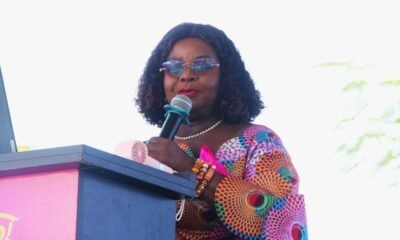
Stitching Technical, Vocational skills to greatness …The inspiring story of Mrs Joyce Neenekwor Pechi-Anim


For many years, Technical and Vocational Education and Training (TVET) was perceived as an option for people who were not academically inclined.
However, as society evolves, vocational skills have become an important driver of economic growth, creating jobs and empowering people to build successful enterprises.
One woman demonstrating the power of vocational skills is Mrs Joyce Neenekwor Pechi-Anim, Founder and Chief Executive Officer of Joycelyn Fit Fashion, Cake and Décor, popularly known as JFit, in Koforidua.
With more than 26 years’ experience in fashion design, cake artistry, catering, event decoration, planning and vocational training, Mrs Pechi-Anim has built a thriving enterprise serving government institutions, corporate organisations and individuals across the Eastern Region and beyond.

Her journey began at age 18 after she completed her training at St Annie’s Vocational Institute at Nuaso.
Encouraged by Mr Alfred Yaw Kissi, then Eastern Regional Secretary of the Ghana National Tailors and Dressmakers Association (GNTDA), she moved to Koforidua at age 21 to pursue her dream.
But success did not come wrapped in a ribbon.
She first operated from the porch of her rented apartment at Koforidua-Ada. As customers increased, she began searching for a shop. A grateful client promised to provide one but Joyce had to wait and repeatedly follow up for seven months before the promise was fulfilled.
The shop she eventually received was small, but her ambition was not.
She continued sewing, took on apprentices and built a reputation for creativity, discipline and, above all, keeping her word.
“If I tell you to come for your dress at 7 a.m. on Thursday, I mean it. By the time clients come, it is ready,” she told The Spectator in an interview.
That simple principle of punctuality became one of the hallmarks of her business.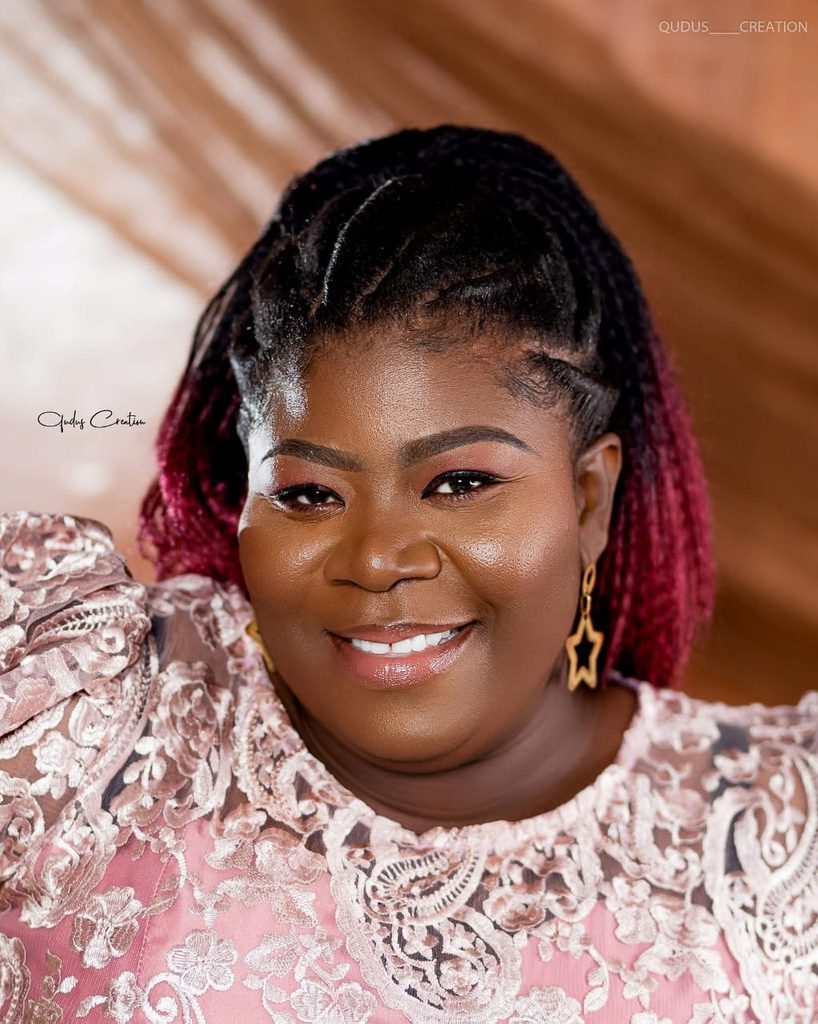
Her passion for empowering others also grew.
Through her vocational school, Mrs Pechi-Anim has trained more than 300 apprentices, about 100 of whom are now established in fashion, hospitality and the creative industries in Koforidua, Accra, Nkawkaw, Krobo Odumase and beyond.
Never content to remain in one lane, she ventured into cake artistry in 2016, enrolling at Flora Cakes and Décor for nine months. She later expanded into event decoration, planning and catering.
She later pursued other vocational courses in Ghana and Lagos.
Her portfolio included major assignments such as the decoration of the late Dr Omane Boamah’s one-week celebration in Koforidua, Eastern Expo 2026 and the Eastern Regional Hospital’s centenary celebration.
Her work has earned her more than 30 awards and certificates of honour, including Outstanding Woman CEO of the Year, 2025, presented to her by the Ghana Art Choice and Business Industry in June 2026,
Beyond business, Mrs Pechi-Anim has held leadership positions, including National Vocational Training Institute (NVTI) Examiner, Secretary for the Ghana National Tailors and Dressmakers Association (GNTDA) from 2000 to 2010, and currently, Treasurer. She is also a Council Member of the Ghana National Chamber of Commerce and Industry.
She attributed her success to discipline, hard work, creativity and excellent customer service, while encouraging young people to acquire skills and use social media to market their talents.
Yet, behind the accolades was a woman who knows the difficult side of entrepreneurship.
She recalled apprentices stealing work materials, customers refusing to pay outstanding balances after events and others attempting to damage her reputation by portraying her services as too expensive.
Through all these challenges, she said discipline, hard work, integrity and excellent customer service have kept her moving.
For Mrs Pechi-Anim, vocational education is no longer a second choice.
“I have nurses and other salaried workers coming to learn skills to build careers and support themselves financially,” she said.
She revealed that she has a dream to build a much bigger vocational school, where she would train young children from age three upwards to enable them acquire vocational skills at a tender age.
She believes that would help them to use the skill to support themselves financially throughout their lives to supplement their academic goals.
She, therefore urged parents to support children who show interest in vocational training rather than forcing them into careers they do not enjoy.
She also advised young people to acquire a skill and use technology to their advantage.
In an era dominated by social media, she encouraged the youth to showcase their work online instead of using the platforms solely for entertainment.
She revealed that she used social media to market JFit and has embraced Artificial Intelligence (AI) tools to improve her work.
Married to Mr Richard Pechi-Anim since 2009 and a mother of three, Mrs Pechi-Anim believed her story demonstrated that success can be stitched together, one skill, one client and one determined step at a time.
She called on the government to create platforms for successful people in the TVET sector to share their stories and inspire others.
For her, the sewing machine that once sat on a humble porch has become more than a tool. It has been an instrument of enterprise, empowerment and hope.
From Ama Tekyiwaa Ampadu Agyeman, Koforidua
SKIP THE QUEUE, TAP THE NEWS

You can now read the Ghanaian Times and The Spectator newspapers from the comfort of your device via TimesNewsPlus.
Join our WhatsApp Channel: https://whatsapp.com/channel/0029VbBElzjInlqHhl1aTU27







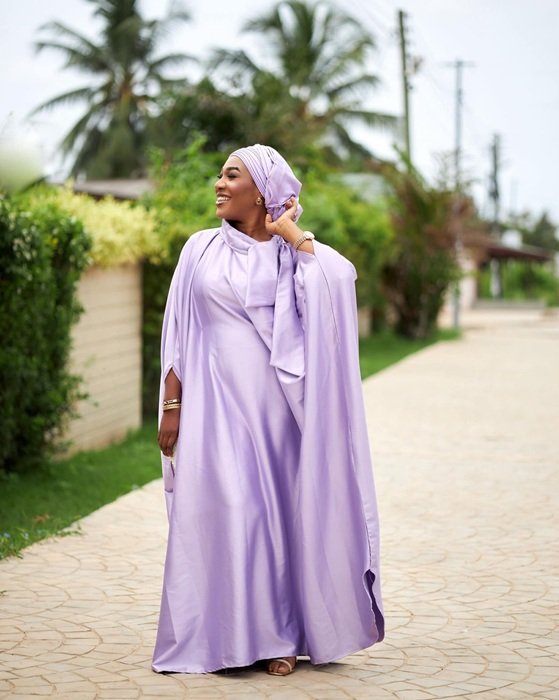
For Ms Fafa Gozo, being alive is a blessing she no longer takes for granted. Having faced breast cancer and endured the challenges of treatment, she has learnt to appreciate life differently, embrace change and find strength in an experience she once feared would end her life.
“If you ask me how to describe my life today, I would say well, because I am alive,” she said.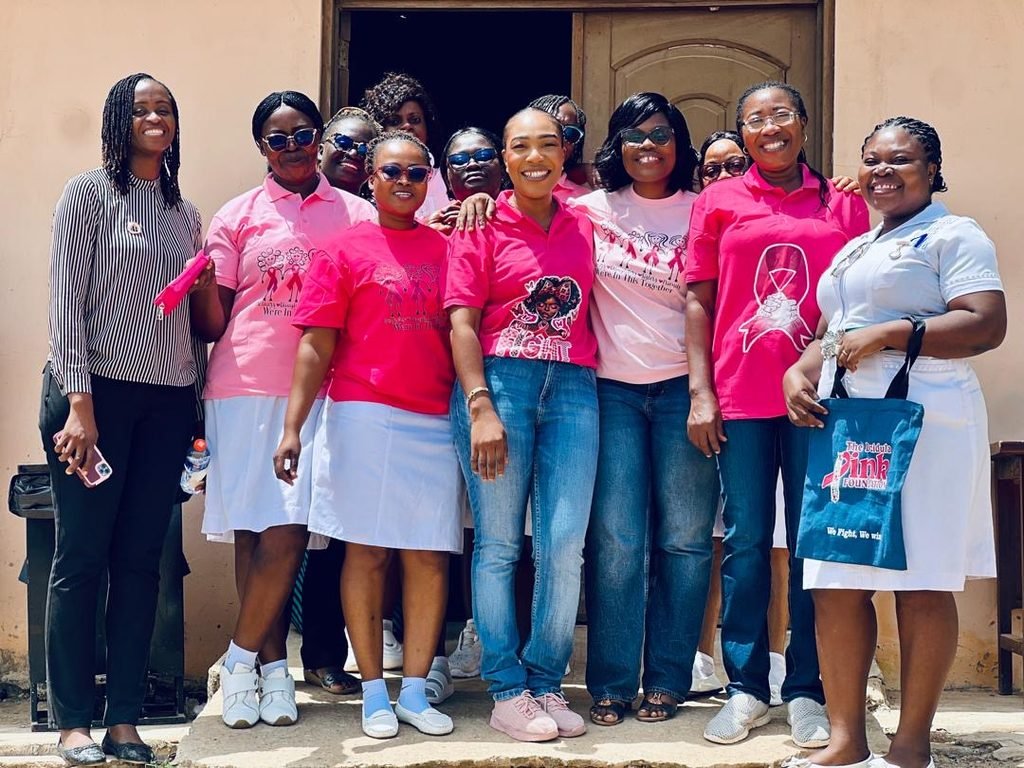
Although her life is no longer the same as it was before her diagnosis, she is grateful for the opportunity to live and make the most of each day.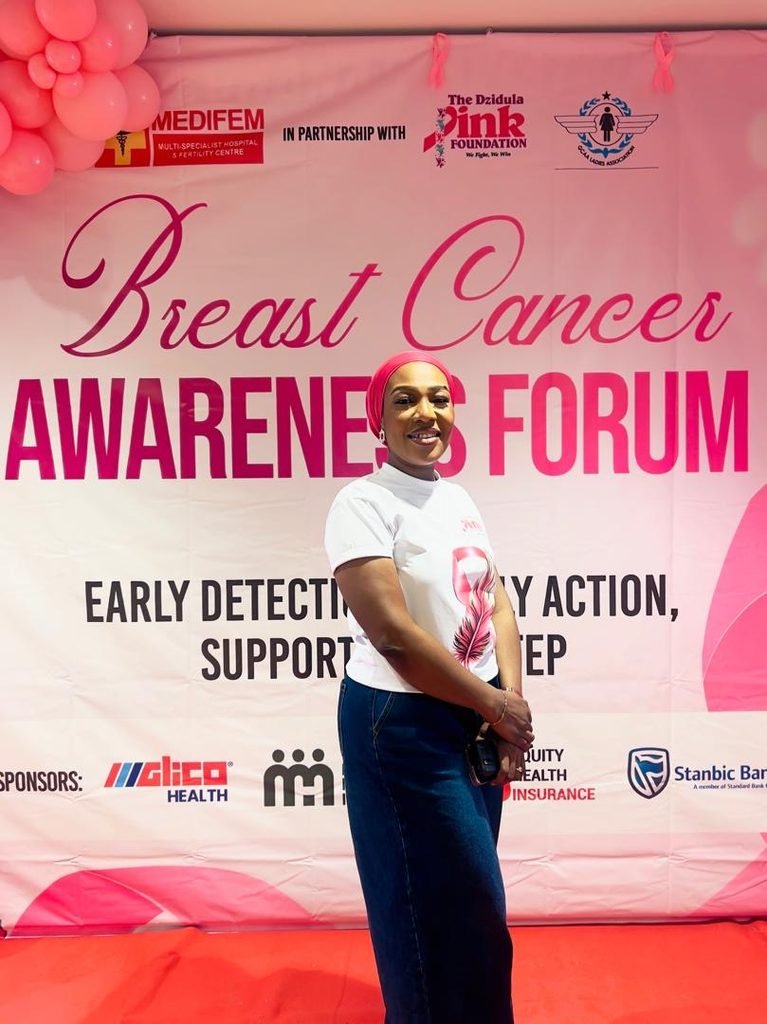
Before breast cancer, Ms Gozo described herself as a happy woman who balanced her responsibilities as a mother, wife and career woman. However, her life changed when she discovered a lump in her breast while breastfeeding her youngest child.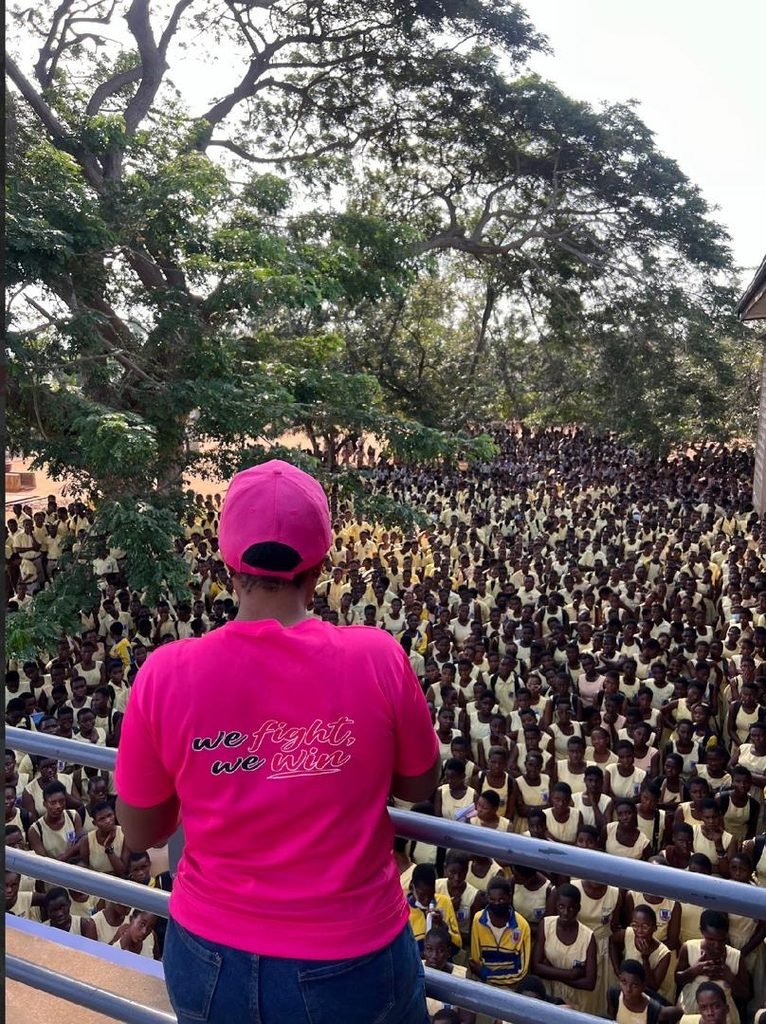
She sought medical attention, and further examinations led to a diagnosis of invasive breast cancer. The news was difficult to accept, particularly as she had a young child and family responsibilities to consider.
Chemotherapy began almost immediately. The treatment weakened her body, and she had to return to the hospital for further care.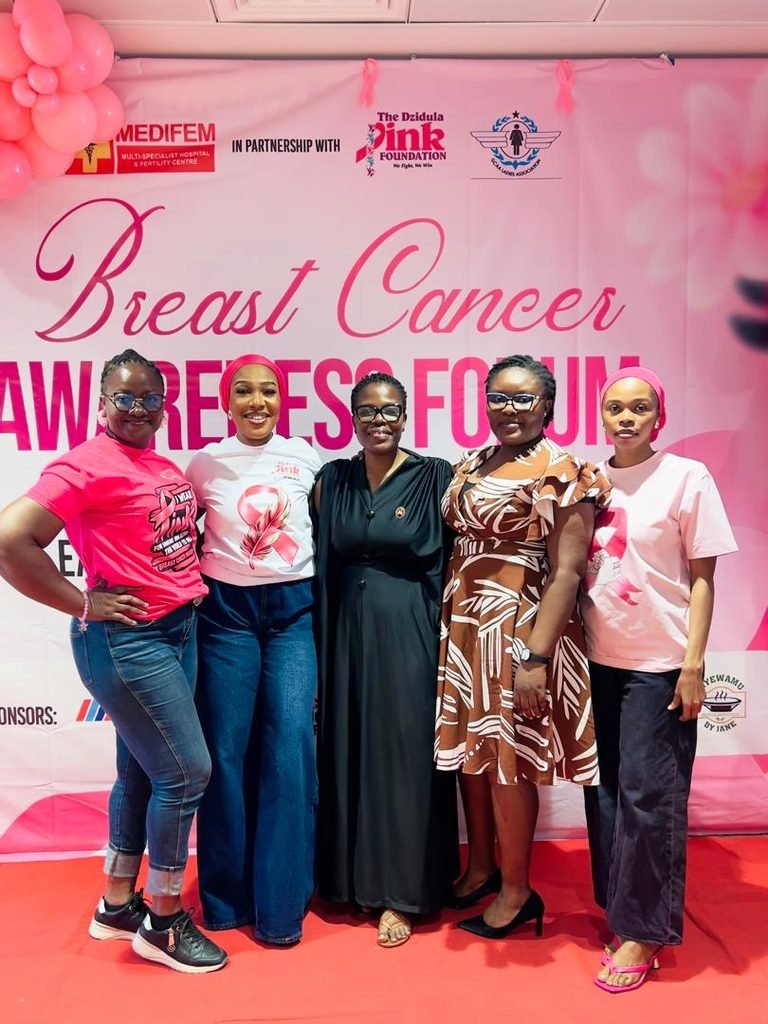
Beyond medication, she needed emotional strength to cope with the physical and psychological demands of the experience. Nevertheless, she continued with treatment, drawing strength from her faith and determination to live.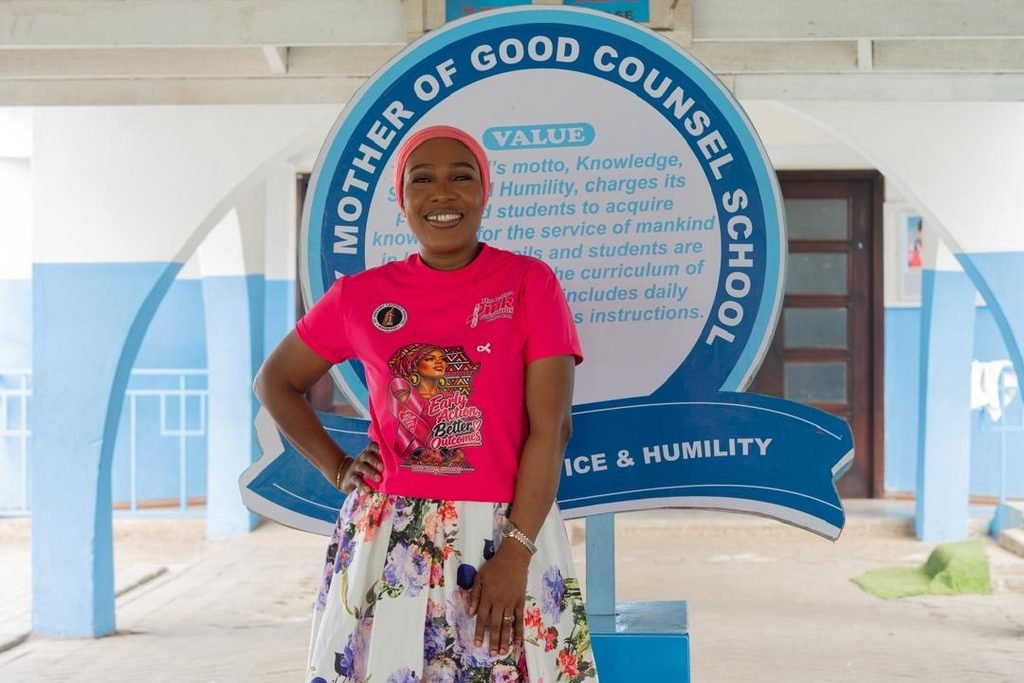
May 2022 marked the end of her chemotherapy, bringing relief after months of treatment. In June, she began another phase of her journey, focusing on recovery and rebuilding her life.
Healing was gradual, requiring physical and emotional adjustments. Just when she thought the worst was over, another health concern arose; bringing renewed anxiety and the need for further medical attention.
The experience taught her that recovery does not always follow a straight path. It requires patience, courage and the willingness to face uncertainty.
Despite the difficulties, Ms Gozo has chosen to embrace the woman she has become rather than dwell on what she has lost.
“The old Fafa is gone, but I am loving the new Fafa. I appreciate the new Fafa more and take life easy because now I know life is very short and very vulnerable. Everyone is at risk,” she said. Read More.
By Esinam Jemima Kuatsinu
SKIP THE QUEUE, TAP THE NEWS
You can now read the Ghanaian Times and The Spectator newspapers from the comfort of your device via TimesNewsPlus.
Buy Maps
Join our WhatsApp Channel: https://whatsapp.com/channel/0029VbBElzjInlqHhl1aTU27

From Doryumu to two Bars: The remarkable journey of Lawyer Nyarkotey Obu
From the quiet communities of Doryumu and Dodowa in the Shai-Osudoku area of Greater Accra to courtrooms in two West African countries, Lawyer Raphael Nyarkotey Obu’s story is one of unusual professional reinvention. 
On Friday, October 9, 2026, the naturopathic scholar was called to the Ghana Bar, following his earlier admission to the Bar in The Gambia in November 2024.
The milestone places him in a pioneering position. He has been reported as the first African naturopath to qualify as a lawyer in two West African countries—an achievement that combines natural medicine, academic leadership and legal training in a way rarely seen on the continent.
Beyond the ceremonial wig and gown, however, lies a larger question: how will he use the law to improve the regulation of traditional, complementary and alternative medicine (TCAM) in Africa?
The early journey
Nyarkotey traces his roots to Doryumu in the Shai-Osudoku district. Part of his childhood was spent with his grandmother in the Suhum-Amrahia area, before his family journey took him to Teshie Lascala, where he began his basic education.
He later attended Ghanata Secondary School, Dodowa. These formative experiences preceded a career that would take him from classrooms in Ghana to professional legal training in Banjul and clinical and academic engagements in Asia.
Those beginnings matter because his achievements did not emerge from a single, straightforward professional path. He first built a name in Ghana’s developing natural medicine sector as an educator, researcher, author and advocate for stronger standards.

Education and difficult questions
That conviction informed the establishment and development of Nyarkotey College of Holistic Medicine in Ashaiman. The institution pursued structured professional education and competency-based training, including work connected to national occupational standards for naturopathy and holistic medicine.
Yet its growth brought the challenge familiar to emerging health professions: educational ambitions can advance faster than the laws governing those who complete the training.
The College faced questions within Ghana’s tertiary education regulatory environment, while Nyarkotey also became involved in a public dispute with the Traditional Medicine Practice Council (TMPC).
At the centre was disagreement over the reach of the Traditional Medicine Practice Act, 2000 (Act 575), and its application to naturopathy and other complementary and alternative medicine disciplines. The dispute entered the courts, where the interpretation of statutory authority remains a matter for legal determination.

Why he studied law
It was against this backdrop that law became increasingly central to his work. After obtaining his law degree, Nyarkotey proceeded to the Gambia Law School and was called to the Gambian Bar in November 2024. He subsequently completed the route to admission in Ghana, culminating in the October 2026 ceremony. The second Bar call gives his professional story an especially Ghanaian significance: the legal questions that shaped his ambitions can now be addressed with the benefit of Ghanaian legal qualification.
The distinction is noteworthy, but he regards it as a means rather than an end. His interest is not simply in representing individual practitioners. He wants to contribute to laws that separate legitimate professional training from unsupported claims, define safe scopes of practice, provide fair disciplinary processes and protect patients. The objective, he argues, should be regulation that is firm, clear and suitable for Africa’s diverse healthcare landscape.
India and a wider horizon
In August 2026, Nyarkotey led 16 Ghanaian naturopaths to India for clinical immersion at Arujiva Ayurveda and Naturopathy Hospital in Karnataka. Their exposure included Ayurveda, yoga, naturopathy, nutrition and lifestyle-based care.
Subsequent interactions with Indian universities and professional institutions widened the educational exchange. For him, the visit offered a practical view of how training, research, hospitals and public policy can interact within established traditional medicine systems.
India also supplied a lesson in patience. Nyarkotey recalls being told by an Indian colleague that gaining recognition for an educational institution can involve years of persistence. He drew from that conversation a renewed commitment to documentation, programme quality, clinical preparation and continued regulatory engagement. 
QAI partnership and standards
A recent development is the College’s Memorandum of Understanding with India’s Quality and Accreditation Institute (QAI). The partnership is intended to support quality assurance, curriculum improvement and professional development across naturopathy and related complementary medicine disciplines. It marks a shift from pursuing recognition principally through advocacy towards building systems that can be independently assessed.
For Nyarkotey, the agreement offers a platform for developing that quality culture while respecting the jurisdiction of Ghana’s own educational and professional regulators.
An African professional agenda
His thinking has also become continental. In March 2026, representatives associated with naturopathy from 11 African countries established the African Naturopathic Federation, with Nyarkotey as founding president.
The Federation seeks to advance professional education, research, ethics and cooperation. Its potential lies in helping African countries discuss common training benchmarks while allowing each country’s laws, institutions and healthcare needs to shape implementation.
Nyarkotey is additionally promoting an India–Africa AYUSH Centre for Education, Research and Regulatory Cooperation. The proposed platform would connect African institutions and policymakers with Indian expertise, not only in training and clinical exposure but also in standards, research and responsible investment.
He believes African traditional knowledge and India’s institutional experience can form a productive partnership without either being treated as a substitute for scientific scrutiny or patient safety.
A law firm with a specialised mission
Perhaps his most distinctive future plan is a law firm devoted substantially to TCAM and healthcare regulation. He envisages advising governments, professional bodies, colleges, hospitals, clinics and businesses on legislation, registration, licensing, contracts, institutional compliance, patient rights and professional accountability.
He also hopes to assist African countries seeking to draft or modernise legal frameworks for traditional, complementary and alternative medicine.
That ambition follows naturally from his own encounters with overlapping institutions and contested regulatory mandates. More coherent frameworks could clarify which authority regulates practitioners, which oversees academic qualifications and which controls medicinal products.
Such separation would help protect the public while creating lawful pathways for properly trained professionals. Any reform, however, will require consultation with health authorities, patients, conventional medical professionals and complementary medicine stakeholders.
An achievement and a responsibility
Nyarkotey’s story is not free of controversy. His positions on regulation have attracted criticism, and his institution has faced scrutiny. A balanced assessment must recognise those disputes without allowing them to erase the work he has undertaken.
Nor should international partnerships, professorial titles or two Bar calls be mistaken for proof that every proposal is sound. His legacy will depend on the standards he helps establish and the results they produce.
From Doryumu, Dodowa, Suhum-Amrahia and Teshie Lascala to Ghanata Secondary School, Banjul, India and the Ghana Bar, the arc of his journey is striking.
Yet its next chapter may matter more than its earlier honours. If his legal training helps African countries adopt workable TCAM legislation, if his educational partnerships deliver measurable quality, and if his proposed specialist practice contributes to patient protection, the impact will extend far beyond one individual.
The first African naturopath to have qualified as a lawyer in two West African countries now faces a larger professional assignment: turning a remarkable personal achievement into durable legal and educational progress for natural medicine across Africa.
SKIP THE QUEUE, TAP THE NEWS
You can now read the Ghanaian Times and The Spectator newspapers from the comfort of your device via TimesNewsPlus.
Buy Maps
Join our WhatsApp Channel: https://whatsapp.com/channel/0029VbBElzjInlqHhl1aTU27