Gender
Awareness: First weapon against breast cancer


October is globally observed as Breast Cancer Awareness Month -a period dedicated to raising awareness, honouring millions of lives touched by the disease, and reaffirming the worldwide commitment to equitable access to care and improved survival for all.
This annual observance, marked in countries across the globe, serves as a rallying point to increase attention and support for early diagnosis, treatment, and survivorship. The 2025 theme, “Every story is unique, every journey matters,” places a spotlight on the deeply personal experiences of breast cancer survivors and patients. It underscores the diversity of their struggles while reinforcing the urgent need for compassionate, timely, and quality care regardless of geography, income, or background.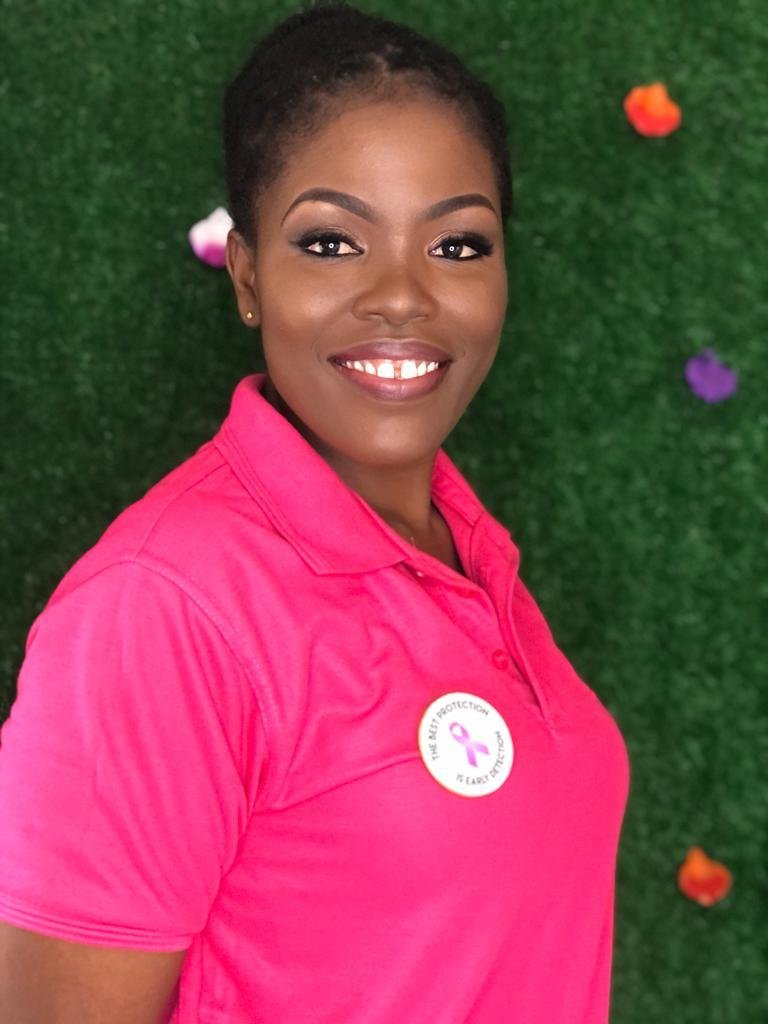
Behind every diagnosis lies not only a medical condition but also a story-one filled with courage, resilience, and hope. These stories extend beyond individuals, shaping the experiences of their families, friends, and entire communities.
Breast cancer continues to be the most diagnosed cancer among women worldwide. According to the World Health Organisation (WHO), approximately 2.3 million women were diagnosed in 2022, and about 670,000 died from the disease.
“These are not just numbers but mothers, sisters, daughters, and friends who deserve hope and dignity,” the WHO emphasises.
Survival rates, however, differ starkly across regions. While the five-year survival rate exceeds 90 per cent in high-income countries, it drops to 66 per cent in India and 40 per cent in South Africa. The reasons are clear: unequal access to early detection, timely diagnosis, and effective treatment.
If current trends remain unchecked, both incidence and mortality are projected to rise by 40 per cent by 2050. To address this, the WHO established the Global Breast Cancer Initiative in 2021, working with partners to strengthen health systems and reduce preventable deaths worldwide.
The situation in Ghana
In Ghana, breast cancer poses a particularly pressing public health concern. It is the most common cancer among women, accounting for about 15 per cent of all malignancies.
Studies reveal a troubling trend: almost 70 per cent of women are diagnosed at advanced stages, where treatment options are limited and survival rates much lower. In 2012, nearly half of Ghanaian women diagnosed with breast cancer lost their lives to the disease.
These statistics point to late presentation, cultural stigma, and limited access to screening facilities as some of the key factors fuelling high mortality.
Experts warn that unless more women come forward for early screening and timely treatment, these figures may remain stubbornly high.
Executive Secretary of the Breast Cancer Society of Ghana (BCSG), Mrs Georgina Kumah-Dzagah, said the numbers are not just statistics, they represent lived experiences. A survivor herself, she knows first-hand the difference early detection and treatment can make.
“My journey could have ended differently if I had ignored the early signs,” she reflected. “That is why the theme ‘Catch it early, treat it right, survive it’ is not just a slogan to me. It is a lifeline that can save countless women.”
Mrs Kumah-Dzagah believes awareness is the first weapon in the fight. She stresses that women must be proactive, know their bodies, and act quickly when something feels unusual.
“A lump, nipple discharge, or changes in the skin should never be ignored or treated with fear and silence,” she explained. “Hospitals and screening centres are there to help us, not to harm us. Early detection gives the best chance for a cure.”
The Executive Secretary also raised concern about the role of misinformation and reliance on untested remedies saying, too often, delays and misplaced trust in alternative cures cost lives.
“Treating it right means trusting science and trained professionals,” she stressed. “Modern treatment -whether surgery, chemotherapy, radiotherapy, or hormone therapy -may be tough, but it saves lives. I went through these treatments myself, and though the journey was not easy, I am living proof that treatment works when given at the right time.”
Her message resonates strongly in a society where cultural beliefs sometimes discourage women from seeking hospital care, and myths about breast cancer fuel stigma.
For Mrs Kumah-Dzagah, survival is not simply about conquering the disease. It is also about reclaiming life, hope, and purpose.
“Breast cancer is not a death sentence,” she affirmed. “Survivorship comes with challenges, but it also brings strength. Today, I speak not just for myself but for every woman still in the fight.”
A call for collective action
Mrs Kumah-Dzagah believes that breaking the silence and stigma around breast health is critical. She called on women, families, and communities to support open conversations and proactive health checks.
She said “let us be bold to check, quick to act, and committed to supporting each other. If we catch it early and treat it right, we will surely survive it.”
She said, BCSG continues to lead nationwide campaigns to create awareness, encourage screening, and support patients and survivors.
Through advocacy and education, the organisation, she said reminds women that vigilance, timely treatment, and community support can turn the tide against breast cancer.
By Esinam Jemima Kuatsinu
Join our WhatsApp Channel now!
https://whatsapp.com/channel/0029VbBElzjInlqHhl1aTU27









A training and capacity-building workshop was held on Thursday for the media to intensify coverage on gender-based issues to support women’s participation in leadership and governance in Accra.
The workshop, held under the theme ‘Strengthening Advocacy for the Implementation of Ghana’s Affirmative Action (Equity) Law, 2024 – The Case of the Media’, brought together journalists from selected media houses.
The Convener of the Affirmative Action (AA) Law Coalition, Ms Sheila Minka-Premo (Esq.), stressed that the media has a critical responsibility to educate the public on the importance of the Affirmative Action Act, noting that sustained and informed reporting would strengthen advocacy and support the effective implementation of the law.
While commending both the Legislature and the Executive for the passage and presidential assent of the Affirmative Action Bill into law, the AA Law Coalition Convener appealed to government to address existing gaps. These include the constitutional provision of 30 per cent women’s representation in politics, inadequate policy frameworks to advance affirmative action, and weak compliance by state institutions.
She charged the media to highlight and promote the role of women in leadership and to actively support a smooth and effective implementation process of the Act.
In her welcome address, Executive Director of ABANTU for Development, Dr Rose Mensah-Kutin, said the training sought to strengthen journalists’ advocacy skills to enable them to educate the public on the provisions and significance of the law.
Dr Mensah-Kutin commended ActionAid Ghana for supporting the advocacy efforts, urging the media to prioritise the law to ensure its sustainability.
The Affirmative Action (Gender Equity) Act, 2024 (Act 1121) was passed by Parliament in July 2024 and received presidential assent in September 2024, following years of sustained advocacy by women’s rights organisations, gender activists, and other stakeholders.
By Linda Abrefi Wadie
Join our WhatsApp Channel now!
https://whatsapp.com/channel/0029VbBElzjInlqHhl1aTU27

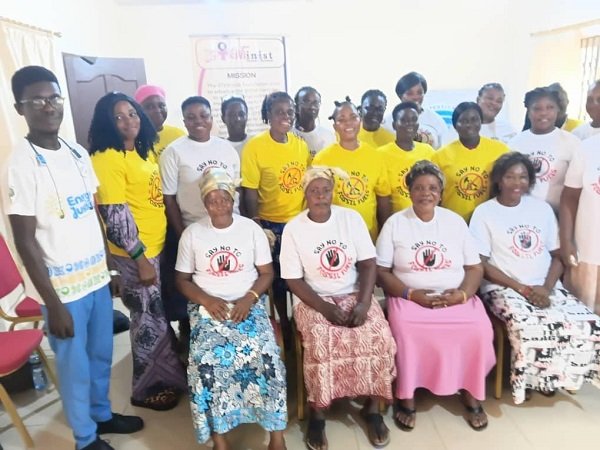
STEMINIST Foundation, Ghana, a Non-Governmental Organisation (NGO) with support from Keta Ramsar Centre has trained about 25 women selected from the Keta Municipality on the rights of women and how to use them for their voices to be heard in their communities.
STEMinist Foundation, Ghana, is a network of women advocating equal opportunities through excellent representation of women in Science, Technology, Engineering and Mathematics (STEM).
The women, mostly fishmongers and other self-styled workers, were taken through topics such as Understanding Energy and Climate Justice, Fossil Gas Expansion, Livelihoods’ Care Work and Health, Women Leadership, and Power Building among others.
Mrs Nerissa Edem Anku, Gender Justice Transition Advisor of the Foundation, noted that the theme “Energy Justice: Empowering Women with Power, Rights and Dignity,” was chosen for the women to reconnect, reflect, and look ahead in shaping their rights as women.
She stated that women have been relegated to the background in the communities when it comes to decision making, stressing the need to correct that for them to know they have rights to fight for themselves.
Mrs Nerissa Edem Anku further noted that women in fishing communities wanted to see real and tangible improvements in their living conditions, spearheaded by government to prevent unhealthy confrontations with the local people.
She assured that the NGO would continue to strengthen its programmes to ensure that women were empowered to contribute meaningfully to the socio-economic development of their families, communities, and the nation.
Miss Portia Adu-Mensah, Facilitator, Community Mobilisation Communicator, on her part added that all stakeholders have to adopt more innovative steps to build an environment in which women can thrive. That, she said, would win the confidence of the women and promote more inclusive partnerships.
The Assemblywoman for Dzelukope, Ruby Adukpoh, on behalf of the women thanked the NGO for the gesture and reaffirmed their commitment to strengthening their collective voices and influence in shaping policies that will affect them.
From Kafui Gati, Keta
Join our WhatsApp Channel now!
https://whatsapp.com/channel/0029VbBElzjInlqHhl1aTU27